Women in China: A New Era of Empowerment and Participation. 《中国妇女:赋权与参与的新时代》
Wire desk byline Sourced from Xinhua, Dawn, Arab News, Anadolu and Minute Mirror. Translated and abridged by the GSRRA Desk.


(下边有中文翻译请继续看到底。 谢谢。)
The recently held Global Leaders’ Meeting on Women 2025 in Beijing, addressed by President Xi Jinping, marked a defining moment in China’s journey of women’s empowerment. The event, coinciding with the 30th anniversary of the 1995 Fourth World Conference on Women, reaffirmed China’s unwavering commitment to gender equality, shared development, and global cooperation.
In his keynote address, President Xi underlined that “women truly hold up half the sky” in China’s modernization and global progress. He emphasized that women’s development is not only about personal empowerment but also about family harmony, social stability, and national prosperity. His message carried both pride in the achievements of Chinese women and a vision for their even greater role in shaping the future.
From Tradition to Transformation
Historically, Chinese society was deeply influenced by Confucian traditions that emphasized the virtues of women as “good wives and wise mothers.” Women’s roles were largely confined to domestic responsibilities and filial duties, with limited access to education or participation in public life.
Yet, change was always stirring beneath the surface. From the progressive customs of some ethnic groups to the reformist movements of the late Qing and Republican eras, the foundations of gender equality were slowly being laid.
The establishment of the People’s Republic of China in 1949 brought a decisive transformation. Chairman Mao Zedong’s famous declaration that “women hold up half the sky” was not mere rhetoric—it became a national commitment. Women entered the workforce, contributed to agricultural and industrial production, and participated in the building of a new socialist society.
With the reform and opening-up policy in the late 1970s, opportunities for women multiplied. Access to education, professional training, and employment broadened dramatically. Women became visible in all sectors—academia, politics, entrepreneurship, and science—marking the beginning of a modern era of empowerment.
Modern China: Women Leading the Way
In today’s China, women are central to national development and social progress. According to official statistics, women now make up over 43% of the national workforce, more than half of all internet start-up founders, and a majority of China’s Olympic medalists in recent years. These figures reflect the country’s emphasis on inclusivity and opportunity.
China’s Outline of Women’s Development (2021–2030) sets concrete goals for improving women’s participation in economic, political, cultural, and social life. It emphasizes access to quality education, protection of women’s rights in the workplace, and promotion of female leadership in decision-making roles.
In enterprises nationwide, women now account for 37.7% of board members, 41.9% of supervisory boards, and 34.2% of workers’ congress representatives—showing remarkable progress since 2012. Women’s representation in the judiciary has also increased, with 42.3% of judges, 43.8% of prosecutors, and over half of all jurors being women.
President Xi’s Vision for Women’s Development
President Xi’s leadership has played a pivotal role in advancing women’s empowerment as a national and global priority. At the Beijing meeting, he proposed four key initiatives to accelerate women’s all-round development:
Creating an enabling environment for women’s growth through better education, healthcare, and social services.
Strengthening momentum for high-quality development, ensuring women’s equal participation in the digital, green, and innovation-driven economy.
Improving governance systems to better protect women’s rights and opportunities.
Fostering global cooperation for women’s empowerment through international partnerships and South-South collaboration.
President Xi also announced a set of landmark initiatives:
US$10 million in new contributions to UN Women;
US$100 million from China’s South-South Cooperation Fund for women’s and girls’ development projects;
1,000 “small and beautiful” livelihood programs benefiting women and families;
Training and exchange programs for 50,000 women over the next five years; and
The establishment of a Global Center for Women’s Capacity Building in China.
These commitments demonstrate China’s readiness to turn ideals into practical actions—both at home and abroad.
Women’s Contributions to China’s Modernization
Chinese women are now active participants and innovators across all sectors. In the digital economy, women have emerged as tech entrepreneurs and online business leaders. In rural revitalization, they are helping transform agriculture through e-commerce and cooperative leadership. In science and technology, female researchers are breaking new ground in fields ranging from AI to environmental science.
Culturally, women are also leading creators in media, arts, and literature. By 2023, over 456,000 women were employed in media industries, making up 43% of that sector’s workforce. In community development, women play vital roles in grassroots governance, volunteer work, and family support programs—strengthening the social fabric of modern China.
These contributions illustrate that women are not merely beneficiaries of development—they are co-creators of China’s national rejuvenation.
The Chinese Model: Equality, Harmony, and Progress
China’s approach to women’s empowerment combines equality with harmony, aligning gender advancement with family and social well-being. This model is distinctively Chinese: it does not seek confrontation between genders but promotes balance, mutual respect, and collective progress.
The government’s continued investment in education, healthcare, maternal support, and workplace rights ensures that women can thrive while balancing professional and personal aspirations. This holistic model has strengthened families, communities, and the nation at large.
China’s success story also carries global relevance. Through its international cooperation programs, training initiatives, and multilateral platforms, China has positioned itself as a partner and contributor to the global women’s movement, sharing its experience with developing nations and advancing a more inclusive international order.
A Coherent and Hopeful Future
Looking ahead, the trajectory is clear. Chinese women are expected to play an even greater role in the nation’s goals of modernization, innovation, and global cooperation. The leadership of President Xi Jinping provides the policy direction and moral encouragement necessary to sustain this progress.
His statement that “the happiness of families, the harmony of society, and the progress of the nation all depend on the development of women” encapsulates China’s vision. It is a call not only to continue empowering women but to recognize their indispensable role in shaping the country’s destiny.
Holding Up Half the Sky—and More
The evolution of women’s status in China—from the traditions of the past to the dynamism of the present—stands as one of the great success stories of the modern era. Empowered by policy, inspired by leadership, and motivated by a collective spirit, Chinese women are advancing confidently on all fronts.
Today, they are scientists, entrepreneurs, artists, judges, and diplomats. They are community builders, innovators, and peace advocates. In every sphere of national life, women are demonstrating talent, integrity, and leadership.
As President Xi Jinping’s vision continues to guide China’s path, the progress of women remains a vital part of the country’s comprehensive modernization. Indeed, in this new era, Chinese women are not only holding up half the sky—they are helping to build a brighter, more harmonious, and more prosperous future for all.
《中国妇女:赋权与参与的新时代》
此次活动恰逢1995年第四次世界妇女大会召开30周年,重申了中国对性别平等、共同发展和全球合作的坚定承诺。
他强调,妇女的发展不仅关乎个人赋权,也关乎家庭和谐、社会稳定和国家繁荣。他的讲话既表达了对中国女性成就的骄傲,也表达了她们在塑造未来中发挥更大作用的愿景。
从传统到转型
从历史上看,中国社会深受儒家传统的影响,儒家传统强调女性的美德是“贤妻良母”。妇女的作用主要限于家庭责任和孝顺义务,受教育或参与公共生活的机会有限。
然而,变化总是在表面之下激荡。从少数民族的进步习俗到清末民国时期的维新运动,性别平等的基础正在慢慢奠定。
1949年中华人民共和国的成立带来了决定性的变革。妇女参加劳动,为农业和工业生产作出贡献,参与社会主义新社会建设。
随着20世纪70年代末的改革开放政策,妇女的机会成倍增加。获得教育、专业培训和就业的机会大大增加。女性在学术界、政界、企业家精神和科学界等各个领域都有所体现,标志着现代赋权时代的开始。
现代中国:女性引领潮流
在今天的中国,妇女是国家发展和社会进步的核心。根据官方统计,女性现在占全国劳动力的43%以上,占所有互联网初创企业创始人的一半以上,以及近年来中国奥运会奖牌获得者的大部分。这些数字反映了该国对包容性和机会的重视。
《中国妇女发展纲要(2021-2030年)》为提高妇女在经济、政治、文化和社会生活中的参与度提出了具体目标。它强调获得优质教育的机会,保护妇女在工作场所的权利,促进妇女在决策中的领导作用。
在全国企业中,女性在董事会成员中占37.7%,监事会中占41.9%,职工代表大会代表中占34.2%,自2012年以来取得了显著进步。妇女在司法机构中的代表性也有所增加,法官中有42.3%,检察官中有43.8%,陪审员中有一半以上是女性。
在北京会议上,他提出了加快妇女全面发展的四项重要举措:
通过改善教育、保健和社会服务,创造有利于妇女成长的环境。
加强高质量发展势头,确保妇女平等参与数字、绿色、创新经济。
——完善治理体系,更好保障妇女权利和机会。
通过国际伙伴关系和南南合作,促进妇女赋权的全球合作。
向联合国妇女署新捐款1000万美元;
中国南南合作基金提供的1亿美元用于妇女和女童发展项目;
1000个惠及妇女和家庭的“小而美”民生项目;
未来五年为5万名妇女提供培训和交流项目;和
在中国建立全球妇女能力建设中心。
这些承诺表明,中国愿意在国内外将理想化为实际行动。
妇女对中国现代化建设的贡献
中国妇女是各行各业的积极参与者和创新者。在数字经济中,女性已经成为科技企业家和在线商业领袖。在乡村振兴方面,他们正在通过电子商务和合作领导帮助农业转型。在科学技术领域,从人工智能到环境科学,女性研究人员正在开辟新的领域。
在文化方面,女性也是媒体、艺术和文学领域的主要创造者。到2023年,超过45.6万名女性在媒体行业就业,占该行业劳动力的43%。在社区发展中,妇女在基层治理、志愿者工作和家庭支持项目中发挥着至关重要的作用,加强了现代中国的社会结构。
这些贡献表明,妇女不仅是发展的受益者,而且是中华民族复兴的共同创造者。
中国模式:平等、和谐、进步
中国坚持平等与和谐相结合,坚持性别进步与家庭福祉、社会福祉相结合。这种模式是中国特色的:它不寻求性别之间的对抗,而是促进平衡、相互尊重和集体进步。
政府在教育、医疗保健、孕产妇支持和工作场所权利方面的持续投资确保了妇女能够在平衡职业和个人愿望的同时茁壮成长。这种整体模式加强了家庭、社区和整个国家。
中国的成功故事也具有全球意义。通过国际合作项目、培训倡议和多边平台,中国将自己定位为全球妇女运动的伙伴和贡献者,与发展中国家分享经验,推动构建更具包容性的国际秩序。
一个连贯而充满希望的未来
展望未来,发展轨迹是清晰的。中国女性有望在国家现代化、创新和全球合作的目标中发挥更大的作用。
他说:“家庭的幸福、社会的和谐、国家的进步都有赖于妇女的发展”,这句话概括了中国的愿景。它不仅呼吁继续赋予妇女权力,而且呼吁承认她们在塑造国家命运方面不可或缺的作用。
撑起半边天甚至更多
中国妇女地位的演变——从过去的传统到现在的活力——是当代最伟大的成功故事之一。在政策的激励下,在领导的激励下,在集体精神的激励下,中国妇女正在各方面自信地前进。
今天,他们是科学家、企业家、艺术家、法官和外交官。他们是社区建设者、创新者和和平倡导者。在国家生活的各个领域,妇女都在展示才华、正直和领导才能。
( 注意: 本文是用AI翻译的,或有误差。请以原版英文为准。谢谢。)
Reference Link:- https://www2.apdnews.cn/en/item/25/1020/axjfdgjc2d6405f939afdf.html
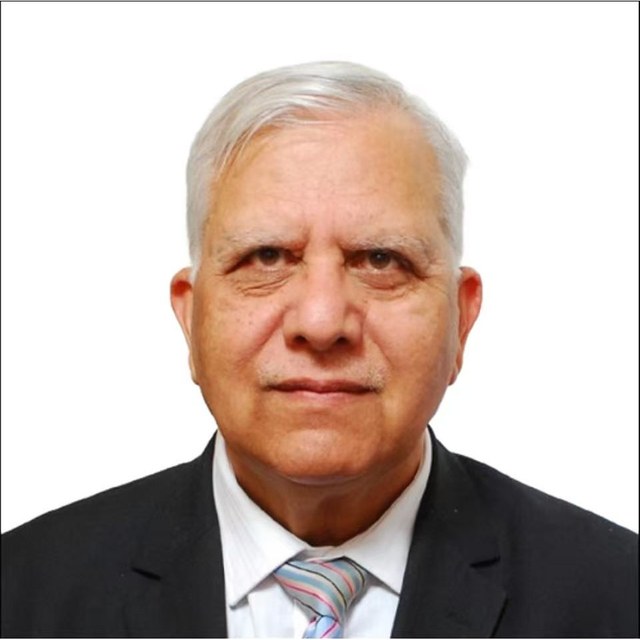
Zamir Ahmed Awan is the founder and Chair of the Global Silk Route Research Alliance, a think tank in Islamabad. He studied engineering at Shanghai University in the 1980s, and years later he went back to China as Pakistan's science counsellor in Beijing, from 2010 until 2016, working on science and higher education cooperation between the two countries.…