
Trump’s Political Setback: A New Balance of Power in Washington and Its Implications for the Middle East. 特朗普的政治挫折:华盛顿权力格局的新平衡及其对中东的影响.

(下边有中文翻译,请继续看到底。 谢谢。)
The 2026 US midterm elections delivered a major political setback to President Donald Trump, fundamentally shifting the balance of power in Washington and raising important questions about the direction of American domestic and foreign policy for the remaining two years of his second term. By securing control of both the Senate and the House of Representatives, the Democratic Party has transformed itself from a relatively constrained opposition into a powerful institutional counterweight to the White House. The outcome is particularly significant because public dissatisfaction with the economic consequences of the Iran war, rising living costs, and the administration’s policy direction appears to have played a substantial role in the Republican defeat.
This is not simply an electoral rejection of individual Republican candidates. It represents a broader demand for accountability, institutional checks and a reassessment of presidential decision-making. Trump’s political authority remains intact, but his ability to translate personal preferences into national policy has become considerably more complicated.
A Presidency Facing Institutional Resistance
For the first two years of his second term, Trump enjoyed the political advantage of Republican control of Congress. This alignment allowed his administration considerable freedom to advance its legislative priorities, secure funding and defend its foreign-policy decisions against congressional criticism. The midterm outcome ended that arrangement and ushered in divided government.
The Democrats’ control of both chambers will significantly strengthen their influence over the administration’s legislative agenda, government expenditure, senior appointments and policy implementation. Congressional committees can investigate executive decisions, summon officials for testimony, issue subpoenas and examine the administration’s handling of sensitive matters, including the Iran conflict, military expenditure, foreign agreements and alleged conflicts of interest.
The Senate’s role is particularly important because it confirms senior executive appointments, ambassadors and federal judges. A Democratic majority can delay or reject Trump’s nominees, forcing him to negotiate and consider candidates acceptable to at least some opposition lawmakers. Meanwhile, Democratic control of the House will give the opposition substantial authority over investigations, budget legislation and the initiation of impeachment proceedings.
Consequently, Trump’s grip over the broader machinery of government will face greater political and institutional resistance. His administration will have to devote more time and political capital to defending its decisions rather than simply implementing its preferred agenda.
Nevertheless, it would be incorrect to interpret the election as the end of Trump’s presidential authority. The American constitutional system divides power between the executive and legislative branches. The president retains considerable authority over executive appointments, administrative direction, diplomatic engagement, and military command. He can also issue executive orders and veto legislation passed by Congress. The new political environment therefore points towards a more confrontational presidency, not necessarily a paralysed one.
Iran War: The Most Immediate Geopolitical Challenge
The Middle East is likely to experience some of the most consequential effects of this political transformation. The Iran war has emerged as a central issue in American domestic politics, with its military, economic, and diplomatic consequences extending well beyond the region.
The disruption of energy supplies through the Strait of Hormuz, rising fuel prices and the financial burden of military operations have created significant pressure on the American administration. The reported destruction of oil tankers, drone incidents and continuing military tensions demonstrate the dangers of allowing the conflict to expand further.
The election results provide Democrats with an opportunity to challenge the legal basis, financial costs and strategic objectives of the war. They can demand detailed explanations from the Pentagon and State Department, examine intelligence assessments, investigate the decision to initiate military operations and seek restrictions on further military expenditure.
Most importantly, congressional control of appropriations gives Democrats leverage over the financial resources required to sustain military operations. They may seek to condition, restrict, or refuse additional funding unless the administration presents a credible strategy for ending the conflict.
Iran is likely to interpret the results as evidence that American public opinion is increasingly uncomfortable with prolonged military confrontation. Tehran may use this political opening to strengthen its diplomatic position, encourage international opposition to further escalation, and press Washington towards negotiations.
However, an immediate end to the conflict cannot be guaranteed. Trump has already indicated that he would not necessarily reconsider his decision to launch the war. As commander-in-chief, he retains considerable operational authority, and congressional efforts to terminate military action could encounter legal, procedural and political obstacles.
Israel, Palestine and the Future of Regional Diplomacy
US policy towards Israel could also enter a more complicated phase. Democratic lawmakers are increasingly divided over unconditional military assistance to Israel, particularly in the context of the humanitarian consequences of the Gaza conflict, developments in the occupied West Bank and continuing tensions in Lebanon.
The new congressional majority may intensify scrutiny of arms transfers, military assistance and the conditions attached to American support. It could also encourage greater pressure for humanitarian access, civilian protection, respect for international law and a renewed diplomatic process towards a sustainable Palestinian settlement.
The election of Abdul El-Sayed as the first Muslim member of the US Senate is symbolically significant. His victory, despite substantial political opposition and Islamophobic attacks, reflects the growing visibility of diverse political constituencies in American public life. It may strengthen congressional discussions about Palestine, Muslim communities and the wider consequences of US policy in the Middle East.
Nevertheless, a Democratic majority should not automatically be interpreted as a fundamental reversal of America’s traditional support for Israel. Democratic lawmakers themselves hold different positions, and many continue to regard Israel’s security as an important American strategic interest. The likely change is greater debate, scrutiny, and conditionality rather than an immediate abandonment of the bilateral relationship.
For Israel’s government, this could mean dealing with a less politically predictable Washington, particularly on military assistance and diplomatic protection.
Regional Implications Beyond Iran and Israel
The consequences will extend to Saudi Arabia, the Gulf states, Yemen and Lebanon. Regional governments have strong interests in preventing a wider war, protecting energy infrastructure and maintaining secure maritime trade routes.
A more assertive Congress could encourage diplomatic engagement and place greater emphasis on regional stability. However, continued confrontation between Washington and Tehran could undermine these opportunities. Gulf states will therefore need to balance their security partnerships with the United States against the economic and strategic costs of prolonged regional instability.
The European and Asian economies will also remain exposed to developments in the Strait of Hormuz. Energy security is no longer simply a regional concern; it has become a global economic and geopolitical issue. The International Energy Agency has warned that disruptions to Gulf LNG supplies are creating substantial pressure on international gas markets.
For countries such as Pakistan, which are particularly sensitive to imported energy prices, regional stability is essential. A diplomatic settlement would help protect energy supplies, reduce economic uncertainty and create better conditions for regional connectivity and economic cooperation.
How Far Can the Democrats Go?
Despite their electoral success, Democrats face several important limitations.
First, the president retains the constitutional authority to veto legislation. Overriding a presidential veto requires a two-thirds majority in both chambers, a threshold the Democrats are unlikely to achieve independently.
Second, Congress cannot directly take control of the executive administration. Trump retains authority over his cabinet, executive agencies, and the implementation of existing policies, subject to applicable laws and congressional oversight.
Third, Democrats are not politically united on every issue. Progressive lawmakers may demand a rapid end to the Iran war and stronger restrictions on military assistance to Israel, while more moderate members may prefer a gradual diplomatic approach. Such differences could weaken their ability to sustain a unified strategy.
Fourth, impeachment remains a political and constitutional possibility, but removing a president requires a two-thirds vote in the Senate following impeachment by the House. Without substantial bipartisan support, this would be extremely difficult.
Finally, Trump may respond to congressional resistance by relying more heavily on executive orders, administrative discretion, and direct presidential diplomacy. His political influence within the Republican Party also remains an important factor.
A New Phase of American Politics
The 2026 midterms have demonstrated that even a powerful president cannot remain insulated from public dissatisfaction and institutional accountability. Trump’s political leadership will now face greater scrutiny, stronger opposition, and more complicated decision-making.
For the Middle East, the election creates both opportunities and uncertainties. It may strengthen the political momentum for reconsidering the Iran war, encourage greater congressional scrutiny of military assistance, and open additional space for diplomacy. Yet the possibility of further escalation remains because presidential military authority has not disappeared.
Ultimately, the most important question is whether Washington will use this new balance of power to pursue a more sustainable foreign policy or become trapped in another cycle of institutional confrontation. American credibility, regional stability and global economic security will depend considerably on the choices made in the coming months.
The election has not ended Trump’s presidency, but it has changed the political environment in which he must govern. His authority remains substantial; his freedom of action, however, is no longer what it was.
特朗普的政治挫折:华盛顿权力格局的新平衡及其对中东的影响.
2026年美国中期选举给唐纳德·特朗普总统带来了重大政治挫折,从根本上改变了华盛顿的权力格局,并引发了关于其第二任期剩余两年中美国内与外交政策走向的重要问题。民主党通过赢得参议院和众议院的控制权,已从一个相对受限的反对党转变为对白宫具有强大制度性制衡作用的力量。这一结果尤为关键,因为公众对伊朗战争带来的经济后果、不断上升的生活成本以及政府政策方向的不满,似乎在共和党落败中起到了重要作用。
这不仅仅是一次对个别共和党候选人的选举性抵制,更代表了更广泛地要求问责制、制度性监督以及对总统决策方式的重新评估。特朗普的政治权威依然稳固,但他将个人偏好转化为国家政策的能力已变得复杂得多。
面临制度阻力的总统任期
在特朗普第二任期的前两年,由于共和党控制国会,他享有政治上的优势。这种局面使他的政府能够充分自由地推进立法优先事项、争取资金,并在国会批评下捍卫其外交政策决策。中期选举的结果终结了这一局面,导致政府出现两党对峙的局面。
民主党掌控两院将显著增强其对政府立法议程、政府支出、高级官员任命以及政策执行的影响力。国会委员会可调查行政决策、传唤官员作证、发出传票,并审查政府在处理敏感事务(包括伊朗问题、军费开支、外交协议及涉嫌利益冲突)方面的做法。
参议院的作用尤为关键,因为它负责确认高级行政官员、大使和联邦法官的任命。如果民主党占多数,便可拖延或否决特朗普提名的人选,迫使他不得不与至少部分反对派议员认可的候选人进行谈判和考虑。与此同时,民主党对众议院的控制将使反对派在调查、预算立法以及启动弹劾程序方面拥有相当大的权力。
因此,特朗普对政府整体运作的掌控将面临更大的政治和制度阻力。他的政府必须投入更多时间和政治资本来捍卫自身决策,而不仅仅是推行其偏好的议程。
然而,将此次选举解读为特朗普总统权威的终结是不正确的。美国宪法体系将权力分配给行政与立法两院,总统在行政任命、行政管理、外交事务和军事指挥等方面仍保留着相当大的权力。他还可以发布行政命令,并否决国会通过的法案。因此,新的政治环境表明,未来总统任期可能更加对抗性,而非瘫痪状态。
伊朗战争:最紧迫的地缘政治挑战
中东地区很可能将承受这一政治变革带来的最深远影响。伊朗战争已成为美国国内政治的核心议题,其军事、经济和外交后果已远远超出该地区范围。
霍尔木兹海峡能源供应的中断、燃料价格的上涨以及军事行动带来的财政负担,给美国政府造成了巨大压力。据报道的油轮被毁事件、无人机袭击事件以及持续的军备紧张局势,凸显了若任由冲突进一步扩大所带来的危险。
选举结果为民主党提供了挑战这场战争的法律依据、财政成本和战略目标的机会。他们可以要求五角大楼和国务院提供详细说明,审查情报评估报告,调查发动军事行动的决策过程,并推动限制进一步的军费开支。
最重要的是,国会对拨款的控制使民主党在维持军事行动所需的财政资源方面拥有议价权。他们可能会要求附加资金必须附带条件、加以限制或拒绝提供,除非政府能提出一项可信的战略来结束冲突。
伊朗很可能将这一结果解读为美国公众日益对长期军事对抗感到不安的证据。德黑兰可能利用这一政治契机加强其外交地位,推动国际社会反对进一步升级,并促使华盛顿走向谈判。
然而,无法保证冲突会立即结束。特朗普已表明,他未必会重新考虑发动战争的决定。作为最高统帅,他仍保留着相当大的作战权限,而国会试图终止军事行动可能面临法律、程序和政治上的障碍。
以色列、巴勒斯坦及地区外交的未来
美国对以色列的政策也可能进入一个更为复杂的阶段。民主党议员在向以色列提供无条件军事援助问题上日益分歧,尤其是在加沙冲突的人道主义后果、约旦河西岸被占领土局势发展以及黎巴嫩持续紧张局势的背景下。
新的国会多数可能加强对武器转让、军事援助以及美国支持所附带条件的审查。同时,也可能推动对人道主义准入、平民保护、尊重国际法以及重启外交进程以实现可持续的巴勒斯坦定居点方案施加更大压力。
阿卜杜勒·艾萨德当选为美国参议院首位穆斯林成员具有象征意义。尽管面临强烈政治反对和反穆斯林攻击,他的胜选反映出多元政治群体在美国公共生活中日益凸显。这可能加强国会关于巴勒斯坦、穆斯林社群以及美国中东政策更广泛影响的讨论。
然而,民主党多数不应被自动解读为美国传统支持以色列的根本性逆转。民主派议员自身立场各异,许多人仍视以色列的安全为重要的美国战略利益。这种可能的变化将表现为更激烈的争论、更深入的审查以及附加条件,而非立即放弃双边关系。
对以色列政府而言,这意味着需要应对一个在军事援助和外交保护方面政治上难以预测的华盛顿。
超越伊朗与以色列的地区影响
后果还将波及沙特阿拉伯、海湾国家、也门和黎巴嫩。这些地区的政府都高度重视防止战争扩大、保护能源基础设施以及维持安全的海上贸易航线。
一个更具主张性的国会可能会推动外交对话,并更加重视地区稳定。然而,华盛顿与德黑兰之间持续的对抗可能削弱这些机遇。因此,海湾国家必须在与美国的安全合作与长期地区不稳定带来的经济和战略成本之间取得平衡。
欧洲和亚洲经济也将持续受到霍尔木兹海峡局势发展的影响。能源安全已不再仅仅是地区性问题,而是演变为全球性的经济与地缘政治议题。国际能源署警告称,海湾液化天然气供应中断正在对国际天然气市场造成巨大压力。
对于巴基斯坦等对进口能源价格尤为敏感的国家而言,地区稳定至关重要。外交解决有助于保障能源供应、降低经济不确定性,并为区域互联互通和经济合作创造更有利的条件。
民主党能走多远?
尽管在选举中取得成功,民主党仍面临若干重要限制。
首先,总统保留宪法赋予的否决立法权。要推翻总统的否决,需两院三分之二多数支持,而这一门槛民主党单方面难以实现。
其次,国会无法直接控制行政机构。特朗普仍拥有对内阁、执行机构以及现有政策实施的权力,但必须遵守相关法律并接受国会监督。
第三,民主党在各个议题上并不具备政治团结。进步派议员可能要求尽快结束伊朗战争,并加强对以色列军事援助的限制;而较为温和的成员则可能更倾向于采取渐进式的外交方式。这些分歧可能削弱其维持统一战略的能力。
第四,弹劾仍然是政治和宪法上的可能性,但要罢免总统,需在众议院弹劾后获得参议院三分之二的投票支持。若缺乏实质性的两党支持,这将极为困难。
最后,特朗普可能会通过更频繁地依赖行政命令、行政裁量权以及直接的总统外交来回应国会的抵制。他在共和党内的政治影响力也仍是重要因素。
美国政治的新阶段
2026年中期选举表明,即使是一位强大的总统,也无法完全避免公众不满和制度问责。特朗普的政治领导力如今将面临更严格的审视、更强的反对声音以及更复杂的决策过程。
对于中东地区而言,此次选举既带来了机遇,也充满不确定性。它可能增强重新考虑伊朗战争的政治势头,推动国会加强对军事援助的审查,并为外交谈判开辟更多空间。然而,由于总统的军事权力并未消失,进一步升级的风险依然存在。
最终,最关键的问题是华盛顿是否会利用这种新的权力平衡来推行更加可持续的外交政策,还是陷入新一轮的制度性对抗循环。美国的信誉、地区稳定以及全球经济安全,在未来几个月内所做出的选择将起决定性作用。
选举并未结束特朗普的总统任期,但已改变了他必须执政的政治环境。他的权威依然重大,然而其行动自由却已不再如从前。
(注意: 本文是用AI翻译的,或有误差。请以原版英文为准。谢谢。)
Reference Link:- https://sovereignista.com/2026/11/05/trumps-political-setback-a-new-balance-of-power-in-washington-and-its-implications-for-the-middle-east/
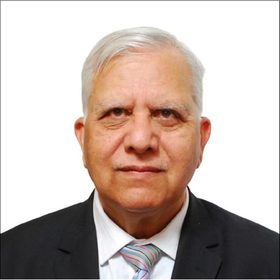
Zamir Ahmed Awan is the founder and Chair of the Global Silk Route Research Alliance, a think tank in Islamabad. He studied engineering at Shanghai University in the 1980s, and years later he went back to China as Pakistan's science counsellor in Beijing, from 2010 until 2016, working on science and higher education cooperation between the two countries.…