

(下边有中文翻译,请继续看到底。) 谢谢。)
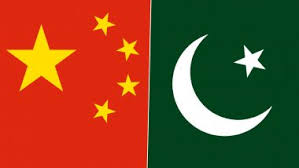
The 77th anniversary of the founding of the People’s Republic of China offered Pakistan an opportunity to celebrate not only China’s remarkable transformation but also a friendship that has grown stronger through 75 years of diplomatic relations. The National Day of China, observed on October 1, was celebrated with enthusiasm across China and around the world, including Pakistan, where the occasion reflected the warmth and depth of this enduring partnership.
A significant reception was hosted by the Chinese Embassy in Islamabad on September 30, 2026, bringing together Prime Minister Muhammad Shehbaz Sharif, senior Pakistani officials, diplomats, members of the Chinese community and friends of China. The presence of the prime minister, who attended shortly after returning from a foreign visit, demonstrated the importance Pakistan attaches to its relationship with China.
Addressing the gathering, Chinese Ambassador Jiang Zaidong highlighted China’s extraordinary achievements, its commitment to international cooperation and the expanding scope of bilateral relations. Prime Minister Shehbaz Sharif, in turn, praised China’s development, acknowledged its contribution to global peace and stability, and reaffirmed Pakistan’s determination to strengthen the all-weather strategic cooperative partnership.
China’s transformation: Lessons for the developing world
Since 1949, China has undergone a profound transformation. Its achievements in poverty reduction, infrastructure, manufacturing, science and technology have reshaped its economy and improved the lives of millions. The country’s development experience demonstrates the importance of long-term planning, investment in human capital, technological advancement and consistent policy implementation.
Ambassador Jiang reported that China’s economy grew by 4.7 percent in the first half of 2026, adding 3.6 trillion yuan in economic output. Renewable energy accounted for 41.2 percent of electricity generation during the same period, reflecting progress towards a more sustainable energy system.
China is also advancing in electric vehicles, lithium-ion batteries, solar technology, artificial intelligence and robotics. Exports of electric vehicles, lithium-ion batteries and photovoltaic products reached approximately 819.7 billion yuan in the first half of the year, registering 46.1 percent year-on-year growth.
These developments offer valuable lessons for Pakistan, particularly in industrial modernization, renewable energy, agricultural productivity, research and development, and digital transformation.
China’s international initiatives also deserve attention. The Global Development Initiative, Global Security Initiative, Global Civilization Initiative, and Global Governance Initiative seek to encourage development, dialogue, cooperation, and a more inclusive international order. For developing countries, these platforms provide opportunities to engage in discussions about shared challenges and common priorities.
Pakistan–China relations: From friendship to practical cooperation
Pakistan and China are celebrating 75 years of diplomatic relations in 2026. Over these decades, the partnership has expanded across diplomacy, defence, infrastructure, education, trade and cultural exchanges. As Prime Minister Shehbaz Sharif emphasized, China’s transformation continues to inspire Pakistan, while the bilateral relationship remains an anchor of Pakistan’s foreign policy.
The economic figures presented by Ambassador Jiang underline the growing importance of this relationship. Bilateral trade reached $16.44 billion between January and July 2026, an increase of 13.4 percent year-on-year. Agricultural trade approached $830 million during January–August, rising by 45 percent. Pakistan’s agricultural exports to China, particularly rice, also recorded substantial growth.
These figures are encouraging, but the next objective should be to make bilateral trade more balanced, productive and diversified. Pakistani businesses need stronger access to Chinese markets, improved export standards, modern processing facilities and closer links with Chinese companies and distribution networks.
The next phase of the China-Pakistan Economic Corridor, known as CPEC 2.0, offers an important opportunity. Its emphasis on industrialization, special economic zones, information technology, artificial intelligence, agriculture and minerals could help Pakistan move beyond infrastructure development towards greater productive capacity, employment and export growth.
The prime minister also highlighted agricultural cooperation. The first group of 1,000 Pakistani agricultural graduates has completed training in China, while another 1,000 are preparing to follow. Such initiatives can help Pakistan modernize farming, improve water management, introduce advanced technologies and strengthen food security.
Equally significant are the planned livelihood projects in Balochistan, including 100 clean-water stations, 1,000 upgraded smart classrooms and 100,000 school kits. If implemented effectively, these initiatives can demonstrate how strategic cooperation translates into tangible improvements in people’s lives.
A shared future built on people
The celebrations extended beyond official speeches. Chinese companies operating in Pakistan organized activities and welcomed their employees and Pakistani friends, creating opportunities for cultural exchange, hospitality and mutual understanding. These interactions remind us that international relations are sustained not only by governments and agreements but also by ordinary people who build trust through everyday contact.
As a Pakistani who has studied, worked, and developed enduring personal connections in China, I believe that our friendship carries immense potential. Pakistan can learn from China’s emphasis on education, discipline, innovation and long-term development while contributing its own strengths, resources, talent and strategic location.
The real measure of this partnership will be the opportunities it creates for young people, the industries it helps establish, the exports it generates and the quality of life it improves.
On China’s 77th National Day, Pakistan extends its warm congratulations to the Chinese leadership and people. May China continue to prosper, and may the friendship between our two neighbouring countries grow stronger with every passing year. Our shared future should be built on mutual respect, practical cooperation, and a common commitment to peace, development, and prosperity.
中国发展的非凡历程与持久的中巴友谊。
中华人民共和国成立77周年,为巴基斯坦提供了一个重要契机,不仅庆祝中国取得的巨大成就,也庆祝两国建交75年来不断深化、日益坚固的传统友谊。10月1日是中国国庆日,中国及世界各地,包括巴基斯坦,都以热烈的方式庆祝这一重要节日。对巴基斯坦而言,国庆日不仅是庆祝中国发展的时刻,也体现了中巴两国之间深厚而持久的伙伴关系。
2026年9月30日,中国驻伊斯兰堡大使馆举行盛大国庆招待会。巴基斯坦总理穆罕默德·夏巴兹·谢里夫、高级政府官员、各国外交使节、在巴华侨华人以及中国友人出席了招待会。总理在结束一次出访后不久即出席此次活动,充分体现了巴基斯坦对中巴关系的高度重视。
中国驻巴基斯坦大使姜再冬在致辞中重点介绍了中国取得的非凡发展成就、中国对国际合作的坚定承诺以及不断拓展的中巴双边合作领域。夏巴兹·谢里夫总理则高度评价中国的发展成就,肯定中国为世界和平与稳定所作的贡献,并再次确认巴基斯坦将坚定加强全天候战略合作伙伴关系。
中国的发展转型:为发展中国家提供的经验
自1949年以来,中国经历了深刻而广泛的发展转型。在减贫、基础设施建设、制造业、科学技术等领域取得的成就,重塑了中国经济,也改善了数亿人的生活。中国的发展经验表明,长期规划、人力资本投资、科技进步以及政策的持续落实,对于实现国家现代化具有重要意义。
姜再冬大使介绍,2026年上半年中国经济增长4.7%,经济总量增加3.6万亿元人民币。同一时期,可再生能源发电量占全部发电量的41.2%,体现了中国向更加绿色、可持续的能源体系迈进。
中国在新能源汽车、锂离子电池、太阳能技术、人工智能和机器人等领域也取得快速发展。2026年上半年,中国新能源汽车、锂离子电池和光伏产品出口额约为8197亿元人民币,同比增长46.1%。
这些发展成果为巴基斯坦提供了有益借鉴,特别是在工业现代化、可再生能源、农业生产率、科研与创新以及数字化转型等方面。
中国提出的国际倡议同样值得关注。全球发展倡议、全球安全倡议、全球文明倡议和全球治理倡议,旨在推动发展、对话与合作,促进建设更加包容、公平的国际秩序。对于广大发展中国家而言,这些倡议为各国围绕共同挑战和共同优先事项开展交流合作提供了重要平台。
中巴关系:从传统友谊迈向务实合作
2026年是中巴建交75周年。75年来,两国关系不断拓展,合作领域已经涵盖外交、国防、基础设施、教育、贸易以及文化交流等多个方面。正如夏巴兹·谢里夫总理所强调的,中国的发展转型持续激励着巴基斯坦,而中巴关系始终是巴基斯坦外交政策的重要支柱。
姜再冬大使介绍的经济数据进一步凸显了中巴关系日益增长的重要性。2026年1月至7月,中巴双边贸易额达到164.4亿美元,同比增长13.4%。2026年1月至8月,两国农产品贸易额接近8.3亿美元,同比增长45%。巴基斯坦对华农业出口,尤其是大米出口,也实现了显著增长。
这些数据令人鼓舞,但下一阶段的目标应当是进一步推动双边贸易实现更加平衡、高效和多元化发展。巴基斯坦企业需要获得更加便利的中国市场准入,提高出口产品标准和质量,建设现代化农产品加工设施,并加强与中国企业及销售、物流网络的联系。
中巴经济走廊下一阶段,即“CPEC 2.0”,提供了重要机遇。其重点涉及工业化、经济特区、信息技术、人工智能、农业和矿产资源等领域,有望推动巴基斯坦从基础设施建设进一步迈向提升生产能力、创造就业和扩大出口的新阶段。
夏巴兹·谢里夫总理还特别强调了农业合作的重要性。首批1000名巴基斯坦农业毕业生已经完成在华培训,第二批1000名毕业生也正在准备赴华学习。这些合作项目有助于巴基斯坦实现农业现代化,改善水资源管理,引进先进技术,并进一步增强粮食安全保障能力。
同样值得关注的是计划在俾路支省实施的民生项目,包括建设100个清洁饮水站、升级1000间智慧教室以及提供10万套学生学习用品。如果能够得到有效实施,这些项目将充分展示战略合作如何转化为改善普通民众生活的具体成果。
以人民为基础,共创美好未来
庆祝活动并不仅仅局限于官方讲话。在巴基斯坦运营的中国企业也组织了丰富多彩的庆祝活动,欢迎企业员工和巴基斯坦朋友参与,为两国人民之间的文化交流、相互友好与理解创造了更多机会。这些互动表明,国际关系不仅由政府和协议维系,也需要普通民众通过日常交流不断建立信任。
作为一名曾在中国学习、工作,并与中国建立深厚个人联系的巴基斯坦人,我深信中巴友谊蕴含着巨大潜力。巴基斯坦可以借鉴中国重视教育、纪律、创新和长期发展的经验,同时发挥自身优势,包括丰富的资源、优秀的人才以及重要的战略地理位置。
衡量中巴伙伴关系成效的真正标准,应当是它能够为年轻人创造多少机会、帮助建立多少新产业、带来多少出口增长,以及能够在多大程度上改善人民的生活质量。
值此中华人民共和国成立77周年之际,巴基斯坦向中国领导人和中国人民致以热烈祝贺。祝愿中国继续繁荣发展,愿中巴两国人民之间的传统友谊年复一年不断深化。
我们的共同未来应当建立在相互尊重、务实合作以及对和平、发展与繁荣的共同承诺之上。
(注意: 本文是用AI翻译的,或有误差。请以原版英文为准。谢谢。)
Reference Link:- https://www2.apdnews.cn/en/item/26/1005/axjgamdaf3eff20022a5e0.html