Between war and diplomacy: conversations at Pakistan Defence Day reception in Washington
Source Xinhua, Dawn, Arab News, Anadolu and Minute Mirror

The official occasion was Pakistan’s Defence and Martyrs’ Day. But at the reception that followed, the conversation inevitably moved from the battlefields of 1965 to the very different war being fought in 2026 — the conflict between the United States and Iran.
The Embassy of Pakistan in Washington hosted the ceremony ahead of Defence Day, which falls on Sept 6, bringing it forward because of the long Labor Day weekend in the United States.
Addressing the gathering, Ambassador Rizwan Saeed Sheikh recalled the courage and unity demonstrated by Pakistan during the 1965 war, saying the country had defended not only its freedom and frontiers but “the courage and resolve of our nation and nationhood.”
Defence Attaché Brigadier Muhammad Abu Bakar paid tribute to the men and women of the armed forces, highlighting their professionalism and operational readiness. He described Defence Day as an enduring reminder of the nation’s shared commitment to protecting its sovereignty.
The event honoured the sacrifices of Pakistan’s armed forces and law-enforcement agencies. Diplomats, military and service attachés, US officials, and members of the Pakistani-American community gathered for an occasion whose formal message centred on defence, sovereignty, and national resolve.
Yet among the serving and former diplomats and military officials from the United States, Pakistan, Egypt, Turkiye and several other Middle Eastern and South Asian countries, another subject dominated the conversations: when will the Iran-US war end?
The question was not asked with the expectation of an immediate answer. Most of the participants appeared to believe that the conflict would continue at least until the US midterm elections in November. Their reasoning was less about the battlefield than about American politics.
Some argued that the decision to go to war had already carried a political cost for President Donald Trump among voters generally. But they also pointed to a more complicated problem: any agreement with Iran could alienate sections of Trump’s conservative Republican base if it were perceived as conceding too much to Tehran.
In that reading, the president finds himself caught between two politically difficult choices. A major new offensive could deepen public fatigue with the war and its economic consequences. A deal seen by his own supporters as unfavourable to the United States could create another political liability.
The result, some diplomats suggested, is a kind of strategic limbo — neither a decisive escalation nor a final settlement. That assessment has some resonance in Washington. Reuters reported this week that senior Trump aides were seeking to keep the conflict from escalating before the November elections, amid concerns that the war could damage Republican prospects. But while Washington debates the domestic consequences of the war, Pakistan has found itself in an unusual diplomatic position.
The diplomats gathered at the Pakistani Embassy repeatedly referred to Pakistan’s mediation efforts between Washington and Tehran. Pakistan, along with Qatar and other regional actors, helped facilitate the negotiations that produced the Islamabad memorandum of understanding in June.
The agreement subsequently came under severe strain, and the conflict has again intensified. Yet Pakistan’s role has not disappeared. Guests at the reception suggested that the diplomatic process could still be revived, arguing that the Islamabad MoU could provide a framework for renewed negotiations if and when the parties conclude that continued escalation has run its course.
Reference Link:- https://www.dawn.com/news/2027826
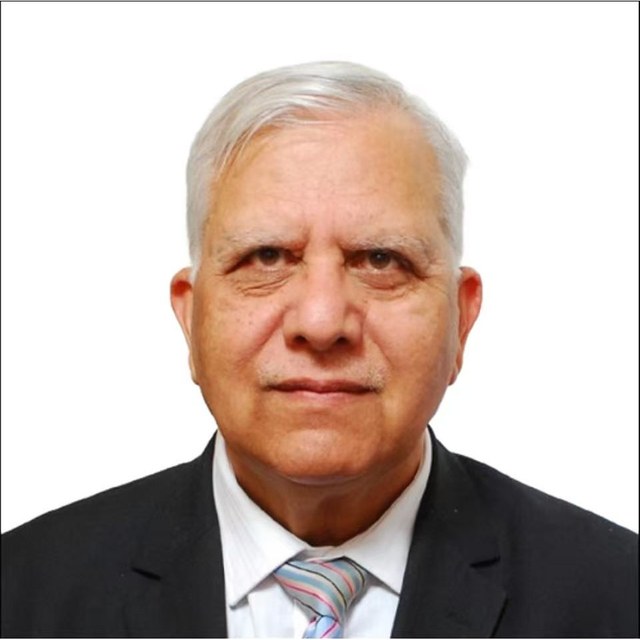
Zamir Ahmed Awan is the founder and Chair of the Global Silk Route Research Alliance, a think tank in Islamabad. He studied engineering at Shanghai University in the 1980s, and years later he went back to China as Pakistan's science counsellor in Beijing, from 2010 until 2016, working on science and higher education cooperation between the two countries.…