Jiang Zemin at 100: A Visionary Reformer and a Friend Pakistan Remembers. 《江泽民百年诞辰:巴基斯坦铭记的改革先驱与友好使者》
Wire desk byline Sourced from Xinhua, Dawn, Arab News, Anadolu and Minute Mirror. Translated and abridged by the GSRRA Desk.

(下边有中文翻译,请继续看到底。 谢谢。)

- For Pakistan, however, Jiang Zemin was more than a distant Chinese leader.
- It would therefore be fair to describe Jiang Zemin as a leader who helped strengthen the modern foundations of China-Pakistan friendship.
- For China, Jiang will be remembered as a major reform-era leader.
AI Generated Summary
August 17, 2026, marked the 100th birth anniversary of Jiang Zemin, one of the most consequential leaders of modern China. A grand commemorative gathering at the Great Hall of the People in Beijing, presided over by President Xi Jinping, reflected the enduring importance of Jiang’s political and economic legacy.
Jiang Zemin’s life was remarkable because he was, at his core, an engineer who later became a statesman. Born in Yangzhou, Jiangsu Province, on August 17, 1926, he studied electrical engineering at Shanghai Jiao Tong University and graduated in 1947. His technical training shaped a practical approach to leadership: understand the problem, assess the available resources, and build a solution capable of lasting.
His rise coincided with one of the most turbulent periods in modern history. After serving as mayor of Shanghai and later as secretary of the CPC Shanghai Municipal Committee, Jiang played an important role in the city’s reform and modernization. He supported the transformation of Pudong into a major international and modern urban district, helping establish the foundations for Shanghai’s emergence as a global economic center.
When Jiang assumed China’s top leadership in 1989, the international environment was changing rapidly. The political transformation of Eastern Europe, the collapse of the Soviet Union and major domestic challenges created enormous uncertainty. Yet China maintained political stability and continued its programme of reform and opening up.
One of the defining features of the Jiang era was the consolidation of the socialist market economy, following the strategic direction established by Deng Xiaoping and formally advanced after Deng’s southern tour in 1992. Jiang helped translate this vision into institutional and economic transformation. The result was a period in which China accelerated market-oriented reforms, expanded its engagement with the global economy, and strengthened the foundations for the extraordinary growth that followed.
China’s accession to the World Trade Organization in 2001 was among the most significant milestones of this period. It opened a new chapter in China’s integration with international trade and investment and contributed to the rapid expansion of Chinese exports and global economic engagement. Jiang’s leadership was also associated with deeper regional cooperation, including the establishment of the Shanghai Cooperation Organisation in 2001.
For Pakistan, however, Jiang Zemin was more than a distant Chinese leader. His connection with Pakistan began long before he entered China’s highest office. In 1976, as a professional engineer and leader of a Chinese technical delegation, he spent time at Taxila and was involved in important technical and administrative decisions connected with the commissioning of the Foundry and Forge Works of the Heavy Mechanical Complex. This cooperation formed part of China’s broader contribution to Pakistan’s industrial and engineering capacity.
The story of Jiang and Taxila carries special significance. It represents a relationship built not only through diplomatic statements but also through factories, machines, engineers, and skilled workers. The Heavy Mechanical Complex became an important symbol of Pakistan-China industrial cooperation, and Jiang’s personal association with it gave Pakistan a unique connection with a man who would later lead the world’s most populous country.
During his state visit to Pakistan in 1996, Jiang reportedly maintained contact with former Pakistani colleagues from his earlier days at Taxila, demonstrating that he had not forgotten the professional relationships and human connections formed decades earlier.
It would therefore be fair to describe Jiang Zemin as a leader who helped strengthen the modern foundations of China-Pakistan friendship. He was not the founder of the relationship, whose roots go back to earlier generations of leaders, but he was a major bridge-builder who gave that friendship a distinctive personal and industrial dimension.
At 100, Jiang Zemin’s legacy remains substantial. He was bold during uncertainty, pragmatic during transition, and confident in China’s capacity to reform without abandoning its strategic direction. He understood Deng Xiaoping’s vision and helped carry the reform and opening-up process into a new era.
For China, Jiang will be remembered as a major reform-era leader. For Pakistan, he will also be remembered as an engineer who once worked at Taxila, a statesman who valued friendship, and a leader whose life connected the development journeys of two nations. His legacy is not confined to history; it remains visible in the enduring strength of China-Pakistan cooperation.
《江泽民百年诞辰:巴基斯坦铭记的改革先驱与友好使者》
- 对巴基斯坦而言,江泽民不仅是一位遥远的中国领导人。
- 因此,可以公正地说,江泽民是一位帮助巩固中巴友谊的现代基础的领导人。
- 对中国而言,江泽民将作为改革时期的重要领导人被铭记。
人工智能生成摘要
2026年8月17日是江泽民诞辰100周年。作为当代中国最具影响力的领导人之一,北京人民大会堂举行了隆重的纪念活动,由习近平主席主持,这充分体现了江泽民的政治和经济遗产的持久影响。
江泽民的一生颇具传奇色彩,因为他本质上是一名工程师,后来成为国家领导人。他于1926年8月17日出生于江苏省扬州市,就读于上海交通大学电机工程系,并于1947年毕业。他所接受的技术教育塑造了其务实的领导方式:了解问题、评估现有资源,并建立能够长期运行的解决方案。
他的政治崛起恰逢中国现代史上最动荡的时期之一。在担任上海市市长以及中共上海市委书记期间,江泽民在上海改革和现代化进程中发挥了重要作用。他支持浦东的开发建设,使其逐步发展成为国际化、现代化的重要城区,为上海后来成为全球经济中心奠定了基础。
1989年,江泽民担任中国最高领导职务时,国际环境正在迅速变化。东欧政治转型、苏联解体以及中国国内面临的重大挑战带来了巨大不确定性。然而,中国保持了政治稳定,并继续推进改革开放事业。
江泽民时代最显著的特点之一,是社会主义市场经济体制的进一步确立。这一进程延续了邓小平提出的战略方向,并在1992年邓小平南方谈话之后得到进一步推动。江泽民帮助将这一战略构想转化为制度和经济层面的改革。中国由此加快了市场化改革步伐,扩大了与全球经济的联系,并进一步巩固了后来实现快速经济增长的基础。
2001年,中国加入世界贸易组织(WTO)是这一时期最重要的里程碑之一。这开启了中国融入国际贸易和投资的新篇章,并推动中国出口以及全球经济参与程度迅速扩大。江泽民的领导时期也见证了中国区域合作的深化,包括2001年上海合作组织的成立。
然而,对于巴基斯坦而言,江泽民不仅仅是一位遥远的中国领导人。他与巴基斯坦的联系早在进入中国最高领导层之前就已经建立。
1976年,作为一名专业工程师和中国技术代表团负责人,江泽民曾在塔克西拉(Taxila)工作,并参与与重型机械综合厂铸造锻造厂投产有关的重要技术和行政决策。这一合作属于中国帮助巴基斯坦发展工业和工程能力的更广泛努力的一部分。
江泽民与塔克西拉的故事具有特殊意义。它体现的并不仅仅是通过外交声明建立的关系,更是一种由工厂、机器、工程师和技术工人共同构建的合作关系。重型机械综合厂成为中巴工业合作的重要象征,而江泽民与这一项目的个人联系,也使巴基斯坦与这位后来领导世界上人口最多国家的政治家之间形成了独特纽带。
1996年江泽民对巴基斯坦进行国事访问期间,据报道,他仍与早年在塔克西拉工作时结识的巴基斯坦同事保持联系,这表明他没有忘记数十年前建立的职业关系和人与人之间的友谊。
因此,可以公正地说,江泽民是一位帮助巩固中巴友谊现代基础的领导人。他并非中巴关系的创始人,因为两国友谊的根源可以追溯到更早一代领导人,但他是一位重要的桥梁建设者,使这种友谊具有了独特的个人和工业合作内涵。
在百年诞辰之际,江泽民留下的历史遗产依然十分重要。他在不确定时期表现出勇气,在转型时期保持务实,并对中国能够在不放弃战略方向的情况下推进改革充满信心。他理解邓小平的战略思想,并帮助中国将改革开放事业带入新的时代。
对于中国而言,江泽民将作为改革时期的重要领导人被铭记。对于巴基斯坦而言,他将被铭记为一位曾经在塔克西拉工作过的工程师、一位重视友谊的政治家,以及一位将两个国家的历史发展联系起来的领导人。
他的历史遗产并不仅仅属于过去;它至今仍体现在持续发展的中巴合作之中。
(注意: 本文是用AI翻译的,或有误差。请以原版英文为准。谢谢。)
Reference Link:- https://minutemirror.com.pk/jiang-zemin-at-100-a-visionary-reformer-and-a-friend-pakistan-remembers-616977/
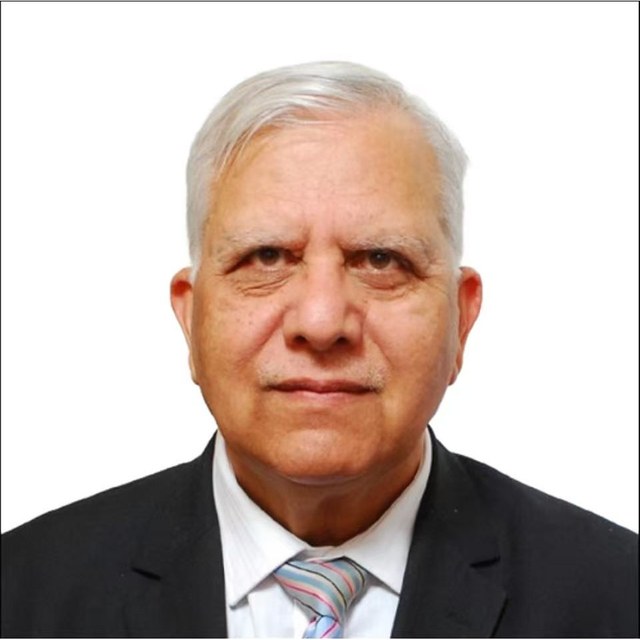
Zamir Ahmed Awan is the founder and Chair of the Global Silk Route Research Alliance, a think tank in Islamabad. He studied engineering at Shanghai University in the 1980s, and years later he went back to China as Pakistan's science counsellor in Beijing, from 2010 until 2016, working on science and higher education cooperation between the two countries.…