
China: Why Investing in Children Is Investing in the Future. 中国:投资儿童,就是投资未来。
Wire desk byline Sourced from Xinhua, Dawn, Arab News, Anadolu and Minute Mirror. Translated and abridged by the GSRRA Desk.

The recognition of Chinese illustrator Cai Gao with the 2026 Hans Christian Andersen Award is more than a personal achievement. It is a significant moment for Chinese children’s literature and a reminder of a simple truth: the most valuable investment any society can make is an investment in its children.
In April 2026, the International Board on Books for Young People (IBBY) announced Cai Gao as the winner of the illustration category at the Bologna Children’s Book Fair in Italy. She became the first Chinese illustrator to receive the Hans Christian Andersen Award, an honor widely regarded as the highest international distinction for children’s literature and awarded for a lifetime contribution.
Born in Changsha in 1946, Cai Gao entered children’s publishing in the 1970s and spent decades developing her distinctive artistic language. Remarkably, she was largely self-taught. Her work combines traditional Chinese ink-wash aesthetics, folk-art traditions and contemporary picture-book techniques. She has reinterpreted Chinese folklore, classical literature and ordinary life through a perspective that retains the curiosity and imagination of childhood.
This combination of tradition and innovation is precisely what makes Cai Gao’s achievement important. The HCA jury praised her outstanding artistic quality and unique visual language, noting that her work moves between tradition and modernity while encouraging children to explore, imagine and interpret the world for themselves.
Her success also demonstrates that children’s education is not limited to mathematics, science or examination results. Art, literature, imagination and cultural confidence are equally important components of a child’s development. A child who reads, observes, asks questions and imagines freely is developing capacities that remain valuable throughout life.
China’s growing emphasis on children’s publishing and cultural education deserves particular attention. The country has built a large domestic market for children’s books while increasingly encouraging Chinese stories and creative works to reach international audiences. Cai Gao’s achievement provides evidence that Chinese children’s culture can cross linguistic and cultural boundaries without abandoning its own identity.
Her books have already attracted international interest and have been translated into several languages. Following her award, publishers and cultural organizations have intensified efforts to bring Chinese children’s books to readers overseas.
There is also a broader lesson here for policymakers. Investment in children should not be viewed merely as social expenditure; it is a long-term national investment. Schools, libraries, children’s publishing, museums, cultural programmes, teachers and creative industries all contribute to developing the next generation.
The economic return may not always be immediate, but the social return can be enormous. Educated and imaginative children become capable professionals, scientists, entrepreneurs, artists, teachers and responsible citizens. Countries that neglect childhood development eventually pay a much higher price in lost human potential.
Cai Gao’s philosophy captures this principle particularly well. Her belief in viewing the world through an “innocent eye” reminds adults that education should not extinguish curiosity in the process of creating knowledge. Children need discipline and knowledge, but they also need creativity, kindness and the freedom to imagine a better future.
Her award should therefore be celebrated not simply as another international prize for China. It is an affirmation of the importance of children, creativity and cultural education.
China can take legitimate pride in Cai Gao’s achievement, while the wider world can draw an equally important lesson: when a country invests generously in its children, it is investing in the people who will ultimately determine its future. The future belongs to today’s children. The wisest societies are those willing to invest in them today.
中国:投资儿童,就是投资未来。
中国插画家蔡皋荣获2026年汉斯·克里斯蒂安·安徒生奖,这不仅是一项个人成就,更是中国儿童文学发展中的重要时刻,也提醒我们一个简单的真理:一个社会所能做出的最宝贵的投入,就是对儿童的投资。
2026年4月,国际儿童读物书委会(IBBY)宣布蔡皋为意大利博洛尼亚儿童书展插画类获奖者。她成为首位获得汉斯·克里斯蒂安·安徒生奖的中国插画家,该奖项被广泛认为是儿童文学领域最高的国际荣誉,以终身贡献授予。
蔡皋1946年出生于长沙,自1970年代进入儿童出版领域,并数十年来不断探索并发展出自己独特的艺术语言。令人惊叹的是,她的创作几乎完全靠自学而成。她的作品融合了中国传统水墨美学、民间艺术传统以及当代绘本技法。她以保留童年好奇心与想象力的视角,重新诠释了中国民间传说、古典文学以及日常生活。
正是这种传统与创新的结合,使蔡高取得的成就尤为突出。HCA评审团称赞她的艺术品质卓越且视觉语言独特,指出她的作品在传统与现代之间游走,同时鼓励儿童自主探索、想象并解读世界。
她的成功也表明,儿童教育不应局限于数学、科学或考试成绩。艺术、文学、想象力和文化自信同样是儿童成长中同等重要的组成部分。一个能够自由阅读、观察、提问和想象的孩子,正在培养终身受益的能力。
中国日益重视儿童出版与文化教育,值得特别关注。国家已建立起庞大的国内儿童图书市场,并不断鼓励中国故事和创意作品走向国际读者。蔡高成就的实践证明,中国儿童文化可以在不放弃自身身份的前提下,跨越语言与文化的界限。
她的著作已引起国际关注,并被翻译成多种语言。在获得奖项后,出版商和文化机构加大了将中国儿童图书推广至海外读者的努力。
这也为政策制定者提供了更广泛的启示:对儿童的投资不应仅仅被视为社会支出,而是一项长期的国家投资。学校、图书馆、儿童出版、博物馆、文化项目、教师以及创意产业,共同推动着下一代的成长。
经济回报或许并不总是立竿见影,但社会效益却可能极为巨大。受过教育且富有想象力的孩子,能够成长为有能力的专业人士、科学家、企业家、艺术家、教师以及有责任感的公民。忽视儿童发展的国家,最终将付出更高的代价——失去巨大的人才潜力。
蔡高的理念尤其深刻地体现了这一原则。她坚持用“纯真的目光”看待世界,提醒成年人:教育不应在创造知识的过程中扼杀好奇心。孩子们需要纪律和知识,同时也需要创造力、善良以及想象更美好的未来的自由。
因此,她的奖项不应仅仅被视为中国又一国际性荣誉。它更应成为对儿童、创造力和文化教育重要性的肯定。
中国可以为蔡高取得的成就感到自豪,而全世界也能从中汲取同样重要的启示:当一个国家慷慨地投资于自己的孩子时,实际上是在投资那些最终决定其未来的人。
未来属于今天的儿童。最智慧的社会,正是那些愿意今天就投入他们的人。
Reference Link:- https://macaulawnews.com/newsinfo/3214394.html
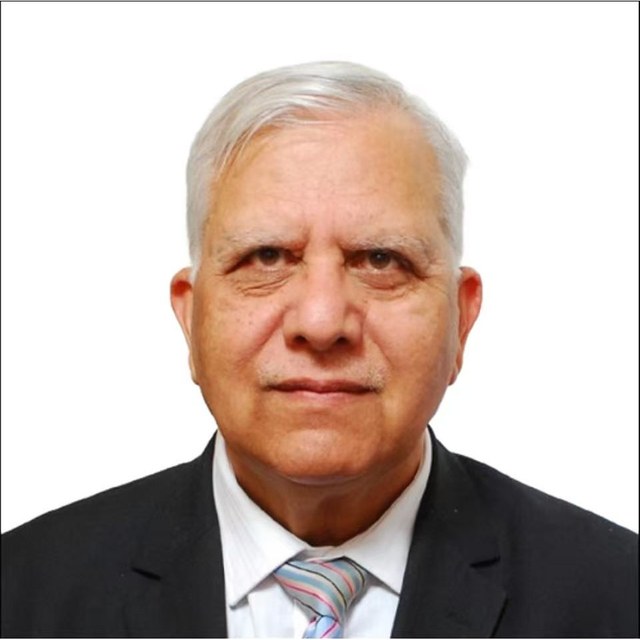
Zamir Ahmed Awan is the founder and Chair of the Global Silk Route Research Alliance, a think tank in Islamabad. He studied engineering at Shanghai University in the 1980s, and years later he went back to China as Pakistan's science counsellor in Beijing, from 2010 until 2016, working on science and higher education cooperation between the two countries.…




Absolutely, it’s fantastic to see recognition like this boosting interest in children’s stories. It really does highlight the importance of supporting young creators.