
Post-Iran War: A New Middle Eastern Balance. 战后伊朗:中东新格局。
Wire desk byline Sourced from Xinhua, Dawn, Arab News, Anadolu and Minute Mirror. Translated and abridged by the GSRRA Desk.

下边有中文翻译,请继续看到底。 谢谢。)
The Iran war may ultimately prove to be a turning point in Middle Eastern geopolitics. Regardless of how the conflict is judged, one conclusion is increasingly difficult to ignore: military power alone cannot permanently reshape the region. Iran remains a major regional actor, and any durable post-war order will have to take its interests and capabilities seriously.
The Strait of Hormuz will be central to this new equation. Iran and Oman are the two coastal states of the strait and have jointly affirmed their commitment to safe passage while emphasizing their sovereignty and sovereign rights over their respective territorial waters. Iran may exercise its sovereignty and charge some kind of service charges against providing services to passing ships. Iran may also access the details of ships and cargo and may control the passage of certain cargo or ships.
This distinction matters. Iran can legitimately seek greater influence over maritime security, monitoring, and safety in waters under its jurisdiction. Oman is already on board; some other GCC states may also accept it soon. Iran is in communication with all stakeholders in the region.
Nevertheless, Iran’s strategic importance has undoubtedly increased. The war has demonstrated that Tehran cannot simply be removed from the regional security equation through military pressure. The wiser post-war strategy would therefore be negotiation rather than perpetual confrontation. Iran has powerful incentives to reopen and stabilize Hormuz: prolonged disruption would damage its own economy, regional trade, and relations with neighboring states.
The same logic applies to Iran’s relations with the Gulf. Saudi Arabia and Iran have already demonstrated that dialogue is possible. Their 2023 Beijing-mediated agreement restored diplomatic relations, and both countries reaffirmed their commitment to that framework in December 2025. A post-war regional settlement could build on this experience. Qatar and the UAE are also in diplomatic channels of communication, and the rest of the GCC states may also join them soon.
Saudi Arabia, Iran, Türkiye, Egypt, Pakistan and the GCC states do not need to become a single bloc. What they need is a regional security architecture based on sovereignty, non-aggression, economic interdependence and dialogue. The recently established Pakistan-Saudi-Türkiye defence agreement could become part of this broader architecture if it remains genuinely defensive. The three countries have described the pact as defensive and open to additional participants; Egypt has already been identified as a possible future participant.
Pakistan has a particularly valuable diplomatic role. Pakistan, with its strong military equipped with a nuclear arsenal, enjoys close ties with all regional countries and enjoys their full trust. Islamabad maintains relationships with Saudi Arabia, Iran, Türkiye, and other Gulf countries, while Pakistan and Qatar were involved in mediation that contributed to the June US-Iran agreement. Saudi Arabia itself welcomed Pakistan’s mediation efforts. Pakistan should therefore avoid becoming an instrument of confrontation and instead position itself as a bridge between competing regional powers.
The ultimate objective should be a Middle East capable of managing its own security. Foreign military forces cannot provide permanent stability if the underlying regional disputes remain unresolved.
Washington should therefore be offered a dignified diplomatic exit rather than being pushed toward another escalation. Israel, Iran, Arab states and external powers all have legitimate security concerns, but none can achieve lasting stability through indefinite war.
The post-war Middle East does not have to become an Iranian sphere of influence, an Israeli security zone or an American military preserve. Its most promising future is a regional balance in which Iran, Saudi Arabia, Türkiye, Egypt, Pakistan and the Gulf states recognize one another’s interests and collectively protect peace, trade and sovereignty. Regional countries have learned a bitter lesson after this ongoing war and are serious about addressing their concerns with each other, without the involvement of any foreign power. Despite spending trillions of dollars, the US failed to provide security to them. There will be no US role in the future security of the Middle East.
The real victory after the war should not belong to one country. It should belong to diplomacy and the collective security of all.
战后伊朗:中东新格局。
伊朗战争最终可能成为中东地缘政治的一个转折点。无论这场冲突如何被评判,一个越来越难以忽视的结论是:仅靠军事力量无法永久改变该地区格局。伊朗仍是区域内的主要行为体,任何持久的战后秩序都必须认真对待伊朗的利益和能力。
霍尔木兹海峡将成为这一新格局的核心。伊朗和阿曼是该海峡的两个沿海国家,双方已共同确认了对安全通行的承诺,同时强调各自对其领海的主权和主权权利。伊朗可以行使主权,对过往船只提供服务收取一定费用。伊朗还可获取船舶和货物的详细信息,并控制部分货物或船只的通行权。
这种区别至关重要。伊朗有权在受其管辖的海域内,合法寻求更大的海上安全、监控与安保影响力。阿曼已经加入其中,其他一些海湾合作委员会成员国也可能很快跟进。伊朗正与该地区的各方利益相关方保持沟通。然而,伊朗的战略重要性无疑有所提升。战争表明,仅靠军事压力无法将德黑兰从地区安全格局中彻底排除。因此,战后更明智的策略应是谈判而非持续对抗。伊朗有充分的动力重新开放并稳定霍尔木兹海峡:长期中断将损害其自身经济、区域贸易以及与邻国的关系。
同样的逻辑也适用于伊朗与海湾国家的关系。沙特阿拉伯和伊朗已证明对话是可能的。2023年通过北京调解达成的协议恢复了外交关系,两国于2025年12月再次重申对这一框架的承诺。战后的地区解决方案可在此基础上建立。卡塔尔和阿联酋已在外交沟通渠道上取得进展,其他海湾合作委员会成员国也可能很快加入。
沙特阿拉伯、伊朗、土耳其、埃及、巴基斯坦以及海湾合作委员会成员国无需形成单一集团。他们所需要的,是一种以主权、不侵犯、经济相互依存和对话为基础的地区安全架构。如果近期达成的巴基斯坦-沙特-土耳其防务协议能够真正体现防御性质,它就可能成为这一更广泛架构的一部分。三国方面已将该协议描述为防御性且欢迎其他参与方加入;埃及已被确认为未来潜在的参与者。
巴基斯坦在外交上具有特殊价值。凭借强大的军队和核武库,巴基斯坦与所有地区国家保持着密切关系,并赢得了他们的充分信任。伊斯兰堡与沙特阿拉伯、伊朗、土耳其及其他海湾国家保持良好关系,而巴基斯坦与卡塔尔曾共同参与调解工作,促成了今年6月美国与伊朗达成的协议。沙特阿拉伯本身也对巴基斯坦的调解努力表示欢迎。因此,巴基斯坦应避免沦为对抗的工具,而应致力于成为区域大国之间沟通的桥梁。
最终目标应是实现中东地区具备自主安全能力。若根本性的地区争端得不到解决,外国军事力量便无法提供持久的稳定。因此,华盛顿应以体面的方式结束外交关系,而非被推向新一轮升级。以色列、伊朗、阿拉伯国家以及外部势力都存在正当的安全关切,但没有任何一方能通过无休止的战争实现持久稳定。
战后的中东地区不必沦为伊朗的势力范围、以色列的安全区或美国的军事据点。其最有望的未来是区域平衡,伊朗、沙特阿拉伯、土耳其、埃及、巴基斯坦和海湾国家能够相互承认彼此利益,并共同维护和平、贸易与主权。在持续不断的战争之后,这些地区国家已深刻体会到教训,他们认真对待彼此之间的关切,且不希望任何外国势力介入。尽管美国投入了数万亿美元,却未能为这些国家提供安全保障。未来中东地区的安全将不再由美国主导。
战后真正的胜利不应属于任何一个国家,而应属于外交努力以及所有国家的集体安全。
(注意: 本文是用AI翻译的,或有误差。请以原版英文为准。谢谢。)
Reference Link:- https://www2.apdnews.cn/en/item/26/0817/axjgzkfffd9a58ab0218ad.html
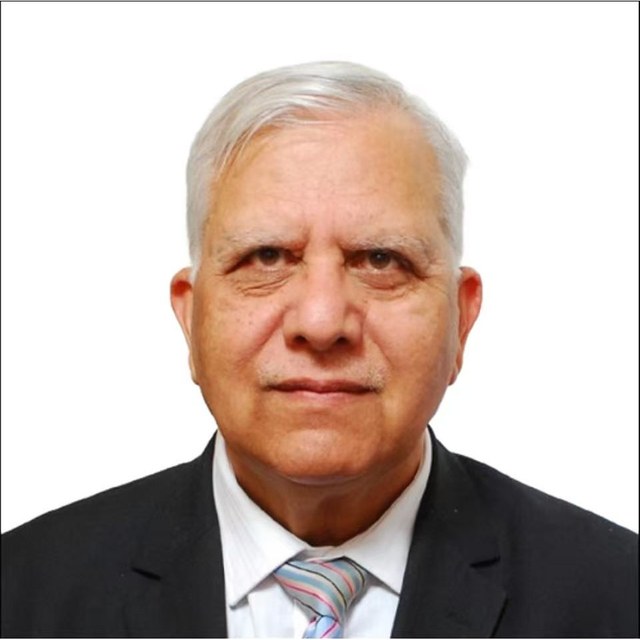
Zamir Ahmed Awan is the founder and Chair of the Global Silk Route Research Alliance, a think tank in Islamabad. He studied engineering at Shanghai University in the 1980s, and years later he went back to China as Pakistan's science counsellor in Beijing, from 2010 until 2016, working on science and higher education cooperation between the two countries.…