Zhu Rongji: The Reformer Who Helped Build the Foundations of Modern China. 朱镕基:奠定现代中国基石的改革家。
Wire desk byline Sourced from Xinhua, Dawn, Arab News, Anadolu and Minute Mirror. Translated and abridged by the GSRRA Desk.

(下边有中文翻译,请继续看到底。 谢谢。)
The death of former Chinese Premier Zhu Rongji on August 12, 2026, at the age of 97 marks the passing of one of the most consequential economic reformers in modern Chinese history. Premier from 1998 to 2003, Zhu governed during a decisive period when China was transforming from a largely state-directed economy into an increasingly market-oriented and globally integrated economic power.
Born in Changsha, Hunan, on October 23, 1928, Zhu graduated from Tsinghua University and joined the Communist Party in 1949. His early career was shaped by engineering, industrial management, and economic administration. After the political upheavals of the Mao era, he was rehabilitated and eventually rose through senior economic positions. His tenure as mayor of Shanghai established his reputation as a tough, technically competent administrator who understood that modernization required institutional as well as physical transformation.
Zhu’s political and economic outlook was closely associated with the reform-and-opening strategy initiated under Deng Xiaoping. While it would be too simplistic to describe him merely as Deng’s “student,” Zhu became one of the senior technocrats most capable of translating the reform vision into concrete economic policy. His approach combined market mechanisms with continued state ownership and strong central coordination.
His greatest challenge came at the national level. When Zhu became premier in 1998, China was confronting inflationary pressures, inefficient state-owned enterprises, weaknesses in the financial system, and major fiscal challenges. He responded with reforms that fundamentally changed the structure of the Chinese economy.
One of his most consequential policies was the restructuring of state-owned enterprises. Loss-making enterprises were closed, merged, or reorganized, while stronger companies were encouraged to become commercially competitive. The reforms were painful, producing enormous layoffs and social disruption, but they helped eliminate many of the inefficiencies associated with the old “iron rice bowl” system and created conditions for a more productive industrial economy.
Zhu also strengthened China’s fiscal system. Tax collection was increasingly centralized, improving the central government’s capacity to finance national development and reducing some of the fiscal fragmentation that had emerged during earlier reforms. At the same time, he pursued financial-sector reforms and measures to strengthen the banking system.
Housing reform was another important milestone. Zhu’s government accelerated the transition from welfare-based housing allocation toward a market-oriented housing system, helping create the foundations of China’s modern property market. Although the later property boom generated serious problems, the reform was an important component of the broader transformation from a planned economy toward a market-based one.
Perhaps Zhu’s most internationally consequential achievement was China’s accession to the World Trade Organization in 2001. The negotiations lasted years and required China to accept significant commitments on tariffs, market access, trade rules and foreign investment. The WTO formally approved China’s accession agreement in November 2001, and China became the organization’s 143rd member on December 11.
Zhu understood that WTO membership would expose Chinese industries to greater competition, but he believed that this pressure would accelerate modernization. His calculation proved historically important. WTO accession helped integrate China more deeply into global supply chains, expand exports and attract foreign investment, contributing to the manufacturing expansion that followed.
His record was not without controversy. Large-scale SOE restructuring imposed severe social costs, while housing and financial reforms created problems that subsequent governments had to manage. Zhu himself also warned about corruption, local government debt and inequality issues that remain relevant to China’s economic debate today.
Nevertheless, Zhu Rongji’s historical importance lies in his willingness to undertake difficult structural reforms rather than postpone them. Like Zhou Enlai, he became widely respected for administrative discipline, personal seriousness and a strong sense of responsibility, although their historical roles were very different.
Zhu’s legacy should therefore be understood not simply through individual policies, but through the direction he helped establish. He strengthened China’s fiscal institutions, restructured industry, modernized economic administration, promoted housing reform and helped bring China into the WTO. These measures did not by themselves create China’s subsequent economic rise, but they provided important foundations upon which later governments built.
Zhu Rongji belonged to a generation of Chinese leaders who understood that national strength required modernization, openness and institutional reform. His greatest contribution may have been his conviction that difficult reforms could not be indefinitely postponed.
His passing closes another chapter in China’s reform era. The China that emerged from the reforms of the 1990s and early 2000s was profoundly different from the China Zhu inherited. His legacy is therefore inseparable from the country’s transformation into a global economic power and from the difficult decisions that made that transformation possible.
朱镕基:奠定现代中国基石的改革家。
前中国国务院总理朱镕基于2026年8月12日逝世,享年97岁。他的离世标志着现代中国历史上一位影响深远的经济改革家的谢幕。朱镕基于1998年至2003年担任国务院总理,正值中国从一个以国家主导为主的经济体,逐步转变为更加市场化、全球化的经济大国的关键时期。
朱镕基于1928年10月23日出生于湖南长沙,毕业于清华大学,并于1949年加入中国共产党。他早年的职业经历主要涉及工程、工业管理和经济行政管理。在经历毛泽东时代的政治风波后,他得到平反,并逐步进入高级经济管理岗位。他担任上海市市长期间,逐渐树立了严谨务实、技术能力突出、执行力强的行政管理者形象。他认识到,现代化不仅需要物质基础设施的建设,也需要制度层面的深刻变革。
朱镕基的政治和经济思想与邓小平时期开始实施的改革开放战略密切相关。虽然简单地将他描述为邓小平的“学生”并不准确,但朱镕基确实是当时最有能力将改革理念转化为具体经济政策的高级技术官僚之一。他的改革思路是在继续保持国家所有制和中央政府强有力协调的基础上,引入和扩大市场机制。
朱镕基面临的最大挑战来自国家层面。1998年出任国务院总理时,中国正面临通货膨胀压力、国有企业效率低下、金融体系存在薄弱环节以及严重的财政挑战。对此,他推动了一系列改革,这些改革从根本上改变了中国经济的结构。
其中最具影响力的政策之一是国有企业改革。对于亏损企业,政府采取关闭、兼并或重组等措施;与此同时,鼓励实力较强的企业提高商业竞争能力。改革过程十分艰难,导致大规模下岗和社会结构调整,但也帮助减少了传统“铁饭碗”体制所产生的诸多低效率问题,为建立更加高效、更具生产力的工业经济创造了条件。
朱镕基还推动了中国财政体系的改革。税收征管逐步集中,加强了中央政府筹集资金和支持国家发展战略的能力,同时减少了早期改革过程中形成的部分财政分散现象。与此同时,他推进金融领域改革,并采取措施加强银行体系。
住房改革也是朱镕基任期内的重要里程碑。他的政府加快了从福利性住房分配向市场化住房制度的转变,为中国现代房地产市场的形成奠定了基础。尽管后来房地产市场的快速发展产生了一系列严重问题,但住房改革仍然是中国从计划经济向市场经济转型的重要组成部分。
朱镕基在国际层面最具历史意义的成就之一,是推动中国于2001年加入世界贸易组织(WTO)。相关谈判历时多年,中国需要在关税、市场准入、贸易规则和外国投资等方面作出重大承诺。世界贸易组织于2001年11月正式批准中国加入协议,中国于12月11日成为世界贸易组织第143个成员。
朱镕基清楚地认识到,加入WTO将使中国企业面临更加激烈的国际竞争,但他认为这种压力能够加速中国经济现代化。从历史结果来看,这一判断具有重要意义。加入WTO使中国更加深入地融入全球供应链,扩大出口并吸引更多外国投资,也推动了随后中国制造业的大规模扩张。
当然,朱镕基的改革并非没有争议。大规模国有企业重组带来了严重的社会成本,而住房和金融改革也产生了一些后续政府必须面对的问题。朱镕基本人也曾警告腐败、地方政府债务和收入不平等等问题,而这些问题至今仍然是中国经济发展讨论的重要议题。
尽管如此,朱镕基的历史重要性在于,他愿意推动艰难的结构性改革,而不是无限期地推迟这些问题。与周恩来一样,他因严谨的行政作风、严肃认真的个人风格以及强烈的责任感而受到广泛尊重,尽管两人的历史角色存在很大差异。
因此,理解朱镕基的历史遗产,不能仅仅着眼于某一项具体政策,更应该关注他所推动的整体改革方向。他强化了中国的财政制度,重组了工业体系,推动经济行政管理现代化,推进住房改革,并帮助中国加入世界贸易组织。这些措施本身并不能完全解释中国后来取得的经济崛起,但它们为后来的政府继续推动经济发展提供了重要基础。
朱镕基属于中国改革开放时期的一代领导人。他们认识到,一个国家要增强综合国力,就必须推进现代化、扩大开放并进行制度改革。他最重要的贡献之一,或许正是他坚信,困难的改革不能被无限期地推迟。
朱镕基的逝世意味着中国改革时代又一个重要篇章的结束。经过20世纪90年代和21世纪初改革而形成的中国,与朱镕基接任总理时所面对的中国已经发生了深刻变化。因此,朱镕基的历史遗产与中国成为全球经济大国的转型过程密不可分,也与推动这一转型所作出的诸多艰难决策密不可分。
(注意: 本文是用AI翻译的,或有误差。请以原版英文为准。谢谢。)
Reference Link:- https://worldtribunepak.com/zhu-rongji-the-reformer-who-helped-build-the-foundations-of-modern-china/
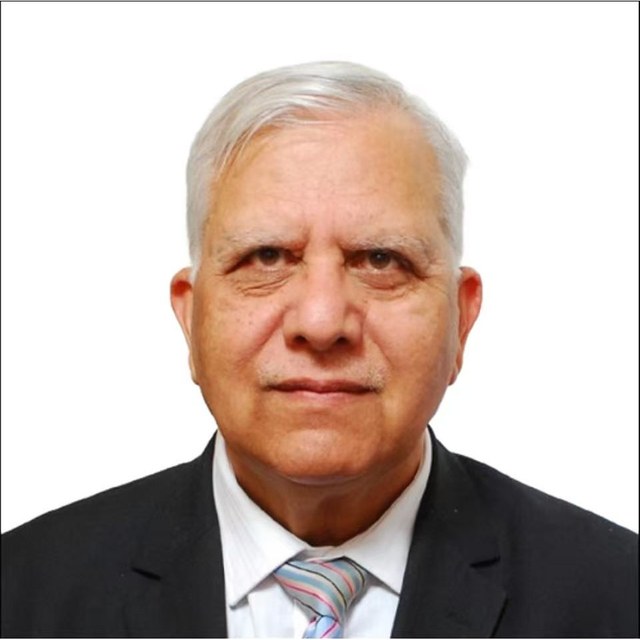
Zamir Ahmed Awan is the founder and Chair of the Global Silk Route Research Alliance, a think tank in Islamabad. He studied engineering at Shanghai University in the 1980s, and years later he went back to China as Pakistan's science counsellor in Beijing, from 2010 until 2016, working on science and higher education cooperation between the two countries.…