
Jiang Zemin: A Legacy of Friendship, Industry and China-Pakistan Cooperation. 江泽民:友谊、工业与中巴合作的历史传承。
Wire desk byline Sourced from Xinhua, Dawn, Arab News, Anadolu and Minute Mirror. Translated and abridged by the GSRRA Desk.

(下边有中文翻译,请继续看到底。 谢谢。)
Some friendships between nations are built through treaties and official visits. Others acquire a deeper character through the personal experiences of the people who build them. The life of Jiang Zemin offers a remarkable example. Long before he became President of the People’s Republic of China, Jiang developed a direct and lasting connection with Pakistan through his work at Taxila. That experience became one of the human links connecting China’s industrial development with Pakistan’s pursuit of economic self-reliance.
Born on August 17, 1926, in Yangzhou, Jiang Zemin belonged to a patriotic intellectual family and was educated as an electrical engineer. His professional career combined engineering, industrial management, economic affairs, and public administration. Before rising to national leadership, he served as mayor of Shanghai and subsequently as secretary of the CPC Shanghai Municipal Committee. Chinese official historical accounts credit him with leading economic-development and urban-construction planning and promoting Shanghai’s transformation into an open, modern and technologically advanced city.
His Shanghai experience was particularly important because it placed him at the intersection of economic reform, industrial modernization, and international engagement. He promoted the development of Pudong as an international and modern urban district, laying important groundwork for the transformation that would later make Pudong one of China’s most prominent economic centers.
But for Pakistan, Jiang’s earlier contribution in Taxila carries an especially personal significance.
In 1976, Jiang, then leading a high-level delegation from China’s First Ministry of Machine-Building Industry, spent almost a month in Pakistan working on the Foundry & Forge Works of the Heavy Mechanical Complex (HMC) in Taxila. Contemporary recollections from Pakistani engineers describe him as being closely involved in major technical and administrative decisions connected with commissioning the facility. The project was designed to strengthen Pakistan’s capacity to manufacture heavy castings and forgings—capabilities essential to a country’s industrial base.
The importance of this contribution should be viewed in its historical context. Pakistan in the 1970s was seeking to strengthen domestic industrial capacity and reduce dependence on imported machinery and equipment. Heavy engineering was therefore not simply another industrial sector; it was a foundation for broader economic development. The HMC subsequently became an important Pakistani engineering institution, producing capital machinery and equipment for sectors including power, cement, chemicals, petroleum, transport and other industries.
What makes Jiang’s Taxila experience particularly memorable is that his relationship with Pakistan was not confined to technical meetings. Pakistani accounts recall that he developed close relationships with engineers, technicians and workers at the complex. Two decades later, when he returned to Pakistan as China’s president in December 1996, he invited former Pakistani colleagues from the Taxila project to meet him at Aiwan-e-Sadr. That gesture demonstrated that, for Jiang, professional cooperation had developed into personal friendship.
This personal dimension matters because international relations are ultimately sustained by people. Projects may create infrastructure, but trust creates continuity. Jiang’s experience in Taxila gave him firsthand knowledge of Pakistan’s engineers, industrial workers and development aspirations. When he later assumed China’s highest leadership positions, Pakistan was therefore not an unfamiliar country viewed only through diplomatic reports. It was a country where he had worked, lived and built friendships.
Jiang’s contribution to China was equally significant. As China’s top leader during the 1990s and early 2000s, he presided over a period of rapid economic transformation, deeper international engagement and institutional development. China joined the World Trade Organization in 2001, while Hong Kong and Macao returned to Chinese sovereignty during his tenure. His leadership helped consolidate the reform and opening-up process and strengthened China’s international economic position.
For Pakistan, Jiang’s legacy therefore extends beyond the individual projects associated with his career. His generation of Chinese leadership helped establish an approach to cooperation in which infrastructure, industrial capacity, technology, and human relationships reinforced one another. The continuing cooperation between HMC and Chinese enterprises illustrates how those industrial links have endured across generations.
Jiang Zemin passed away in Shanghai on November 30, 2022. His legacy deserves to be remembered not only through the history of China’s modernization but also through the personal connections he cultivated with Pakistan.
The Pakistan-China relationship is frequently described as an “iron-clad” or all-weather friendship. Such expressions acquire greater meaning when viewed through the stories of individuals like Jiang Zemin. His journey—from an engineer working in Taxila to the presidency of China—symbolizes a period when technical cooperation evolved into confidence and when economic development became an important pillar of bilateral friendship.
The most enduring lesson of Jiang Zemin’s connection with Pakistan is simple: great international friendships are built not only in capitals, but also in factories, laboratories, construction sites and through relationships among ordinary professionals. His contribution at Taxila was part of that larger story.
As Pakistan and China look toward the future, the best way to honour Jiang Zemin’s legacy is not merely to remember the past, but to continue building on it—through industrial cooperation, technology transfer, education, investment, and people-to-people exchanges. The friendship that began in places such as Taxila can continue to become a source of economic opportunity, technological progress and shared prosperity for generations to come.
江泽民:友谊、工业与中巴合作的历史传承。
国与国之间的一些友谊,是通过条约和官方访问建立起来的;而另一些友谊,则因为缔造这种关系的人们所经历的亲身经历,而逐渐形成更加深厚的内涵。江泽民的一生就是一个非凡的例子。早在成为中华人民共和国主席之前,江泽民就通过在塔克西拉的工作,与巴基斯坦建立了直接而持久的联系。这段经历成为连接中国工业发展与巴基斯坦追求经济自立之间的一条重要纽带。
江泽民于1926年8月17日出生于江苏扬州,来自一个具有爱国情怀的知识分子家庭,接受过电气工程师教育。他的职业生涯涵盖工程技术、工业管理、经济事务和公共行政等多个领域。在走上国家领导岗位之前,他曾担任上海市市长,随后担任中共上海市委书记。中国官方历史资料认为,他领导了上海经济发展和城市建设规划,并推动上海向开放、现代化和科技先进的城市转型。
他的上海工作经历尤为重要,因为这使他处于经济改革、工业现代化和对外开放的交汇点。他推动浦东开发,将其建设成为国际化、现代化的城市新区,为后来浦东的发展奠定了重要基础,并最终使浦东成为中国最具代表性的经济中心之一。
但对于巴基斯坦而言,江泽民早年在塔克西拉的经历具有更加特殊的个人意义。
1976年,当时担任中国第一机械工业部高级代表团团长的江泽民,在巴基斯坦工作了近一个月,参与塔克西拉重型机械综合体(HMC)铸锻厂的建设工作。根据巴基斯坦工程师的回忆,他积极参与了与该设施投产相关的重要技术和行政决策。该项目旨在增强巴基斯坦生产大型铸件和锻件的能力,而这些能力对于一个国家建立完整的工业基础至关重要。
这一贡献的重要性必须放在当时的历史背景下来看。20世纪70年代的巴基斯坦正努力加强国内工业能力,减少对进口机械和设备的依赖。因此,重型工程并不仅仅是一个普通的工业领域,而是更广泛经济发展的重要基础。此后,HMC逐渐成为巴基斯坦重要的工程机构,为电力、水泥、化工、石油、交通运输以及其他行业生产资本设备和机械。
江泽民在塔克西拉的经历之所以令人难忘,还在于他与巴基斯坦的关系并不仅限于技术会议和工作事务。巴基斯坦方面的回忆显示,他与该综合体的工程师、技术人员和工人建立了密切关系。大约20年后,即1996年12月,他以中国国家主席身份访问巴基斯坦,并邀请当年参与塔克西拉项目的巴基斯坦老同事到总统府与他会面。这一举动表明,对于江泽民而言,职业合作已经发展成为真挚的个人友谊。
这一人文层面的联系十分重要,因为国际关系最终是由人来维系的。项目可以建设基础设施,但信任才能创造持续性。江泽民在塔克西拉的经历,使他亲身了解巴基斯坦的工程师、产业工人以及国家发展诉求。因此,当他后来担任中国最高领导职务时,巴基斯坦对他而言并不是一个只能通过外交报告了解的陌生国家,而是一个他曾经工作、生活并建立友谊的国家。
江泽民对中国的发展同样具有重要贡献。20世纪90年代至21世纪初,作为中国最高领导人,他见证并推动了中国快速的经济转型、更加深入的国际参与以及制度建设。2001年,中国加入世界贸易组织;在他的任期内,香港和澳门相继回归祖国。他的领导巩固了改革开放进程,并进一步提升了中国在国际经济体系中的地位。
因此,对于巴基斯坦而言,江泽民的遗产不仅体现在与其职业生涯相关的具体项目上。他所代表的中国领导一代,推动形成了一种合作理念,即基础设施、工业能力、技术和人与人之间的关系相互促进、相互支撑。如今,HMC与中国企业之间持续开展的合作,也说明这些工业联系已经跨越数代人延续下来。
江泽民于2022年11月30日在上海逝世。他的历史贡献不仅应该通过中国现代化发展的历程来铭记,也应该通过他与巴基斯坦建立的个人联系来认识。
巴中关系经常被称为“铁杆友谊”或“全天候友谊”。当我们从江泽民这样的个人经历来看,这些表达便具有了更加深刻的意义。他的人生轨迹——从一名在塔克西拉工作的工程师,到后来成为中国国家主席——象征着一个时代:技术合作逐渐发展成为战略互信,而经济发展也逐渐成为两国友谊的重要支柱。
江泽民与巴基斯坦关系所留下的最持久启示其实很简单:伟大的国际友谊不仅是在国家首都的外交场合中建立的,也是在工厂、实验室、建设工地以及普通专业人士之间的交流与合作中形成的。他在塔克西拉所作出的贡献,正是这一宏大历史故事的一部分。
展望未来,巴基斯坦和中国纪念江泽民遗产的最好方式,并不仅仅是回顾过去,更是继续在过去的基础上前进——加强工业合作、技术转让、教育交流、投资合作以及民间往来。曾经在塔克西拉等地开始的友谊,可以继续发展成为未来几代人共享经济机遇、科技进步和共同繁荣的重要动力。
(注意: 本文是用AI翻译的,或有误差。请以原版英文为准。谢谢。)
Reference Link:- https://thinktank.pk/2026/08/11/jiang-zemin-a-legacy-of-friendship-industry-and-china-pakistan-cooperation/
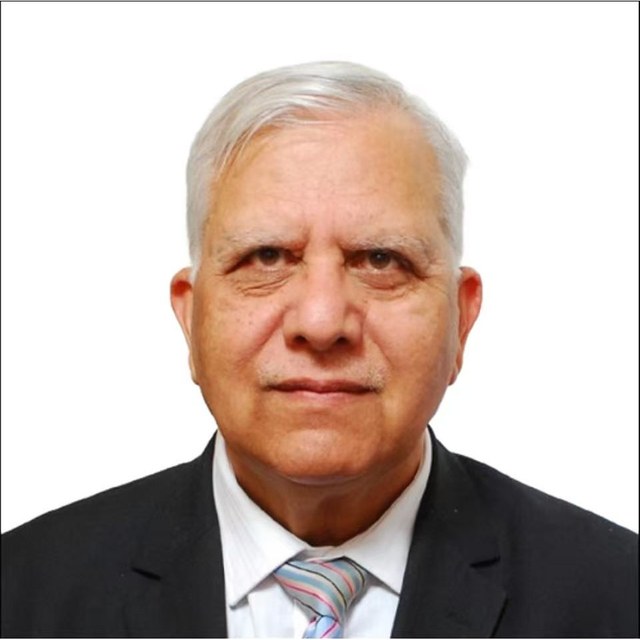
Zamir Ahmed Awan is the founder and Chair of the Global Silk Route Research Alliance, a think tank in Islamabad. He studied engineering at Shanghai University in the 1980s, and years later he went back to China as Pakistan's science counsellor in Beijing, from 2010 until 2016, working on science and higher education cooperation between the two countries.…




Great article informative and useful President Jiang Zemin actually supervised plant work in Taxila Pakistan!
Ourcsalutes tovduchvgreat leaders.
Our deep appreciation for you for digging out such unusual information and facts for the nation.
Kind rgds
Thank you, Sir.