Pakistan’s Strategic Moment: From Regional Stakeholder to Bridge for Peace. 巴基斯坦的战略机遇:从地区利益相关方到和平桥梁。
Wire desk byline Sourced from Xinhua, Dawn, Arab News, Anadolu and Minute Mirror. Translated and abridged by the GSRRA Desk.

(下边有中文翻译,请继续看到底。 谢谢。)

Pakistan occupies a strategically important position at the intersection of South Asia, Central Asia, China, and the Middle East. Its geography alone gives Islamabad an unusual diplomatic and economic significance: it borders Iran and Afghanistan, has direct access to the Arabian Sea, lies close to the Gulf, and connects the wider Eurasian region with the Indian Ocean. With a population of more than 250 million, substantial military capabilities and a nuclear deterrent, Pakistan is not merely a regional stakeholder; it is a country whose strategic choices can influence the wider security environment.
The recent Iran crisis has provided a particularly important demonstration of this diplomatic potential. During the conflict involving Iran, the United States and Israel, Pakistan sought to position itself not as another party to the confrontation but as a channel for de-escalation. Pakistan’s relationship with Washington, its geographical proximity to Iran, and its longstanding ties with the Arab and Muslim world gave Islamabad access that few other states could simultaneously offer.
The signing of the Islamabad Memorandum of Understanding between Iran and the United States in June 2026 was an important milestone. Pakistan subsequently continued to facilitate the process, including technical-level discussions in Switzerland involving the United States, Iran, Pakistan and Qatar. Pakistan’s Foreign Ministry described its role as that of a mediator seeking to advance the understandings reached under the MoU.
This does not mean Pakistan alone can resolve the Iran-U.S. confrontation. Nor should Islamabad claim exclusive credit for diplomacy involving several regional and international actors. The significance lies elsewhere: Pakistan demonstrated that it could communicate with competing sides and create diplomatic space when direct engagement was exceptionally difficult. Pakistan’s Deputy Prime Minister Ishaq Dar said the process helped bring Washington and Tehran together for direct engagement after decades of estrangement. Independent analysis has likewise noted Pakistan’s unusual position as a mediator with interests and relationships on both sides.
Pakistan’s credibility as a potential bridge also derives from its relationships across different geopolitical circles. Its ties with the Muslim world are rooted not only in shared faith but also in history, culture, economic interests and longstanding diplomatic interaction. Pakistan has particularly close relationships with Saudi Arabia, Türkiye, Qatar and other Gulf and Muslim-majority states. Its newly established defence cooperation with Saudi Arabia and Türkiye further demonstrates Islamabad’s growing role in regional security discussions, although Pakistani and Turkish officials have emphasized that the agreement is defensive and not directed against Iran or another specific country.
Pakistan’s relationship with China provides another pillar of its strategic position. In 2026, the two countries marked 75 years of diplomatic relations, with their governments describing the relationship as an all-weather strategic cooperative partnership and a cornerstone of Pakistan’s foreign policy. Cooperation extends across defence, infrastructure, technology, trade, energy and the China-Pakistan Economic Corridor.
At the same time, Pakistan’s longstanding relationship with the United States remains strategically important. Washington and Islamabad have had periods of disagreement, but decades of defence, counterterrorism, economic and diplomatic interaction have created institutional channels that remain valuable. Pakistan’s ability to maintain dialogue with both China and the United States gives it diplomatic flexibility at a time when great-power competition is increasingly shaping international affairs.
Pakistan’s nuclear capability and sizeable armed forces add another dimension to this equation. These capabilities should be viewed primarily through the lens of deterrence and strategic stability. Pakistan’s influence, however, should not be measured by military strength alone. Its greatest diplomatic asset may be its ability to communicate simultaneously with countries that do not always communicate effectively with one another.
That role demands careful diplomacy. Pakistan must avoid becoming a party to regional rivalries or allowing its security partnerships to undermine its credibility as a mediator. Its recently strengthened defense relationships with Saudi Arabia and Türkiye make this balance even more important. Islamabad should reassure Iran that regional security cooperation is defensive while maintaining constructive relations with the Gulf states. At the same time, it should preserve channels with Washington, Beijing, Moscow and European capitals.
Pakistan should therefore define its emerging role not as that of a regional bloc leader, but as a bridge-builder. Its geography, military capability, Muslim-world connections, partnership with China, longstanding relationship with the United States and diplomatic access to competing regional actors provide a rare combination.
The lesson of the Iran crisis is clear: Pakistan’s strategic importance is greatest when it uses its relationships to reduce confrontation rather than deepen it. Islamabad cannot impose peace on the Middle East, but it can help create the diplomatic conditions in which peace becomes possible.
In an increasingly polarized world, that may prove to be Pakistan’s most valuable strategic asset.
巴基斯坦的战略机遇:从地区利益相关方到和平桥梁。
巴基斯坦地处南亚、中亚、中国和中东的交汇地带,具有十分重要的战略地位。仅凭其地理位置,巴基斯坦就具有不同寻常的外交和经济意义:它与伊朗和阿富汗接壤,直接通往阿拉伯海,毗邻海湾地区,同时连接更广阔的欧亚大陆与印度洋地区。巴基斯坦人口超过2.5亿,拥有相当规模的军事力量和核威慑能力。因此,巴基斯坦不仅是一个地区利益攸关方,更是一个能够影响更广泛安全环境的国家。
近期的伊朗危机尤其凸显了巴基斯坦所具有的这种外交潜力。在涉及伊朗、美国和以色列的冲突期间,巴基斯坦试图将自身定位为缓和局势的渠道,而不是对抗的一方。巴基斯坦与华盛顿的关系、与伊朗的地理接近,以及与阿拉伯世界和穆斯林世界长期保持的联系,使伊斯兰堡能够获得其他国家难以同时拥有的外交接触渠道。
2026年6月,伊朗与美国签署《伊斯兰堡谅解备忘录》,成为一个重要里程碑。此后,巴基斯坦继续推动相关进程,包括在瑞士举行由美国、伊朗、巴基斯坦和卡塔尔参与的技术层面讨论。巴基斯坦外交部将其作用描述为调解者,旨在推动落实双方根据该谅解备忘录达成的共识。
这并不意味着巴基斯坦能够单独解决伊朗与美国之间的对抗,也不应认为涉及多个地区和国际行为体的外交努力完全归功于伊斯兰堡。其真正意义在于:巴基斯坦证明了自己能够与相互竞争的各方保持沟通,并在直接接触极其困难的情况下创造外交空间。巴基斯坦副总理兼外长伊沙克·达尔表示,这一进程帮助华盛顿和德黑兰在长期疏远数十年后重新实现直接接触。独立分析同样指出,巴基斯坦具有一种特殊的调解者地位,因为它在冲突双方都拥有利益和关系。
巴基斯坦作为潜在“桥梁”的可信度,也来源于其与不同地缘政治圈层之间的关系。巴基斯坦与穆斯林世界的联系不仅建立在共同信仰基础之上,也源于历史、文化、经济利益以及长期的外交互动。巴基斯坦尤其与沙特阿拉伯、土耳其、卡塔尔以及其他海湾国家和穆斯林人口占多数的国家保持密切关系。其近期与沙特阿拉伯和土耳其建立的防务合作进一步体现了伊斯兰堡在地区安全讨论中的作用。不过,巴基斯坦和土耳其官员均强调,这些协议属于防御性质,并非针对伊朗或其他特定国家。
巴基斯坦与中国的关系则构成其战略地位的另一重要支柱。2026年,中巴两国迎来建交75周年,两国政府将双边关系描述为全天候战略合作伙伴关系,并视其为巴基斯坦外交政策的重要支柱。双方合作涵盖国防、基础设施、科技、贸易、能源以及中巴经济走廊等多个领域。
与此同时,巴基斯坦与美国长期保持的关系仍然具有重要战略意义。尽管华盛顿和伊斯兰堡之间曾经历过分歧,但数十年来在国防、反恐、经济和外交领域的互动建立了制度化沟通渠道,这些渠道至今仍具有重要价值。在中美大国竞争日益影响国际事务的背景下,巴基斯坦能够同时维持与中国和美国的对话,为其提供了外交上的灵活性。
巴基斯坦的核能力和规模庞大的武装力量又增加了其战略地位的另一层维度。这些能力首先应从威慑和战略稳定的角度加以理解。然而,巴基斯坦的影响力不应仅仅以军事力量来衡量。其最大的外交资产或许在于:它能够同时与那些彼此之间并不总能有效沟通的国家保持联系。
发挥这种作用需要谨慎的外交政策。巴基斯坦必须避免成为地区竞争的一方,也必须防止其安全伙伴关系削弱其作为调解者的可信度。随着巴基斯坦与沙特阿拉伯和土耳其的防务关系不断加强,这种平衡显得更加重要。伊斯兰堡应向伊朗保证,其地区安全合作具有防御性质,同时继续与海湾国家保持建设性关系。此外,巴基斯坦还应维护与华盛顿、北京、莫斯科以及欧洲各国首都之间的沟通渠道。
因此,巴基斯坦应将其正在形成的角色定位为“桥梁建设者”,而不是地区集团的领导者。其地理位置、军事能力、与穆斯林世界的联系、与中国的伙伴关系、与美国长期保持的关系,以及与不同地区行为体之间的外交接触渠道,共同构成了一种十分罕见的战略组合。
伊朗危机所带来的启示十分明确:当巴基斯坦利用自身关系来减少对抗,而不是加剧对抗时,其战略重要性才能得到最大程度的体现。伊斯兰堡无法单独为中东强加和平,但它能够帮助创造有利于和平实现的外交条件。
在一个日益两极化和分化的世界中,这或许将成为巴基斯坦最有价值的战略资产。
(注意: 本文是用AI翻译的,或有误差。请以原版英文为准。谢谢。)
Reference Link:- https://www2.apdnews.cn/en/item/26/0810/axjgzfnd55666b5381b64c.html
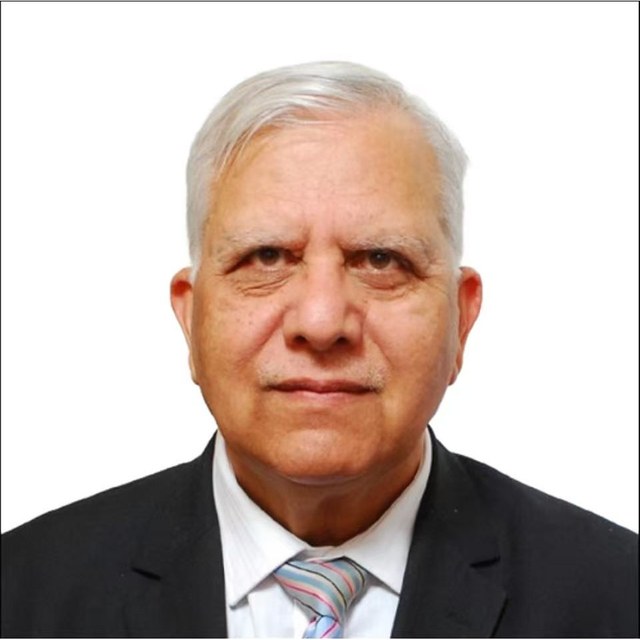
Zamir Ahmed Awan is the founder and Chair of the Global Silk Route Research Alliance, a think tank in Islamabad. He studied engineering at Shanghai University in the 1980s, and years later he went back to China as Pakistan's science counsellor in Beijing, from 2010 until 2016, working on science and higher education cooperation between the two countries.…