

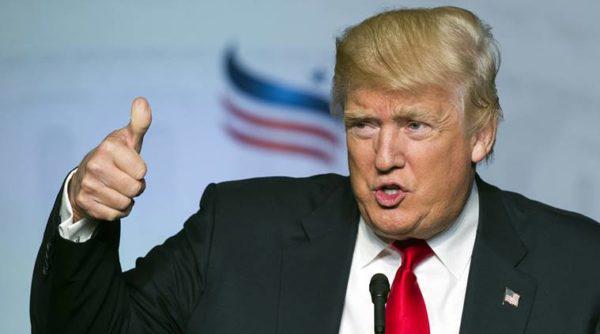

The Trump administration has revoked the visa of Brazil’s Ambassador to the US Maria Luiza Ribeiro Viotti. John McIlwaine/United Nations/Sipa
The Trump administration has revoked the visa of Brazil’s ambassador to the US, escalating a rift between Washington and Brasilia.
The State Department did not declare Amb. Maria Luiza Ribeiro Viotti to be “persona non grata,” and a senior State Department official said the cancellation of her visa “is not the same thing as kicking the person out of the country.”
The official said the visa revocation is a “reciprocal action” to what they described as Brazil’s delay in granting diplomatic approval, known as agrément, to the US pick for ambassador to that country, Daniel Perez. They also noted the revocation “occurs in the context of several other diplomatic disputes that have developed over the last year or so,” including Brazil’s refusal to grant visas to US officials.
The official said Viotti’s visa would be immediately restored if agrément is given to Perez. It is unclear how the revocation will affect her standing as ambassador. Another senior State Department official said that if Viotti leaves the US, she would need to reapply for a visa.
The Brazilian government said Tuesday that it “repudiates the decision announced today by the US Department of State to alter the visa of Brazil’s Ambassador in Washington,” adding that “both justifications offered for the decision are false.”
“Today’s decision is not an isolated incident. It forms part of a deliberate escalation of hostile measures against Brazil, driven by ideological motives that are incompatible with a bilateral partnership that has always been guided by mutual respect,” a statement from the Brazilian presidency said.
The revocation of the visa comes ahead of Brazil’s October elections, which will see current president Luiz Inácio Lula da Silva face Flávio Bolsonaro, the son of former President Jair Bolsonaro. The younger Bolsonaro met with members of the Trump administration, including President Donald Trump, earlier this year.
Lula said last month the Brazilian government refused to grant visas to two State Department officials because of concerns about election meddling. The Brazilian presidency statement on Tuesday echoed the accusations, saying the US officials “had planned to visit the country to cast doubt on the integrity of Brazil’s electoral system.”
The first senior State Department official said Tuesday that the officials were planning a “routine trip.”
“We respect the Brazilian people in whatever government that they choose freely through free and fair elections in Brazil,” they noted.
The official did not rule out further “reciprocal actions” but said, “This particular event is focused on the fact that we have a well-qualified ambassadorial nominee, and we think the government of Brazil owes us a prompt and positive answer to our request for agrément.”
Brazil has “put out signals” that they likely won’t give that approval until after their elections, the official said, which would prevent Perez from taking up his post even if he is confirmed by the US Senate.
The second official claimed they have “communicated continually with the Brazilian government for weeks and have given the Brazilian government every opportunity to do the right thing, yet they have continually delayed and obfuscated.”
“We reject any effort by foreign countries to interfere in our domestic processes,” they said.
Perez’s nomination was sent to the Senate on June 1, and it was voted out of the Senate Foreign Relations Committee in late July. Perez is the speaker of the Florida House of Representatives and an ally of Secretary of State Marco Rubio.
Typically, agrément is sought before a nomination is announced. It is unclear if this happened with Perez’s nomination. The Brazilian government on Tuesday claimed that the US “publicly announced the name of its nominee before formally submitting its request for agrément.”
It noted that there is “no time limit for granting agrément” and said that the US request “remains under review.”
Reference Link:- https://edition.cnn.com/2026/08/04/politics/trump-admin-revokes-visa-brazil-ambassador