

(下边有中文翻译,请继续看到底。谢谢。)
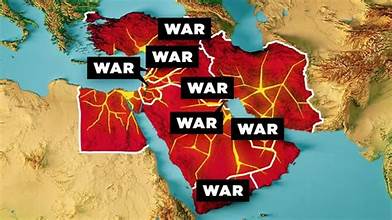
The Israeli-American war against Iran is entering a dangerous phase. What began as a military confrontation is increasingly becoming an energy, economic and geopolitical crisis with consequences far beyond the battlefield. The longer the conflict continues, the greater the losses for Iran, Israel, the United States, the Gulf states and ordinary people across the world.
The most immediate global concern is energy. Disruption around the Strait of Hormuz has threatened one of the world’s most important oil and gas routes. Oil prices have risen sharply, while Gulf economies face serious pressure from reduced exports, disrupted shipping and damaged infrastructure. The World Bank has warned that the conflict has significantly weakened the economic outlook for the region, with GCC growth projections sharply downgraded amid energy and trade disruptions.
The consequences do not end at the petrol station. Oil and gas are essential inputs for electricity generation, transport, petrochemicals, plastics, fertilizers and numerous pharmaceutical products. Higher energy costs therefore spread through the entire global economy, increasing the price of food, transportation, medicine and basic goods. The poorest households suffer first and most severely. A small minority of the extremely wealthy may absorb higher prices, but billions of ordinary people cannot indefinitely do so.
Iran, meanwhile, is paying an enormous human and economic price. Lives have been lost, people injured, infrastructure damaged and economic activity disrupted. Yet history suggests that military destruction alone does not necessarily defeat a nation with deep historical roots, a large population and significant geographical depth. Iran is an ancient civilization that has experienced invasion, political upheaval and prolonged external pressure. Its resilience has been shaped by centuries of adversity.
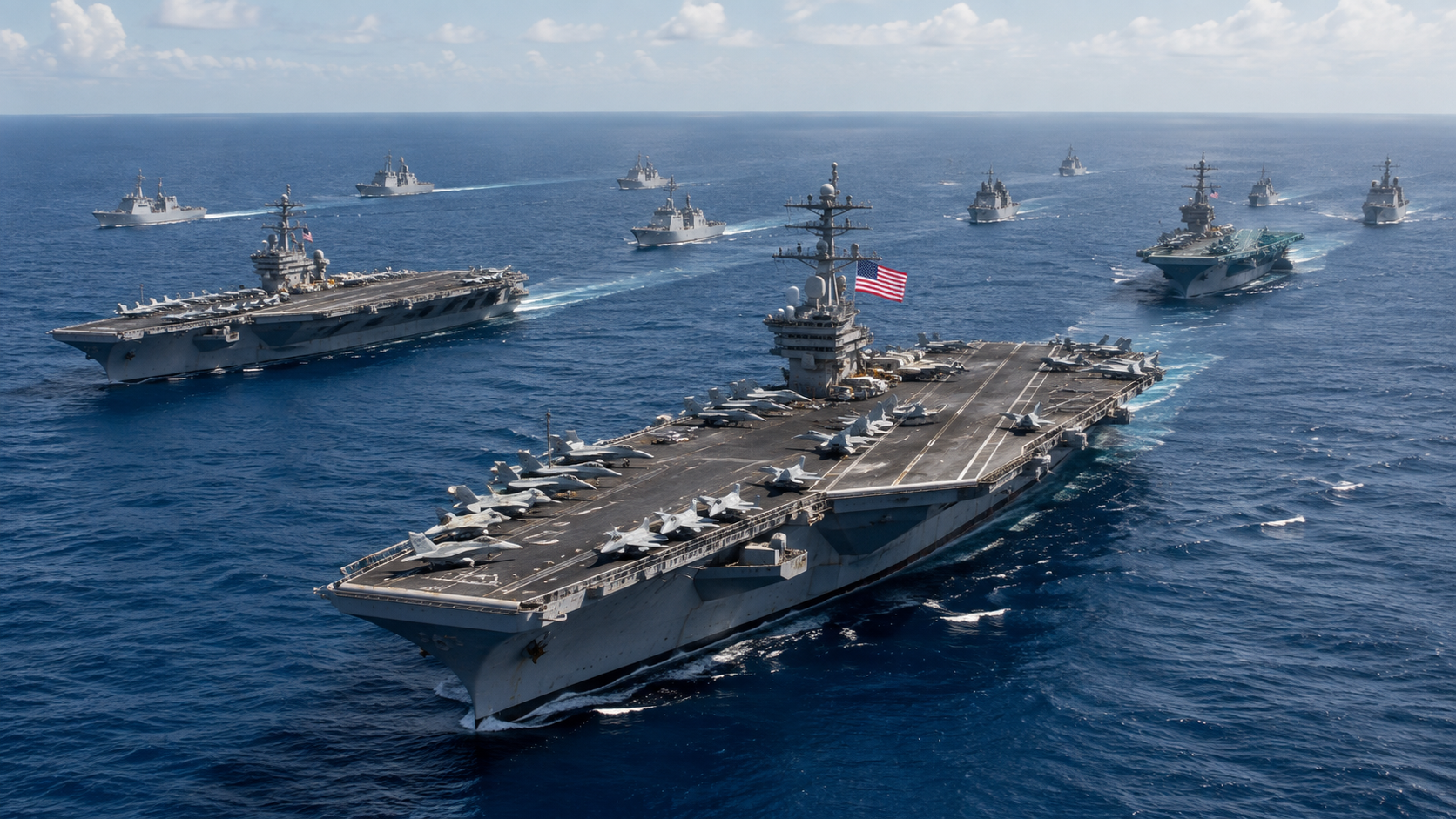
The conflict has also exposed the economic limits of modern warfare. The United States possesses unmatched military capabilities, but advanced warfare is extraordinarily expensive. Analysis by the Center for Strategic and International Studies indicates that the Iran campaign significantly depleted stocks of critical munitions, including Patriot and THAAD interceptors, Tomahawk missiles and other advanced systems. Replenishing some of these weapons could take years.
This does not mean that the United States lacks the capacity to continue fighting. It does, however, demonstrate that even the world’s most powerful military faces finite industrial capacity, financial costs and strategic trade-offs. Iran’s ability to impose costs through relatively cheaper systems, geography and asymmetric capabilities has made the conflict far more expensive than a simple demonstration of military superiority.
The war has also damaged America’s credibility in the region. For decades, the United States maintained extensive military partnerships and bases across the Gulf, presenting itself as the ultimate guarantor of regional security. Yet the current crisis has demonstrated that military alliances cannot guarantee absolute protection from war, missile attacks or economic disruption. Gulf states are increasingly compelled to reconsider whether permanent dependence on American military protection is a sustainable long-term strategy.
The central lesson is that there can be no genuine winner in a prolonged regional war. Iran suffers destruction and casualties. Israel faces insecurity. The United States spends enormous resources and depletes strategic stocks. Gulf economies lose energy revenues and face economic disruption. The global population pays through higher prices and uncertainty.
The most dangerous illusion of modern politics is the belief that military power can permanently solve political problems. It cannot. Bombs can destroy facilities, but they cannot erase history, national identity, or the grievances that produce conflict.
The United States, Iran and all regional actors must therefore return to diplomacy. Oman, Qatar, Türkiye, Pakistan and other states with channels to the parties should intensify mediation. The Strait of Hormuz must be protected from becoming a permanent instrument of economic warfare, and a verifiable ceasefire should be followed by negotiations addressing security, sanctions, nuclear concerns and regional stability.
The world has already endured too many wars in Afghanistan, Iraq, Libya, Syria, Yemen, and elsewhere. Each conflict was justified in the language of security, yet ordinary people repeatedly experienced death, displacement, destruction and economic hardship.
Humanity must finally understand a simple truth: war is not a game played by governments alone. Its costs are paid by families, workers, patients, farmers and future generations.
The Iran war must not become another endless conflict. The longer it continues, the greater the danger that a regional confrontation will become a global economic crisis. There is still time to choose diplomacy over escalation. That opportunity must not be wasted.
伊朗战争正演变为一场全球性的经济与战略危机。
以色列与美国对伊朗的战争正进入危险阶段。这场始于军事对抗的冲突,正逐渐演变为一场能源、经济和地缘政治危机,其影响远超战场本身。冲突持续时间越长,伊朗、以色列、美国、海湾国家以及全球普通民众所遭受的损失就越大。
全球最紧迫的关切是能源问题。霍尔木兹海峡周边的动荡威胁到了全球最重要的石油和天然气运输通道之一。油价急剧上涨,而海湾国家正面临出口减少、航运中断以及基础设施受损带来的严重压力。世界银行警告称,冲突已显著削弱了该地区的经济前景,由于能源和贸易中断,海湾合作委员会(GCC)的增长预期被大幅下调。
影响远不止加油站。石油和天然气是发电、交通运输、石化产品、塑料、化肥以及众多药品生产所必需的原材料。因此,能源成本上升会通过整个全球经济链条扩散,推高食品、交通、医药和基本生活用品的价格。最贫困的家庭最先且最受其害。极少数极其富裕的人或许能承受更高的价格,但数十亿普通民众却无法长期承受。
与此同时,伊朗付出了巨大的人员和经济损失。无数生命被夺走,民众受伤,基础设施遭到破坏,经济活动陷入停滞。然而历史表明,仅靠军事摧毁并不能彻底击败一个拥有深厚历史根基、人口众多且地理纵深的国家。伊朗是一个古老文明,曾历经入侵、政治动荡以及长期的外部压力。其坚韧不拔的生存能力,正是数个世纪以来逆境所塑造的结果。
这场冲突也暴露了现代战争的经济局限性。美国拥有无与伦比的军事能力,但先进的战争手段成本极高。战略与国际研究中心的分析指出,伊朗战役严重消耗了关键弹药储备,包括爱国者导弹、THAAD拦截系统、战斧巡航导弹及其他先进武器系统。其中部分武器的补充可能需要数年时间。
这并不意味着美国缺乏持续作战的能力。然而,它表明,即便是世界上最强大的军队,也面临着有限的工业产能、高昂的财政成本以及战略上的权衡取舍。伊朗通过相对廉价的系统、地理优势和非对称能力来施加代价,使这场冲突的成本远高于单纯的军事优势展示。
战争也损害了美国在该地区的信誉。几十年来,美国在海湾地区维持着广泛的军事合作与基地,自诩为区域安全的最终保障者。然而,当前的危机表明,军事联盟无法确保完全免受战争、导弹袭击或经济动荡的影响。海湾国家越来越被迫重新思考,是否应长期依赖美国的军事保护,这种战略是否可持续。
核心教训是,长期的地区战争中不可能有真正的赢家。伊朗遭受破坏和伤亡,以色列面临不安定局面,美国耗费巨大资源并耗尽战略储备,海湾国家失去能源收入并面临经济动荡,而全球人口则通过更高的物价和不确定性付出代价。
现代政治中最危险的错觉,是认为军事力量能够永久解决政治问题。这种想法并不成立。炸弹可以摧毁设施,却无法抹去历史、民族认同或引发冲突的怨恨。
因此,美国、伊朗以及所有地区相关方必须重回外交途径。阿曼、卡塔尔、土耳其、巴基斯坦及其他与各方有接触渠道的国家应加强调解工作。霍尔木兹海峡必须避免成为经济战的永久工具,随后应达成可验证的停火协议,并开展谈判,解决安全、制裁、核问题及地区稳定等议题。
世界已经在阿富汗、伊拉克、利比亚、叙利亚、也门等地经历了太多战争。每一次冲突都被以安全为名加以正当化,而普通民众却一次次承受着死亡、流离失所、破坏和经济困境。
人类终于必须明白一个简单的真理:战争并非仅由政府独自进行的游戏,其代价由家庭、工人、病人、农民以及子孙后代共同承担。
伊朗战争绝不能演变成又一场无休止的冲突。冲突持续时间越长,地区对抗升级为全球性经济危机的风险就越大。现在仍有时间选择外交手段而非升级局势,这一机会绝不能被浪费。
(注意: 本文是用AI翻译的,或有误差。请以原版英文为准。谢谢。)
Reference Link:- https://strafasia.com/the-iran-war-is-becoming-a-global-economic-and-strategic-crisis-1785341923603
完全同意,能源和地缘政治的连锁反应会影响到世界各地,尤其是在欧洲。
谢谢你的支持与鼓励。