

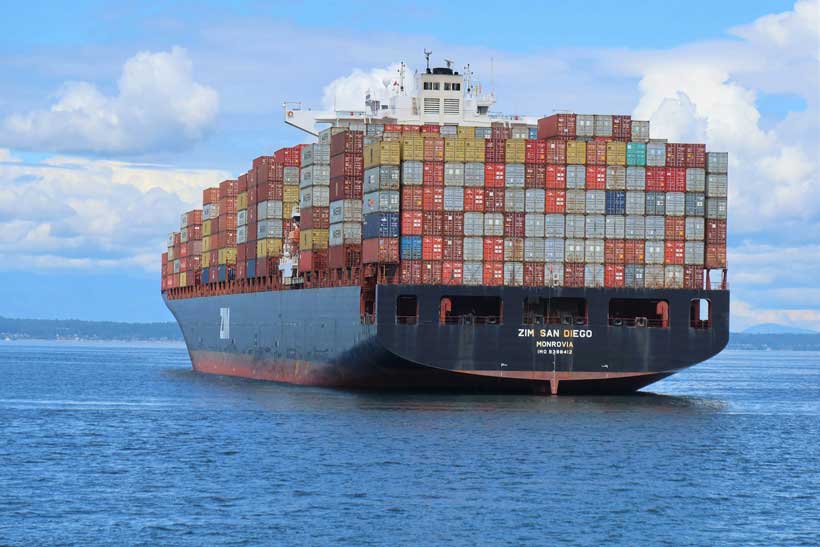
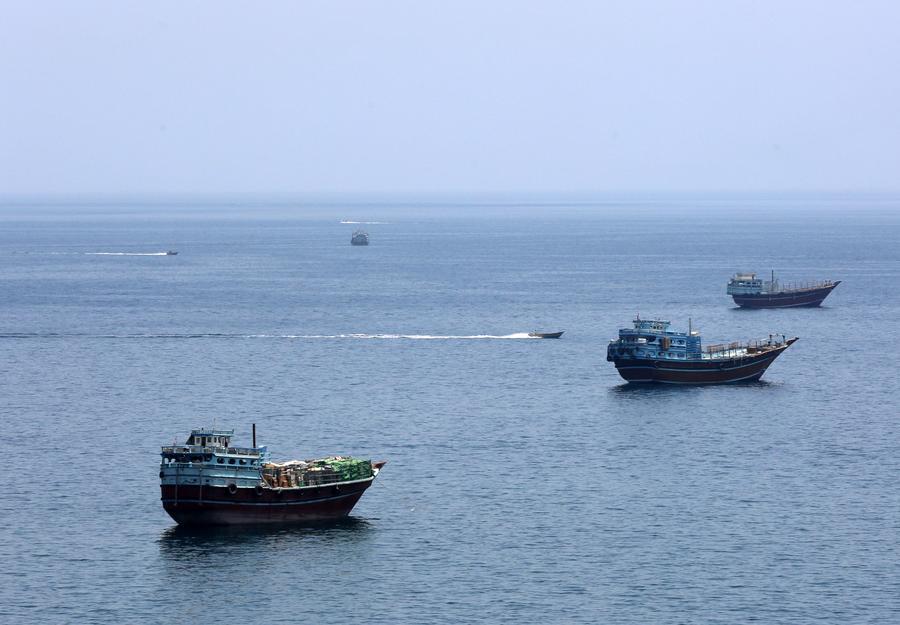
Saudi Arabia announced Thursday the establishment of a multinational maritime defense alliance it said aimed at protecting shipping lanes in the Red Sea, the Bab al-Mandab Strait and the Gulf of Aden.
Analysts point out that the establishment of the multinational maritime defense alliance signals an emerging shift in regional strategic thinking as Middle Eastern countries adapt to an increasingly interconnected security environment, where geopolitical rivalry, maritime trade, and energy security have become closely intertwined.
A DEFENSE FRAMEWORK AMID GROWING SECURITY CHALLENGES
The Saudi announcement came after a high-level meeting in Riyadh hosted by the Saudi Defense Ministry, which was attended by military chiefs and representatives from 43 countries and an EU delegation, the Saudi Press Agency reported.
Fourteen countries issued a joint declaration supporting the alliance, including Saudi Arabia, Kuwait, Bahrain, Qatar, Pakistan, Türkiye, Egypt, Jordan, Yemen, Bangladesh, Nigeria, Sudan, Djibouti and Somalia, it reported.
According to the declaration, the alliance is a defensive framework aimed at enhancing maritime security, safeguarding freedom of navigation, securing international trade routes and energy supply lines.
Participation in operational activities remains a sovereign decision for each member state in accordance with its national laws, the declaration said, noting that Saudi Arabia will serve as the founding and leading state and host the alliance’s permanent headquarters.
The launch of the alliance comes as the Middle East faces one of its most complex maritime security environments in years, particularly for Saudi Arabia.
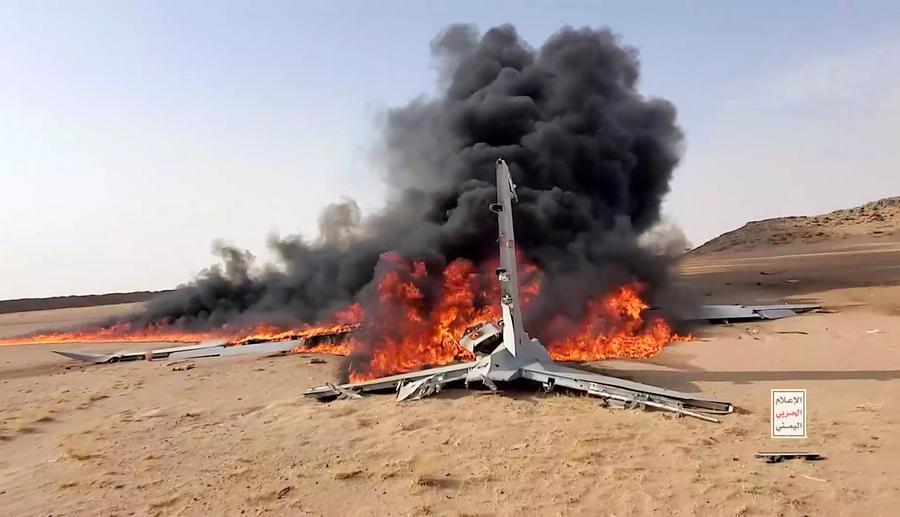
The kingdom has faced growing maritime threats as Yemen’s Houthi group has accused it of involvement in Yemen’s internal conflict, launched repeated attacks against Saudi targets, imposed a ban on Saudi shipping, and claimed responsibility for attacks on Saudi oil tankers in the Red Sea.
SECURITY CALCULUS EVOLVING
The alliance emerged from the convergence of several strategic pressures rather than any single security incident: rising tensions between Washington and Tehran have heightened uncertainty surrounding regional energy corridors; repeated Houthi attacks against commercial shipping have exposed the vulnerability of maritime routes linking the Gulf, the Red Sea, and global markets.
It illustrates a broader evolution in regional security thinking, according to the analysts. Rather than treating the Gulf, the Strait of Hormuz, the Red Sea and the Gulf of Aden as separate strategic arenas, governments increasingly view them as interconnected waterways whose security has become mutually dependent.
Salah Ali Salah, a researcher at the Sanaa Center for Strategic Studies, said the initiative reflects growing convergence among participating countries in protecting international shipping.
However, as regional countries vary in their level of dependence on Red Sea shipping routes, the alliance’s principal challenge is unlikely to be military capability itself, but whether participating countries can forge “sufficient political consensus on the nature of the threat and the most effective way to respond,” Salah argued.
Murad Al-Arefi, a Yemeni political writer and researcher, said that the Strait of Hormuz and the Bab al-Mandab “have become strategic arteries not only for the region but also for the global economy, prompting countries to reassess how they protect critical maritime routes against evolving threats.”
“Today’s maritime challenges differ fundamentally from earlier threats because strategic waterways themselves have increasingly become instruments of geopolitical pressure,” Al-Arefi added.
He believes that the establishment of the alliance also reflects regional countries’ declining confidence in U.S.-Iran negotiations as a means of addressing the root causes of regional instability, prompting them to rely more on collective efforts to tackle shared challenges.

SECURITY AT SEA, SOLUTIONS ON LAND
Taken together, the analysts view the Saudi-led alliance as an important step toward strengthening regional maritime cooperation rather than a definitive solution to the Red Sea crisis.
Muqbil Naji, a Yemeni political analyst based in Aden, said stronger regional cooperation is becoming increasingly important, but cautioned that “military deployments alone cannot deliver lasting stability.”
Security arrangements that address only the symptoms of instability may help reduce immediate risks, he said, but cannot achieve durable peace without tackling the political disputes driving conflict.
Naji stressed that sustainable maritime security should be built through cooperation among the countries bordering the waterway, warning that “excessive internationalization of Red Sea security” could intensify geopolitical competition rather than reduce existing tensions.
The analysts broadly agree that maritime security cannot be separated from developments on land, as the immediate threats to navigation remain closely linked to the conflict in Iran and Yemen, while the broader strategic environment continues to be shaped by wider regional rivalries.
“Maritime arrangements can help contain immediate threats, but they cannot fundamentally change the security landscape if the underlying conflicts remain unresolved,” said Al-Shujaa, a professor of political science at Sanaa University.
Reference Link:- https://english.news.cn/20260801/818b1d1c8af140a78b566587536fa2c6/c.html