

(下边有中文翻译,请继续看到底。 谢谢。)
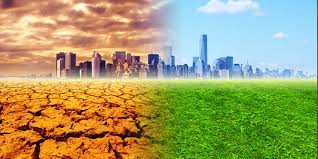
Humankind depends entirely on nature for survival. The Sun provides energy, plants provide food and oxygen, rivers and glaciers provide water, and forests, oceans, and animals sustain ecological balance and human societies. Yet, despite benefiting from this interconnected natural system, humanity is increasingly becoming its own greatest threat. War, pollution, deforestation, uncontrolled industrialisation, excessive consumption, and fossil-fuel dependence are damaging the environment and undermining the foundations of human life. Greed, hatred, and the pursuit of power often take priority over peace and preservation, producing polluted air, contaminated water, climate disasters, displacement, and conflict.
The renewed Iran–United States conflict is no longer confined to military bases, missile sites, or naval positions. As fighting expands, power networks, ports, oil facilities, bridges, hospitals, water systems, and other infrastructure essential to civilian life face increasing danger. Every additional strike raises the possibility that a regional confrontation will become not only a humanitarian and economic catastrophe, but also an environmental one.
The human cost is already devastating. The United Nations and the WHO, reporting on the 2026 escalation has documented thousands of deaths and injuries, mass displacement, attacks on healthcare, and extensive damage to hospitals and other essential infrastructure. Earlier UN assessments recorded more than 1,200 deaths, over 17,000 injuries, and damage to more than 54,000 civilian units during the initial phase of the conflict. WHO has also reported damage to hundreds of healthcare facilities and emergency bases.
But the environment is becoming a largely overlooked casualty of war.
Bombs do not disappear when they explode. They generate smoke, fine particles, toxic chemicals and heavy-metal contamination. Fires at oil depots, refineries, ships and industrial facilities can pollute air, soil and water. UNEP has warned that the current Middle East conflict is already producing hazardous smoke, oil pollution and risks to marine ecosystems, food chains and groundwater. Strikes on desalination plants are particularly dangerous in one of the world’s most water-stressed regions.
This is not an isolated phenomenon. Iraq’s wars left contaminated land, damaged ecosystems and pollution hotspots requiring generations of remediation. The UN has documented the environmental consequences of oil fires, destroyed infrastructure, hazardous munitions and toxic substances. Warfare also releases greenhouse gases through military fuel consumption, fires, destruction and reconstruction. Research has consistently shown that militarisation can increase emissions and divert resources from the clean-energy transition.
The modern history of warfare should therefore make humanity uncomfortable. Afghanistan saw the combat use of the 21,000-pound “Mother of All Bombs”, the largest non-nuclear bomb ever used in combat. Iraq, Libya, Syria and other countries have experienced years of airstrikes, explosives and military operations. The recent European heatwaves and wildfires are a phenomenon of climate change and the impact is very adverse and severe.
A 2026 analysis estimated that the first two weeks of the Iran conflict generated more than five million tonnes of CO₂-equivalent emissions through military operations, destruction, and oil fires. The figure illustrates a broader contradiction: governments speak of a climate emergency while expending enormous quantities of fuel and explosives in wars that destroy the very systems societies need to become resilient.
Europe is already experiencing the consequences of a warming planet. In July 2026, wildfires in France and Spain forced more than 250,000 people from their homes; France experienced record-scale destruction, while Spain reported more than 130,000 hectares burned during the year. Europe’s climate is warming rapidly, and heatwaves, drought, and fire weather are becoming more dangerous.
Man is increasingly becoming the enemy of humankind—not because human beings are inherently destructive, but because political ambition, greed, and militarised competition repeatedly place power above life. We poison rivers, destroy forests, burn oil, flatten cities, and then ask why nature is becoming more hostile.
The answer must be diplomacy. The United States and Iran need an immediate, reciprocal and verifiable ceasefire. Hospitals, water infrastructure, power stations, nuclear facilities, and major environmental assets must be protected. Regional states—including Pakistan, Oman, Qatar, Türkiye, and Egypt—should strengthen mediation channels, while the United Nations and independent scientific bodies should document environmental damage and support future accountability and restoration.
The international community must also reject the endless war. Whether in Iran, Palestine, Lebanon, Sudan, Ukraine, or elsewhere, military escalation creates no durable security. It leaves graves, displacement, pollution, debt, and hatred.
The planet cannot afford another generation of wars fought as if nature were an infinite resource and civilians were acceptable collateral. The most important weapon humanity can deploy now is diplomacy. The Iran–US war, and all wars, must end before the damage becomes irreversible. All peace-loving nations and individuals must raise their voices and end all hostilities immediately. Respect Humanity! Save Human lives!
人类的生存完全依赖于自然。太阳提供能量,植物提供食物和氧气,河流与冰川提供水源,森林、海洋和动物维持着生态平衡以及人类社会的运转。然而,尽管人类从这一相互关联的自然系统中获益,却日益成为其自身最大的威胁。战争、污染、砍伐森林、失控的工业化、过度消费以及对化石燃料的依赖正在破坏环境,动摇人类生活的根基。贪婪、仇恨以及权力的追求常常凌驾于和平与保护之上,导致空气污染、水体污染、气候灾难、人口流离失所和冲突不断发生。
伊朗与美国的冲突已不再局限于军事基地、导弹发射场或海军阵地。随着战事扩大,电力网络、港口、石油设施、桥梁、医院、供水系统以及其他关乎平民生活的基础设施正面临日益加剧的威胁。每一次额外的打击都可能使地区对峙不仅演变为人道主义和经济灾难,还可能引发环境危机。
人道主义代价已令人深感悲痛。联合国和世界卫生组织在报告2026年局势升级时指出,已有数千人死亡和受伤,大量民众被迫流离失所,医疗系统遭受袭击,医院及其他关键基础设施遭到严重破坏。此前联合国评估显示,在冲突初期阶段,超过1200人死亡,逾17000人受伤,54000多个民用设施受损。世卫组织也报告称,数百家医疗机构和应急基地遭到破坏。
但环境正逐渐成为战争中一个被大量忽视的受害者。
炸弹爆炸后不会消失,反而会产生烟雾、细颗粒物、有毒化学物质以及重金属污染。油库、炼油厂、船舶和工业设施的火灾会污染空气、土壤和水源。联合国环境规划署警告称,当前中东冲突已导致有害烟雾、石油污染,并对海洋生态系统、食物链和地下水构成威胁。在世界水资源最紧张的地区之一,袭击海水淡化厂尤其危险。
这并非孤立现象。伊拉克的战争留下了被污染的土地、受损的生态系统以及需要数代人治理的污染热点。联合国已记录了石油火灾、基础设施损毁、危险弹药和有毒物质对环境造成的后果。战争还通过军事燃料消耗、火灾、破坏和重建释放温室气体。研究一再表明,军事化会增加排放,并使资源从清洁能源转型中转移。
因此,现代战争史应当让人类感到不安。阿富汗曾使用过重达21,000磅的“所有炸弹之母”,这是有史以来在实战中使用的最大非核炸弹。伊拉克、利比亚、叙利亚及其他国家也经历了多年的空袭、爆炸和军事行动。近期欧洲的热浪和野火是气候变化带来的现象,其影响极为严重且恶劣。
2026年的一项分析估计,伊朗冲突的���两周通过军事行动、破坏和油火燃烧,产生了超过五百万吨二氧化碳当量的排放。这一数字揭示了一个更广泛的矛盾:各国政府口头上宣称气候紧急状态,却在战争中消耗大量燃料和炸药,而这些战争恰恰摧毁了社会赖以生存以增强韧性的系统。
欧洲正面临全球变暖带来的严重后果。2026年7月,法国和西班牙的山火迫使超过25万人流离失所;法国遭遇了创纪录的破坏,而西班牙全年烧毁面积超过13万公顷。欧洲气候正在迅速升温,热浪、干旱和火灾天气正变得越来越危险。
人类正日益成为人类自身的敌人——并非因为人类天生具有破坏性,而是因为政治野心、贪婪和军事化竞争不断将权力置于生命之上。我们污染河流,毁坏森林,焚烧石油,夷平城市,然后却追问为何自然变得愈发敌对。
答案必须是外交。美国和伊朗需要立即达成互惠且可核查的停火协议。医院、供水设施、发电站、核设施以及重要的环境资产必须得到保护。地区国家——包括巴基斯坦、阿曼、卡塔尔、土耳其和埃及——应加强调解渠道,而联合国和独立的科学机构则应记录环境破坏情况,并支持未来问责与恢复工作。
国际社会也必须拒绝无休止的战争。无论是在伊朗、巴勒斯坦、黎巴嫩、苏丹、乌克兰还是其他地方,军事升级都无法带来持久的安全。它只会留下坟墓、流离失所、污染、债务和仇恨。
地球无法再承受另一轮战争,就像自然资源是无限的、平民是可以接受的牺牲品一样。人类现在所能使用的最重要武器就是外交。伊朗与美国之间的战争,以及所有战争,都必须在造成不可逆损害之前结束。所有热爱和平的国家和人民必须高声呼吁,立即停止一切敌对行动。尊重人类!拯救生命!
(注意: 本文是用AI翻译的,或有误差。请以原版英文为准。谢谢。)
Reference Link:- https://sovereignista.com/2026/07/27/wars-destroy-the-planet-humanity-loses/