

(下边有中文翻译,请继续看到底。 谢谢。)
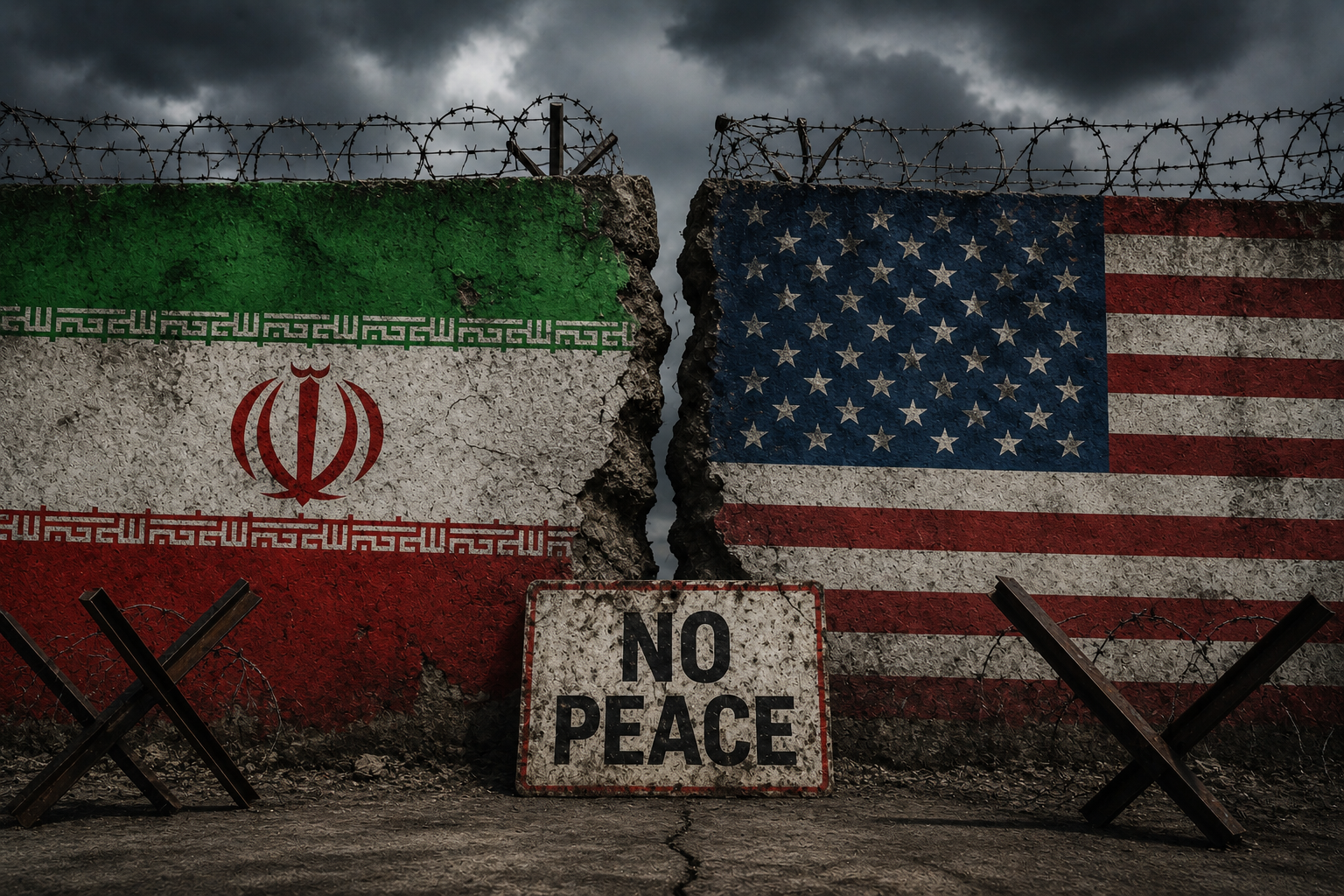
When Iran and the United States signed the Islamabad Memorandum of Understanding in June, people across the Middle East hoped that a destructive war was finally moving toward diplomacy. Pakistan, supported by Qatar, had helped create an opportunity that few believed possible: an agreed framework for ending hostilities, reopening maritime trade, and negotiating a permanent settlement.
The memorandum was not merely a declaration of good intentions. Its first clause called for the immediate and permanent termination of military operations. It required both countries to respect each other’s sovereignty and negotiate a final agreement within 60 days. Washington also undertook to remove its naval blockade, permit Iranian oil exports, release frozen Iranian assets, avoid new sanctions, and refrain from deploying additional forces while negotiations continued.
Yet several subsequent American decisions directly contradicted those written commitments. Washington revoked an oil-export waiver included in the agreement, restored its blockade of Iranian ports, and resumed large-scale attacks. President Donald Trump publicly declared the understanding “over”, while American operations expanded from coastal military positions to bridges, power stations, and targets far beyond the Strait of Hormuz.
These were not minor disagreements over interpretation. Restoring a blockade that the United States had promised to remove, withdrawing an agreed oil waiver, and returning to military force represented substantive departures from the memorandum.
However, intellectual honesty requires acknowledging the full record. An Iranian drone struck a commercial vessel on June 25, and Iran subsequently attacked other ships using a route overseen by the United States. Tehran argued that this alternative route challenged the maritime arrangements recognised in the memorandum, while Washington maintained that the strait must remain freely accessible. Later Iranian attacks also damaged infrastructure in Gulf states, including a desalination facility in Kuwait.
It is therefore difficult to prove that Iran committed no violation whatsoever. What can be established is that the memorandum contained a monitoring mechanism and a requirement for continued negotiations. Washington chose instead to revoke agreed economic measures, restore coercive action and declare the ceasefire finished. Even where Iran’s conduct required investigation, the proper response was mediation and verification—not the unilateral abandonment of the entire framework.
The human consequences are mounting. By July 18, 16 American service members had reportedly died during the wider conflict. Iran said that at least 50 people had been killed and more than 500 injured during the latest period of American strikes, although wartime casualty figures remain difficult to verify independently. Earlier in the conflict, the World Health Organization reported nearly 1,000 deaths and 7,000 injuries across the region and verified 13 attacks on health care in Iran.
Hospitals, patients, medical workers, water systems and electricity networks must never become instruments of pressure. Damage to a power station does not remain confined to one military objective: it can stop hospital equipment, water pumps, sewage treatment, food refrigeration and emergency communications. Attacks on such interconnected systems inevitably transfer the cost of war to civilians.
Nor is this conflict limited to Iran and the United States. The Strait of Hormuz normally carries about one-fifth of globally traded oil and gas. Renewed hostilities pushed Brent crude to approximately $84.73 a barrel in mid-July, while shipping interruptions increased inflationary pressure throughout the world. Asian economies are particularly exposed because they receive most Gulf energy exports passing through the Strait.
The effects extend far beyond petrol prices. Earlier wartime disruption cut off an estimated 17 per cent of global natural-gas supply and more than 30 per cent of nitrogen-fertilizer supply, while trapping almost half of exported Sulphur in the Gulf. Fertilizer shortages threaten harvests and food prices, especially in developing countries. Disruption to petrochemical trade has also driven up the price of plastics and industrial materials used in vehicles, packaging, medical equipment, construction and consumer goods.
The American public itself is increasingly unconvinced. A July Economist/YouGov survey found that 57 per cent of Americans considered the decision to go to war wrong, while 65 per cent wanted Washington to reach an agreement as soon as possible. Another Ipsos survey found that 79 per cent expected American military involvement to continue for an extended period.
These figures suggest that the fear of an open-ended war is not confined to Iran or the Arab world. Americans also understand that their soldiers, taxpayers and household budgets will bear the consequences.
The immediate requirement is a reciprocal ceasefire covering air, missile, drone, naval, and proxy attacks. Pakistan and Qatar should urgently reconvene the implementation committee established under the Islamabad MoU. The United States should suspend the restored blockade and sanctions measures introduced after the agreement, while Iran should guarantee safe passage for commercial shipping and halt attacks affecting neighbouring countries.
A jointly supervised mechanism should investigate alleged violations, and hospitals, nuclear installations, desalination plants, power stations, ports, and other essential civilian facilities should be placed on a formal no-strike list. The United Nations Security Council should endorse the revived process and establish independent monitoring of civilian casualties and infrastructure damage.
Claims that one side can occupy the Strait of Hormuz, seize Iranian islands, or obtain lasting security through unlimited bombing are dangerously unrealistic. Such actions would require a much larger military commitment and could turn an already grave confrontation into a prolonged regional war.
The Islamabad MoU offered a road away from catastrophe. Its collapse was not inevitable. The written framework still exists, as do the mediators, monitoring provisions, and negotiating channels.
Washington and Tehran must return to them before another strike closes the remaining space for diplomacy. Peace-loving governments should not merely express concern. They must jointly demand an immediate ceasefire, restoration of the Islamabad framework, and a negotiated settlement before this war imposes an even heavier price on the entire world.
当伊朗与美国于六月签署《伊斯兰堡谅解备忘录》时,中东各地的人们希望一场毁灭性的战争终于正朝着外交解决的方向迈进。在卡塔尔的支持下,巴基斯坦为创造了一个几乎无人预料的机遇提供了助力:即达成一项协议框架,以结束敌对行动、恢复海上贸易,并就永久性解决方案进行谈判。
该备忘录并非仅仅是一份善意的声明。其第一条要求立即且永久终止军事行动,双方应尊重彼此的主权,并在60天内达成最终协议。华盛顿还承诺将解除海上封锁,允许伊朗石油出口,释放被冻结的伊朗资产,避免实施新的制裁,并在谈判持续期间不部署额外部队。
然而,美国随后的几项决定直接违背了这些书面承诺。华盛顿撤销了协议中包含的石油出口豁免条款,恢复对伊朗港口的封锁,并重新发动大规模攻击。美国总统唐纳德·特朗普公开宣布该协议“已过时”,同时美军行动从沿海军事阵地扩展至桥梁、发电站以及远超霍尔木兹海峡的多个目标地点。
这些并非关于解释的微不足道的分歧。恢复美国承诺取消的封锁、撤回已达成的石油豁免协议以及重新使用军事力量,均代表了对备忘录的重大偏离。
然而,思想上的诚实要求承认全部事实。6月25日,伊朗无人机击中了一艘商船,随后伊朗又通过美国所监管的航线攻击了其他船只。德黑兰方面声称,这一替代航线挑战了备忘录中认可的海上安排,而华盛顿则坚持认为海峡必须保持自由通行。此后伊朗的袭击还损坏了海湾国家的基础设施,包括科威特的一座海水淡化设施。
因此,很难证明伊朗完全没有违反规定。可以确定的是,备忘录中包含了一项监督机制以及要求继续谈判的条款。华盛顿却选择撤销已达成的经济措施,恢复强制行动,并宣布停火协议结束。即便伊朗的行为需要调查,恰当的应对方式应是调解和核查,而非单方面放弃整个框架。
人道主义后果日益严重。据报告,截至7月18日,已有16名美国军人在此次更大规模的冲突中丧生。伊朗方面称,在最近一轮美军空袭期间,至少有50人死亡,超过500人受伤,但战时伤亡数据仍难以独立核实。此前,世界卫生组织报告称,该地区近1000人死亡、7000人受伤,并确认伊朗境内发生13起针对医疗设施的袭击事件。
医院、患者、医护人员、供水系统和电力网络绝不能成为施加压力的工具。对发电站的破坏不仅限于单一军事目标,还可能中断医院设备、水泵、污水处理、食品冷藏以及应急通信。针对这些相互关联系统的攻击,不可避免地将战争成本转嫁给平民。
这场冲突也不仅限于伊朗和美国。霍尔木兹海峡通常承担着全球贸易石油和天然气的约五分之一。7月中旬,由于局势再度升级,布伦特原油价格一度升至每桶约84.73美元,而航运中断加剧了全球通胀压力。亚洲经济体尤其受到冲击,因为大多数海湾地区的能源出口都经由该海峡运输。
影响远不止于汽油价格。此前的战时中断导致全球天然气供应量估计减少17%,氮肥供应量超过30%,同时几乎一半的出口硫磺被困在海湾地区。肥料短缺威胁着农作物收成和食品价格,尤其对发展中国家而言如此。石化贸易的中断还推高了塑料以及用于汽车、包装、医疗器械、建筑和消费品等工业材料的价格。
美国公众自身也日益失去信心。一项由《经济学人》和YouGov联合开展的7月调查显示,57%的美国人认为发动战争是错误的,而65%的人希望华盛顿尽快达成协议。另一项益普索调查发现,79%的人预计美国军事介入将持续较长时间。
这些数据表明,对一场旷日持久战争的恐惧并不仅限于伊朗或阿拉伯世界。美国人也清楚,他们的士兵、纳税人以及家庭预算都将为此付出代价。
当前迫切需要的是实现相互停火,涵盖空袭、导弹袭击、无人机攻击、海上行动以及代理人攻击。巴基斯坦和卡塔尔应立即重新召开根据伊斯兰堡谅解备忘录设立的执行委员会。美国应暂停协议生效后恢复的封锁和制裁措施,伊朗则应确保商业航运安全通行,并停止对邻国的攻击。
联合监督机制应调查涉嫌的违规行为,医院、核设施、海水淡化厂、发电站、港口及其他关键民用设施应被列入正式的禁止袭击名单。联合国安理会应批准重启的进程,并设立独立的监测机制,以核查平民伤亡和基础设施损毁情况。
声称一方能够占领霍尔木兹海峡、夺取伊朗岛屿,或通过无限制轰炸获得持久安全,这种说法危险地不切实际。此类行动将需要更大的军事投入,并可能使本已严峻的对峙演变为一场长期的地区战争。
伊斯兰堡谅解备忘录为避免灾难提供了一条道路。其崩溃并非不可避免。书面框架依然存在,调解机制、监督条款和谈判渠道也仍然有效。
华盛顿和德黑兰必须回到谈判桌前,否则再有打击行动将使外交的最后余地彻底关闭。爱好和平的政府不应仅表达关切,而应共同要求立即停火、恢复伊斯兰堡框架,并通过谈判达成解决方案,以免这场战争给全世界带来更加沉重的代价。
(注意: 本文是用AI翻译的,或有误差。请以原版英文为准。谢谢。)
Reference Link:- https://www2.apdnews.cn/en/item/26/0720/axjfnnmg6fdada2502921f.html