
Palestine’s Never-Ending Suffering: A Test for Humanity and International Justice. 巴勒斯坦的永无止境之苦:对人类与国际正义的一次考验。
Wire desk byline Sourced from Xinhua, Dawn, Arab News, Anadolu and Minute Mirror. Translated and abridged by the GSRRA Desk.
One thousand days have passed since the start of Israel’s war on Gaza, yet the suffering of the Palestinian people continues with no real end in sight. Peace talks, ceasefire announcements, international appeals, humanitarian warnings, and diplomatic efforts have repeatedly failed to protect civilian life. For Palestinians in Gaza, the West Bank, and occupied East Jerusalem, the crisis is not only a political issue; it is a daily struggle for survival, dignity, family, food, shelter, medical care, and basic human rights.
According to figures released by Gaza’s Government Media Office, the human cost after 1,000 days is devastating. It says 73,066 Palestinians have been killed and 173,514 wounded. More than half of those killed were children, women, or elderly people. The same figures state that 262 journalists and 556 aid workers have been killed, while 58,800 children have been orphaned, losing one or both parents. More than 2,700 families have reportedly been erased from Gaza’s civil registry. These numbers are not just statistics; behind each one is a name, a family, a home, and a story cut short.
The collapse of Gaza’s healthcare system has made the catastrophe even worse. Gaza officials report that 1,700 medical workers have been killed, 38 hospitals damaged, destroyed, or put out of service, and 197 ambulances targeted. In a place where bombardment, displacement, hunger, disease, and trauma are widespread, the destruction of hospitals is especially cruel. More than 2.1 million cases of infectious diseases have been recorded, while over 22,000 patients need treatment abroad but remain unable to leave because of restrictions. For many sick and injured Palestinians, survival depends not only on medicine but also on permission to access it.
The physical destruction of Gaza is almost beyond imagination. More than 90 percent of the territory has reportedly been destroyed, with 223,000 tonnes of explosives dropped. Around 410,000 homes and buildings have been destroyed or made uninhabitable. Nearly two million people have been forcibly displaced, while 350,000 families need shelter. This means that Gaza’s population is not simply living through a military conflict; it is living through the systematic destruction of the conditions necessary for normal human life.
The economic losses are equally severe. Direct losses across 15 sectors are estimated at around $80 billion. But the real damage cannot be measured only in money. Schools have been destroyed, universities disrupted, hospitals weakened, markets ruined, farmland damaged, and entire communities uprooted. Even if the bombing stopped today, Gaza would still face years, perhaps decades, of reconstruction, psychological recovery, and social healing.
Despite talk of a ceasefire, Israeli attacks have continued. Over the last 24 hours alone, two Palestinians were killed and 12 were injured in attacks across Gaza, while two bodies were recovered from under the rubble. Since October 11, the first full day of the so-called ceasefire, Israel has killed at least 1,059 Palestinians in Gaza and wounded 3,429, while 788 bodies have been recovered from destroyed buildings. These figures raise a serious question: what is the meaning of a ceasefire if civilians continue to be killed, homes demolished, tents attacked, and families displaced?
Reports from Gaza on Wednesday further show the fragility of this so-called ceasefire. Israeli strikes killed three Palestinians and wounded others across Gaza. An aircraft struck people in the Sheikh Radhwan neighborhood of Gaza City, killing two and injuring several. The Palestinian Red Crescent said it evacuated two wounded civilians after a strike on Omar al-Mukhtar Street, including one person in critical condition. In the south, Israeli vehicles reportedly fired directly at displacement tents and homes in Qizan Rashwan, south of Khan Younis. Such incidents show that Palestinians remain unsafe even in places where they have already been displaced.
Hunger has also returned as a central weapon of suffering. Gaza’s Social Development Ministry says only 25 percent of the population’s food needs are entering the Strip. Deputy Minister Riyad al-Bitar linked the crisis to aid restrictions, economic collapse, and Israeli control over commercial trucks. He said only 120 to 150 aid and commercial trucks are being allowed daily, far below the 600 reportedly agreed under the October ceasefire. When food becomes scarce, children, the elderly, pregnant women, the wounded, and the sick suffer first. Famine is not only a humanitarian failure; it is a moral failure.
The killing has also reached Palestinian sports and culture. The Palestinian Football Association reported that Israeli forces shot Saleem Al-Ashqar, a 32-year-old goalkeeper for Khadamat Khan Younis who had also played for Al-Aqsa and Al-Musaddar clubs. He was recently married and waiting for the birth of his first child. The association says 1,009 Palestinian sports figures have been killed since the beginning of the genocide, including 567 from football, and it has filed a complaint with FIFA seeking Israel’s expulsion. Sport is often described as a symbol of unity and peace, but Palestinian athletes are being denied even the right to live.
The suffering is not limited to Gaza. In occupied East Jerusalem, the Jerusalem Governorate reported that at least 11 Palestinians were killed during the first half of 2026, including eight shot by Israeli forces and three killed by Israeli settlers. It also recorded 866 arrests, 288 demolitions and land-leveling operations, including 66 forced self-demolitions, and 269 settler attacks. The report also said Israeli authorities imposed a near-total closure of Al-Aqsa Mosque from February 28 onward, preventing worshippers from entering amid increased settler incursions. These measures reflect a broader policy of pressure, displacement, and control.
The continued suffering of Palestinians exposes the weakness of the international system. The United Nations Charter, international humanitarian law, human rights conventions, and global moral principles all claim to protect civilians, medical workers, journalists, children, and occupied populations. Yet in Palestine, these protections have repeatedly failed. Statements of concern are not enough. Humanitarian aid is not enough. Temporary pauses are not enough. What is needed is accountability, protection, and a serious international commitment to stop the killing and forced displacement.
The international community must act with urgency and unity. Peace-loving nations, civil society organizations, legal institutions, religious leaders, media professionals, academics, and ordinary individuals all have a role to play. They must demand protection for civilians, unrestricted humanitarian access, medical evacuation for the sick and wounded, accountability for war crimes, and an end to policies of starvation, displacement, and collective punishment. Silence only encourages further brutality.
Palestinian suffering should not be treated as normal. No people should be expected to live under bombardment, hunger, blockade, displacement, and daily fear. No child should grow up without parents, without school, without safety, and without hope. The tragedy of Palestine is a test of humanity’s conscience. If the world cannot protect human life in Gaza and Palestine, then the promises of international law and human rights lose their meaning.
The question before the world is simple: will the international community continue to watch, condemn, and move on, or will it finally act to protect Palestinian lives? History will not only judge those who committed atrocities. It will also judge those who had the power to stop them but chose hesitation over justice.
自以色列对加沙发动战争以来,已经过去了一千天,然而巴勒斯坦人民的苦难仍在继续,看不到真正结束的迹象。和平谈判、停火声明、国际呼吁、人道主义警告以及外交努力,一次又一次未能保护平民生命。对于生活在加沙、约旦河西岸和被占领的东耶路撒冷的巴勒斯坦人来说,这场危机不仅是一个政治问题,更是他们每天为生存、尊严、家庭、食物、住所、医疗和基本人权而进行的艰难挣扎。
根据加沙政府媒体办公室公布的数据,战争持续一千天后造成的人道代价极其惨重。该办公室称,已有73,066名巴勒斯坦人死亡,173,514人受伤。遇难者中超过一半是儿童、妇女或老年人。同一组数据还显示,262名记者和556名援助人员遇难,58,800名儿童成为孤儿,失去父母一方或双亲。据报道,超过2,700个家庭已从加沙民事登记系统中被彻底抹去。这些数字不仅仅是统计数据;每一个数字背后,都是一个名字、一个家庭、一个家园,以及一个被迫中断的故事。
加沙医疗系统的崩溃,使这场灾难进一步恶化。加沙官员报告称,已有1,700名医务人员遇难,38家医院遭到破坏、摧毁或停止服务,197辆救护车遭到袭击。在一个轰炸、流离失所、饥饿、疾病和创伤普遍存在的地方,医院被摧毁尤其残酷。当地已记录超过210万例传染病病例,另有超过22,000名患者需要到境外接受治疗,但由于限制,他们仍无法离开加沙。对于许多患病和受伤的巴勒斯坦人来说,生存不仅取决于药物,也取决于是否被允许获得治疗。
加沙遭受的物理性破坏几乎超出想象。据报道,加沙90%以上的地区已被摧毁,投下的爆炸物达223,000吨。约410,000所房屋和建筑被摧毁或变得无法居住。近200万人被迫流离失所,350,000个家庭需要住所。这意味着,加沙民众并不仅仅是在经历一场军事冲突;他们正在经历维持正常人类生活所必需条件的系统性摧毁。
经济损失同样严重。15个行业的直接损失估计约为800亿美元。但真正的伤害不能只用金钱衡量。学校被摧毁,大学被迫中断,医院遭到削弱,市场被毁,农田受损,整个社区被连根拔起。即使轰炸今天停止,加沙仍将面临多年,甚至数十年的重建、心理恢复和社会修复。
尽管外界不断谈论停火,以色列的袭击仍在继续。仅在过去24小时内,加沙各地的袭击就造成两名巴勒斯坦人死亡、12人受伤,另有两具遗体从废墟中被找到。自10月11日,即所谓停火的第一个完整日以来,以色列已在加沙造成至少1,059名巴勒斯坦人死亡、3,429人受伤,另有788具遗体从被摧毁的建筑中被找回。这些数字提出了一个严肃的问题:如果平民继续被杀害,房屋继续被拆毁,帐篷继续遭到袭击,家庭继续被迫流离失所,那么停火的意义究竟是什么?
加沙星期三传出的报道进一步显示,这一所谓停火是多么脆弱。以色列空袭在加沙多地造成三名巴勒斯坦人死亡,并导致其他人受伤。一架飞机袭击了加沙城谢赫拉德万社区的人群,造成两人死亡、多人受伤。巴勒斯坦红新月会表示,在奥马尔·穆赫塔尔街遭到袭击后,其工作人员转移了两名受伤平民,其中一人伤势危急。在南部,据报道,以色列车辆直接向汗尤尼斯以南齐赞·拉什万地区的流离失所者帐篷和民宅开火。这些事件表明,即使在已经被迫迁徙的地方,巴勒斯坦人仍然无法获得安全。
饥饿也再次成为加剧苦难的核心工具。加沙社会发展部表示,目前进入加沙地带的食品只满足当地人口需求的25%。副部长里亚德·比塔尔将这场危机归因于援助限制、经济崩溃以及以色列对商业卡车的控制。他表示,每天只允许120至150辆援助和商业卡车进入,远低于10月停火协议中据称约定的600辆。当食物变得稀缺时,儿童、老人、孕妇、伤者和病人最先承受痛苦。饥荒不仅是人道主义失败,也是道德失败。
杀戮也波及巴勒斯坦的体育和文化领域。巴勒斯坦足球协会报告称,以色列军队射杀了32岁的守门员萨利姆·阿什卡尔。他曾效力于汗尤尼斯服务队,也曾为阿克萨队和穆萨达尔队踢球。他刚结婚不久,正等待第一个孩子出生。该协会称,自这场种族灭绝开始以来,已有1,009名巴勒斯坦体育界人士遇难,其中包括567名足球相关人员,并已向国际足联提出申诉,要求将以色列逐出相关赛事。体育常被称为团结与和平的象征,但巴勒斯坦运动员却连生存的权利都被剥夺。
Reference Link:- https://www2.apdnews.cn/en/item/26/0706/axjfnjcf75a1f8bc4f2613.html
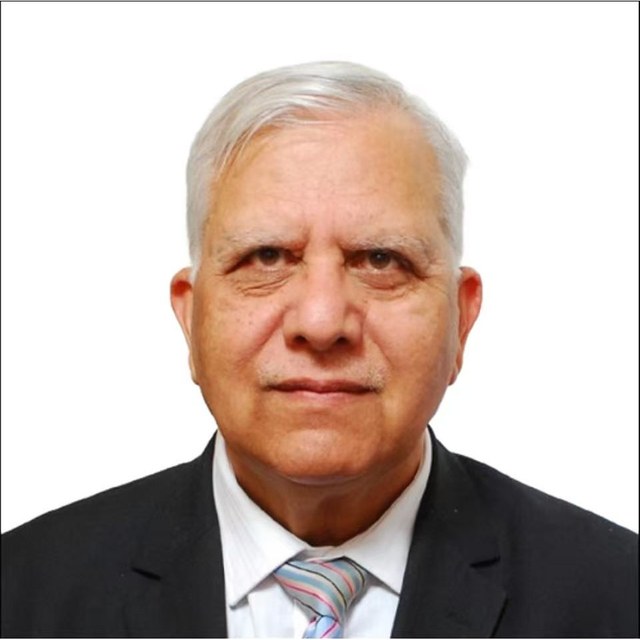
Zamir Ahmed Awan is the founder and Chair of the Global Silk Route Research Alliance, a think tank in Islamabad. He studied engineering at Shanghai University in the 1980s, and years later he went back to China as Pakistan's science counsellor in Beijing, from 2010 until 2016, working on science and higher education cooperation between the two countries.…







It’s heartbreaking to see this ongoing situation. The repeated failures to protect civilians highlight a serious deficiency in international response.
Pity! International Community has failed to save human lives. UN is helpless. It is time to reform UN, strengthen UN, Empower UN, and make UN an enabling entity. Thank you for your feedback. We value your comments.