

(下边有中文翻译,请继续看到底。 谢谢。)
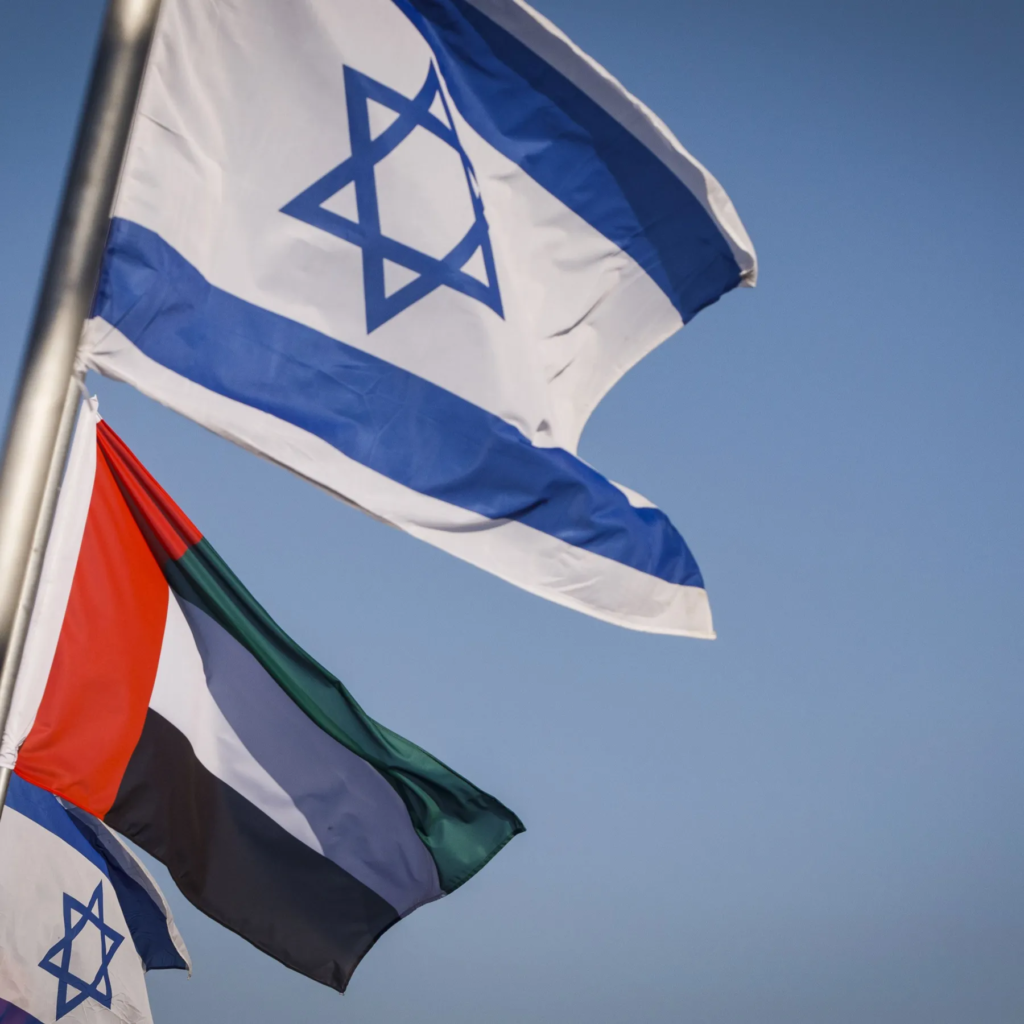
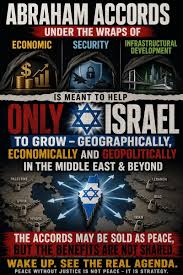
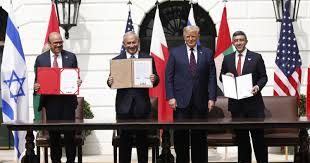
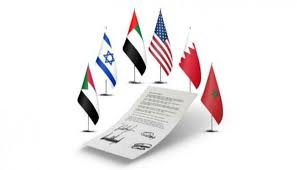
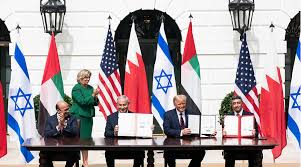
The Abraham Accords are often presented as a historic opening for peace in the Middle East. In simple terms, they are a set of normalization agreements through which Israel established formal relations with several Arab and Muslim-majority states. The first agreements were signed in 2020 between Israel, the United Arab Emirates, and Bahrain. Later, Morocco and Sudan also joined the process, although Sudan’s internal instability has prevented full ratification and implementation.
Supporters describe the Accords as a practical diplomatic breakthrough. They point to trade, tourism, technology, aviation, security cooperation, and investment as proof that old conflicts can be bypassed through modern economic interests. But this optimistic language hides a serious problem: the Abraham Accords did not resolve the Palestinian question. They did not end the occupation. They did not stop settlement expansion. They did not protect Al-Quds. They did not create a sovereign Palestinian state. They normalized relations with Israel while the central wound of the Muslim world remained open.
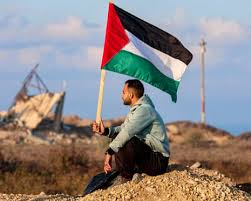
This is why the Accords remain deeply controversial. For many Muslims, Arabs, and supporters of international justice, the issue is not whether countries should live in peace. Peace is always desirable. The real question is whether peace can be built by ignoring the rights of the Palestinians. A peace arrangement that rewards occupation before justice is not real peace; it is diplomatic convenience.
The consequences of joining the Abraham Accords are therefore mixed. On the surface, joining countries may gain access to Israeli technology, agriculture, cybersecurity, defense cooperation, tourism, and American political favour. Some may receive trade benefits, arms deals, investment openings, or diplomatic support from Washington. In narrow national-interest terms, these incentives can look attractive.
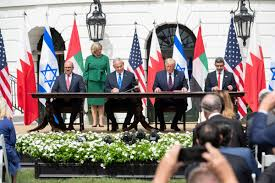
But the deeper consequences are political and moral. A Muslim or Arab state that normalizes relations with Israel without a just settlement of Palestine risks weakening collective pressure on Israel. It may unintentionally tell Israel that occupation carries no serious cost. It may divide the Muslim world between those who prioritize economic benefit and those who insist that Palestinian rights cannot be traded for diplomatic photographs. It may also create domestic tension, because public opinion in much of the Muslim world remains strongly sympathetic to Palestine.
The Organization of Islamic Cooperation (OIC) has consistently supported the Palestinian cause, the two-state solution, the protection of Al-Quds, and the right of Palestinians to self-determination. The OIC’s position is not simply emotional; it is linked to international law, United Nations resolutions, and decades of Islamic solidarity. The OIC has condemned Israeli actions in Gaza and the West Bank, rejected forced displacement, and supported efforts for a ceasefire, humanitarian access, and a credible political process. Therefore, any normalization that bypasses Palestine stands against the spirit of the OIC’s collective position, even if individual member states pursue their own foreign policies.
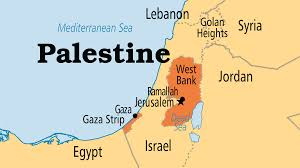
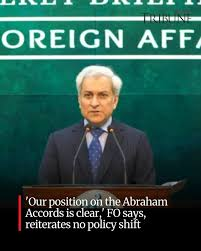
Pakistan’s official stance is clear and principled. Pakistan does not recognize Israel. Its position is that recognition cannot take place unless there is a just settlement of the Palestinian issue, satisfactory to the Palestinian people. Pakistan supports a two-state solution based on the 1948 borders, with Al-Quds Al-Sharif as the capital of an independent, viable, and contiguous Palestinian state. This position is not temporary. It is rooted in Pakistan’s founding vision, its Islamic identity, its constitutional morality, and its long diplomatic support for oppressed people.
Quaid-e-Azam Muhammad Ali Jinnah’s stance on Palestine is central to this policy. Jinnah opposed injustice in Palestine and viewed the issue as one of rights, dignity, and international fairness. Some statements attributed to him are debated in wording, but the substance of his position is not in doubt: Pakistan’s founder did not support abandoning the Palestinian people. He understood that recognition of Israel without justice for Palestine would be a moral surrender. Pakistan’s foreign policy has therefore remained consistent: no recognition of Israel until the Palestinians receive their legitimate rights.
Saudi Arabia’s stance is also important because it carries religious, political, and strategic weight in the Muslim world. Riyadh has not joined the Abraham Accords. Saudi Arabia has repeatedly stated that normalization with Israel requires progress toward a Palestinian state. The Kingdom’s position is shaped by the Arab Peace Initiative, which offered normalization in return for Israeli withdrawal from occupied territories and the establishment of a Palestinian state. After the devastation in Gaza, Saudi Arabia’s room for normalization has narrowed further because public anger across the Muslim world has intensified.
Public opinion is one of the biggest obstacles to expanding the Accords. Governments may calculate through security and economic interests, but societies judge through justice, identity, and memory. Across the Arab and Muslim world, Gaza has transformed the debate. Images of destroyed homes, displaced families, hungry children, dead journalists, and blocked humanitarian aid have made normalization morally harder to defend. For ordinary people, it is difficult to accept business deals and diplomatic smiles while Palestinians continue to suffer.
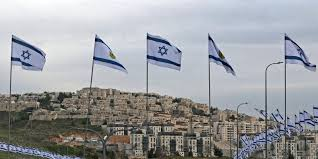
This is the main complexity of the Abraham Accords. They are not simply about Israel and a few Arab governments. They sit at the intersection of Palestine, Iran, American influence, Gulf security, trade corridors, religious symbolism, and domestic legitimacy. Some states view Israel as a useful security partner against Iran. Others want access to Washington’s strategic favour. Some believe economic interdependence can moderate Israel. But the reality on the ground has not supported this argument. Since the Accords, settlement expansion, violence in the West Bank, tensions in Al-Quds, and the destruction of Gaza have continued. Normalization did not produce restraint. It produced access for Israel without accountability.
For Israel, the benefits are obvious. The Abraham Accords break the regional isolation. They help Israel enter Arab markets, gain air routes, attract investment, expand security cooperation, and reshape its image from an occupying power into an accepted regional partner. Every new signatory weakens the old Arab consensus that recognition must follow justice. If Saudi Arabia or Pakistan were ever to recognize Israel without Palestine, it would be an enormous diplomatic victory for Israel. It would signal that the Muslim world’s two most symbolically important poles — the custodian of the holy cities and the world’s only nuclear-armed Muslim state — had accepted Israel despite unresolved occupation.
That is precisely why Pakistan must remain careful. The pressure to normalize may come in polite language: economic opportunity, strategic realism, access to technology, American goodwill, or regional influence. But Pakistan must ask a deeper question: what is the price of abandoning principle? Recognition without Palestine would not merely be a diplomatic shift. It would damage Pakistan’s moral identity, anger its people, weaken its voice on Kashmir, and undermine its long-standing position that oppressed peoples have the right to self-determination.
The harm to the Muslim world would also be serious. First, it would fragment the Ummah. Instead of a united stance on Palestine, Muslim countries would be divided into camps of normalization and resistance. Second, it would reduce diplomatic leverage over Israel. If Israel can gain recognition without ending the occupation, why would it make meaningful concessions? Third, it would weaken the sanctity of Al-Quds in Muslim political consciousness. Fourth, it would create a dangerous precedent: that economic incentives can override international law and human suffering. Fifth, it would deepen public distrust of governments that appear to prioritize foreign pressure over popular sentiment.
The Abraham Accords also risk turning Palestine from a central justice issue into a secondary humanitarian file. This is unacceptable. Palestine is not merely about aid, reconstruction, or temporary ceasefires. It is about land, sovereignty, refugees, holy sites, dignity, and freedom. The question is not whether Palestinians should receive food after bombardment. The question is whether they should live as a free people in their own homeland.
A fair approach does not require permanent war or hatred. Muslims do not oppose peace. Pakistan does not oppose peace. The OIC does not oppose peace. Saudi Arabia does not oppose peace. The real objection is to a false peace that normalizes occupation while postponing justice indefinitely. Genuine peace must be based on clear principles: end the occupation, stop illegal settlements, protect Al-Quds, recognize Palestinian statehood, address refugees according to international law, and ensure equal human dignity for all people.
Criticism of the Abraham Accords should also remain disciplined and principled. The issue is not Judaism. It is not hostility toward Jews. It is not a rejection of coexistence. The issue is Israeli state policy, occupation, settlement expansion, military conduct, and the denial of Palestinian rights. A professional Muslim position must be firm but not hateful, moral but not reckless, and political but not sectarian.
Pakistan’s best course is therefore continuity. It should maintain its official non-recognition policy, support the OIC consensus, strengthen diplomatic advocacy for Palestine, coordinate with Saudi Arabia, Türkiye, Iran, Malaysia, Indonesia, and other Muslim states, and continue pushing for a just two-state settlement. Pakistan should also resist any attempt to link economic relief, investment, or diplomatic favour with recognition of Israel. National dignity cannot be outsourced.
The Abraham Accords may benefit Israel diplomatically, economically, and strategically, but they do not solve the Middle East’s core problem. They offer normalization without liberation, trade without justice, and ceremony without settlement. Such an arrangement may create headlines, but it cannot create lasting peace.

The Muslim world should not reject peace; it should reject surrender disguised as peace. The way forward is not endless conflict, but neither is it empty normalization. The way forward is justice first, then peace. Until Palestine is free, sovereign, and secure, every agreement that bypasses it will remain incomplete. It is urged that UNSC resolutions regarding Palestine must be implemented by Israel, and OIC resolutions must be respected. UN Charter must be respected. Human Rights of Palestinians must be recognized. All atrocities, brutalities, and war crimes against them must be stopped immediately.
亚伯拉罕协议:没有正义的和平无法稳定中东
《亚伯拉罕协议》常被描述为中东和平的一个历史性开端。简单来说,它是一系列关系正常化协议,通过这些协议,以色列与若干阿拉伯和穆斯林占多数的国家建立了正式关系。最早的协议于2020年由以色列、阿拉伯联合酋长国和巴林签署。后来,摩洛哥和苏丹也加入了这一进程,虽然苏丹国内局势不稳,导致相关协议尚未得到全面批准和落实。
支持者认为,《亚伯拉罕协议》是一项务实的外交突破。他们把贸易、旅游、科技、航空、安全合作和投资作为证据,说明旧有冲突可以通过现代经济利益被绕开。然而,这种乐观表述掩盖了一个严重问题:《亚伯拉罕协议》并没有解决巴勒斯坦问题。它没有结束占领,没有阻止定居点扩张,没有保护圣城耶路撒冷,也没有建立一个拥有主权的巴勒斯坦国。它在穆斯林世界最核心的伤口仍然敞开的情况下,实现了与以色列的关系正常化。
这正是该协议一直充满争议的原因。对许多穆斯林、阿拉伯人以及支持国际正义的人来说,问题并不在于国家之间是否应该和平共处。和平永远是值得追求的。真正的问题是,和平能否建立在忽视巴勒斯坦人民权利的基础之上。一个在实现正义之前就奖励占领的和平安排,并不是真正的和平,而只是外交上的便利。
因此,加入《亚伯拉罕协议》的后果是复杂的。从表面看,加入国可能获得以色列在技术、农业、网络安全、防务合作、旅游以及美国政治支持方面的机会。一些国家还可能获得贸易利益、军售协议、投资机会或来自华盛顿的外交支持。从狭义的国家利益角度看,这些诱因似乎具有吸引力。
但更深层的后果是政治和道德层面的。一个穆斯林或阿拉伯国家如果在巴勒斯坦问题没有得到公正解决之前就与以色列实现关系正常化,可能会削弱对以色列的集体压力。它可能无意中向以色列传递一个信号:占领并不会带来严重代价。它也可能使穆斯林世界分裂,一部分国家优先考虑经济利益,另一部分国家则坚持巴勒斯坦人民的权利不能被外交合影所交换。同时,这也可能引发国内紧张,因为穆斯林世界大多数民众仍然强烈同情巴勒斯坦。
伊斯兰合作组织一贯支持巴勒斯坦事业、两国方案、保护圣城耶路撒冷以及巴勒斯坦人民的自决权。伊斯兰合作组织的立场并不只是情感性的,它与国际法、联合国决议以及数十年来的伊斯兰团结密切相关。该组织谴责以色列在加沙和约旦河西岸的行动,反对强迫迁移,并支持实现停火、人道主义准入以及可信的政治进程。因此,任何绕过巴勒斯坦问题的关系正常化,即使是由个别成员国根据自身外交政策推动,也不符合伊斯兰合作组织集体立场的精神。
巴基斯坦的官方立场清晰而有原则。巴基斯坦不承认以色列。巴基斯坦认为,除非巴勒斯坦问题得到令巴勒斯坦人民满意的公正解决,否则不可能承认以色列。巴基斯坦支持以1948年边界为基础的两国方案,支持以圣城耶路撒冷为首都,建立一个独立、可行、领土相连的巴勒斯坦国。这一立场不是临时性的,而是植根于巴基斯坦的建国理念、伊斯兰身份、宪法道德以及长期支持受压迫人民的外交传统。
穆罕默德·阿里·真纳对巴勒斯坦问题的立场,是巴基斯坦政策的核心。真纳反对巴勒斯坦所遭受的不公正,并把这一问题视为权利、尊严和国际公平的问题。虽然一些归于他的具体表述在措辞上存在争议,但其立场的实质毫无疑问:巴基斯坦的缔造者并不支持抛弃巴勒斯坦人民。他明白,在巴勒斯坦没有获得正义之前承认以色列,将是一种道德上的投降。因此,巴基斯坦的外交政策始终保持一致:在巴勒斯坦人民获得合法权利之前,不承认以色列。
沙特阿拉伯的立场同样重要,因为它在穆斯林世界具有宗教、政治和战略分量。利雅得尚未加入《亚伯拉罕协议》。沙特多次表示,与以色列关系正常化需要在建立巴勒斯坦国方面取得进展。沙特的立场受到《阿拉伯和平倡议》的影响,该倡议提出,以色列从被占领土撤出并建立巴勒斯坦国,阿拉伯国家则与以色列实现关系正常化。加沙遭受严重破坏之后,沙特推进正常化的空间进一步缩小,因为整个穆斯林世界的公众愤怒情绪已经加剧。
公众舆论是扩大《亚伯拉罕协议》的最大障碍之一。政府可能会从安全和经济利益角度进行计算,但社会大众往往从正义、身份和历史记忆角度作出判断。在阿拉伯和穆斯林世界,加沙已经改变了这场辩论。被摧毁的房屋、流离失所的家庭、饥饿的儿童、遇难的记者以及受阻的人道主义援助,使得关系正常化在道德上更加难以辩护。对普通民众而言,在巴勒斯坦人继续受苦的同时接受商业交易和外交微笑,是很难做到的。
这就是《亚伯拉罕协议》的主要复杂性。它并不只是以色列与少数阿拉伯政府之间的问题。它处在巴勒斯坦、伊朗、美国影响力、海湾安全、贸易走廊、宗教象征和国内合法性的交汇点。一些国家把以色列视为应对伊朗的有用安全伙伴,另一些国家则希望获得华盛顿的战略支持。有些人认为,经济相互依赖可以促使以色列变得温和。但地面现实并没有支持这一观点。自协议签署以来,定居点扩张、约旦河西岸暴力、圣城耶路撒冷紧张局势以及加沙的毁灭仍在继续。关系正常化并没有带来克制,反而让以色列获得了准入,却没有承担相应责任。
对以色列而言,其利益显而易见。《亚伯拉罕协议》打破了以色列在地区内的孤立状态,帮助其进入阿拉伯市场,获得航空线路,吸引投资,扩大安全合作,并将自身形象从占领力量重塑为一个被接受的地区伙伴。每增加一个签署国,都在削弱原有的阿拉伯共识,即承认以色列必须发生在正义实现之后。如果沙特阿拉伯或巴基斯坦在巴勒斯坦问题没有解决的情况下承认以色列,那将是以色列巨大的外交胜利。这将意味着穆斯林世界两个最具象征意义的支柱——圣地守护者和世界上唯一拥有核能力的穆斯林国家——在占领问题尚未解决的情况下接受了以色列。
这正是巴基斯坦必须保持谨慎的原因。推动关系正常化的压力可能会以礼貌的语言出现:经济机会、战略现实主义、技术准入、美国善意或地区影响力。但巴基斯坦必须提出一个更深层的问题:放弃原则的代价是什么?在巴勒斯坦问题没有解决之前承认以色列,不仅仅是一次外交转向。它将损害巴基斯坦的道德身份,激怒本国人民,削弱巴基斯坦在克什米尔问题上的声音,并破坏其长期坚持的立场,即受压迫人民拥有自决权。
对穆斯林世界的损害也将十分严重。第一,它会分裂乌玛。穆斯林国家不再在巴勒斯坦问题上保持统一立场,而会被划分为正常化阵营和抵抗阵营。第二,它会削弱对以色列的外交杠杆。如果以色列可以在不结束占领的情况下获得承认,它为什么还要作出有意义的让步?第三,它会削弱圣城耶路撒冷在穆斯林政治意识中的神圣地位。第四,它会制造一个危险先例,即经济诱因可以凌驾于国际法和人类苦难之上。第五,它会加深公众对政府的不信任,因为这些政府似乎把外部压力置于民意之上。
《亚伯拉罕协议》还可能把巴勒斯坦从一个核心正义问题,变成一个次要的人道主义问题。这是不可接受的。巴勒斯坦问题并不仅仅是援助、重建或临时停火问题。它涉及土地、主权、难民、圣地、尊严和自由。问题不是巴勒斯坦人在遭受轰炸后是否应该得到食物,而是他们是否应该作为自由的人民生活在自己的家园。
一种公平的处理方式并不要求永久战争或仇恨。穆斯林并不反对和平。巴基斯坦并不反对和平。伊斯兰合作组织并不反对和平。沙特阿拉伯也并不反对和平。真正反对的是一种虚假的和平,即在无限期推迟正义的同时使占领正常化。真正的和平必须建立在明确原则之上:结束占领,停止非法定居点建设,保护圣城耶路撒冷,承认巴勒斯坦国家地位,根据国际法处理难民问题,并确保所有人的平等人类尊严。
对《亚伯拉罕协议》的批评也应当保持克制和原则性。问题不是犹太教,不是对犹太人的敌视,也不是拒绝共存。问题在于以色列国家政策、占领、定居点扩张、军事行为以及对巴勒斯坦权利的否认。一个专业的穆斯林立场必须坚定而不仇恨,有道德原则而不鲁莽,具有政治性但不带有宗派色彩。
因此,巴基斯坦最好的路线是保持政策连续性。它应当维持官方的不承认政策,支持伊斯兰合作组织的共识,加强对巴勒斯坦的外交倡导,与沙特阿拉伯、土耳其、伊朗、马来西亚、印度尼西亚以及其他穆斯林国家协调,并继续推动公正的两国解决方案。巴基斯坦也应抵制任何试图将经济救济、投资或外交好处与承认以色列挂钩的做法。国家尊严不能外包。
《亚伯拉罕协议》或许能在外交、经济和战略层面给以色列带来利益,但它并没有解决中东最核心的问题。它提供的是没有解放的正常化、没有正义的贸易、没有解决方案的仪式。这样的安排或许可以制造新闻标题,却无法创造持久和平。
穆斯林世界不应拒绝和平;它应拒绝披着和平外衣的投降。前进的道路不是无休止的冲突,但也不是空洞的正常化。前进的道路应是先有正义,再有和平。只要巴勒斯坦尚未自由、主权独立并获得安全,任何绕过巴勒斯坦的协议都仍将是不完整的。以色列必须执行联合国安理会关于巴勒斯坦问题的决议,伊斯兰合作组织的决议也必须得到尊重。联合国宪章必须得到尊重。巴勒斯坦人民的人权必须得到承认。针对他们的一切暴行、残酷行为和战争罪行都必须立即停止。
(注意: 本文是用AI翻译的,或有误差。请以原版英文为准。谢谢。)
Reference Link:- https://thinktank.pk/2026/06/04/abraham-accords-peace-without-justice-cannot-stabilize-the-middle-east/