
Pakistan’s Ceasefire Diplomacy Deserves Recognition. 巴基斯坦的停火外交值得认可.

(下边有中文翻译请继续看到底。 谢谢。)

In moments of war, the real measure of a state is not how loudly it speaks, but how effectively it acts to save lives. Pakistan’s role in helping secure the recent ceasefire between the United States and Iran, amid a wider regional war involving Israel, deserves recognition precisely for that reason. This was not diplomacy for spectacle. It was diplomacy to stop more graves from being dug, more cities from going dark, more oil routes from being choked, and more civilians from paying the price for decisions made far above their heads. Multiple current reports credit Pakistan with brokering or facilitating the two-week U.S.-Iran ceasefire, while also noting that some fronts remained fragile and that the ceasefire’s exact scope was contested.
Pakistan’s interest in pursuing de-escalation was deeply human, and only secondarily strategic. As the conflict intensified, casualties mounted, and civilian infrastructure was damaged across the region. Energy installations, petrochemical facilities, and vital shipping routes became targets or bargaining chips. The humanitarian cost was obvious, but so was the economic one: war in and around the Gulf threatened fuel supplies, trade flows, and daily livelihoods far beyond the battlefield. By helping arrest the momentum toward wider destruction, Pakistan was not merely protecting its own interests; it was acting in line with a broader principle that civilian life must matter more than military escalation. Reuters, the United Nations and other coverage all emphasize that the ceasefire was pursued against the background of thousands of deaths, disrupted maritime traffic, and mounting concern for civilian protection.

There is nothing naive about acknowledging that Pakistan also had national interests at stake. States always do. Pakistan relies heavily on energy imports moving through the Strait of Hormuz, and prolonged disruption would have hit an already strained economy. It also faced the danger of being pulled into an expanding regional war because of its relations with Iran, the Gulf monarchies, and Washington. But realism does not negate principle. On the contrary, the more notable point is that Pakistan translated its strategic exposure into peace-making rather than opportunism. Instead of exploiting the crisis, Islamabad used its access to all sides to lower the temperature. That is what responsible middle-power diplomacy looks like. Reuters, France 24, Bloomberg, and other analyses all converge on this point: Pakistan had compelling reasons to push for calm, but it chose mediation rather than alignment with war.
The diplomatic mechanics matter here. This ceasefire did not emerge from a ceremonial summit or a theatrical conference hall moment. Reporting from Reuters, The Guardian, and TRT-linked accounts indicates that Pakistan’s military and civilian leadership worked through backchannels, urgent phone calls, and high-pressure exchanges with officials in Washington, Tehran, Riyadh, and elsewhere. Reuters reports that Pakistan maintained direct contact with senior U.S. and Iranian figures, kept working the lines when the talks were near collapse, and helped secure assurances necessary to bring Tehran to the table. The Guardian described it as Pakistan’s biggest diplomatic win in years. Even Reuters’ report on Turkey’s role still states plainly that the truce itself was brokered by Pakistan.
That is why the lazy cliché of Pakistan as merely a security state looks especially outdated today. What this episode showed is that Pakistan can also act as a diplomatic hinge: a country with enough credibility in Tehran, enough working ties in Washington, enough institutional relevance in the Gulf, and enough urgency of purpose to keep talking when others were drifting toward disaster. Al Jazeera reported that talks to finalise the peace deal were set for Islamabad, while Reuters noted that U.N. envoy Jean Arnault was expected to visit Pakistan because it was viewed as a key mediator. In diplomatic language, that is not incidental status. It is recognition of utility.

The strongest case for Pakistan’s positive role, however, lies in what the world said afterward. According to Al Jazeera, U.N. Secretary-General António Guterres welcomed the ceasefire, stressed the urgent need to protect civilian lives and alleviate human suffering, and expressed appreciation for Pakistan and other countries involved in facilitating the truce. The same Al Jazeera roundup reported that German Chancellor Friedrich Merz thanked Pakistan for its mediation role. Reuters also quoted the U.N. saying Pakistan had facilitated the ceasefire and was central enough to the process to be included in the envoy’s regional tour. These are not decorative diplomatic pleasantries; they are acknowledgments that Pakistan materially contributed to a pause in a dangerous war.
Other governments were similarly explicit. Reporting compiled after the ceasefire noted that Kazakhstan’s president welcomed the truce and directly attributed it to mediation by Prime Minister Shehbaz Sharif and Field Marshal Asim Munir. Portugal publicly thanked Pakistan for its mediation. Turkey’s foreign ministry congratulated what it called “brotherly Pakistan” for its role and pledged support for negotiations in Islamabad. Ukraine’s foreign minister welcomed Pakistan’s mediation efforts, while the Organisation of Islamic Cooperation commended the efforts, particularly those of Prime Minister Shehbaz, in reaching the agreement. Even commentary from India, a country not predisposed to hand Islamabad diplomatic compliments, described the truce positively and expressed hope that it could open the way to broader peace.

The international media response was, if anything, even more striking. Reuters cast Pakistan as the actor that kept the talks alive when “the talks were almost dead.” The Guardian called the outcome Pakistan’s “biggest diplomatic win in years.” Al Jazeera described Pakistan as the country that managed the backchannel talks, producing the temporary truce. In the material you provided, additional media assessments point in the same direction: The Independent said the ceasefire optics were significant for Pakistan on the world stage; Bloomberg argued Pakistan deserved substantial credit and had repositioned itself as a credible intermediary; France 24 noted that neutrality made both economic and political sense; Gulf News highlighted Pakistan’s unique position because it can communicate with both Washington and Tehran; and The Diplomat argued the episode brought Pakistan from the margins to the center of international diplomacy.
In moments of war, the real measure of a state is not how loudly it speaks, but how effectively it acts to save lives. Pakistan’s role in helping secure the recent ceasefire between the United States and Iran, amid a wider regional war involving Israel, deserves recognition precisely for that reason. This was not diplomacy for spectacle. It was diplomacy to stop more graves from being dug, more cities from going dark, more oil routes from being choked, and more civilians from paying the price for decisions made far above their heads. Multiple current reports credit Pakistan with brokering or facilitating the two-week U.S.-Iran ceasefire, while also noting that some fronts remained fragile and that the ceasefire’s exact scope was contested.

Pakistan’s interest in pursuing de-escalation was deeply human, and only secondarily strategic. As the conflict intensified, casualties mounted and civilian infrastructure was damaged across the region. Energy installations, petrochemical facilities, and vital shipping routes became targets or bargaining chips. The humanitarian cost was obvious, but so was the economic one: war in and around the Gulf threatened fuel supplies, trade flows, and daily livelihoods far beyond the battlefield. By helping arrest the momentum toward wider destruction, Pakistan was not merely protecting its own interests; it was acting in line with a broader principle that civilian life must matter more than military escalation. Reuters, the United Nations, and other coverage all emphasize that the ceasefire was pursued against the background of thousands of deaths, disrupted maritime traffic, and mounting concern for civilian protection.

There is nothing naive about acknowledging that Pakistan also had national interests at stake. States always do. Pakistan relies heavily on energy imports moving through the Strait of Hormuz, and prolonged disruption would have hit an already strained economy. It also faced the danger of being pulled into an expanding regional war because of its relations with Iran, the Gulf monarchies and Washington. But realism does not negate principle. On the contrary, the more notable point is that Pakistan translated its strategic exposure into peace-making rather than opportunism. Instead of exploiting the crisis, Islamabad used its access to all sides to lower the temperature. That is what responsible middle-power diplomacy looks like. Reuters, France 24, Bloomberg, and other analyses all converge on this point: Pakistan had compelling reasons to push for calm, but it chose mediation rather than alignment with war.

The diplomatic mechanics matter here. This ceasefire did not emerge from a ceremonial summit or a theatrical conference hall moment. Reporting from Reuters, The Guardian and TRT-linked accounts indicates that Pakistan’s military and civilian leadership worked through backchannels, urgent phone calls and high-pressure exchanges with officials in Washington, Tehran, Riyadh and elsewhere. Reuters reports that Pakistan maintained direct contact with senior U.S. and Iranian figures, kept working the lines when the talks were near collapse, and helped secure assurances necessary to bring Tehran to the table. The Guardian described it as Pakistan’s biggest diplomatic win in years. Even Reuters’ report on Turkey’s role still states plainly that the truce itself was brokered by Pakistan.

That is why the lazy cliché of Pakistan as merely a security state looks especially outdated today. What this episode showed is that Pakistan can also act as a diplomatic hinge: a country with enough credibility in Tehran, enough working ties in Washington, enough institutional relevance in the Gulf, and enough urgency of purpose to keep talking when others were drifting toward disaster. Al Jazeera reported that talks to finalise the peace deal were set for Islamabad, while Reuters noted that U.N. envoy Jean Arnault was expected to visit Pakistan because it was viewed as a key mediator. In diplomatic language, that is not incidental status. It is recognition of utility.
The strongest case for Pakistan’s positive role, however, lies in what the world said afterward. According to Al Jazeera, U.N. Secretary-General António Guterres welcomed the ceasefire, stressed the urgent need to protect civilian lives and alleviate human suffering, and expressed appreciation for Pakistan and other countries involved in facilitating the truce. The same Al Jazeera roundup reported that German Chancellor Friedrich Merz thanked Pakistan for its mediation role. Reuters also quoted the U.N. saying Pakistan had facilitated the ceasefire and was central enough to the process to be included in the envoy’s regional tour. These are not decorative diplomatic pleasantries; they are acknowledgments that Pakistan materially contributed to a pause in a dangerous war.

Other governments were similarly explicit. Reporting compiled after the ceasefire noted that Kazakhstan’s president welcomed the truce and directly attributed it to mediation by Prime Minister Shehbaz Sharif and Field Marshal Asim Munir. Portugal publicly thanked Pakistan for its mediation. Turkey’s foreign ministry congratulated what it called “brotherly Pakistan” for its role and pledged support for negotiations in Islamabad. Ukraine’s foreign minister welcomed Pakistan’s mediation efforts, while the Organisation of Islamic Cooperation commended the efforts, particularly those of Prime Minister Shehbaz, in reaching the agreement. Even commentary from India, a country not predisposed to hand Islamabad diplomatic compliments, described the truce positively and expressed hope that it could open the way to broader peace.

The international media response was, if anything, even more striking. Reuters cast Pakistan as the actor that kept the talks alive when “the talks were almost dead.” The Guardian called the outcome Pakistan’s “biggest diplomatic win in years.” Al Jazeera described Pakistan as the country that managed the backchannel talks, producing the temporary truce. In the material you provided, additional media assessments point in the same direction: The Independent said the ceasefire optics were significant for Pakistan on the world stage; Bloomberg argued Pakistan deserved substantial credit and had repositioned itself as a credible intermediary; France 24 noted that neutrality made both economic and political sense; Gulf News highlighted Pakistan’s unique position because it can communicate with both Washington and Tehran; and The Diplomat argued the episode brought Pakistan from the margins to the center of international diplomacy.

That broad media consensus matters because it undercuts the usual suspicion that Pakistan’s diplomacy is either invisible or self-advertised. Here, outside observers independently arrived at a similar conclusion: Pakistan was useful because it had relationships others did not, because it stayed publicly measured while engaging privately, and because it understood that a regional war would consume not only soldiers and missiles, but also electricity grids, refineries, food prices, remittances, shipping lanes and ordinary households from Karachi to Cairo to Kuala Lumpur. In that sense, Pakistan’s ceasefire diplomacy was not simply about preventing the next missile strike. It was about preventing the next wave of social and economic pain. Coverage in the material you shared repeatedly links Pakistan’s role to stabilising energy flows and relieving pressure on global markets as well as the region itself.

There is also a moral point that should not be lost in the noise. Pakistan did not advocate peace selectively. The logic of its intervention was not that one side’s civilians mattered more than another’s. The argument, rather, was that bloodshed had gone too far; that infrastructure essential to civilian survival was being destroyed; that the war was creating wider human suffering; and that diplomacy had to be given space before the region crossed another irreversible threshold. That is a defensible and civilized position. It is also consistent with Pakistan’s long-stated preference that it should not be dragged into wars of escalation, bloc confrontation, or regional conflagration. The ceasefire was therefore not an abstract diplomatic trophy. It was a practical defense of life.

Of course, no serious observer should romanticise the outcome. The truce is temporary. Its terms are incomplete. Israel’s posture, the future of the Strait of Hormuz, Iran’s nuclear file, sanctions, regional militias, and wider security guarantees all remain contentious. Reuters, AP, and other outlets have been clear that the ceasefire is fragile and that not every theatre of conflict is neatly covered by it. Pakistan should therefore be credited not for solving the entire Middle East crisis, but for helping interrupt a lethal spiral when interruption was urgently needed. That alone is substantial. In diplomacy, preventing catastrophe is often more realistic than producing instant peace.

Still, even a temporary ceasefire can reshape how a country is seen. Pakistan has often been discussed internationally through the lenses of crisis, instability, or dependency. This episode offers a different frame: Pakistan as a credible, pragmatic, and effective peace broker. Not because it is perfect. Not because it acted without interests. But because, when war threatened to overrun reason, it used the relationships it had to create a pause. That pause may have saved lives, eased economic panic, reopened diplomatic space, and reminded the world that middle powers are not condemned to be spectators. Sometimes they are the bridge.

If the ceasefire holds and talks in Islamabad advance, Pakistan’s achievement will look even more consequential. But even at this stage, one conclusion is justified: in a moment of widening war, Pakistan chose mediation over militarism, restraint over rhetoric, and human relief over geopolitical vanity. That is not a small thing. It is exactly the kind of conduct the international system says it wants from responsible states. And when a country helps pull a region back from the edge, the decent response is simple: acknowledge it.
巴基斯坦的停火外交值得认可.
在战争时刻,衡量一个国家真正价值的标准,不在于它说得有多响亮,而在于它能否切实采取行动去拯救生命。巴基斯坦在更大范围的地区战争背景下,帮助促成美国与伊朗最近停火的作用,正因如此值得肯定。这不是为了作秀的外交,而是为了阻止更多坟墓被挖掘、更多城市陷入黑暗、更多石油通道被掐断,以及更多平民为那些远高于他们之上的决策付出代价。多家当前媒体报道都认为,巴基斯坦促成或推动了这场为期两周的美伊停火,同时也指出部分战线仍然脆弱,停火的具体范围也存在争议。
巴基斯坦推动局势降温的出发点,首先是人道主义,其次才是战略考量。随着冲突加剧,伤亡人数不断上升,地区内的民用基础设施也遭到破坏。能源设施、石化设施以及关键航运通道,都成为攻击目标或谈判筹码。人道代价显而易见,经济代价同样如此:海湾及其周边的战争威胁到燃料供应、贸易流通以及远离战场地区民众的日常生计。通过帮助遏制更大范围破坏的势头,巴基斯坦并不仅仅是在保护自身利益;它实际上是在践行一个更广泛的原则:平民生命必须比军事升级更重要。路透社、联合国及其他报道都强调,停火是在数千人死亡、海上交通受阻以及外界对平民保护日益担忧的背景下被推动的。
承认巴基斯坦本身也有国家利益,并不天真。任何国家都会如此。巴基斯坦高度依赖经过霍尔木兹海峡的能源进口,长期中断将对本已承压的经济造成打击。同时,由于其与伊朗、海湾君主国以及华盛顿之间的关系,巴基斯坦也面临被卷入不断扩大的地区战争的风险。但现实主义并不否定原则。恰恰相反,更值得注意的是,巴基斯坦将自身面临的战略风险转化为了和平斡旋,而不是机会主义。伊斯兰堡没有利用危机谋取私利,而是利用自己与各方的接触渠道,为局势降温。这才是负责任中等强国外交应有的样子。路透社、法国24台、彭博社及其他分析都指向同一点:巴基斯坦确实有充分理由推动局势缓和,但它选择的是调解,而不是与战争站队。
这里的外交操作本身也很重要。这次停火并不是通过一场仪式化峰会,或者某个充满戏剧性的会议大厅时刻而产生的。路透社、《卫报》以及与TRT有关的报道显示,巴基斯坦的军政领导层通过秘密渠道、紧急电话沟通以及与华盛顿、德黑兰、利雅得等地官员之间的高压接触来推进进程。路透社报道称,巴基斯坦一直与美国和伊朗高层保持直接联系,在谈判几近破裂时仍持续疏通关系,并帮助获得了让德黑兰回到谈判桌所需的保证。《卫报》将此称为巴基斯坦多年来最大的外交胜利。甚至连路透社关于土耳其作用的报道也明确指出,停火本身是由巴基斯坦斡旋达成的。
这也正是为什么,把巴基斯坦简单看作一个“安全国家”的老套刻板印象,如今显得尤其过时。这一事件表明,巴基斯坦也可以发挥“外交枢纽”的作用:它在德黑兰拥有足够的可信度,在华盛顿保有足够的工作联系,在海湾地区具备足够的制度相关性,并且拥有在他人不断滑向灾难时仍坚持对话的紧迫感。半岛电视台报道称,为最终敲定和平协议而举行的会谈计划在伊斯兰堡进行;路透社则指出,联合国特使让·阿尔诺预计访问巴基斯坦,因为巴基斯坦被视为关键调解方。用外交语言来说,这绝非附带地位,而是对其实用价值的承认。
然而,证明巴基斯坦发挥积极作用的最有力依据,还是停火后国际社会的反应。根据半岛电视台报道,联合国秘书长安东尼奥·古特雷斯欢迎停火,强调迫切需要保护平民生命、减轻人类苦难,并对巴基斯坦及其他推动停火的国家表示赞赏。同一篇半岛电视台汇总报道还称,德国总理弗里德里希·默茨感谢巴基斯坦所发挥的调解作用。路透社也援引联合国表态称,巴基斯坦推动了停火,并且在整个进程中地位重要,因此被列入联合国特使地区访问行程。这些并不是华而不实的外交客套,而是对巴基斯坦确实为暂停一场危险战争作出贡献的承认。
其他国家政府的表态同样明确。停火后的综合报道显示,哈萨克斯坦总统欢迎此次停火,并直接将其归功于总理夏巴兹·谢里夫和陆军元帅阿西姆·穆尼尔的调解。葡萄牙公开感谢巴基斯坦的斡旋。土耳其外交部祝贺其所称的“兄弟国家巴基斯坦”发挥的作用,并表示支持在伊斯兰堡举行的谈判。乌克兰外长欢迎巴基斯坦的调解努力,而伊斯兰合作组织也赞扬了达成协议过程中,特别是总理夏巴兹所作出的努力。甚至连印度方面的评论——一个并不倾向于轻易给予伊斯兰堡外交赞誉的国家——也积极评价了这次停火,并表示希望这能为更广泛的和平打开道路。
国际媒体的反应,某种程度上更为引人注目。路透社将巴基斯坦描述为在“谈判几乎已经死亡”之际仍让对话继续下去的国家。《卫报》称这一结果是巴基斯坦“多年来最大的外交胜利”。半岛电视台则将巴基斯坦描述为通过幕后接触促成临时停火的国家。在你提供的材料中,其他媒体的评价也指向同样的方向:《独立报》认为,这次停火在国际舞台上极大提升了巴基斯坦的形象;彭博社认为,巴基斯坦值得获得大量肯定,并已重新定位为可信的中间协调者;法国24台指出,中立既符合经济利益,也符合政治利益;《海湾新闻》强调,巴基斯坦的独特之处在于它能够同时与华盛顿和德黑兰沟通;《外交学者》则认为,这一事件使巴基斯坦从国际外交的边缘走到了中心。
这种广泛的媒体共识之所以重要,是因为它打破了人们一贯的怀疑:巴基斯坦的外交要么不可见,要么只是自我宣传。而在这一次,外部观察者独立地得出了相似结论:巴基斯坦之所以有用,是因为它拥有别人没有的关系渠道;因为它在公开层面保持克制,同时在私下积极斡旋;也因为它清楚,一场地区战争吞噬的不会只是士兵和导弹,还会吞噬电网、炼油厂、粮价、侨汇、航运通道,以及从卡拉奇到开罗再到吉隆坡的普通家庭。从这个意义上说,巴基斯坦的停火外交,不仅仅是为了阻止下一次导弹袭击,更是为了阻止下一波社会和经济痛苦。在你提供的材料中,多篇报道都反复将巴基斯坦的作用与稳定能源流动、缓解全球市场压力以及缓解地区本身的紧张联系起来。
此外,还有一个不应在喧嚣中被忽视的道义问题。巴基斯坦并没有选择性地主张和平。其干预逻辑并不是某一方的平民比另一方更重要,而是认为流血已经过头;维系平民生存所必需的基础设施正在遭到摧毁;战争正在制造更广泛的人类苦难;而在地区跨越另一个不可逆转的门槛之前,必须给外交留出空间。这是一个合理且文明的立场。这也符合巴基斯坦长期以来一贯坚持的偏好:不应被拖入升级性战争、集团对抗或地区性大规模冲突。因此,这次停火并不是一个抽象的外交奖杯,而是一场对生命的现实捍卫。
当然,任何严肃的观察者都不应将这次结果浪漫化。停火是暂时的,其条款并不完整。以色列的立场、霍尔木兹海峡的未来、伊朗核问题、制裁、地区民兵以及更广泛的安全保障,依然都充满争议。路透社、美联社及其他媒体都明确指出,这次停火十分脆弱,并且并非所有冲突战场都被整齐地纳入其中。因此,对巴基斯坦的肯定,不应是因为它解决了整个中东危机,而应是因为它在最迫切需要打断暴力螺旋的时刻,帮助实现了这种打断。仅此一点,已经相当重要。在外交中,阻止灾难往往比瞬间实现和平更现实。
不过,即便是一次临时停火,也能够重塑一个国家的国际形象。长期以来,国际社会谈论巴基斯坦时,往往聚焦于危机、不稳定或依赖。而这次事件提供了另一种框架:巴基斯坦是一个可信、务实且有效的和平斡旋者。并不是因为它完美无缺,也不是因为它毫无利益考量,而是因为当战争威胁要压倒理性时,它利用自身拥有的关系网络创造了一次暂停。这次暂停可能挽救了生命,缓解了经济恐慌,重新打开了外交空间,也提醒世界:中等强国并非注定只能做旁观者。有时,它们本身就是桥梁。
如果停火得以维持,并且伊斯兰堡的会谈取得进展,那么巴基斯坦的成就将显得更加重要。但即便在现阶段,也完全可以得出一个结论:在战争不断扩大的时刻,巴基斯坦选择了调解而不是军事主义,选择了克制而不是口号,选择了减轻人类痛苦而不是追逐地缘政治虚荣。这绝非小事。这正是国际体系口头上所期待负责任国家所应展现的行为。而当一个国家帮助把一个地区从悬崖边缘拉回来时,体面的回应其实很简单:承认它。
( 注意: 本文是用AI翻译的,或有误差。请以原版英文为准。谢谢。)
Reference Link:- https://thinktank.pk/2026/04/10/pakistans-ceasefire-diplomacy-deserves-recognition/
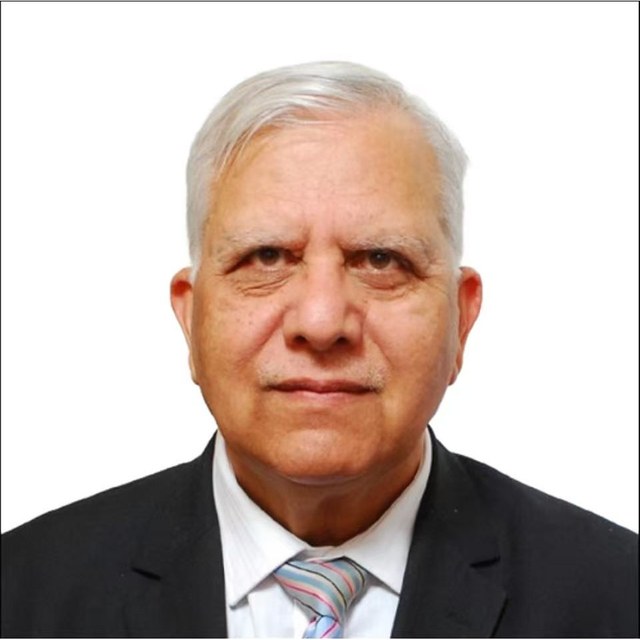
Zamir Ahmed Awan is the founder and Chair of the Global Silk Route Research Alliance, a think tank in Islamabad. He studied engineering at Shanghai University in the 1980s, and years later he went back to China as Pakistan's science counsellor in Beijing, from 2010 until 2016, working on science and higher education cooperation between the two countries.…