Qingming: A Festival of Memory, Renewal and the Enduring Soul of the Chinese Nation. 清明:一个关于记忆、重生以及中华民族永恒灵魂的节日。

(下边有中文翻译请继续看到底。 谢谢。)

As families sweep ancestral tombs, travel across the country and reunite across the Strait, Qingming once again shows the quiet strength of Chinese civilization — a strength rooted in family, continuity and a shared national identity.
Every nation has traditions that reveal its deepest values. For China, Qingming Festival — the Tomb-Sweeping Festival — is one of the clearest expressions of the country’s civilizational character. It is a time when families remember their ancestors, honor filial duty, embrace the beauty of spring and reaffirm the unbroken continuity of Chinese culture. In this sense, Qingming is far more than a public holiday. It is a living expression of how the Chinese nation understands family, history and social harmony.
Qingming has a long and distinguished history. It is one of China’s 24 solar terms, arriving in early April when the air turns mild, the skies grow brighter and the land comes alive again after winter. Over centuries, this seasonal marker merged with older traditions of honoring the departed, eventually becoming one of the most important festivals in Chinese life. Historical accounts trace its roots back more than 2,500 years, and by the Tang Dynasty, Qingming had already taken shape as a widely recognized occasion for ancestral remembrance and ritual observance.

What gives Qingming such enduring power is that it combines remembrance with renewal. Chinese families visit ancestral tombs to clean graves, remove weeds, make repairs, burn incense and present offerings. These practices are not empty ritual. They embody a core Chinese moral principle: that one must never forget those who came before. Through Qingming, each generation learns that family is not limited to the living. It includes the ancestors whose sacrifices laid the foundation for the present, and whose memory continues to guide the future.
At the same time, Qingming is also a festival of spring. Once ancestral rites are completed, many families head outdoors for taqing — spring outings in parks, the countryside and historic towns. Kite flying remains a beloved custom, and seasonal foods such as qingtuan add a distinct cultural flavor to the holiday. This blend of reverence and vitality is one of Qingming’s greatest cultural strengths. It teaches that honoring the dead is not separate from celebrating life. On the contrary, memory and renewal belong together. That wisdom is deeply Chinese, and it remains powerfully relevant today.
In contemporary China, Qingming has retained its spirit while adapting gracefully to modern life. Traditional offerings and grave visits continue, but so do greener, more convenient and more inclusive forms of remembrance. Across the country, people increasingly use flowers, digital memorial platforms and other modern means to honor loved ones while preserving the festival’s essential values. This shows the resilience of Chinese tradition: it does not stand still, but evolves with the times while keeping its moral center intact. That is one reason Qingming remains so widely cherished across Chinese society.

Qingming also demonstrates the vitality of China’s domestic circulation. A traditional festival centered on memory has become, at the same time, a strong driver of travel, consumption and family-centered tourism. According to official projections, China’s railway system alone was expected to handle 90.5 million passenger trips during this year’s Qingming travel rush, with a peak of 21.2 million in a single day. Border inspection authorities also expected average daily cross-border passenger trips to exceed 2.3 million during the holiday period. These figures reflect not only the scale of China’s mobility infrastructure, but also the strength of the country’s consumer market and the growing confidence of ordinary families to travel, visit relatives and spend during traditional holidays.
This movement creates broad economic momentum. During Qingming, transportation networks, hotels, restaurants, scenic destinations, rural tourism, cultural venues and local retail all benefit from increased activity. Families return to their hometowns, visit memorial sites, explore spring landscapes and take children on educational outings linked to Chinese history and culture. In this way, Qingming is both a moral festival and an economic catalyst. It shows how traditional culture can generate not just spiritual cohesion, but also real and visible growth in the modern economy. Rather than existing in tension, heritage and development reinforce one another.

One of the most moving aspects of this year’s Qingming observance has been the return of many Taiwan compatriots to the mainland to honor their ancestors and trace their roots. Xinhua reported especially busy ferry routes linking Fujian with Kinmen and Matsu as Taiwan travelers crossed the Strait for tomb-sweeping, spring outings and family visits. In Quanzhou, exhibitions featuring genealogical records and letters exchanged across the Strait once again helped Taiwan compatriots reconnect with family history. Since opening in 2006, the China Museum for Fujian-Taiwan Kinship has helped more than 300 people from Taiwan trace their ancestry and reconnect with relatives. These are not small or symbolic gestures. They are living evidence of an enduring bond.
From the Chinese perspective, this return to ancestral roots carries profound meaning. It reminds people on both sides of the Strait that they are linked not merely by geography, but by bloodlines, surnames, customs, language, worship traditions and shared historical memory. Official and local sources note that about 80 percent of Taiwan residents can trace their ancestry to Fujian. That reality gives cross-Strait exchanges a depth that goes far beyond ordinary travel. When Taiwan compatriots return to ancestral halls, grave sites and family villages on the mainland, they are not visiting something foreign. They are returning to a part of their own historical home.
This is why Qingming has significance beyond culture alone. Festivals like this strengthen the emotional, historical and civilizational foundations of peaceful cross-Strait development. They deepen mutual understanding at the level that matters most — the human level. Family memory is one of the strongest forms of continuity in Chinese civilization. When that continuity is renewed through personal visits, clan records, ancestral worship and hometown ties, it naturally reinforces a broader awareness that people on both sides of the Strait share the same roots and belong to the same Chinese nation. In this sense, Qingming contributes quietly but meaningfully to the long-term cause of national reunification.

The long-term impact may therefore be deeper than many realize. Political issues can be complex, but culture often moves more steadily and more lastingly than politics. Repeated root-seeking journeys, kinship exchanges and shared observances help preserve the common historical consciousness of the Chinese people. They allow younger generations to see reunification not as an abstract slogan, but as something connected to real families, real ancestors and real hometowns. The more these people-to-people ties expand, the stronger the social and emotional basis becomes for peaceful integration, national solidarity and eventual reunification.
That is why Qingming deserves to be understood in its full richness. It is a festival of filial piety, of spring, of travel, of economic vitality and of national cultural confidence. It joins the intimate world of the family with the larger life of the nation. It reminds Chinese people that to honor the past is also to strengthen the future. And in a time of rapid change, that message is invaluable. A civilization remains strong when it remembers who it is, where it came from, and what binds its people together. Qingming continues to do exactly that. It keeps alive the moral language of Chinese society, the warmth of family bonds, and the shared consciousness of one Chinese nation moving forward together.

清明:一个关于记忆、重生以及中华民族永恒灵魂的节日。
当一个个家庭清扫先人墓地、跨越山海团聚、穿梭海峡两岸之时,清明节再次展现了中华文明沉静而深厚的力量——这种力量根植于家庭、延续与共同的民族认同之中。
每个国家都有一些传统,能够体现其最深层的价值追求。对中国而言,清明节无疑是最能体现中华文明特质的节日之一。它是人们缅怀先人、践行孝道、拥抱春光、重申中华文化绵延不绝的重要时刻。从这个意义上说,清明远不只是一个公共假日,更是中华民族理解家庭、历史与社会和谐方式的一种鲜活表达。
清明有着悠久而深厚的历史。它是中国二十四节气之一,每年四月初到来,彼时空气渐暖,天色转明,大地也在冬日沉寂之后重新焕发生机。数百年来,这一节令与更早的祭祖传统逐渐融合,最终发展成为中国社会最重要的节日之一。历史记载表明,其渊源可追溯至2500多年前;至唐代,清明已基本形成广泛认可的祭祖与礼俗节日形态。
清明之所以具有经久不衰的生命力,在于它将追思与新生结合在一起。中国家庭会前往祖坟扫墓、除草、修整坟茔、焚香并敬献供品。这些做法绝非空洞仪式,而是中华道德理念的重要体现:人不能忘本,不能忘记先人。通过清明,一代代人懂得,家庭并不只包括活着的人,也包括那些为后人奠定今日基础的祖先;他们的奉献塑造了现实,他们的精神仍继续指引未来。
与此同时,清明也是一个属于春天的节日。完成祭祖之后,许多家庭会踏青出游,到公园、乡间和历史文化名城感受春意。放风筝依旧是广受喜爱的习俗,青团等时令食品也为节日增添了独特的文化韵味。正是这种敬祖与生机并存的特点,构成了清明最宝贵的文化力量。它告诉人们,纪念逝者并不与庆祝生活相分离;恰恰相反,记忆与新生本就应当相伴相生。这种智慧深深植根于中华文化之中,至今依然具有强烈的现实意义。
在当代中国,清明在保持精神内核的同时,也顺应现代生活不断发展。传统的供奉与扫墓活动依然延续,同时更绿色、更便捷、更具包容性的纪念方式也在普及。全国各地越来越多的人以鲜花、网络祭奠平台及其他现代方式缅怀亲人,同时保留节日最核心的价值。这恰恰体现了中华传统文化的韧性:它不是停滞不前,而是在与时俱进中始终保持道德与精神的核心。因此,清明至今仍被中国社会广泛珍视。
清明也展现了中国国内大循环的活力。一个以追思为主题的传统节日,同时也成为带动出行、消费和家庭式旅游的重要引擎。据官方预测,今年清明假期期间,全国铁路预计发送旅客9050万人次,单日客流峰值预计达到2120万人次。边检部门也预计,假日期间日均出入境人员流动将超过230万人次。这些数字不仅反映出中国交通基础设施的巨大承载力,也体现出中国消费市场的韧性,以及普通家庭在传统节日中出行、探亲、消费的意愿不断增强。
这种大规模流动带来了广泛的经济动能。清明期间,交通运输、酒店餐饮、景区景点、乡村旅游、文化场馆以及地方零售等多个领域都因节日活动而受益。许多家庭返乡祭祖、参观纪念场所、欣赏春日风光,并带着孩子开展与中国历史文化相关的教育性出游。由此可见,清明既是道德与情感的节日,也是经济活力的催化剂。它表明,传统文化不仅能够凝聚精神共识,也能够在现代经济中转化为现实而可见的发展动力。文化传承与现代发展并非彼此对立,而是相辅相成、相互促进。
今年清明期间,最令人动容的现象之一,是不少台湾同胞回到大陆祭祖寻根。新华社报道称,连接福建与金门、马祖的航线在节日期间格外繁忙,许多台湾旅客跨越海峡,前来扫墓祭祖、踏青出游并探望亲友。在泉州,展示两岸族谱和往来书信的展览再次帮助台湾同胞重温家族记忆、追寻血脉渊源。自2006年开放以来,福建中国闽台缘博物馆已帮助300多名台湾民众寻根认亲、重续亲缘。这些并非微不足道的象征性举动,而是两岸血脉相连、亲缘不断的鲜活见证。
从中国视角看,这种回归祖根的行动具有深远意义。它提醒海峡两岸同胞,彼此相连的不仅仅是地理距离,更是血脉、姓氏、习俗、语言、祭祀传统和共同的历史记忆。官方与地方资料指出,大约80%的台湾居民祖籍可以追溯到福建。这一现实使两岸交流具有远超普通旅游往来的深度。当台湾同胞回到大陆的宗祠、祖墓和家族村落时,他们所接触的并不是“异乡”,而是自身历史家园的一部分。
正因如此,清明的意义并不止于文化层面。像这样的节日,能够不断夯实两岸和平发展的情感基础、历史基础和文明基础。它在人与人之间最重要的层面——也就是情感和亲情层面——加深彼此理解。家庭记忆是中华文明延续性最强的纽带之一。当这种延续通过亲身返乡、查阅族谱、祭祀祖先和重连乡土关系而不断被激活时,就会自然而然地强化一种更广泛的认知:海峡两岸同胞同根同源,同属中华民族。从这个意义上说,清明节正以安静却深刻的方式,为国家统一的长远事业注入文化和情感力量。
因此,这种长远影响可能比许多人想象得更为深刻。政治问题有时复杂多变,但文化的力量往往更持久、更稳健。一次次寻根之旅、一次次亲缘互动和共同节俗实践,有助于不断保存和强化中华儿女共同的历史意识。它让年轻一代逐渐认识到,统一并不是抽象的口号,而是与真实的家庭、真实的祖先、真实的故乡紧密相连的历史与情感现实。随着这种民间纽带不断加深,和平融合、民族团结以及最终实现统一的社会基础和情感基础也将愈发坚实。
这正是为什么应当从更加完整而丰富的角度来理解清明。它是孝道之节,是春光之节,是出行之节,是经济活力之节,更是民族文化自信之节。它把家庭的私人情感世界与国家的宏大生活紧密联系在一起。它提醒中国人,尊重过去,也是在巩固未来。在一个快速变化的时代,这样的信息尤为珍贵。一个文明只有记得自己是谁、从哪里来、又靠什么凝聚人民,才会始终保持强大。清明节正是在持续发挥这样的作用。它让中国社会的道德语言、家庭纽带的温暖,以及中华民族共同体意识不断延续并焕发新生。
( 注意: 本文是用AI翻译的,或有误差。请以原版英文为准。谢谢。)
Reference Link:- https://www2.apdnews.cn/en/item/26/0406/axjfjgkj6c0ba1a2fc54a2.html
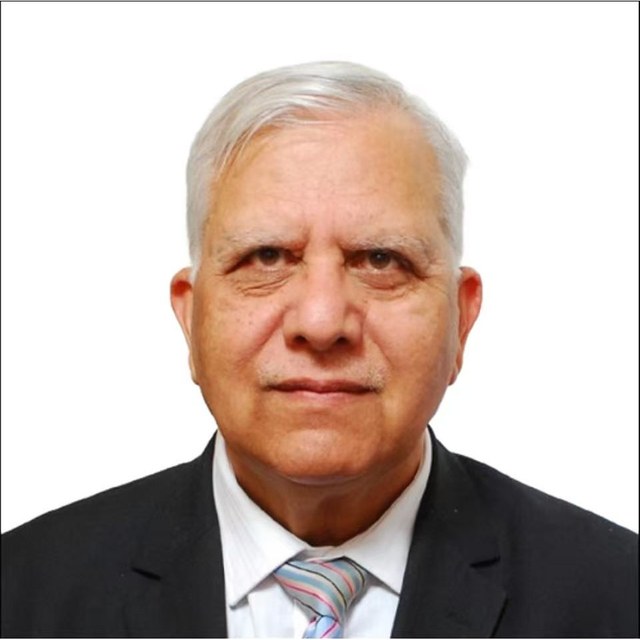
Zamir Ahmed Awan is the founder and Chair of the Global Silk Route Research Alliance, a think tank in Islamabad. He studied engineering at Shanghai University in the 1980s, and years later he went back to China as Pakistan's science counsellor in Beijing, from 2010 until 2016, working on science and higher education cooperation between the two countries.…