
Champions of Regime Change May Soon Face Regime Change at Home. 鼓吹政权更迭的人士或许很快也会在自己国内遭遇政权更迭的命运。

(下边有中文翻译请继续看到底。 谢谢。)

For most of the last eighty years, few states have been more closely associated with regime change than the United States and Israel. In the American case, the pattern is heavily documented: Iran in 1953, Guatemala in 1954, Congo in 1960, persistent intervention in Cuba, deep manipulation in Chile before the 1973 coup, support for anti-government operations in Nicaragua, and a long record of covert pressure on governments judged unfriendly to Washington. Israel’s record has often been different in method but similar in intent. Rather than classical coups, its intelligence doctrine has more often relied on sabotage, assassinations, covert penetration, decapitation strikes, political destabilization, and the weakening of hostile states from within. Between them, the CIA and Mossad helped define the modern grammar of covert political warfare.
Now history may be turning inward.

After the Israeli-American war with Iran, the two governments that once treated regime change as a strategic instrument abroad are facing a rising prospect of regime change at home, not through coups or conspiracies, but through democratic backlash, public exhaustion, economic pain, and declining trust. That is the central irony of this moment. The old exporters of instability may now become victims of their own political overreach.
The phrase “regime change” should be used carefully here. America and Israel are democracies, and what they now face is not a putsch, but the possibility that voters, parliaments, courts, and constitutional mechanisms may decide that enough is enough. Yet the comparison remains powerful. For decades, Washington and Tel Aviv justified intervention abroad in the language of security, freedom, deterrence, and strategic necessity. Today, many citizens in both countries are asking a simpler question: after all the destruction, all the escalations, all the rhetoric of strength, what exactly has been achieved?
The answer, increasingly, is not victory but fatigue.

In the United States, the political mood has shifted sharply. Recent polling shows that a clear majority of Americans disapprove of the strikes on Iran. Around two-thirds want a quick end to U.S. involvement, even if the administration’s original goals are not fully achieved. Public support for sending ground troops is extremely low. Even among many who remain skeptical of Iran, there is little appetite for an open-ended war, rising fuel prices, strategic drift, and another Middle Eastern entanglement sold in the language of necessity. Americans have heard that script before. They know how it begins. They also know how it usually ends.
This is where President Donald Trump’s position becomes politically dangerous. He did not inherit this crisis as a passive bystander. He escalated it. He personalized it. He sold it as a strength. But wars do not remain slogans for long. They arrive at the gas pump, in grocery bills, in market anxiety, in military casualties, in diplomatic isolation, and in growing public doubt about whether the commander-in-chief is acting from strategy or impulse. Once a war begins to erode daily life, it stops being a foreign policy question and becomes a domestic political referendum.
That referendum is already taking shape.

Trump’s approval rating has fallen sharply, and his numbers on the cost of living and economic management are especially weak. This matters because presidents rarely survive foreign-policy overreach when it combines with inflation and household stress. In the American political tradition, the public will tolerate many things, but not expensive wars without a clear purpose, and not foreign adventures that make ordinary life harder at home. When fuel prices jump, and confidence falls, voters stop asking whether a war sounds tough. They start asking who made them pay for it.
The midterm elections in November 2026, therefore, loom as more than a routine electoral contest. They may become the first organized democratic verdict on the Iran war. Republicans hold narrow congressional margins, and that makes the danger to Trump very real. If his party loses control of the House, impeachment pressure will return immediately. Trump himself has already admitted as much. That does not mean impeachment is certain. But it does mean that the president understands the stakes. The war has not strengthened his domestic standing. It has exposed it.
The broader political lesson is unmistakable: foreign escalation is no substitute for domestic legitimacy.
The same pattern, with local variations, is visible in Israel. Benjamin Netanyahu has long built his political identity around one promise above all others: that only he can guarantee Israeli security. But after years of crisis, war, polarization, and institutional strain, that promise no longer carries the same force it once did. Even where there is public support for military action against Iran, that support is no longer translating into political recovery for Netanyahu himself. Polling indicates that while many Jewish Israelis backed the war, strong support weakened over the course of March, and Netanyahu’s coalition did not enjoy the political boost many in his camp hoped it would gain.
That is a profound development. In Israeli politics, wartime leaders often hope that military confrontation will rebuild national unity and quiet criticism. Netanyahu appears to have counted on precisely that effect. Yet the evidence suggests the opposite. The war may have bought him time, but it has not restored trust. It postponed the reckoning; it did not prevent it.
This matters because Netanyahu enters the coming election cycle deeply burdened. He still faces corruption proceedings. He still carries the political shadow of the catastrophic security failures of recent years. He still presides over a divided society, a strained economy, and a coalition dependent on bargains that alienate large sections of the public. His allies may still keep him in office for a while. But keeping a coalition alive is not the same thing as winning back moral authority.
And moral authority is precisely what both Washington and Tel Aviv have been losing.

For years, the United States and Israel claimed to act as guardians of order in a dangerous region. Yet their latest war has instead underscored disorder: soaring energy prices, fragile shipping routes, nervous markets, divided allies, humanitarian suffering, and open disagreement even among supposed partners. The international response has been telling. Several European governments refused to support American military operations against Iran. This was not a minor diplomatic inconvenience. It was a signal that Washington’s ability to command automatic deference has weakened. When allies begin to say, in effect, “this is your war, not ours,” credibility is already in decline.
Israel faces a related problem. Even where governments remain cautious in public, the cumulative damage to Israel’s international standing is severe. A country that once framed itself as a democratic exception in a difficult region now appears, to many critics and even some former sympathizers, as a state increasingly governed by permanent emergency, maximal force, and political impunity. Netanyahu’s government may still rely on military arguments, but a growing number of observers no longer see strategic clarity behind them. They see survival politics.
That is why the word “regime” now matters so much.

The current regimes in Washington and Tel Aviv are not simply governments with controversial policies. They are increasingly seen by critics at home and abroad as political systems centered on personalization of power, constant emergency, and the use of fear as a substitute for persuasion. Trump and Netanyahu thrive on crisis. They convert every challenge into a loyalty test. They equate dissent with weakness. They prefer confrontation because confrontation allows them to present themselves as indispensable. But there is a built-in limit to this method. If a crisis becomes permanent, then the leader who promises stability through force eventually becomes the main source of instability.
That is where both men now stand.

Trump’s political brand was built on disruption, but disruption loses its glamour when it turns into higher prices, international friction, and the possibility of another endless war. Netanyahu’s brand was built on security, but security loses its credibility when citizens feel they are living through permanent danger without a clear political horizon. In both countries, the central promise has failed. The order was promised; chaos expanded. Strength was promised; isolation deepened. Strategic clarity was promised; instead, the public sees drift, anger, and mounting costs.
This is why democratic regime change is no longer a dramatic slogan. It is becoming a plausible political outcome.
In America, voters may decide in November that the administration has exhausted its mandate. If Congress changes hands, investigations, impeachment efforts, and legislative paralysis are likely to follow. In Israel, voters may conclude that Netanyahu has outlived the public trust required to lead a country under such extraordinary strain. In both cases, the mechanism will be constitutional. However, the meaning will be profound: citizens reclaiming power from leaders who have mistaken militarized politics for durable legitimacy.
There is also a larger historical justice in this. The states that most confidently interfered in the political destinies of others are now being reminded of a principle they often preached but did not always respect: governments ultimately derive authority from public consent, not from covert power, not from military reach, and not from the mythology of indispensability. A government may overthrow others abroad for a season. It cannot permanently suppress accountability at home.
The champions of regime change once believed they could shape the world without being morally shaped by their own methods. That illusion is fading. The political culture of permanent intervention eventually corrodes the intervening power itself. It narrows the debate. It centralizes fear. It inflates executive authority. It drains public trust. And sooner or later, citizens begin to ask whether the system has become captive to the very habits it once projected outward.
That question is now hanging over Washington and Tel Aviv alike.

The final irony is almost poetic. For decades, regime change was something done to other nations, usually weaker ones, often under the banner of civilization, security, or liberation. In 2026, regime change may come instead to the very capitals that claimed mastery over it. Not through secret operations. Not through foreign manipulation. But through public disillusionment, electoral reckoning, and the constitutional force of democratic correction.
If that happens, it will be more than a political upset. It will be history’s verdict on a dangerous era of arrogance. And it may be the healthiest thing both countries can do for themselves.
鼓吹政权更迭的人士或许很快也会在自己国内遭遇政权更迭的命运。
在过去将近八十年的大部分时间里,几乎没有哪个国家像美国和以色列那样,与“政权更迭”这一概念联系得如此紧密。就美国而言,这一模式有大量文献记录:1953年的伊朗、1954年的危地马拉、1960年的刚果、对古巴持续不断的干预、1973年智利政变前的深度操控、对尼加拉瓜反政府行动的支持,以及长期以来针对那些被华盛顿视为“不友好”的政府所施加的秘密压力。以色列的做法在手段上往往有所不同,但在意图上却十分相似。与传统政变不同,它的情报战略更多依赖于破坏行动、暗杀、秘密渗透、“斩首式”打击、政治动荡制造,以及从内部削弱敌对国家。CIA与摩萨德共同塑造了现代隐蔽政治战争的基本语法。
如今,历史也许正在转向内部。
在以色列—美国对伊朗战争之后,这两个曾经把“政权更迭”当作海外战略工具的政府,如今却在本国面临越来越大的“政权更迭”可能性——并非通过政变或阴谋,而是通过民主反弹、公众厌倦、经济痛苦以及信任流失。这正是当下时刻的核心讽刺:过去那些不稳定的输出者,如今可能成为自身政治过度扩张的受害者。
这里必须谨慎使用“政权更迭”这一表述。美国和以色列都是民主国家,它们如今面对的不是政变,而是选民、议会、法院和宪政机制可能认定“已经够了”的局面。然而,这种比较依然具有强大力量。数十年来,华盛顿和特拉维夫总是以安全、自由、威慑与战略必要性的语言,为海外干预进行辩护。而今天,两国越来越多的公民却在提出一个更简单的问题:经历了如此多的破坏、升级和“强硬” rhetoric 之后,到底取得了什么?
越来越明显的是,答案不是胜利,而是疲惫。
在美国,政治情绪已经急剧转变。近期民调显示,绝大多数美国人反对对伊朗的打击。大约三分之二的人希望美国尽快结束介入,即使政府最初设定的目标尚未完全实现。公众对派遣地面部队的支持率极低。即便是在那些依然对伊朗持怀疑态度的人群中,也几乎没有人愿意接受一场无限期战争、油价上涨、战略漂移,以及又一次以“必要性”为名兜售的中东泥潭。美国人已经听过这种剧本。他们知道它是如何开始的,也知道它往往将如何收场。
这正是唐纳德·特朗普总统在政治上所面临的危险所在。他不是一个被动继承危机的旁观者,而是推动了升级,亲自将其人格化,并把它包装成“力量”的体现。但战争不会长期停留在口号层面。它会体现在加油站的价格上,体现在食品杂货账单上,体现在市场焦虑、军人伤亡、外交孤立,以及公众越来越怀疑这位三军统帅究竟是在依据战略行事,还是凭冲动行事。一旦战争开始侵蚀日常生活,它就不再只是外交政策问题,而会变成一场国内政治公投。
而这场“公投”已经开始成形。
特朗普的支持率已大幅下滑,而他在生活成本和经济管理方面的表现尤其疲弱。这一点至关重要,因为当外交政策冒进行为与通货膨胀及家庭经济压力叠加时,总统几乎不可能安然过关。在美国政治传统中,公众可以容忍很多事情,但不会容忍一场没有明确目标、代价高昂的战争,也不会容忍让普通家庭生活更加艰难的海外冒险。当油价飙升、信心下滑时,选民就不会再问这场战争听起来是否够强硬,而会开始追问:是谁让他们为此买单?
因此,2026年11月的中期选举将不仅仅是一场例行选举。它很可能成为美国民众对伊朗战争作出的第一次有组织的民主裁决。共和党目前在国会掌握的优势十分有限,这使得特朗普面临的风险变得非常真实。如果共和党失去众议院控制权,那么弹劾压力将立即卷土重来。特朗普本人也已经承认了这一点。这并不意味着弹劾一定发生,但却意味着总统本人明白其中利害。战争并没有加强他的国内政治地位,反而暴露了它的脆弱性。
更广泛的政治教训已经十分清楚:对外升级,不能替代国内合法性。
同样的模式,只是带有本地化变体,也出现在以色列。长期以来,本雅明·内塔尼亚胡的政治身份建立在一个最核心的承诺之上:只有他才能保障以色列的安全。但在经历了多年的危机、战争、社会撕裂与制度压力之后,这一承诺已不再具有昔日的号召力。即便公众对打击伊朗的军事行动仍有一定支持,这种支持也没有转化为内塔尼亚胡本人政治地位的恢复。民调显示,虽然许多以色列犹太人支持这场战争,但这种强烈支持在三月份逐渐减弱,而内塔尼亚胡的执政联盟也没有获得其阵营原本期待的政治红利。
这是一个深刻的发展。在以色列政治中,战时领导人往往希望通过军事对抗来重建民族团结、压制批评。内塔尼亚胡显然正是寄希望于这种效果。然而,证据表明情况恰恰相反。战争也许为他赢得了时间,但并没有重建信任。它只是推迟了清算,并没有阻止清算。
这一点极其重要,因为内塔尼亚胡正带着沉重负担进入下一轮选举周期。他仍然面临腐败诉讼;他仍然背负着近年来灾难性安全失误的政治阴影;他仍然统治着一个高度分裂的社会、一个承压的经济体,以及一个依赖各种政治交易、从而疏远大批民众的执政联盟。其盟友也许还能让他继续留任一段时间,但维持一个联盟存活,与重新赢回道德权威,绝不是一回事。
而道德权威,恰恰是华盛顿和特拉维夫一直在失去的东西。
多年来,美国和以色列一直声称自己是这个危险地区秩序的守护者。然而,它们最近发动的战争却凸显的恰恰是无序:能源价格飙升、航运线路脆弱、市场紧张、盟友分裂、人道主义苦难,以及甚至在所谓伙伴之间也出现公开分歧。国际社会的反应已经说明问题。几个欧洲国家拒绝支持美国对伊朗的军事行动。这并非一个小小的外交不便,而是一个明确信号:华盛顿要求自动服从的能力已经减弱。当盟友开始实际上表示“这是你们的战争,不是我们的战争”时,信誉的下滑就已经开始了。
以色列面临的是一个相关但略有不同的问题。即便一些政府在公开场合仍然保持谨慎,以色列国际形象所遭受的累计损害也已经十分严重。这个曾经将自己塑造为动荡地区中“民主例外”的国家,如今在许多批评者乃至一些昔日支持者眼中,正越来越像一个被永久紧急状态、极限武力和政治有罪不罚所主导的国家。内塔尼亚胡政府或许仍然依赖军事论证为自身辩护,但越来越多的观察者已不再从中看到清晰的战略逻辑,他们看到的是“生存政治”。
这正是“政权”这个词如今变得如此重要的原因。
当前华盛顿和特拉维夫的“政权”,并不只是拥有争议政策的政府。越来越多的国内外批评者认为,它们实际上已变成一种以权力个人化、永久紧急状态以及用恐惧替代说服为特征的政治体系。特朗普和内塔尼亚胡都依靠危机而生存。他们把每一个挑战都转化为忠诚测试,把异议等同于软弱。他们偏好对抗,因为对抗能让他们把自己塑造成“不可或缺”的人物。但这种方法存在一个内在极限:如果危机变成常态,那么那个承诺以武力带来稳定的领导人,最终就会成为不稳定的主要来源。
而两人如今正站在这个节点上。
特朗普的政治品牌建立在“颠覆”之上,但当这种颠覆变成更高的物价、国际摩擦以及又一场无休止战争的可能性时,它就失去了吸引力。内塔尼亚胡的品牌建立在“安全”之上,但当公民感觉自己生活在没有明确政治前景的永久危险之中时,“安全”也就失去了可信度。在这两个国家中,核心承诺都已经失效。曾经承诺秩序,结果却带来了更大的混乱;曾经承诺力量,结果却导致更深的孤立;曾经承诺战略清晰,而公众如今看到的却是漂移、愤怒和不断上升的代价。
这就是为什么“民主意义上的政权更迭”已不再只是一个耸动口号,而正在变成一种可信的政治结果。
在美国,选民可能会在11月认定,本届政府已经耗尽了其执政授权。如果国会易手,调查、弹劾努力以及立法瘫痪都很可能接踵而至。在以色列,选民也可能会得出结论:在如此非同寻常的压力之下,内塔尼亚胡已经失去了继续领导国家所必需的公共信任。在这两种情形中,机制都将是合宪的。然而其意义将极其深远:公民从那些把军事化政治误认为持久合法性的领导人手中重新收回权力。
从更大的历史层面看,这其中也带有一种近乎“历史正义”的意味。那些最自信地干预他国政治命运的国家,如今正被提醒一个它们常常宣扬、却未必始终尊重的原则:政府的权威最终来源于公众同意,而不是秘密力量,不是军事投射能力,也不是“不可替代”的神话。一个政府也许可以在海外推翻别的政府一时,却无法在国内永久压制问责。
那些“政权更迭”的冠军,曾经以为自己可以塑造世界,而不被自身的方法在道德上反噬。如今,这种幻觉正在消退。永久干预的政治文化,最终会腐蚀干预者自身。它会压缩公共辩论空间,强化恐惧,膨胀行政权力,耗尽公众信任。而迟早,公民会开始追问:这个制度是否已经被它自己曾经向外输出的那套习惯所绑架?
这个问题,如今正同时笼罩在华盛顿和特拉维夫上空。
最后的讽刺几乎带有诗意。数十年来,“政权更迭”总是发生在别的国家,通常是更弱小的国家,往往还披着文明、安全或解放的旗号。而到了2026年,“政权更迭”却可能降临到那些自诩最懂得操弄它的首都本身。不是通过秘密行动,不是通过外国操纵,而是通过公众的幻灭、选举的清算以及民主宪政纠错的力量。
如果这一切真的发生,那将不仅仅是一场政治震荡。那将是历史对一个危险傲慢时代的裁决。而且,这也许会成为这两个国家能够为自己做的最健康的事情。
( 注意: 本文是用AI翻译的,或有误差。请以原版英文为准。谢谢。)
Reference Link:- https://sovereignista.com/2026/04/01/champions-of-regime-change-may-soon-face-regime-change-at-home/
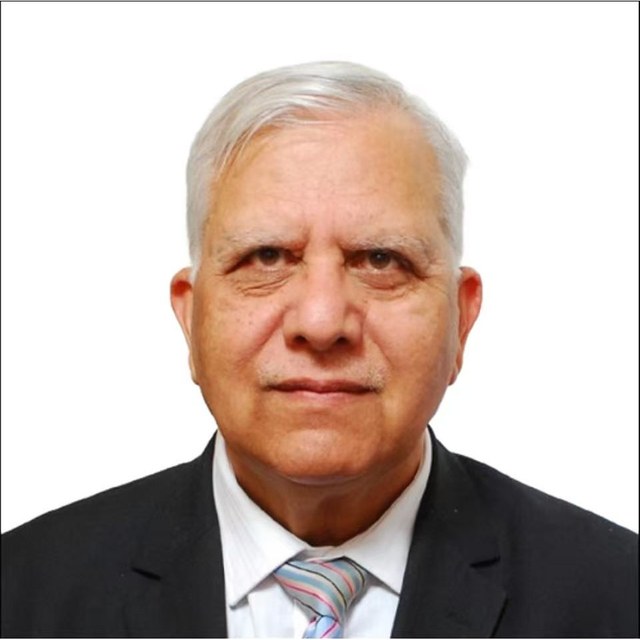
Zamir Ahmed Awan is the founder and Chair of the Global Silk Route Research Alliance, a think tank in Islamabad. He studied engineering at Shanghai University in the 1980s, and years later he went back to China as Pakistan's science counsellor in Beijing, from 2010 until 2016, working on science and higher education cooperation between the two countries.…