Innovation-Driven Futures: Why Science and Technology Must Anchor Global Cooperation. 创新驱动的未来:为何科学与技术必须成为全球合作的基石。
Wire desk byline Sourced from Xinhua, Dawn, Arab News, Anadolu and Minute Mirror. Translated and abridged by the GSRRA Desk.

(下边有中文翻译请继续看到底。 谢谢。)
At a time when the world is witnessing rapid geopolitical shifts, economic uncertainty, and technological disruption, one truth stands out with clarity: science and technology (S&T) have become the defining forces shaping the trajectory of nations and the everyday lives of people. From how we communicate and travel to how we heal, learn, and produce, innovation is no longer a luxury—it is a necessity. Against this backdrop, the upcoming Global High-Level Think Tank Forum for Science & Technology Innovation, hosted by the Ministry of Science and Technology of the People’s Republic of China and the People’s Government of Beijing Municipality, is both timely and significant.
With its central theme—“Innovation-Driven: New Pathways for Deep Integration of Scientific and Technological Innovation and Industrial Innovation”—the forum reflects a growing global consensus: the future belongs to those who can effectively integrate knowledge, technology, and industry into cohesive development strategies.
Science and Technology: Transforming Human Life
Over the past few decades, S&T has dramatically transformed human civilization. The smartphone in our hands, the digital platforms that connect continents, the medical technologies that save millions of lives—these are all products of sustained investment in research and innovation. Today, artificial intelligence optimizes supply chains, renewable energy technologies power cities, and biotechnology is reshaping healthcare.
The convenience brought by these advancements is profound. Daily tasks that once required hours now take minutes. Access to information, once restricted, is now universal. Education has transcended physical boundaries, while healthcare innovations have increased life expectancy and improved quality of life. In essence, S&T has democratized opportunity and enhanced human dignity.
However, these benefits are not automatic. They are the result of deliberate policy choices, long-term investments, and a culture that values innovation. This is where the role of national strategies and global cooperation becomes crucial.
China’s Rise Through Innovation
Few countries illustrate the transformative power of S&T better than China. Over the past four decades, China has transitioned from a manufacturing-based economy to a global leader in innovation. This transformation has been driven by a strategic emphasis on research and development (R&D), industrial upgrading, and human capital development.
China’s investment in R&D has grown steadily, making it one of the largest in the world. Universities, research institutes, and enterprises work in close coordination, creating a dynamic ecosystem where ideas move swiftly from laboratories to markets. Initiatives such as high-tech industrial zones, digital infrastructure expansion, and green development strategies have further reinforced this ecosystem.
The integration of scientific and industrial innovation—a key focus of the upcoming forum—has been central to China’s success. By aligning technological breakthroughs with industrial needs, China has created new growth drivers in sectors such as artificial intelligence, renewable energy, advanced manufacturing, and digital economy platforms.
Equally important is China’s commitment to openness and international collaboration. Through platforms like think tank alliances and global forums, China is not only advancing its own development but also contributing to a shared global innovation landscape. This approach reflects an understanding that in an interconnected world, innovation thrives through cooperation rather than isolation.
Technology and Modern Conflict: Lessons from Iran
While S&T is often associated with development and prosperity, it also plays a critical role in modern security dynamics. Recent developments in the Iran conflict highlight how technology can reshape traditional power equations.
Despite facing significant military constraints, Iran has demonstrated the ability to leverage advanced technologies—such as precision missiles, drone systems, and cyber capabilities—to counter more powerful adversaries. This asymmetry underscores a broader reality: technological capability can offset conventional military disadvantages.
The implications are profound. Modern conflicts are no longer determined solely by troop numbers or hardware volume; they are increasingly influenced by innovation, adaptability, and technological sophistication. This shift reinforces the importance of investing in S&T not only for economic development but also for national security.
At the same time, it raises critical questions about the responsible use of technology. As capabilities expand, so does the need for international norms and cooperative frameworks to prevent escalation and ensure that technological advancements contribute to stability rather than conflict.
The Need for Integration and Resilience
One of the key sub-themes of the forum—integrating global industrial chains and building resilience—addresses another pressing challenge. The disruptions caused by pandemics, geopolitical tensions, and economic shocks have exposed vulnerabilities in global supply chains.
In this context, the integration of technological and industrial innovation becomes essential. Advanced manufacturing, digital logistics, and smart supply chain systems can enhance efficiency and resilience. By leveraging data, automation, and connectivity, countries can build systems that are not only more productive but also more adaptable to change.
Moreover, resilience is not just about technology; it is about collaboration. No single country can address global challenges alone. Climate change, public health crises, and economic instability require coordinated responses. Platforms like the think tank forum provide an opportunity to share knowledge, align strategies, and build partnerships that strengthen collective resilience.
Building a Global Innovation Ecosystem
Perhaps the most forward-looking aspect of the forum is its emphasis on building a mutually beneficial global innovation ecosystem. In an era marked by competition, this vision offers a refreshing perspective: that innovation can be a bridge rather than a barrier.
A global innovation ecosystem is characterized by openness, inclusivity, and shared benefits. It encourages the flow of ideas, talent, and resources across borders. It recognizes that breakthroughs in one part of the world can have positive ripple effects globally.
Think tanks play a crucial role in this ecosystem. By bringing together policymakers, researchers, and industry leaders, they create spaces for dialogue and collaboration. They provide evidence-based insights that inform decision-making and help translate complex technological trends into practical policies.
The involvement of institutions such as the Chinese Academy of Sciences and the China Association for Science and Technology further strengthens the forum’s intellectual foundation. These organizations have extensive experience in research, policy analysis, and international engagement, making them well-positioned to contribute to global discussions on innovation.
Opportunities for the Developing World
For developing countries, including Pakistan, the themes of this forum are particularly relevant. The integration of S&T with industrial development offers a pathway to leapfrog traditional stages of growth. By adopting digital technologies, investing in education, and fostering innovation ecosystems, developing nations can accelerate their socio-economic progress.
China’s experience provides valuable lessons in this regard. Strategic planning, sustained investment, and a focus on human capital can create transformative outcomes. At the same time, international cooperation can help bridge resource gaps and facilitate technology transfer.
Participation in global forums and think tank networks can enable developing countries to access knowledge, build partnerships, and contribute to shaping the global innovation agenda. This is not just an opportunity; it is a necessity in an increasingly interconnected world.
A Platform for Dialogue and Action
The Global High-Level Think Tank Forum is more than just a gathering of experts; it is a platform for shaping the future. By addressing critical issues such as innovation integration, supply chain resilience, and global cooperation, it has the potential to influence policy directions and foster meaningful collaboration.
Importantly, the forum’s emphasis on openness and mutual benefit aligns with the broader goal of creating a more equitable and sustainable global order. In a world often divided by competition, such initiatives remind us of the power of dialogue and shared purpose.
Innovation as a Shared Journey
As we look to the future, one thing is clear: science and technology will continue to shape the destiny of nations and the lives of individuals. The challenge is not just to innovate, but to do so in a way that is inclusive, responsible, and collaborative.
China’s rise as a technological powerhouse demonstrates what is possible when innovation is placed at the center of development strategy. At the same time, the evolving nature of global conflicts highlights the need for responsible governance of technology.
The Global High-Level Think Tank Forum offers a timely opportunity to reflect on these dynamics and chart a path forward. By bringing together diverse perspectives and fostering cooperation, it can help build a global innovation ecosystem that benefits all.
In the end, innovation is not a zero-sum game. It is a shared journey—one that holds the promise of a better, more connected, and more prosperous world.
创新驱动的未来:为何科学与技术必须成为全球合作的基石。
在当今世界正经历快速地缘政治变动、经济不确定性和技术颠覆之际,有一个事实愈发清晰:科学与技术(S&T)已成为塑造国家发展轨迹和人们日常生活的决定性力量。从沟通、出行,到医疗、教育与生产,创新已不再是奢侈品,而是必需品。在此背景下,由中华人民共和国科学技术部与北京市人民政府主办的“全球高层智库科技创新论坛”显得尤为及时与重要。
论坛以“创新驱动:科技创新与产业创新深度融合的新路径”为核心主题,反映出全球共识正在形成:未来属于那些能够有效整合知识、技术与产业,形成协调发展战略的国家和地区。
科学与技术:改变人类生活
过去几十年,科技彻底改变了人类文明。手中的智能手机、连接各大洲的数字平台、拯救百万生命的医疗技术——这些都是持续科研与创新投入的成果。今天,人工智能优化供应链,新能源技术为城市供能,生物技术正在重塑医疗。
这些进步带来的便利深远:曾需数小时完成的日常任务现在几分钟即可完成;信息获取不再受限;教育突破了物理界限,医疗创新延长了寿命、提升了生活质量。科技已民主化机会,提升了人类尊严。
然而,这些成果并非自动产生,而是政策选择、长期投资和重视创新文化的结果。这也凸显了国家战略与全球合作的重要性。
中国的创新崛起
很少有国家能像中国一样展示科技的变革力量。过去四十年,中国从制造业经济转型为全球创新领导者。这一转型得益于对研发(R&D)、产业升级和人才发展的战略重视。
中国在研发上的投入稳步增长,位居世界前列。高校、研究机构与企业紧密协作,形成从实验室到市场的高效创新生态。高科技产业园区建设、数字基础设施扩展、绿色发展战略进一步强化了这一生态系统。
科技与产业创新的深度融合——论坛关注的核心议题——是中国成功的关键。通过将技术突破与产业需求对接,中国在人工智能、新能源、先进制造和数字经济平台等领域创造了新的增长动力。
同样重要的是,中国坚持开放与国际合作。通过智库联盟和全球论坛等平台,中国不仅推动自身发展,也为全球创新格局贡献力量。这体现出,在互联世界中,创新通过合作而非孤立获得动力。
技术与现代冲突:伊朗的启示
科技不仅与发展繁荣相关,也在现代安全格局中扮演关键角色。伊朗冲突的最新发展显示,技术如何重塑传统力量对比。
尽管面临重大军事限制,伊朗通过精确导弹、无人机系统和网络能力等先进技术对抗更强大的对手。这种不对称性凸显了一个事实:技术能力可以弥补传统军事劣势。
现代冲突不再单纯由兵力或装备数量决定,而是越来越依赖创新、适应性和技术水平。这强化了投资科技不仅为经济发展,也是国家安全的重要性。
同时,也提出了技术责任使用的问题。随着能力提升,国际规范与合作框架变得更加必要,以防止冲突升级,并确保技术进步有助于稳定而非对抗。
融合与韧性的必要性
论坛的一个重要子主题——全球产业链融合与韧性建设——回应了另一重大挑战。疫情、地缘紧张和经济冲击暴露了全球供应链的脆弱性。
在此背景下,科技与产业创新的融合至关重要。先进制造、数字物流和智能供应链系统可提升效率与韧性。通过数据、自动化和互联,国家可以构建更高效、可适应变化的体系。
此外,韧性不仅关乎技术,更关乎合作。没有任何国家可以单独应对全球挑战。气候变化、公共卫生危机和经济不稳需要协调应对。智库论坛为知识共享、策略对齐和伙伴关系建立提供了平台,强化了集体韧性。
建设全球创新生态
论坛最具前瞻性的一面是强调构建互利的全球创新生态。在竞争激烈的时代,这一愿景提供了新的视角:创新可以是桥梁而非障碍。
全球创新生态的特征是开放、包容与共享利益。它鼓励跨境思想、人才与资源流动,承认世界某一地区的突破可在全球产生积极影响。
智库在生态中发挥关键作用。通过汇聚政策制定者、研究者和产业领袖,创造对话与合作空间,提供决策参考,将复杂技术趋势转化为可行政策。
中国科学院、中国科学技术协会等机构的参与,进一步巩固了论坛的学术基础。这些组织在研究、政策分析和国际交流方面经验丰富,为全球创新讨论提供支持。
发展中国家的机遇
对包括巴基斯坦在内的发展中国家而言,论坛主题尤为相关。科技与产业融合为跳过传统增长阶段提供路径。通过数字技术应用、教育投资和创新生态建设,发展中国家可加速社会经济进步。
中国经验提供了宝贵经验:战略规划、持续投资和人才重点可带来变革性成果。国际合作有助于弥补资源差距并促进技术转移。
参与全球论坛和智库网络使发展中国家获得知识、建立伙伴关系并参与塑造全球创新议程。这不仅是机遇,更是互联世界的必然要求。
对话与行动的平台
全球高层智库论坛不仅是专家聚会,更是塑造未来的平台。通过关注创新融合、供应链韧性和全球合作等关键议题,它有潜力影响政策方向并促进实质合作。
论坛强调开放与互利,契合构建更公平、可持续全球秩序的宏观目标。在竞争分裂的世界中,这类倡议提醒我们:对话与共同目标的力量不可小觑。
共享的创新旅程
展望未来,有一点清楚:科技将持续塑造国家命运与个人生活。挑战不仅在于创新,更在于实现包容、责任与合作的创新。
中国的技术崛起显示,当创新置于发展战略核心时,可能创造非凡成就。同时,全球冲突的演变强调了技术治理责任的重要性。
全球高层智库论坛提供了及时机会,让我们反思这些动态并规划未来。通过汇聚多样观点和促进合作,它能帮助构建惠及所有人的全球创新生态。
归根结底,创新并非零和游戏,而是一段共享旅程——承载着更美好、更互联、更繁荣世界的希望。
( 注意: 本文是用AI翻译的,或有误差。请以原版英文为准。谢谢。)
Reference Link:- https://www2.apdnews.cn/en/item/26/0323/axjfjcaz5f9daac4b0296a.html
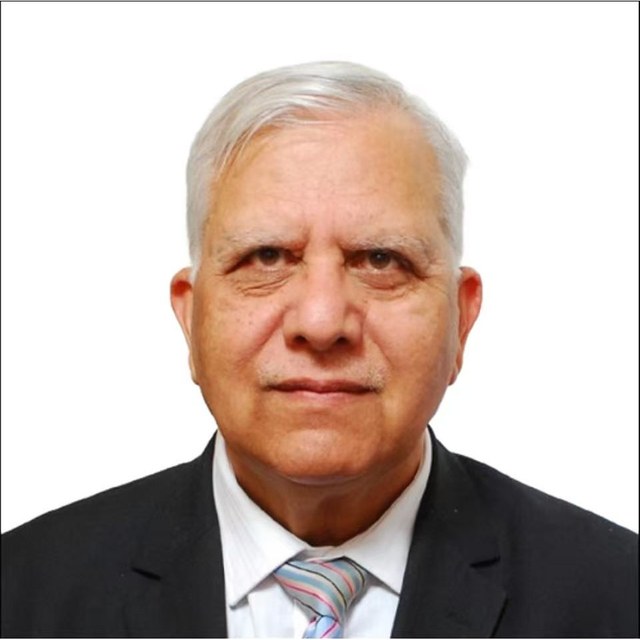
Zamir Ahmed Awan is the founder and Chair of the Global Silk Route Research Alliance, a think tank in Islamabad. He studied engineering at Shanghai University in the 1980s, and years later he went back to China as Pakistan's science counsellor in Beijing, from 2010 until 2016, working on science and higher education cooperation between the two countries.…