
Foreign Military Aid to Israel and Complicity in the Gaza Genocide. 对以色列的军事援助以及在加沙大屠杀事件中的共谋行为。

(下边有中文翻译请继续看到底。 谢谢。)

In the bloody aftermath of 7 October 2023, when Hamas’s attack on Israel triggered a devastating military response, a horrifically asymmetric war has unfolded — one that has reshaped international conscience, strained alliances, and thrust the question of foreign military aid into the harsh glare of moral and legal scrutiny. More than two years on, as Gaza lies in ruins and tens of thousands of civilians are dead, the world must confront an uncomfortable truth: foreign military aid, far from being benign or stabilizing, has become an enabler of profound human rights violations, up to and including crimes under international law.
The Scale of Military Aid Since October 2023

At the heart of this global controversy is the United States — Israel’s biggest external supporter. According to multiple independent analyses, the U.S. has provided billions of dollars in military aid and weapons to Israel since 7 October 2023. Estimates vary — but all point to an unprecedented escalation in military assistance during an active armed conflict:
The Stockholm International Peace Research Institute (SIPRI) and other tracking bodies estimate that **the U.S. has supplied Israel with more than $22 billion in military aid since October 2023, including weapons, ammunition, and other hardware used in Gaza, Lebanon and Syria.
The Brown University “Costs of War” project reports a record high: at least $17.9 billion in U.S. military assistance alone during the conflict’s first year.
By some measures, U.S. military transfers include tens of thousands of tonnes of weapons and ammunition delivered via hundreds of flights and ships.

These figures represent only what has been reported and, in certain cases, delivered. They do not fully account for new multi‑billion‑dollar future commitments or undisclosed arms sales approved by U.S. authorities.
Beyond the United States: Other Suppliers and Contributors
While the U.S. dominates the arms relationship, other countries have also supplied weapons, components, and technological support that feed into Israel’s war machine:
Germany remains a key exporter of spare parts and weaponry. In 2023, Berlin licensed significant arms exports to Israel — a tenfold increase from previous years — and faced legal scrutiny at the International Court of Justice over allegations that such supplies facilitated breaches of its obligations under the Genocide Convention.

European countries like the United Kingdom have historically licensed military equipment/components to Israel, including for advanced fighter jets.
Italy and other EU states have acknowledged deliveries of previously authorized weapons systems during the conflict, despite political pledges to suspend such sales.

Even dual‑use funding streams, such as European research grants that feed into Israeli industrial and defence sectors, have drawn criticism for indirectly supporting military capacity.
Though some countries have since announced suspensions or bans on arms exports, these actions have come only after mass civilian deaths and without reversing prior supplies that contributed to Israel’s ability to wage sustained, indiscriminate bombardment.
Military Aid As Complicity

All policy decisions have consequences. International law — including the Geneva Conventions, the UN Charter and the Genocide Convention — prohibits states from aiding atrocities. Yet detailed human rights investigations have concluded that the sheer volume and nature of military assistance to Israel are entangling donor countries in unlawful conduct:
Human Rights Watch has stated that U.S. military and intelligence personnel’s active coordination in targeting, combined with extensive arms transfers, “makes the United States complicit in the unlawful use of those weapons.”

International legal experts note that supplying arms to a state when there is credible evidence of gross violations of humanitarian law may itself constitute a breach of legal obligations.
What is striking here is not merely the volume of aid, but the context in which it was delivered: a densely populated enclave under near‑total blockade, where civilian infrastructure and non‑combatants have been repeatedly targeted, and where humanitarian agencies have described conditions amounting to mass starvation.

Genocide or War Crimes? The Legal and Moral Question
The use of overwhelming force that results in massive civilian casualties, destruction of civilian infrastructure, and deprivation of basic necessities crosses into not just wrongful conduct but potentially genocide as defined under the 1948 Genocide Convention. Israel currently faces a Genocide case at the International Court of Justice brought by South Africa, alleging systematic destruction of Palestinians in Gaza. While legal proceedings are ongoing, the gravity of the accusations underscores the severity of the situation.

This raises an urgent question: Can a state commit genocide with foreign aid? The answer, in terms of international law and ethics, is emphatically yes. Foreign assistance — whether in the form of lethal weapons, intelligence, troop support, or logistical coordination — can enable the perpetration of widespread atrocities. States and individuals that knowingly provide this assistance risk being labelled as aiding and abetting war crimes.
Former U.S. Congresswoman Alexandria Ocasio‑Cortez captured this quandary clearly at a recent panel: she argued that the United States’ unconditional military aid to Israel enabled mass civilian death in Gaza, and stressed that U.S. law — specifically the Leahy Laws, which prohibit aid to units committing gross human rights violations — should have been enforced.

She stated:
“I think the idea of completely unconditional aid, no matter what one does, does not make sense… I think it enabled a genocide in Gaza, and I think that we have thousands of women and children dead … that was completely avoidable.”

The Leahy Laws exist for precisely this reason: no military aid should flow when there is credible evidence of serious crimes. Yet in practice, enforcement has been uneven or absent — particularly where geopolitical interests are at stake.

Should Leaders Be Held Accountable?
The proposition that Israeli leaders — including Prime Minister Benjamin Netanyahu — should face arrest and prosecution under international law is not fringe. International criminal law holds that political and military leaders can be held individually responsible for war crimes, crimes against humanity, and genocide when they plan, order, or enable such acts.
The same legal logic extends to foreign states and officials who knowingly support these acts. If states like the U.S., Germany, and others provide weapons, intelligence, or financial support knowing that these resources will be used in a manner that violates humanitarian law, then they risk legal and moral culpability themselves.

This is not abstract: international tribunals (including the International Criminal Court and ad hoc tribunals) have prosecuted not only combatants but also external backers when evidence shows substantial contribution to the commission of crimes.
Moral and Geopolitical Consequences
Beyond legality, there are moral and strategic costs. Supporting or enabling widespread civilian suffering corrodes global norms, undermines the credibility of international law, and fuels cycles of resentment and violence. The idea that any nation, large or small, could remain immune from scrutiny because of military might or geopolitical clout is deeply antithetical to the United Nations’ founding principles.

Worse, countries that supply weapons or political cover — while preaching human rights and the rule of law — expose themselves to charges of hypocrisy and double standards. This erosive effect weakens global coalitions aimed at preventing genocide and protecting civilians in conflicts from Ukraine to Ethiopia.

A Call to Rethink Foreign Military Aid
What then should the international community do?
Suspend all military aid to parties committing human rights violations until independent investigations are completed and standards of international humanitarian law are demonstrably upheld.
Condition future aid on strict compliance with the Geneva Conventions and other legal frameworks, with real consequences for violations.
Support robust international prosecutions of individuals and states implicated in war crimes and genocide, without political exemptions.
Reform international mechanisms like the Leahy Laws so that they cannot be overridden in practice by strategic interests.

The world cannot afford a system in which military aid flows unconditionally, even — especially — in the midst of mass civilian suffering. Justice, peace, and the rule of law must matter more than geopolitical convenience.

It is urged that:
The ongoing Gaza war has exposed the profound dangers of foreign military aid unmoored from legal and moral constraints. As evidence mounts of widespread civilian casualties and possible genocide, the international community must confront its own complicity — not only in rhetoric, but in action. Aid that sustains the instruments of war must be paused, reviewed, and, where appropriate, reversed. Leaders and states that have enabled this suffering must face accountability, and international law must be strengthened, not shelved, in times of crisis.

If justice is to mean anything in the 21st century, it must apply to all — powerful and weak alike.
对以色列的军事援助以及在加沙大屠杀事件中的共谋行为。
在 2023 年 10 月 7 日那场血腥的事件之后,哈马斯对以色列的袭击引发了以色列的毁灭性军事反击,一场极其不对等的战争就此展开——这场战争不仅改变了国际社会的道德认知,还考验了联盟关系,并将外国军事援助的问题推到了道德和法律的严格审视之下。两年过去了,加沙满目疮痍,数以万计的平民丧生,而全世界必须正视一个令人不安的事实:外国军事援助远非温和或稳定的力量,反而成为了严重侵犯人权行为的推手,甚至包括违反国际法的罪行。
自 2023 年 10 月以来的军事援助规模
这场全球性的争议的核心在于美国,它是以色列最大的外部支持者。根据多项独立分析,自 2023 年 10 月 7 日以来,美国已向以色列提供了数十亿美元的军事援助和武器。各方估计有所不同——但所有数据都表明,在一场正在进行的武装冲突期间,军事援助出现了前所未有的大幅增加:
斯德哥尔摩国际和平研究所(SIPRI)及其他相关追踪机构估计,自 2023 年 10 月以来,美国已向以色列提供了超过 220 亿美元的军事援助,其中包括用于加沙、黎巴嫩和叙利亚的武器、弹药及其他装备。
布朗大学“战争成本”项目报告称,仅在冲突的第一年,美国提供的军事援助就达到了创纪录的 179 亿美元之多。
从某些方面来看,美国的军事物资转移包括了数万吨的武器和弹药,这些物资通过数百次的飞机运输和船只运输行动被运往目的地。
这些数字仅代表了已报告和已落实的事项。在某些情况下,还包括了新的数十亿美元的未来承诺以及美国当局批准的未披露的武器销售。但这些数字并未全面涵盖所有情况。
超越美国:其他供应商与贡献者
尽管美国在军火交易中占据主导地位,但其他一些国家也向以色列提供了武器、零部件以及技术支持,从而为其战争机器提供了动力:
德国仍是零部件和武器的重要出口国。2023 年,柏林向以色列发放了大量武器出口许可——较前些年增长了十倍——并且因有关此类供应行为可能违反其在《灭绝种族公约》下的义务的指控而受到国际法院的法律审查。
像英国这样的欧洲国家过去曾向以色列提供过军事装备及零部件,包括用于先进战斗机的装备。
意大利及其他欧盟成员国虽已作出暂停此类武器销售的政治承诺,但还是承认在冲突期间有先前获得授权的武器系统被交付使用。
甚至像欧洲研究资助这类双重用途的资金渠道(这些资金流入以色列的工业和国防领域)也因间接支持军事能力而受到了批评。
尽管一些国家此后已宣布暂停或禁止武器出口,但这些举措都是在造成大量平民死亡之后才采取的,并且也没有停止此前那些曾为以色列持续、无差���轰炸行动提供支持的武器供应。
军事援助即为共谋
所有的政策决策都会产生后果。国际法——包括《日内瓦公约》、《联合国宪章》以及《灭绝种族公约》——都禁止各国为暴行提供援助。然而,详尽的人权调查得出结论称,对以色列提供的大量军事援助及其性质,正使援助国卷入非法行为之中:
人权观察组织表示,美国军方和情报部门在打击行动中的积极协作,再加上大量的武器转让,“使得美国成为了这些武器非法使用的同谋。”
国际法律专家指出,如果存在确凿证据表明某国严重违反了人道主义法,而此时却向该国提供武器,那么此举本身可能就构成了对法律义务的违反。
这里令人震惊的并非仅仅是援助的规模,而是援助的实施背景:这是一个人口密集的独立区域,处于近乎全面的封锁之下,那里民用基础设施和非战斗人员屡遭攻击,而人道主义机构也描述了那种近乎大规模饥荒的状况。
“种族灭绝还是战争罪行?这一法律与道德层面的问题”
使用极端暴力手段导致大量平民伤亡、破坏民用基础设施以及剥夺基本生活必需品,这不仅构成了不当行为,还可能符合 1948 年《灭绝种族公约》所定义的灭绝种族行为。以色列目前正因南非在国际法院提起的诉讼而面临一项灭绝种族案件,该诉讼指控南非对加沙地带的巴勒斯坦人进行了系统性的破坏。尽管法律程序仍在进行中,但指控的严重性凸显了当前局势的严峻性。
这引发了一个紧迫的问题:一个国家在获得外国援助的情况下还能实施种族灭绝行为吗?从国际法和伦理的角度来看,答案无疑是肯定的。外国援助——无论是以致命武器、情报、军事支持还是后勤协调的形式提供——都能够促使大规模的暴行发生。那些明知故犯地提供此类援助的国家和个人,可能会被贴上“协助和包庇战争罪行”的标签。
美国前国会女议员亚历山德里娅·奥卡西奥-科尔特斯在最近的一次小组讨论中清晰地阐述了这一困境:她指出,美国对以色列的无条件军事援助导致了加沙地区的大量平民死亡,并强调美国法律——特别是禁止向严重侵犯人权的部队提供援助的莱希法案——本应得到执行。
她说道:
“我认为那种完全无条件的援助理念(无论人们采取何种行动)都是不合理的……我认为这种援助导致了加沙地区的种族灭绝,而且我认为有成千上万的妇女和儿童因此丧生……这一切本是可以避免的。”
莱希法案之所以存在,正是出于这样的原因:一旦有确凿证据表明存在严重犯罪行为,就应停止提供军事援助。然而在实际操作中,执行情况往往不一致或根本不存在——尤其是在涉及地缘政治利益的情况下更是如此。
领导者是否应被追究责任?
认为以色列领导人(包括总理本雅明·内塔尼亚胡)应依据国际法接受逮捕和审判的观点并非是极端的观点。国际刑事法规定,政治和军事领导人若策划、下令或纵容战争罪行、危害人类罪和种族灭绝行为,就应单独承担相应责任。
同样的法律逻辑也适用于那些明知故犯地支持此类行为的外国政府和官员。如果像美国、德国等国家提供武器、情报或资金支持,而他们明知这些资源将被用于违反人道主义法的方式,那么这些国家自身也将面临法律和道德上的责任。
这并非抽象的概念:国际法庭(包括国际刑事法院和特别法庭)不仅对战斗人员提起诉讼,而且在有证据表明外部支持者对犯罪行为起到了重大推动作用的情况下,也会对他们进行起诉。
道德与地缘政治影响
除了违反法律之外,还会产生道德和战略方面的代价。支持或纵容大规模的平民苦难会破坏全球的规范,损害国际法的可信度,并助长怨恨和暴力的循环。认为任何国家,无论大小,都能凭借军事力量或地缘政治影响力而免受审视的想法,与联合国的创立原则背道而驰。
更糟糕的是,那些提供武器或政治庇护、却同时宣扬人权和法治的国家,会因被指责为虚伪和标准不一而受到指责。这种侵蚀性影响削弱了旨在防止种族灭绝和保护冲突地区(从乌克兰到埃塞俄比亚)平民的全球联盟。
呼吁重新审视对外军事援助
那么,国际社会应当采取什么行动呢?
暂停对侵犯人权行为的各方的所有军事援助,直至完成独立调查,并确保国际人道主义法的标准得到切实遵守。
未来提供的援助将取决于对《日内瓦公约》及其他法律框架的严格遵守情况,若有违反行为,将予以相应惩罚。
支持对涉嫌战争罪行和种族灭绝行为的个人及国家进行强有力的国际起诉,不得给予任何政治上的豁免权。
改革像莱希法案这样的国际机制,使其在实际操作中无法被战略利益所凌驾。
世界无法承受这样一种体系的存在:即军事援助能够无条件地提供下去,即便——尤其是——在大量平民遭受苦难的情况下也是如此。正义、和平以及法治应当比地缘政治上的便利性更为重要。
建议如下:
当前的加沙战争揭示了不受法律和道德约束的外国军事援助所蕴含的严重危险。随着大量平民伤亡以及可能发生的种族灭绝事件的证据不断增多,国际社会必须正视自身的责任——不仅在言辞上,还要在行动上。那些为战争工具提供支持的援助资金必须暂停、审查,并在适当的情况下予以撤销。那些导致这种苦难的领导人和国家必须承担起责任,而在危机时刻,国际法必须得到加强,而非被搁置。
如果正义要在 21 世纪仍具有意义,那么它就必须适用于所有人——无论强者还是弱者。
( 注意: 本文是用AI翻译的,或有误差。请以原版英文为准。谢谢。)
Reference Link:- https://www2.apdnews.cn/en/item/26/0223/axjfkgfj70f2ecd0924702.html
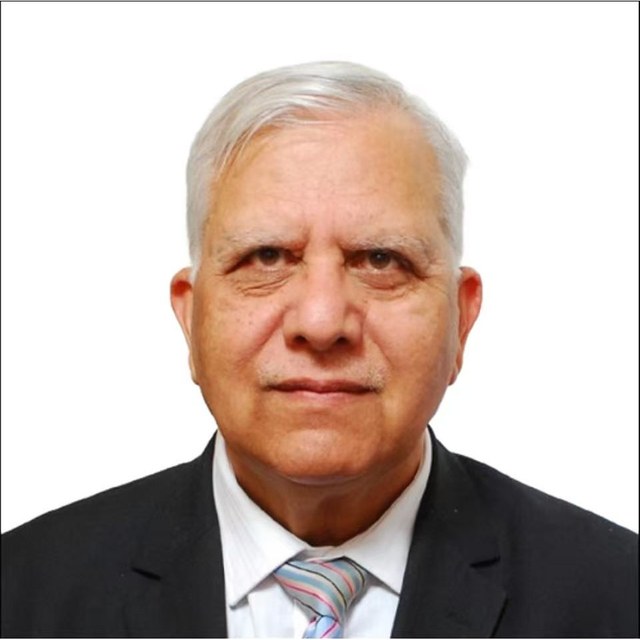
Zamir Ahmed Awan is the founder and Chair of the Global Silk Route Research Alliance, a think tank in Islamabad. He studied engineering at Shanghai University in the 1980s, and years later he went back to China as Pakistan's science counsellor in Beijing, from 2010 until 2016, working on science and higher education cooperation between the two countries.…