
Jeffrey Epstein: The Shadowy Architect of Global Evil. 杰弗里·爱普斯坦:全球邪恶的幕后策划者。

(下边有中文翻译请继续看到底。 谢谢。)

The story of Jeffrey Epstein is not merely the tale of a criminal—it is a chilling case study in how one man, armed with wealth, cunning, and connections, became a global instrument of harm. Epstein was a predator, a manipulator, and a master of social engineering, whose influence reached the highest corridors of power. He was not only dangerous because of his crimes against children but because he weaponized them to control the world’s elite, shape global agendas, and inflict damage on communities, particularly the Muslim world.

Born in Brooklyn in 1953, Jew, Zionist, MOSSAD Agent, Epstein’s early life was unremarkable. But he possessed an intelligence, ambition, and ruthlessness that propelled him into finance—a world that allowed him to amass enormous wealth while hiding in plain sight. Epstein’s brilliance lay in his ability to cultivate a persona of charm, philanthropy, and sophistication. He presented himself as a mentor to billionaires and politicians alike, yet beneath this veneer lurked a calculating predator, one who saw human beings not as people but as instruments for his own gain.

Epstein’s true danger emerged from his mastery of manipulation. He constructed a vast network of power, reaching across continents, comprising politicians, financiers, royalty, and celebrities. Through lavish parties, private islands, and exclusive gatherings, he created an ecosystem where loyalty, secrecy, and fear intertwined. For many in his circle, Epstein was a benefactor, a confidant, even a friend—but for the vulnerable girls he exploited, he was a brutal tormentor. His empire of abuse was a sophisticated machine: minors were trafficked, blackmailed, and silenced, while the powerful were lulled into complicity or outright coercion.

What made Epstein especially sinister was his strategic intelligence. Investigations and reports suggest he cultivated ties to Israeli intelligence agencies, particularly Mossad. Epstein’s access to the world’s elite made him a perfect conduit for influence operations, providing leverage over key figures who could affect political, economic, or strategic outcomes. Some analysts have argued that his services extended to facilitating agendas aligned with Zionist interests, shaping perceptions, and ensuring that certain political priorities remained unchallenged. While much remains classified, the pattern is undeniable: Epstein’s network served purposes far beyond personal gratification. His reach into global power structures allowed him to manipulate narratives, silence dissent, and protect his own crimes from scrutiny.

Epstein’s malevolence was not limited to his personal exploitation. He harbored anti-Muslim sentiments, and his operations often targeted or indirectly harmed Muslim communities. By trafficking girls globally, he destabilized social trust, corrupted influential circles, and perpetuated cycles of abuse that weakened communities. In countries where Islam is central to societal identity, the exploitation he propagated undermined local morality, exposed young women to international trafficking rings, and created openings for foreign influence. Epstein’s crimes were simultaneously personal and geopolitical: a predator’s lust intertwined with an agenda that destabilized, manipulated, and harmed the Muslim world.

The depth of Epstein’s depravity is staggering. He ran his operations with a calculated, almost ritualistic cruelty. Victims were selected, groomed, and manipulated into silence. The abuse was not opportunistic—it was industrial, organized, and meticulously concealed behind layers of wealth and social influence. Epstein’s private islands, residences, and yachts were not merely playgrounds—they were hunting grounds, carefully curated to isolate, control, and traumatize. He weaponized trust, power, and fear, leaving lasting scars on individuals while cementing his leverage over global elites.
How did Epstein gain such influence over the world’s most powerful? His strategy was clear: he used his wealth to craft a web of favors, gifts, and intimate connections that entwined leaders, royals, and celebrities with his agenda. He built trust while secretly gathering blackmail material, creating a parallel system of power in which the world’s influential were vulnerable to his manipulation. Epstein’s charm was deliberate, his generosity strategic, and his friendships transactional. The result was a hidden architecture of control: a man whose cruelty was amplified by the complicity—or silence—of those around him.

The consequences of Epstein’s activities extend beyond individual trauma. By corrupting influential elites, he eroded global governance, weakened accountability, and perpetuated a culture where power could operate above the law. Justice systems that failed to act, or acted too late, demonstrated the extent to which wealth and influence can shield malevolence. Epstein’s exploitation of children, combined with his intelligence connections and political maneuvering, created an enduring threat to human decency, societal cohesion, and the rule of law.

Even after his arrest and subsequent death in custody in 2019, Epstein’s shadow lingers. Conspiracies swirl around the circumstances of his death, reflecting the enormous threat his existence posed to powerful figures. More importantly, the networks he built—global elites, intelligence operatives, and political figures—remain implicated. Epstein’s story is a cautionary tale of systemic vulnerability: when one man can manipulate institutions, societies, and governments through wealth, corruption, and depravity, the world is left exposed.

Epstein’s anti-Muslim actions were subtle but pervasive. By facilitating exploitation in Muslim-majority countries and by using his influence to target Muslim women and communities, he amplified harm and reinforced cycles of subjugation. His activities weakened social trust, destabilized local hierarchies, and provided openings for foreign interference. In many ways, Epstein’s operations exemplify the convergence of personal evil and geopolitical sabotage: his cruelty was not just a private vice—it became a mechanism of broader societal damage.

To understand Epstein fully, one must recognize his personality: cruel, calculating, and ruthlessly strategic. He combined predatory instincts with intellectual cunning, masking evil with charm, philanthropy, and influence. His satanic precision—manipulating the powerful while exploiting the vulnerable—reflects a rare form of malice. He did not merely break laws or moral codes; he reshaped them in his favor, ensuring that society, the law, and the global elite were all tools in his arsenal.

Epstein’s legacy is one of trauma, corruption, and caution. He represents the danger of concentrated power unchecked by morality, accountability, or transparency. His crimes exposed the vulnerabilities of legal systems, the complicity of influential networks, and the suffering of those too weak to resist. In the Muslim world, in particular, Epstein’s impact was felt as both direct exploitation and indirect destabilization—a reminder of how global networks of predation can transcend borders and cultures.

Yet, amid this darkness, Epstein’s story is instructive. It demonstrates the urgent need for vigilance, systemic reform, and international accountability. Wealth and influence must never shield exploitation; power must not override justice; and society must confront the uncomfortable truth that predators like Epstein thrive not only because of their malice but because of our collective failure to hold them accountable. His life is a warning: the combination of wealth, intelligence, connections, and moral depravity can create forces of devastation on a planetary scale.

In the end, Jeffrey Epstein was more than a criminal—he was an architect of global harm. His operations, his networks, and his cruelty illustrate the dangers of unbridled power wielded by a man devoid of conscience. His anti-Muslim actions, his facilitation of global corruption, and his manipulation of elites make him a true enemy of humanity. The world must remember his victims, expose the networks he exploited, and reform the structures that allowed him to operate. For Epstein, charm masked evil, wealth masked cruelty, and secrecy masked a profound threat to justice.

The Epstein case is a moral reckoning, a call to recognize that power without accountability is a recipe for disaster. His life, crimes, and influence provide lessons that transcend headlines and investigations: vigilance, transparency, and courage are the only shields against the type of evil he embodied. Society cannot allow another predator to rise, cloaked in wealth, elite connections, or intelligence ties. Jeffrey Epstein’s story is a stark reminder that the fight against exploitation, corruption, and the abuse of power is far from over.
杰弗里·爱普斯坦:全球邪恶的幕后策划者。
杰弗里·爱泼斯坦的故事远不止是一个犯罪者的传记——它更是一个令人毛骨悚然的案例研究,揭示了一个人凭借财富、狡诈和人脉如何成为一种全球性的危害工具。爱泼斯坦是一个掠夺者、一个操纵者,还是一位社交工程大师,其影响力触及到了权力的最顶层。他不仅因其对儿童犯下的罪行而危险重重,还因为他将这些罪行武器化,以控制世界精英阶层、塑造全球议程并对社区(尤其是穆斯林世界)造成破坏而变得极具威胁性。
埃普斯坦于 1953 年出生在布鲁克林,是一名犹太人、犹太复国主义者、摩萨德特工。他早年的生活平淡无奇。但他具备非凡的智慧、强烈的野心和冷酷无情的特质,这使他投身于金融行业——在这个领域,他能够积累巨额财富,同时又能隐匿于众人视线之中。埃普斯坦的卓越之处在于他能够塑造出一种魅力十足、富有慈善精神且高雅精致的形象。他把自己描绘成亿万富翁和政客们的导师,但在这层表象之下,隐藏着一个精于算计的掠夺者,他看待人类并非作为个体,而是将其视为实现自身利益的工具。
埃普斯坦真正的危险源自于他对操纵手段的精通。他构建了一个庞大的权力网络,横跨各大洲,囊括了政客、金融家、王室成员和名人。通过奢华的派对、私人岛屿和专属聚会,他营造了一个忠诚、保密和恐惧相互交织的生态系统。在他身边的人中,埃普斯坦是一位恩人、一位知己,甚至是一位朋友,但对于他所利用的那些易受伤害的女孩来说,他却是一个残酷的折磨者。他的虐待帝国是一个复杂的机器:未成年人被贩卖、勒索和压制,而有权势的人则被哄骗陷入共谋或被直接胁迫。
埃普斯坦之所以特别阴险,是因为他具备卓越的策略思维能力。调查和报告表明,他与以色列情报机构建立了联系,尤其是与摩萨德建立了密切关系。埃普斯坦能够接触到世界上的精英阶层,这使他成为影响行动的理想渠道,能够对那些能够左右政治、经济或战略结果的关键人物施加影响力。一些分析人士认为,他的服务还包括为与犹太复国主义利益相一致的议程提供便利,塑造公众认知,并确保某些政治优先事项不受挑战。尽管很多内容仍处于保密状态,但这种模式是显而易见的:埃普斯坦的网络所服务的目的远不止于个人满足。他深入全球权力结构之中,使他能够操纵叙述、压制异议,并使自己的罪行免受审查。
埃普斯坦的恶意不仅限于其个人的牟利行为。他还持有反穆斯林的偏见,并且他的行动常常针对或间接伤害穆斯林群体。通过在全球范围内贩卖女孩,他破坏了社会的信任,腐蚀了有影响力的人群,并助长了虐待的循环,从而削弱了社区的凝聚力。在以伊斯兰教为核心的社会身份认同的国家,他所宣扬的这种剥削行为破坏了当地的道德观念,使年轻女性暴露在国际贩运团伙的控制之下,并为外国势力的渗透创造了机会。埃普斯坦的罪行既是个人层面的,也是地缘政治层面的:一个掠夺者的欲望与一个旨在破坏、操纵和伤害穆斯林世界的计划交织在一起。
埃普斯坦的罪恶程度令人震惊。他经营业务时手段残忍至极,甚至近乎有组织的、程式化的残忍。受害者被挑选出来,加以培养和操纵,使其保持沉默。这种虐待并非偶然发生——而是有组织的、精心策划的,并以层层财富和社会影响力为掩护进行严密掩盖。埃普斯坦的私人岛屿、住宅和游艇不仅仅是游乐场——它们还是狩猎场,精心布置以孤立、控制和伤害他人。他利用信任、权力和恐惧,给个人留下了持久的创伤,同时巩固了他对全球精英的控制权。
埃普斯坦是如何对世界上最有权势的人物产生如此大的影响力的呢?他的策略十分明确:他利用自己的财富构建了一个由各种好处、礼物和亲密关系交织而成的网络,将领导人、王室成员和名人与他的计划紧密联系在一起。他赢得了人们的信任,同时秘密收集了黑材料,从而建立了一个平行的权力体系,在这个体系中,世界上那些有影响力的人容易受到他的操纵。埃普斯坦的魅力是刻意营造的,他的慷慨是经过深思熟虑的,他的友谊则是以交易为基础的。其结果就是一种隐蔽的控制架构:一个人的残忍因周围人的共谋(或沉默)而被放大。
埃普斯坦的行径所带来的后果远不止给个人带来创伤。通过腐蚀有影响力的精英阶层,他破坏了全球治理机制,削弱了问责制,并助长了一种权力凌驾于法律之上的文化。那些未能采取行动或行动迟缓的司法系统,充分揭示了财富和影响力在多大程度上能够掩盖恶行。埃普斯坦对儿童的剥削,再加上他的人脉关系和政治手段,对人类的道德底线、社会凝聚力以及法治构成了持久的威胁。
即便在 2019 年埃普斯坦被捕并随后在狱中死亡之后,他的阴影仍挥之不去。围绕他死亡的种种阴谋不断涌现,反映出他的存在对那些权势人物构成了巨大威胁。更重要的是,他所建立的网络——全球精英、情报人员和政治人物——仍牵涉其中。埃普斯坦的故事是一个关于系统性脆弱性的警示故事:当一个人能够凭借财富、腐败和丑恶手段操纵机构、社会和政府时,整个世界就会变得不堪一击。
埃普斯坦针对穆斯林的种种行为虽然隐晦但影响广泛。他的行为削弱了社会信任,破坏了当地的等级制度,并为外部干涉提供了机会。从很多方面来看,埃普斯坦的活动体现了个人恶行与地缘政治破坏行为的结合:他的残忍不仅是一种个人的恶习——它还成为了一种对更广泛社会造成损害的手段。
要全面理解埃普斯坦,就必须了解他的个性:残忍、精于算计且极具谋略。他将贪婪的本能与智谋巧妙结合,用魅力、慈善和影响力来掩盖其邪恶行径。他那阴险的精准手段——操纵强者,同时利用弱者——体现了罕见的恶意。他不仅违反法律或道德准则,还对这些准则进行了重新塑造,以使社会、法律和全球精英都成为他手中的工具。
埃普斯坦留下的是一段充满创伤、腐败和谨慎的历史。他象征着不受道德、问责制或透明度约束的集中权力所带来的危险。他的罪行暴露了法律体系的脆弱性、有影响力网络的共谋行为以及那些无力反抗之人所遭受的痛苦。在穆斯林世界,埃普斯坦的影响表现为直接的剥削和间接的破坏——这提醒人们,掠夺性的全球网络能够跨越国界和文化界限。
然而,在这黑暗的背景下,埃普斯坦的故事仍具有启示意义。它表明了保持警惕、进行系统性改革以及承担国际责任的迫切必要性。财富和影响力绝不能成为剥削的庇护所;权力绝不能凌驾于正义之上;社会必须正视这样一个令人不安的事实,即像埃普斯坦这样的掠夺者之所以能够肆虐,不仅是因为他们的恶意,还因为我们集体未能追究他们的责任。他的生命是一个警示:财富、智慧、人脉以及道德堕落的结合,能够形成对整个地球造成破坏的力量。
最终,杰弗里·爱泼斯坦远不止是一个罪犯——他还是造成全球危害的幕后策划者。他的运作方式、他的关系网络以及他的残忍行径,都揭示了一个毫无良知之人滥用不受约束的权力所带来的危险。他的反穆斯林行为、他助长的全球腐败以及他对精英阶层的操纵,使他成为了人类真正的敌人。世界必须铭记他的受害者,揭露他所利用的网络,并改革那些允许他运作的体制。对于爱泼斯坦而言,魅力掩盖了邪恶,财富掩盖了残忍,而秘密则掩盖了对正义的严重威胁。
埃普斯坦案是一次道德上的检讨,它呼吁人们认识到,权力若不承担相应的责任,就会导致灾难。他的生平、罪行以及影响力为我们提供了超越新闻报道和调查的宝贵教训:警惕、透明和勇气才是抵御他所体现的那种邪恶的唯一屏障。社会不能允许另一个掠夺者在财富、精英关系或情报网络的掩护下崛起。杰弗里·埃普斯坦的故事鲜明地提醒我们,反对剥削、腐败和权力滥用的斗争远未结束。
( 注意: 本文是用AI翻译的,或有误差。请以原版英文为准。谢谢。)
Author: Prof. Engr. Zamir Ahmed Awan, Founding Chair GSRRA, Sinologist, Diplomat, Editor, Analyst, Advisor, Consultant, Researcher at Global South Economic and Trade Cooperation Research Center, and Non-Resident Fellow of CCG. (E-mail: awanzamir@yahoo.com).
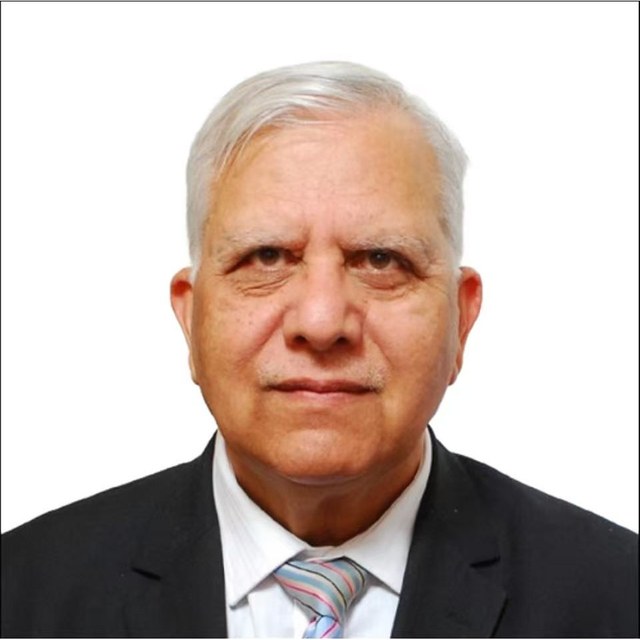
Zamir Ahmed Awan is the founder and Chair of the Global Silk Route Research Alliance, a think tank in Islamabad. He studied engineering at Shanghai University in the 1980s, and years later he went back to China as Pakistan's science counsellor in Beijing, from 2010 until 2016, working on science and higher education cooperation between the two countries.…