Chinese century-old wisdom and the diplomacy of peace in a turbulent world. 中国古老智慧与在动荡世界中的和平外交策略
Wire desk byline Sourced from Xinhua, Dawn, Arab News, Anadolu and Minute Mirror. Translated and abridged by the GSRRA Desk.

(下边有中文翻译请继续看到底。 谢谢。)

The world has entered 2026 burdened by deep uncertainty. Wars persist, trust among major powers has eroded, multilateral institutions are under strain, and economic fragmentation threatens global development. Humanity once again stands at a crossroads: one path leads toward confrontation, exclusion, and zero-sum rivalry; the other toward dialogue, cooperation, and shared security. At this defining moment, China’s diplomacy—rooted in centuries-old civilizational wisdom and guided by contemporary visionary leadership—has emerged as a stabilizing force committed to global peace, balance, and development.
In the opening weeks of 2026, Chinese President Xi Jinping’s intensive bilateral and multilateral engagements across neighboring regions, Europe, North America, and the Global South have drawn wide international attention. These interactions are not isolated diplomatic gestures; they reflect a coherent worldview shaped by Chinese history, philosophy, and long-term strategic thinking. Under Xi’s leadership, China’s diplomacy is opening a new chapter—one that seeks not dominance, but harmony; not confrontation, but coexistence; and not exclusion, but a community with a shared future for humanity.
A civilizational approach to diplomacy
Chinese diplomacy is deeply informed by the country’s civilizational heritage. For thousands of years, Chinese political thought has emphasized harmony without uniformity, mutual respect, moral responsibility, and peaceful coexistence. Concepts such as 和而不同 (he er bu tong, harmony in diversity) and 天下 (tian xia, a world shared by all) continue to shape China’s modern foreign policy thinking. Rather than viewing international relations as a battlefield of inevitable conflict, China approaches diplomacy as a process of balancing interests, managing differences, and expanding common ground.
Xi has consistently translated this philosophical inheritance into practical diplomacy. His vision of building a community with a shared future for humanity is not rhetorical idealism; it is a structured response to a fragmented world order. It offers an alternative to hegemonic politics by proposing cooperation based on equality, respect for sovereignty, and shared development.
Constructing closer global partnerships
China’s early-2026 diplomatic calendar reflects this inclusive vision. On New Year’s Eve, Xi exchanged greetings with Russian President Vladimir Putin, reviewing a year of substantive progress in the China-Russia comprehensive strategic partnership of coordination for a new era. This relationship, grounded in mutual respect and non-alignment, contributes to strategic stability and resists bloc confrontation in international politics.
On Jan. 5, Xi welcomed President Lee Jae Myung of the Republic of Korea, the first foreign head of state to visit China in 2026. Their meeting underscored the importance both sides attach to neighborly relations. As close neighbors and economic partners, China and the ROK reaffirmed the need for frequent communication, people-to-people exchanges, and pragmatic cooperation. Such engagement reflects China’s belief that regional peace is built through dialogue rather than deterrence.
The same day, Xi met Irish Taoiseach Micheal Martin, marking the first visit by an Irish Taoiseach in 14 years. Their discussions highlighted how China engages Europe not through ideological alignment, but through strategic communication, political trust, and mutually beneficial cooperation. Ireland’s commitment to deepening ties with China adds momentum to China-EU relations at a time when Europe seeks strategic autonomy and balanced global engagement.
China’s outreach continues across the Atlantic and the Arctic Circle. The visit of Canadian Prime Minister Mark Carney on Jan. 16—the first by a Canadian prime minister in eight years—resulted in constructive proposals to guide bilateral ties onto a path of steady and sustainable development. Meanwhile, the ongoing visit of Finnish Prime Minister Petteri Orpo reflects growing European interest in engaging China as an indispensable economic and diplomatic partner.
Equally significant is China’s unwavering solidarity with the Global South. As China and Africa mark 70 years of diplomatic relations, Xi’s congratulatory message to the China-Africa Year of People-to-People Exchanges reaffirms a partnership based on equality, respect, and shared modernization. Chinese Foreign Minister Wang Yi’s first overseas visit of the year to Africa—continuing a 36-year tradition—symbolizes China’s consistency and sincerity.
China’s engagement with Latin America follows the same principle. In his conversation with Brazilian President Luiz Inacio Lula da Silva, Xi emphasized China’s commitment to being a good friend and partner to countries in Latin America and the Caribbean (LAC) and to advancing the China-LAC community with a shared future. These interactions demonstrate China’s efforts to amplify the voice of developing countries and promote a more balanced global order.
In an era marked by protectionism and economic coercion, China’s diplomacy has sent a clear message: openness and cooperation remain the only sustainable path forward. Xi’s engagements in early 2026 strongly reaffirm China’s commitment to high-level opening-up and win-win development.
As China enters the implementation phase of its 15th Five-Year Plan, the global appetite for Chinese opportunities is evident. Chinese modernization—characterized by innovation, green development, and shared prosperity—offers tangible benefits to partners worldwide. Xi’s assurance that China will open its doors even wider reflects strategic confidence and a sense of responsibility toward global development.
Deepening people-to-people bonds
Beyond state-to-state relations, China’s diplomacy places people at its core. Xi has repeatedly emphasized that friendship among nations is rooted in mutual understanding between peoples. Cultural exchange, youth engagement, and educational cooperation are therefore essential pillars of China’s foreign policy.
The designation of 2026–2027 as the China-Russia Years of Education reflects a long-term investment in mutual understanding. With the ROK, Xi called on both sides to increase personnel exchanges and promote interactions in areas such as youth, media, sports, think tanks and local governments.
In his meeting with Martin, Xi extended a warm welcome for more Irish youth to come to China for study and exchanges.
Perhaps most symbolically, Xi’s response to a letter from a U.S. youth delegation underscored his belief that future stability depends on younger generations. By encouraging American youth to become ambassadors of friendship, China is investing in long-term peace beyond short-term political cycles.
This emphasis on human connection reflects the inclusive nature of Chinese civilization—one that values diversity, learning, and coexistence. In a world increasingly shaped by misinformation and cultural estrangement, China’s insistence on dialogue and mutual learning is both timely and necessary.
Advancing multilateralism for a shared future
Global governance today faces severe fragmentation. Yet China has consistently positioned itself as a defender of true multilateralism. In his 2026 New Year message, Xi acknowledged global turbulence while reaffirming China’s readiness to work with all countries for peace and development.
China’s approach is clear: respect for sovereignty, adherence to international law, and commitment to the purposes and principles of the United Nations Charter. Xi has repeatedly stressed that major powers bear special responsibility to set positive examples rather than impose unilateral agendas.
At a time when some advocate decoupling, confrontation, and zero-sum games, China offers a different logic—one rooted in cooperation and shared security. As Xi has emphasized, division has no future, and the return to the law of the jungle is neither acceptable nor sustainable.
As 2026 begins, China’s major-country diplomacy with Chinese characteristics has set a steady and confident course. Drawing on century-old wisdom and contemporary strategic insight, China is injecting stability into a volatile world. Its diplomacy offers not only hope, but practical pathways for cooperation, development, and peace.
中国古老智慧与在动荡世界中的和平外交策略
世界已经进入2026年,却笼罩在深刻的不确定性之中。战争仍在持续,大国之间的互信不断削弱,多边机构面临严峻挑战,经济碎片化正威胁全球发展。人类再次站在十字路口:一条道路通向对抗、排他和零和竞争;另一条道路则通向对话、合作与共同安全。在这一关键时刻,植根于数百年文明智慧、并由当代富有远见的领导力引领的中国外交,正成为致力于维护全球和平、平衡与发展的稳定力量。
2026年伊始,中国国家主席习近平在周边地区、欧洲、北美以及全球南方展开密集的双边和多边外交互动,引起国际社会广泛关注。这些交往并非零散的外交举动,而是体现了一种由中国历史、哲学和长期战略思维塑造的系统性世界观。在习近平主席的领导下,中国外交正在开启新篇章——追求的不是霸权,而是和谐;不是对抗,而是共处;不是排他,而是构建人类命运共同体。
文明视角下的外交理念
中国外交深受自身文明传统的滋养。数千年来,中国政治思想始终强调和而不同、相互尊重、道义责任与和平共处。“和而不同”“天下大同”等理念,持续塑造着中国当代外交思维。中国并不将国际关系视为必然冲突的战场,而是将外交视为平衡利益、管控分歧、扩大共同利益的过程。
习近平主席始终将这一哲学传承转化为务实外交实践。他提出构建人类命运共同体,并非空洞的理想主义,而是对碎片化世界秩序的系统性回应。这一理念为国际社会提供了不同于霸权政治的选择,倡导在平等、尊重主权和共同发展的基础上开展合作。
构建更加紧密的全球伙伴关系
中国2026年初的外交日程正是这一包容性愿景的生动体现。除夕之际,习近平主席与俄罗斯总统普京互致新年问候,回顾了中俄新时代全面战略协作伙伴关系在2025年取得的实质性进展。这种建立在相互尊重、不结盟基础上的关系,有助于维护战略稳定,反对国际政治中的阵营对抗。
1月5日,习近平主席欢迎韩国总统李在明访华,这是2026年首位访华的外国元首。双方会晤凸显了中韩两国对睦邻关系的高度重视。作为近邻和重要经济伙伴,中韩重申要加强沟通、深化人文交流、推进务实合作。这体现了中国一贯坚持的理念:地区和平源于对话,而非威慑。
同日,习近平主席会见了爱尔兰总理米歇尔·马丁,这是14年来爱尔兰总理首次访华。会谈表明,中国同欧洲交往并非基于意识形态对立,而是着眼于战略沟通、政治互信和互利合作。爱尔兰深化对华关系的意愿,也为中欧关系注入新的动力,尤其是在欧洲寻求战略自主与平衡外交的背景下。
中国的外交足迹还延伸至大西洋彼岸和北极圈。1月16日,加拿大总理马克·卡尼访华,这是八年来加拿大总理首次访华,双方就推动双边关系沿着健康、稳定、可持续方向发展提出建设性方案。同时,芬兰总理佩特里·奥尔波的访问,也反映出欧洲国家日益认识到中国在经济和外交领域的不可替代性。
同样重要的是,中国始终坚定支持全球南方。值中非建交70周年之际,习近平主席向中非人文交流年活动致贺信,重申了建立在平等、尊重和共同现代化基础上的中非伙伴关系。中国外交部长王毅新年首次出访非洲,延续了36年的外交传统,充分体现了中国外交的连续性和诚意。
中国对拉丁美洲的外交同样遵循这一原则。在同巴西总统卢拉通话时,习近平主席强调,中国将始终做拉美和加勒比国家的好朋友、好伙伴,推动构建中拉命运共同体。这些互动体现了中国努力放大发展中国家声音、推动更加均衡的全球秩序。
坚持开放合作,促进共同发展
在保护主义和经济胁迫抬头的时代,中国外交向世界传递出清晰信息:开放与合作仍是唯一可持续的发展道路。习近平主席在2026年初的一系列外交活动中,再次坚定重申中国推进高水平对外开放、实现互利共赢的承诺。
随着中国进入第十五个五年规划的实施阶段,国际社会对中国机遇的期待日益明显。以创新、绿色发展和共同富裕为特征的中国式现代化,正在为世界各国带来实实在在的利益。习近平主席强调,中国将把大门开得更大,这既体现了战略自信,也彰显了对全球发展的责任担当。
深化民心相通
中国外交不仅关注国家关系,更把人民置于核心位置。习近平主席多次指出,国与国之间的友谊根基在于人民之间的相互理解。因此,人文交流、青年交往和教育合作成为中国外交的重要支柱。
将2026—2027年确定为中俄教育交流年,体现了对长期互信的战略投入。对韩国,习近平主席呼吁双方加强人员往来,推动青年、媒体、体育、智库和地方政府等领域交流。在会见爱尔兰总理时,习近平主席也热情欢迎更多爱尔兰青年赴华学习交流。
尤为引人注目的是,习近平主席在回信美国青年交流团时指出,未来的稳定寄托在年轻一代身上。他鼓励美国青年成为中美友谊的使者,体现了中国超越短期政治周期、着眼长远和平的胸怀。
这种对人文纽带的重视,正是中华文明包容性精神的体现——尊重多样性、崇尚学习、追求共生。在信息失真和文化隔阂加剧的当下,中国坚持对话与互鉴尤显珍贵。
推动真正的多边主义,共创共享未来
当今全球治理面临严重碎片化挑战,但中国始终是坚定的多边主义捍卫者。习近平主席在2026年新年贺词中直面世界动荡,同时重申中国愿同各国一道,推动世界和平与发展。
中国的立场一以贯之:尊重各国主权,遵守国际法,维护联合国宪章宗旨和原则。习近平主席多次强调,大国更应率先垂范,而不是推行单边议程。
在一些国家鼓吹“脱钩”“对抗”和零和博弈之际,中国提出的是以合作与共同安全为核心的另一种逻辑。正如习近平主席所强调的,分裂没有前途,回到弱肉强食的丛林法则既不可取,也不可持续。
2026年伊始,中国特色大国外交已经稳健起步。汲取百年文明智慧,融合当代战略洞察,中国正为动荡世界注入稳定性。中国外交不仅提供希望,更为合作、发展与和平开辟了切实可行的道路。
( 注意: 本文是用AI翻译的,或有误差。请以原版英文为准。谢谢。)
Reference Link:- https://en.people.cn/n3/2026/0126/c90000-20418683.html
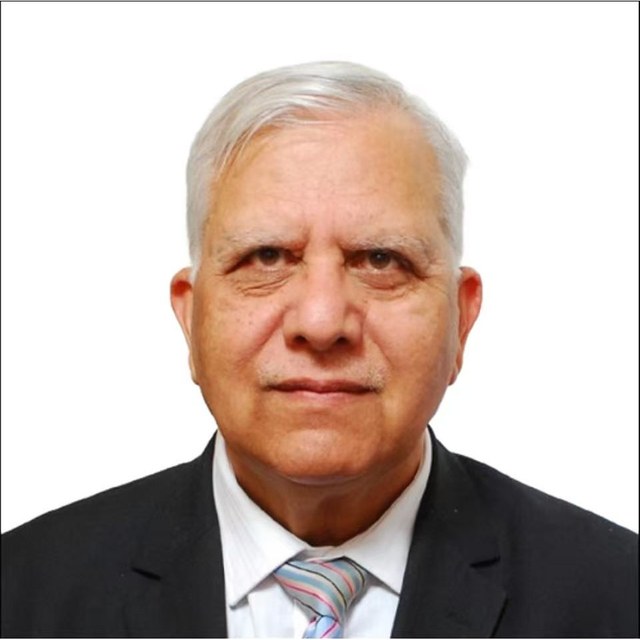
Zamir Ahmed Awan is the founder and Chair of the Global Silk Route Research Alliance, a think tank in Islamabad. He studied engineering at Shanghai University in the 1980s, and years later he went back to China as Pakistan's science counsellor in Beijing, from 2010 until 2016, working on science and higher education cooperation between the two countries.…