Quitting the UN and International Organizations, US is heading toward Isolation. 美国退出联合国及各类国际组织,正走向孤立。
Wire desk byline Sourced from Xinhua, Dawn, Arab News, Anadolu and Minute Mirror. Translated and abridged by the GSRRA Desk.

(下边有中文翻译请继续看到底。 谢谢。)
The modern international system that emerged after World War II rested on a deceptively simple premise: lasting peace and shared prosperity require rules stricter than raw power, institutions stronger than unilateral will, and norms respected by all—especially the most powerful. The United States was not merely a participant in this system; it was its chief architect, financier, and self-proclaimed guardian. For decades, Washington portrayed itself as the custodian of international law, the defender of human rights, and the champion of multilateral cooperation.
Today, that claim rings increasingly hollow.
Under President Donald Trump’s renewed leadership, the United States appears to be systematically retreating—politically, diplomatically, and morally—from the very order it once helped construct. This retreat is not accidental, nor is it limited to budgetary disputes or bureaucratic disagreements. It reflects a deeper ideological shift away from multilateralism toward unilateralism, coercion, and transactional power politics. The consequences of this shift are no longer theoretical. They are unfolding in real time, with destabilizing effects on global governance, international law, and America’s own standing in the world.
A Systematic Withdrawal from Global Responsibility
One of the clearest manifestations of this retreat has been Washington’s disengagement from multilateral institutions. The Trump administration has openly questioned the value of international organizations, portraying them as constraints on U.S. sovereignty rather than platforms for collective problem-solving. Climate governance, global health, development cooperation, women’s rights, population programs, and scientific collaboration have all been framed as optional—or even burdensome—commitments.
By distancing itself from UN-linked mechanisms dealing with climate change, public health, gender equality, and humanitarian relief, the United States has sent a stark message: global challenges are someone else’s problem. This posture is particularly damaging because the issues involved—climate collapse, pandemics, food insecurity, forced migration—are inherently transnational. No wall, tariff, or military base can insulate any country from its effects.
The stated justification for withdrawal has been cost efficiency and national sovereignty. Yet the contradiction is glaring. The same administration that rejects modest multilateral financial commitments continues to allocate vast sums to military expansion and overseas interventions. What is being abandoned is not expense, but responsibility.
From Rules to Force: The Normalization of Unilateral Violence
Even more destabilizing than institutional withdrawal is the United States’ growing reliance on military force as a primary instrument of foreign policy. The Trump administration has repeatedly signaled that diplomacy and international law are secondary to coercion, deterrence, and “showing strength.”
Military actions and threats—whether directed at Venezuela, Iran, Afghanistan, or other states—have frequently bypassed the United Nations Security Council, ignored the principles of proportionality and necessity, and undermined the prohibition on the use of force enshrined in Article 2(4) of the UN Charter. These actions are often justified using vague claims of national security, preemption, or “restoring order,” without transparent evidence or international authorization.
Such behavior erodes the very norms Washington once insisted others must follow. When the world’s most powerful state treats international law as optional, it signals to others that rules are negotiable and force is permissible. This is not leadership; it is precedent-setting irresponsibility.
Gaza and the Collapse of Moral Consistency
Nowhere is American hypocrisy more visible—or more devastating—than in its unwavering support for Israel during the catastrophe in Gaza. As civilian casualties mounted into the tens of thousands, as entire neighborhoods were reduced to rubble, and as famine and disease spread among displaced populations, the United States consistently shielded Israel from accountability at the United Nations.
Repeated vetoes, diplomatic cover, and arms transfers continued even as UN officials, humanitarian organizations, and independent legal experts warned of grave breaches of international humanitarian law and potential violations of the Geneva Conventions. The principle of protecting civilians—a cornerstone of the laws of war—was selectively applied, if at all.
For much of the Global South, this double standard has been impossible to ignore. Human rights, it appears, are defended when politically convenient and dismissed when allies are involved. International law is invoked against adversaries and suspended for partners. This selective morality has done profound damage to America’s credibility, particularly in Muslim-majority countries and regions historically subjected to colonial violence.
Violating the Spirit—and the Letter—of International Law
Beyond Gaza, the pattern is consistent. Unilateral sanctions that devastate civilian populations, military strikes without UN authorization, threats against sovereign states, and disregard for international judicial bodies have all contributed to the perception that the United States places itself above the law.
From the invasion of Iraq—widely recognized as a violation of the UN Charter—to the normalization of extraterritorial sanctions and the rejection of the International Criminal Court’s jurisdiction, Washington has repeatedly undermined the legal frameworks it helped design. Each violation weakens the system further, making it harder to restrain aggression elsewhere.
History shows that when powerful states abandon restraint, the costs are not confined to distant battlefields. Instability spreads. Arms races intensify. Smaller states feel compelled to seek security through militarization or alliances, increasing global tension.
A World That Is No Longer Receptive
As a result of these policies, American actions are increasingly met not with support but with resistance, criticism, and quiet distancing. From Latin America to Africa, from Southeast Asia to the Middle East, there is a growing sense that U.S. leadership is neither impartial nor benevolent.
International criticism has come from UN officials alarmed by the erosion of multilateralism, from humanitarian agencies decrying the politicization of aid, and from governments frustrated by sanctions, coercion, and double standards. Even traditional allies have expressed unease, recognizing that a rules-based order cannot survive selective enforcement.
This global resentment is not ideological; it is experiential. Communities that bear the consequences of war, sanctions, and climate inaction do not experience U.S. policy as an abstract strategy. They experience it as displacement, poverty, and loss.
The Collapse of American Soft Power
Once, America’s greatest strength was not its military, but its soft power—the ability to persuade, inspire, and attract. Universities, cultural exchange, development assistance, diplomacy, and moral leadership made the United States influential even where it lacked direct leverage.
That reservoir is rapidly depleting.
Harsh immigration policies, racialized rhetoric, hostility toward refugees, and tolerance for extremist narratives have tarnished America’s image as an open and inclusive society. For many across Africa, Asia, and Latin America, the promise of equality and opportunity has been replaced by exclusion and suspicion.
Soft power cannot be commanded. It must be earned. And today, trust in American leadership is being replaced by skepticism and fatigue.
A Strategic Vacuum—and China’s Opportunity
As the United States retreats, the international system does not stand still. Leadership vacuums invite new actors.
China, in particular, has positioned itself as a defender of multilateralism and institutional stability, whatever debates may exist about its intentions or governance model. Through increased engagement with the United Nations, expanded development financing, peacekeeping contributions, and South–South cooperation, Beijing has steadily increased its influence across the Global South.
If Washington continues to withdraw funding, participation, and political support from international institutions, China is well placed to fill the gap. Expanded financial contributions to UN agencies, greater involvement in norm-setting bodies, and deeper diplomatic engagement would naturally translate into greater influence.
This would not represent a “takeover” of the UN, but a rebalancing driven by American absence. Institutions respond to those who show up, contribute, and engage. Leadership, after all, is exercised—not claimed.
Isolation Is Not Strength
In an era defined by climate emergencies, pandemics, technological disruption, and geopolitical uncertainty, isolation is not a strength. It is a strategic vulnerability.
Multilateralism does not erode sovereignty; it manages interdependence. It allows states to share burdens, resolve disputes peacefully, and prevent crises from spiraling into conflict. The United States benefited enormously from this system for its security, its economy, and its global influence.
Turning away from it weakens not only the world, but America itself.
A Choice That Still Exists
This moment is not yet irreversible. The United States can still choose cooperation over coercion, law over force, and leadership over dominance. But that choice requires humility—the recognition that power without legitimacy breeds resistance, and that security cannot be achieved through militarization alone.
Ultimately, responsibility does not rest solely with leaders. It rests with societies. Democratic accountability, civic engagement, and intellectual integrity matter—especially in moments of global consequence.
Scholars, jurists, diplomats, policymakers, media professionals, and civil society actors have a duty to challenge excesses of power and defend the principles that underpin international order. Silence, in such moments, is complicity.
The world does not need an America that rules by fear. It needs an America that leads by example—one that respects international law, values all human lives equally, and recognizes that justice, not dominance, is the foundation of lasting peace.
History will judge not only those who wielded power, but those who choose whether to restrain it. The choice is immediate, and the consequences will shape the global order for generations to come.
美国退出联合国及各类国际组织,正走向孤立。
二战后形成的现代国际体系基于一个看似简单却实则深刻的理念:持久的和平与共同的繁荣需要比武力更严格的规则、比单方面意志更强大的制度,以及所有国家(尤其是最强大的国家)都遵守的规范。美国不仅参与了这一体系,而且还是其主要的规划者、资助者以及自称的守护者。数十年来,华盛顿一直将自己描绘成国际法的守护者、人权的捍卫者以及多边合作的倡导者。
如今,这种说法听起来愈发站不住脚了。
在唐纳德·特朗普重新掌权之后,美国似乎正在有计划地退缩——在政治、外交和道德层面都逐渐背离了它曾经助力构建的秩序。这种退缩并非偶然之举,也不仅局限于预算争端或官僚分歧。它反映了更深层次的意识形态转变,即从多边主义转向单边主义、胁迫手段和交易性强权政治。这种转变所带来的后果已不再只是理论上的,而是正在实时显现,对全球治理、国际法以及美国在世界上的地位都产生了破坏性的影响。
全面放弃全球责任的行为
这种退缩现象最明显的体现之一就是华盛顿对多边机构的疏离。特朗普政府公开质疑国际组织的价值,将其描述为对美国主权的限制,而非集体解决问题的平台。气候治理、全球卫生、发展合作、妇女权利、人口项目以及科学合作等都被视为可有可无——甚至是有负担的——义务。
美国摒弃了与联合国有关联的那些处理气候变化、公共卫生、性别平等和人道主义救援等事务的机制,这传递出一个鲜明的信息:全球性难题是别国的问题。这种态度极具破坏性,因为所涉及的问题——气候崩溃、传染病、粮食短缺、被迫迁移——本质上是跨国性的。任何围墙、关税或军事基地都无法使任何国家免受其影响。
退出的官方理由是成本效益和国家主权。然而其中存在明显的矛盾。正是这个政府,一方面拒绝承担适度的多边财政承诺,另一方面却继续投入巨额资金用于军事扩张和海外干预。实际上放弃的并非开支,而是责任。
从规则到强制:单方面暴力的常态化
比制度性撤军更具破坏性的是,美国愈发依赖军事力量作为其外交政策的主要手段。特朗普政府多次表示,外交手段和国际法在本质上都低于强制手段、威慑手段以及“展示实力”这些手段。
军事行动和威胁——无论是针对委内瑞拉、伊朗、阿富汗还是其他国家的——常常绕过联合国安理会,违背了比例原则和必要性原则,并破坏了《联合国宪章》第二条第 4 款中所规定的禁止使用武力的规定。这些行动往往以模糊的国家安全、先发制人或“恢复秩序”的名义为借口,而没有提供透明的证据或获得国际授权。
这种行为破坏了华盛顿曾经所坚持要求其他国家必须遵守的那些准则。当世界上最强大的国家将国际法视为可有可无的东西时,这向其他国家传递出一个信号:规则是可以协商的,武力也是可以使用的。这并非领导力的表现,而是一种开创先例的不负责任行为。
加沙与道德一致性的崩溃
在加沙发生的灾难中,美国的虚伪表现得最为明显,其影响也最为严重。当平民伤亡人数达到数万人,整个街区化为废墟,流离失所者中出现饥荒和疾病时,美国却一直阻止以色列在联合国受到问责。
尽管联合国官员、人道主义组织以及独立法律专家纷纷发出警告,称存在严重违反国际人道主义法以及可能违反《日内瓦公约》的行为,但相关国家仍继续进行多次否决、提供外交庇护以及进行武器转让。保护平民这一战争法的重要原则——即便存在,也是有选择性地执行的。
对于全球南方的大多数地区而言,这种双重标准是无法被忽视的。看起来,人权在政治有利的情况下会得到维护,而在有盟友参与的情况下则会被忽视。国际法在针对对手时会被援引,而在对待伙伴时则会被搁置。这种有选择性的道德观对美国的信誉造成了极大的损害,尤其是在穆斯林占多数的国家和地区,这些地区在过去曾遭受过殖民暴力的侵害。
违背国际法的精神及条文规定
在加沙以北地区,情况也是一致的。单方面实施的制裁致使平民生活陷入困境,未经联合国授权的军事打击、对主权国家的威胁以及对国际司法机构的无视,都加深了人们认为美国凌驾于法律之上的这种看法。
从入侵伊拉克(这一行为被普遍认为违反了《联合国宪章》)到实施境外制裁措施的常态化以及拒绝国际刑事法院的管辖权,华盛顿方面不断破坏其曾参与设计的法律框架。每一次的违规行为都进一步削弱了这一体系,使得在其他地方遏制侵略行为变得更加困难。
历史表明,当强国放弃克制时,其后果并不仅限于遥远的战场。不稳定局势会蔓延开来。军备竞赛会加剧。较小的国家会被迫通过军事化或结盟来寻求安全保障,从而加剧全球紧张局势。
一个不再接纳外界的“世界”
由于这些政策的实施,美国的行动不再得到支持,而是遭到了抵制、批评和悄然的疏远。从拉丁美洲到非洲,从东南亚到中东,人们越来越觉得美国的领导方式既不公正也不仁慈。
国际社会对此纷纷提出批评。联合国官员对此深感忧虑,因为他们担心多边主义正在受到侵蚀;人道主义组织对此表示谴责,因为他们反对援助工作的政治化;各国政府对此也感到不满,因为制裁、胁迫和双重标准的做法让他们感到无奈。就连传统的盟友也表达了不安情绪,他们意识到基于规则的秩序无法在有选择性执行的情况下存续下去。
这种全球性的不满并非源于意识形态层面,而是基于个人经历。那些遭受战争、制裁以及气候政策不力所带来后果的群体,并不会将美国的政策视为一种抽象的策略。他们感受到的却是流离失所、贫困和损失。
美国软实力的崩溃
曾经,美国最强大的优势并非其军事力量,而是其“软实力”——即说服力、感染力和吸引力。大学教育、文化交流、发展援助、外交手段以及道德领导力使美国即便在自身没有直接影响力的情况下,也能发挥其影响力。
那个水库的水量正在迅速减少。
严厉的移民政策、带有种族色彩的言论、对难民的敌视态度以及对极端主义观点的容忍,这些都损害了美国作为开放包容社会的形象。对于非洲、亚洲和拉丁美洲的许多人而言,平等和机遇的承诺已被排斥和猜疑所取代。
软实力无法强加于人,而是需要通过努力获得。而如今,人们对美国领导力的信任正在被怀疑和厌倦所取代。
战略空白——中国的机遇
随着美国的退缩,国际体系并未停滞不前。权力真空会吸引新的参与者介入。
尤其是中国,无论外界对其意图或治理模式存在何种争议,它都已将自己定位为多边主义和制度稳定性的捍卫者。通过加强与联合国的合作、扩大发展融资、参与维和行动以及开展南南合作,北京在全球南方地区的影响力正稳步提升。
如果华盛顿继续减少对国际机构的资金投入、参与程度以及政治支持,那么中国就完全有能力填补这一空缺。增加对联合国机构的财政投入、更多地参与规范制定机构的工作以及加强外交互动,这些举措自然会带来更大的影响力。
这并非是对联合国的“接管”,而是一种因美国缺席而引发的重新平衡。各个机构会根据那些积极参与、作出贡献的参与者来做出反应。毕竟,领导权是通过实际行动来行使的,而非仅仅被宣称拥有。
孤立并非力量所在
在一个由气候危机、疫情、技术变革以及地缘政治不确定性所定义的时代,孤立并非是一种优势,而是一种潜在的致命弱点。
它使各国能够分担责任、和平解决争端,并防止危机演变成冲突。美国从这一体系中获益匪浅,体现在其安全、经济以及全球影响力方面。
对它视而不见不仅会损害整个世界,也会损害美国自身。
一个仍然存在的选择
此刻的情况尚未不可逆转。美国仍可以选择合作而非强制、选择法律而非暴力、选择领导而非霸权。但这一选择需要谦逊——要认识到没有合法性的权力会引发反抗,而且仅靠军事手段无法实现安全。
最终,责任并非完全由领导者承担。它应由社会共同承担。民主问责制、公民参与以及学术诚信至关重要——尤其是在关乎全球重大事件的时刻。
学者、法学家、外交官、政策制定者、媒体专业人士以及民间社会人士都有责任对权力的滥用提出质疑,并捍卫支撑国际秩序的那些原则。在这样的时刻保持沉默,实际上就是默认纵容。
这个世界不需要一个靠恐惧来统治的美国。它需要一个以身作则来引领世界的美国——一个尊重国际法、平等珍视所有生命、并明白正义而非霸权才是持久和平之基石的美国。
历史不仅会评判那些拥有权力的人,也会评判那些决定是否限制权力的人。这一选择是即时做出的,其后果将决定未来几代人的全球格局。
( 注意: 本文是用AI翻译的,或有误差。请以原版英文为准。谢谢。)
Reference Link:- https://www2.apdnews.cn/en/item/26/0119/axjfgkmdafe697807b2a92.html
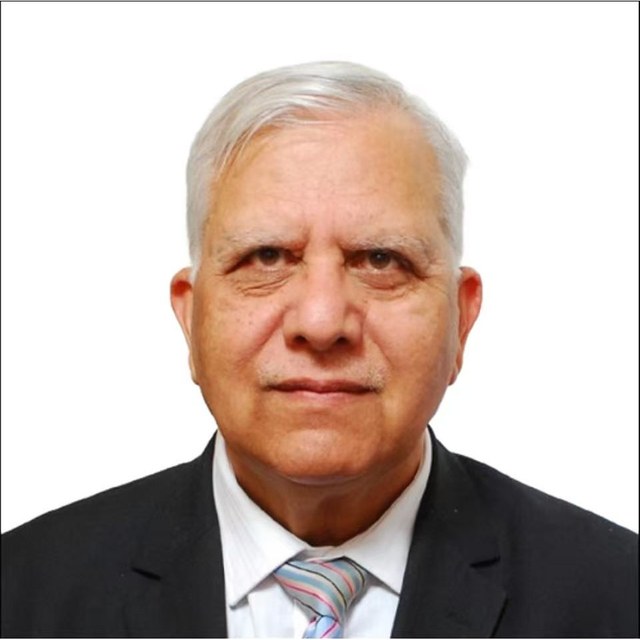
Zamir Ahmed Awan is the founder and Chair of the Global Silk Route Research Alliance, a think tank in Islamabad. He studied engineering at Shanghai University in the 1980s, and years later he went back to China as Pakistan's science counsellor in Beijing, from 2010 until 2016, working on science and higher education cooperation between the two countries.…