Pakistan’s Diplomacy in a Turbulent World: A Case for Dialogue, Restraint, and Peace. 《在动荡世界中的巴基斯坦外交:对话、克制与和平之道》

(下边有中文翻译请继续看到底。 谢谢。)
In an era marked by escalating conflicts, deepening geopolitical rivalries, and the steady erosion of international norms, diplomacy is once again being tested as the world’s most valuable yet fragile instrument. Against this uncertain global backdrop, Pakistan’s recent diplomatic conduct—particularly amid heightened tensions involving Iran—has drawn growing international attention. This recognition is neither accidental nor momentary. Rather, it reflects a consistent and principled foreign policy anchored in dialogue, restraint, and respect for international law.
At a time when coercion, unilateralism, and the use of force are increasingly portrayed as acceptable tools of statecraft, Pakistan’s approach offers a compelling counter-narrative. It reinforces a simple but enduring truth: lasting peace cannot be imposed through pressure or military intervention. It can only be achieved through diplomacy, mutual respect, and adherence to the principles enshrined in the United Nations Charter.
Global Attention on Pakistan’s Balanced Diplomacy
Pakistan’s effective and balanced diplomacy has recently emerged as a focal point of international discussion, including within influential Western policy circles. The American journal The National Interest has acknowledged Pakistan’s growing regional importance, describing its diplomatic engagement as critical to peace, stability, and conflict resolution not only in South Asia but also across the broader Middle East.
This recognition comes at a sensitive and consequential moment. Following developments in Venezuela, hardline voices in Washington have increasingly viewed Iran through a confrontational lens, raising concerns about coercive measures or even intervention. The National Interest cautions that applying a “Venezuela-style” strategy to Iran would be both unrealistic and dangerously destabilizing—potentially triggering a multi-layered crisis stretching from the Middle East to South Asia.
In this volatile environment, Pakistan’s position stands out for its clarity, balance, and sense of responsibility.
A Principled Stand Against the Use of Force
Despite being a long-standing and important partner of the United States in South Asia, Pakistan has not endorsed any form of military action or forced regime change in Iran. Instead, Islamabad has consistently emphasized that intervention, coercion, or hostile actions would only deepen instability, fuel regional conflict, and inflict immense suffering on ordinary people.
Pakistan’s opposition to the use of force is not selective or situational. It is rooted in a broader worldview shaped by its own history, geography, and lived experience. Having endured the heavy costs of war, regional turmoil, and prolonged instability, Pakistan understands that violence creates no lasting solutions—only long-term insecurity and human suffering.
This principled stance aligns squarely with Pakistan’s long-standing position that disputes between states must be resolved peacefully through dialogue and diplomacy, in accordance with international law and the UN Charter. Forced regime change, external interference in domestic affairs, and military adventurism undermine sovereignty and set dangerous precedents that ultimately threaten global peace.
A Unique Diplomatic Bridge
One of Pakistan’s most significant diplomatic strengths lies in its ability to maintain meaningful engagement with diverse—and sometimes opposing—actors. Pakistan shares deep cultural, religious, and geographic ties with Iran, while also sustaining functional and improving relations with the United States.
Recent high-level engagements, including the meeting between Field Marshal Asim Munir and President Donald Trump, have contributed to a notable improvement in Pakistan–U.S. relations. Yet Pakistan has demonstrated that better bilateral ties do not come at the cost of abandoning principles or regional responsibilities.
Instead, Islamabad has leveraged its relationships to promote de-escalation and dialogue. This places Pakistan in a rare position to act as a diplomatic bridge during times of heightened tension. Rather than amplifying confrontation, Pakistan has worked to reduce misunderstandings, encourage communication, and prevent crises from spiraling out of control.
Lessons from Venezuela and the Risks Ahead
The Venezuelan case looms large in contemporary debates about interventionism. Years of sanctions, pressure, and external attempts at regime change have neither resolved Venezuela’s internal challenges nor brought stability to the region. Instead, they have worsened humanitarian conditions and hardened political divisions.
Applying a similar approach to Iran—a far larger, more complex, and strategically pivotal country—would be exponentially more dangerous. Any intervention in Iran would not remain contained. It would reverberate across the Middle East, South Asia, global energy markets, and international security frameworks.
Pakistan’s warnings in this regard are pragmatic rather than ideological. Escalation would undermine regional connectivity, disrupt trade routes, intensify sectarian tensions, and increase the risk of wider conflict—outcomes that serve no nation’s long-term interests.
Pakistan’s Broader Peace Vision
Pakistan’s diplomatic posture on Iran is part of a broader and consistent peace-oriented foreign policy. Whether advocating dialogue between regional rivals, supporting UN peacekeeping missions, or calling for negotiated solutions to protracted disputes, Pakistan has repeatedly demonstrated its preference for diplomacy over confrontation.
Pakistan remains one of the largest contributors to United Nations peacekeeping operations. Tens of thousands of Pakistani troops and police have served in some of the world’s most challenging conflict zones, often at great personal sacrifice. These contributions reflect Pakistan’s tangible commitment to global peace and collective security.
At multilateral forums, Pakistan continues to emphasize the centrality of the United Nations, the sanctity of international law, and the importance of inclusive dialogue. Islamabad firmly opposes coercive diplomacy, unilateral sanctions, and the normalization of military threats as instruments of foreign policy.
Geostrategic Importance and Global Relevance
Pakistan’s growing diplomatic profile is inseparable from its unique geostrategic position and long-term potential. Located at the crossroads of South Asia, Central Asia, the Middle East, and Western China, Pakistan occupies one of the most consequential geographic locations in the world. This position confers not only strategic relevance but also a responsibility to promote connectivity, stability, and peaceful coexistence across historically volatile regions.
Pakistan serves as a vital link between energy-rich regions and major global markets. Its Arabian Sea coastline, proximity to the Strait of Hormuz, and expanding port and transport infrastructure underscore its role in facilitating trade, energy security, and economic integration. In an era shaped by supply-chain resilience and regional connectivity, Pakistan’s geographic and logistical potential makes it an indispensable partner.
Beyond geography, Pakistan’s contribution lies in its strategic maturity. As a nuclear-armed state that consistently advocates restraint, Pakistan has demonstrated a commitment to deterrence and stability rather than escalation. Its calls for confidence-building measures, arms control, and crisis-management mechanisms reflect an understanding that security must be collective, not unilateral.
Potential Rooted in Responsibility
Pakistan’s potential as a stabilizing force extends beyond crisis diplomacy. With a young population, growing technological capacity, and expanding economic integration initiatives, Pakistan is positioning itself as a contributor to development-oriented cooperation rather than conflict-driven politics.
Efforts focused on regional connectivity, trade corridors, energy cooperation, and people-to-people exchanges reflect Pakistan’s belief that economic interdependence is one of the strongest safeguards against conflict. By advocating development alongside security, Pakistan offers a holistic vision of peace that addresses root causes rather than symptoms.
Importantly, Pakistan has avoided bloc politics. It seeks constructive relations with all major powers while retaining strategic autonomy. This balanced approach enhances its credibility and allows it to act as a bridge rather than a battleground in great-power competition.
A Responsible Power in a Fragmented World
In a world marked by polarization and uncertainty, Pakistan’s diplomatic conduct and geostrategic importance place it among the few states capable of contributing meaningfully to regional and global stability. Its emphasis on dialogue over dominance, law over force, and cooperation over coercion reflects a mature understanding of international responsibility.
Pakistan’s rising profile is not driven by ambition alone, but by consistent and principled engagement. By leveraging its geography, experience, and diplomatic capital responsibly, Pakistan is emerging as a credible, peace-loving, and constructive actor in global affairs.
As international attention increasingly turns toward countries capable of building bridges rather than walls, Pakistan’s message is clear: peace is not imposed—it is negotiated. Stability is not enforced—it is shared. And global leadership belongs not to those who threaten the loudest, but to those who engage with restraint, wisdom, and respect for international law.
《在动荡世界中的巴基斯坦外交:对话、克制与和平之道》
在一个冲突不断升级、地缘政治对抗日益加剧、国际规范持续被侵蚀的时代,外交这一人类最宝贵却也最脆弱的工具,正再次经受严峻考验。在如此不确定的全球背景下,巴基斯坦近期的外交表现——尤其是在涉伊朗紧张局势不断上升之际——正引发国际社会越来越多的关注。这种关注并非偶然,也并非昙花一现,而是源于巴基斯坦一贯坚持的、以对话、克制和尊重国际法为核心的原则性外交政策。
在当今世界,胁迫、单边主义以及动用武力正被越来越多地包装为“可接受”的治国手段,而巴基斯坦的做法提供了一种有力的反叙事。它再次印证了一个简单却恒久的真理:持久的和平无法通过施压或军事干预来实现,只能依靠外交、相互尊重以及对《联合国宪章》原则的遵守。
国际社会对巴基斯坦平衡外交的关注
近期,巴基斯坦务实而平衡的外交逐渐成为国际讨论的焦点,包括在有影响力的西方政策圈内。美国期刊《国家利益》(The National Interest)已注意到巴基斯坦不断上升的地区重要性,认为其外交参与不仅对南亚,而且对更广泛的中东地区的和平、稳定与冲突化解都至关重要。
这一认可出现在一个敏感而关键的时刻。在委内瑞拉局势发展的背景下,华盛顿的强硬声音日益倾向于以对抗性视角看待伊朗,甚至引发了对胁迫手段或军事干预的担忧。《国家利益》警告称,将“委内瑞拉式”的策略套用于伊朗,既不现实,也极具破坏性,可能引发从中东延伸至南亚的多层次危机。
在这一高度动荡的环境中,巴基斯坦的立场以其清晰性、平衡性和责任感显得尤为突出。
对使用武力的原则性反对
尽管巴基斯坦长期以来一直是美国在南亚的重要合作伙伴,但它并未支持任何形式的对伊朗军事行动或强制性政权更迭。相反,伊斯兰堡始终强调,干预、胁迫或敌对行为只会加剧不稳定,点燃地区冲突,并给普通民众带来巨大的苦难。
巴基斯坦反对使用武力并非选择性或权宜之计,而是植根于其更广阔的世界观,这一世界观由其自身的历史、地理位置和切身经验所塑造。长期承受战争、地区动荡和持续不稳定的沉重代价,使巴基斯坦深刻认识到:暴力无法带来持久解决方案,只会制造长期的不安全和人道灾难。
这种原则立场与巴基斯坦长期坚持的观点高度一致,即国家间争端必须依据国际法和《联合国宪章》,通过对话与外交手段和平解决。强制性政权更迭、外部干涉内政以及军事冒险行为,不仅破坏国家主权,也会树立危险先例,最终威胁全球和平。
独特的外交桥梁作用
巴基斯坦最重要的外交优势之一,在于其能够与立场不同、甚至彼此对立的多方保持实质性接触。巴基斯坦与伊朗在文化、宗教和地理上联系深厚,同时也与美国保持着务实且不断改善的关系。
近期的高层互动,包括陆军元帅阿西姆·穆尼尔与美国总统唐纳德·特朗普的会晤,推动了巴美关系的明显改善。但巴基斯坦表明,双边关系的提升并不以牺牲原则或地区责任为代价。
相反,伊斯兰堡正利用自身关系推动局势降温与对话。这使巴基斯坦在紧张局势加剧之时,具备了罕见的“外交桥梁”角色。巴基斯坦没有放大对抗,而是努力减少误判、促进沟通,防止危机失控升级。
委内瑞拉的教训与未来风险
委内瑞拉的案例在当代有关干预主义的讨论中具有重要警示意义。多年的制裁、施压以及外部推动政权更迭的尝试,不仅未能解决委内瑞拉的内部问题,也未给地区带来稳定,反而恶化了人道主义状况,固化了政治分裂。
如果将类似做法用于伊朗这样一个规模更大、结构更复杂、战略地位更关键的国家,其危险性将成倍增加。任何针对伊朗的干预都不可能被局限在一国之内,其影响将波及中东、南亚、全球能源市场以及国际安全体系。
巴基斯坦在这一问题上的警示是务实的,而非意识形态化的。局势升级将削弱地区互联互通,扰乱贸易通道,加剧宗派紧张,并显著提高更大范围冲突的风险——这些结果不符合任何国家的长期利益。
巴基斯坦更广泛的和平愿景
巴基斯坦在伊朗问题上的外交立场,是其一贯、以和平为导向的对外政策的重要组成部分。无论是推动地区对手之间的对话、支持联合国维和行动,还是呼吁通过谈判解决长期争端,巴基斯坦始终展现出以外交而非对抗为先的选择。
巴基斯坦依然是联合国维和行动的主要贡献国之一。数以万计的巴基斯坦军人和警察曾在全球最艰难的冲突地区服役,并付出了巨大个人牺牲。这些努力体现了巴基斯坦对全球和平与集体安全的切实承诺。
在多边场合,巴基斯坦持续强调联合国的核心地位、国际法的神圣性以及包容性对话的重要性。伊斯兰堡坚决反对胁迫性外交、单边制裁,以及将军事威胁常态化作为外交政策工具。
地缘战略重要性与全球相关性
巴基斯坦不断上升的外交影响力,与其独特的地缘战略位置和长期潜力密不可分。位于南亚、中亚、中东与中国西部的交汇处,巴基斯坦占据着世界上最具战略意义的地理位置之一。这不仅赋予其重要性,也带来促进互联互通、稳定与和平共处的责任。
巴基斯坦是连接能源富集地区与全球主要市场的重要纽带。其阿拉伯海海岸线、靠近霍尔木兹海峡的区位优势,以及不断扩展的港口和交通基础设施,凸显了其在促进贸易、能源安全和经济融合中的关键作用。在强调供应链韧性和区域互联的时代,巴基斯坦的地理和物流潜力使其成为不可或缺的合作伙伴。
除地理因素外,巴基斯坦的贡献还体现在其战略成熟度上。作为一个拥有核武器却始终倡导克制的国家,巴基斯坦展示了以威慑和稳定而非升级为核心的安全理念。其对建立信任措施、军控以及危机管理机制的呼吁,反映出对“安全必须是集体的,而非单边的”深刻理解。
植根于责任的潜力
巴基斯坦作为稳定力量的潜力,并不局限于危机外交。凭借年轻的人口结构、不断增强的科技能力以及日益深化的经济一体化举措,巴基斯坦正将自身定位为发展导向型合作的推动者,而非冲突政治的参与者。
围绕区域互联互通、贸易走廊、能源合作以及人文交流的努力,体现了巴基斯坦的坚定信念:经济相互依存是防止冲突最有力的保障之一。通过将发展与安全并重,巴基斯坦提出了一种从根源而非表象解决问题的整体和平愿景。
值得强调的是,巴基斯坦避免卷入阵营政治。它在保持战略自主的同时,寻求与所有主要大国建立建设性关系。这种平衡策略增强了其可信度,使其能够成为桥梁,而非大国竞争中的战场。
碎片化世界中的负责任力量
在一个充满分化与不确定性的世界中,巴基斯坦的外交实践和地缘战略地位,使其成为少数能够对地区和全球稳定作出实质性贡献的国家之一。其强调对话而非支配、法律而非武力、合作而非胁迫,体现了对国际责任的成熟理解。
巴基斯坦影响力的上升,并非仅由野心驱动,而是源于持续而有原则的参与。通过负责任地运用自身的地理优势、经验积累和外交资本,巴基斯坦正逐步成为一个可信、爱好和平且具有建设性的全球行为体。
随着国际社会越来越关注那些能够搭建桥梁而非筑起高墙的国家,巴基斯坦传递出的信息十分清晰:和平不是被强加的,而是通过谈判实现的;稳定不是被施压的,而是共同分享的;真正的全球领导力,属于那些以克制、智慧和对国际法的尊重来参与世界事务的国家。
( 注意: 本文是用AI翻译的,或有误差。请以原版英文为准。谢谢。)
Reference Link:- https://www2.apdnews.cn/en/item/26/0112/axjfggcjf4417814c06a31.html
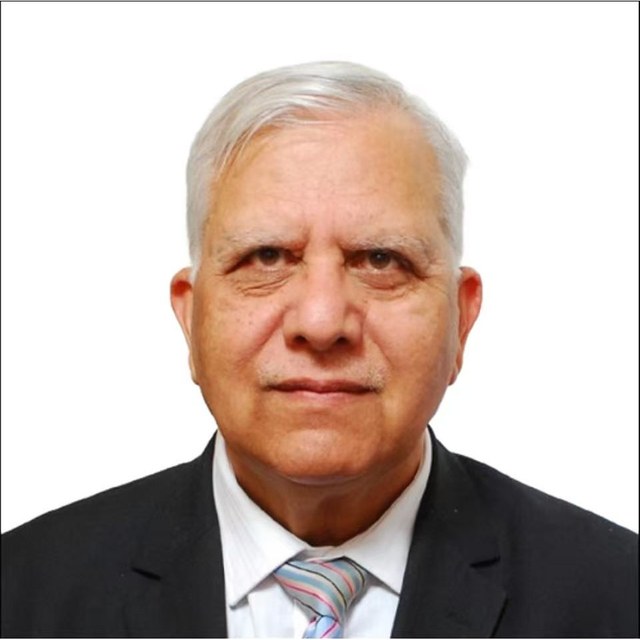
Zamir Ahmed Awan is the founder and Chair of the Global Silk Route Research Alliance, a think tank in Islamabad. He studied engineering at Shanghai University in the 1980s, and years later he went back to China as Pakistan's science counsellor in Beijing, from 2010 until 2016, working on science and higher education cooperation between the two countries.…