Venezuela attack and the Collapse of the World Order 委内瑞拉的袭击和世界秩序的崩溃

(下边有中文翻译请继续看到底。 谢谢。)

The recent developments in Venezuela represent far more than a regional crisis. They mark a defining moment for the international system itself—a stress test for the rules, norms, and institutions that have governed global affairs since the end of World War II. What unfolded in Caracas is not merely another episode of interventionist foreign policy; it is an alarming signal that the fragile architecture of the world order is under unprecedented strain.
President Donald Trump’s decision to use direct military force to remove the elected president of a sovereign state has set a precedent unseen in modern history. While regime change has long been an uncomfortable feature of American foreign policy, the Venezuela incident stands apart in its brazenness, scale, and implications. It will not fade into obscurity. Historians will remember it as a moment when power politics openly trumped international law.
Regime Change: A Familiar but Dangerous Pattern

To be clear, the United States has a long and well-documented history of intervening in the internal affairs of other nations. From Latin America to the Middle East and South Asia, American administrations—across party lines—have supported or orchestrated regime changes in countries perceived as hostile to U.S. interests.
In Iran (1953), a CIA-backed coup removed Prime Minister Mohammad Mosaddegh after he nationalized oil resources. In Guatemala (1954), a democratically elected government was overthrown to protect strategic and corporate interests. Chile (1973) witnessed the removal of President Salvador Allende, plunging the country into years of dictatorship. Panama (1989) saw a direct military invasion to depose Manuel Noriega. Afghanistan (2001) and Iraq (2003) reshaped entire regions, leaving behind prolonged instability.
These actions were often justified under the banners of anti-communism, counterterrorism, democracy promotion, or national security. Yet, in most cases, the long-term outcomes included civil war, economic collapse, radicalization, and deep resentment toward Western powers.
Still, even within this controversial history, Venezuela represents a qualitative shift.
Why Venezuela Is Different

What makes the Venezuela incident exceptional is not only the removal of a sitting president but the manner and message of the action. It was swift, unilateral, and unapologetic. There was no meaningful multilateral process, no United Nations authorization, and no credible attempt at diplomatic resolution. The justification—ranging from drug trafficking allegations to economic mismanagement—failed to convince much of the international community.
More troubling is the immediate assumption of control over Venezuela’s strategic resources, particularly oil. This blurs the line between intervention and occupation, between political pressure and economic exploitation. The optics are devastating: a powerful state removing a government and managing another country’s resources under its own authority.
This is precisely the kind of conduct the post-1945 international order was designed to prevent.
The United Nations: Sympathy Without Power

The crisis has also exposed, once again, the structural limitations of the United Nations. The UN Charter mandates respect for sovereignty and prohibits the use of force except in self-defense or with Security Council approval. Yet when major powers act unilaterally, the UN lacks the means to enforce its principles.
In the case of Venezuela, the UN Secretary-General and multiple UN bodies expressed concern and sympathy. However, sympathy does not stop invasions. Statements do not protect elected leaders. Resolutions, when blocked or ignored, become symbolic gestures rather than instruments of justice.
The same paralysis has been evident elsewhere. Israeli military actions in Gaza and continued annexation in the West Bank proceed despite widespread condemnation. The humanitarian catastrophe in Gaza continues, widely described by legal experts and human rights organizations as genocide. Yet the UN remains unable to enforce its own resolutions or international humanitarian law.
This institutional weakness is no longer theoretical—it is dangerously consequential.
China and Russia: Limits of Strategic Solidarity

Before the Venezuela incident, China and Russia had both demonstrated political and diplomatic solidarity with Caracas. Venezuela was viewed by many in the developing world as part of a broader push toward a multipolar order—one less dominated by Washington.
However, when the decisive moment arrived, neither Beijing nor Moscow was able to prevent the intervention.
This failure has raised serious questions about their geopolitical credibility. It is not an isolated case. Russia, despite its military presence, could not fully shield Syria from years of devastation. China and Russia, while standing rhetorically with Iran, have been unable to prevent repeated Israeli and American strikes. Their support for Palestine has not stopped the ongoing atrocities in Gaza or the annexation of Palestinian land.
The issue is not a lack of concern, but strategic restraint. Neither China nor Russia is willing to risk a direct confrontation with the United States. As a result, countries that align with them may receive diplomatic backing—but not protection.
For many in the Global South, this realization is sobering.
A Shaken Global South

Across Africa, Latin America, and Asia, numerous states have sought alternatives to American dominance. They viewed China and Russia as counterweights, offering economic cooperation without political interference.
The Venezuela incident has shaken that confidence.

If a sovereign state with powerful allies can still be forcibly reshaped, what security do smaller or resource-rich nations truly have? Oil, gas, minerals, and strategic geography increasingly look less like assets and more like liabilities in a world drifting back toward imperial logic.
This fear is amplified by President Trump’s openly expansionist rhetoric—whether about purchasing Greenland, absorbing Canada as a hypothetical 51st state, “managing” Gaza, or exerting pressure on countries such as Iran, Syria, Afghanistan, Mexico, and Nigeria. Even when framed as jokes or negotiating tactics, such statements normalize a worldview where sovereignty is conditional and power is transactional.
The Slippery Slope of Normalized Aggression

Perhaps the most dangerous consequence of the Venezuela precedent is imitation. If one major power can act without consequence, others may follow. History teaches us that norms erode quickly once violated without accountability.
A world where great powers invade neighbors, remove governments, or seize resources under vague justifications is not a stable world. It is a return to pre-1945 geopolitics—one marked by spheres of influence, coercion, and perpetual insecurity.
Such a trajectory would not only endanger weaker states; it would ultimately threaten global peace itself.
What Must Be Done
The international community still has choices. But time is not on its side.
- First, international institutions must be reformed and strengthened. The UN requires enforceable mechanisms—not merely moral authority—to uphold its charter.
- Second, unilateral military action must be delegitimized, not normalized. Silence and inaction are forms of endorsement.
- Third, major powers must recommit to diplomacy, restraint, and genuine multilateralism. Strategic competition cannot be allowed to override humanity, law, and common sense.
- Finally, the Global South must work collectively to protect sovereignty—not by choosing sides, but by insisting on rules that apply to all.
A Moment History Will Remember

Venezuela is not just another crisis—it is a warning. It signals what the world may become if unchecked power replaces international law. Whether this moment marks the collapse of the existing order or the beginning of its reform depends on how global actors respond now.
History is watching. And future generations will ask whether the world chose restraint—or surrendered to chaos.
委内瑞拉的袭击和世界秩序的崩溃
委内瑞拉最近的事态发展所代表的远不只是一场地区性危机。它们标志着国际体系本身的一个决定性时刻——对二战结束以来管理全球事务的规则、规范和机构的一次压力测试。在加拉加斯发生的事情不仅仅是干涉主义外交政策的又一插曲;这是一个令人担忧的信号,表明脆弱的世界秩序正面临前所未有的压力。
唐纳德·特朗普总统决定使用直接军事力量推翻一个主权国家的民选总统,这在现代历史上开创了前所未有的先例。虽然政权更迭长期以来一直是美国外交政策的一个令人不安的特征,但委内瑞拉事件在其无耻、规模和影响方面都与众不同。它不会变得默默无闻。历史学家将铭记这一时刻,因为强权政治公开凌驾于国际法之上。
政权更迭:一个熟悉但危险的模式
需要明确的是,美国在干涉别国内政方面有着悠久的历史,而且有充分的证据。从拉丁美洲到中东和南亚,美国政府——跨越党派界限——支持或策划了被视为对美国利益有敌意的国家的政权更迭。
在伊朗(1953年),一场中情局支持的政变罢免了总理穆罕默德·摩萨台(Mohammad Mosaddegh),原因是他将石油资源国有化。在危地马拉(1954年),一个民主选举的政府被推翻,以保护战略和企业利益。1973年,智利总统萨尔瓦多·阿连德(Salvador Allende)下台,国家陷入多年的独裁统治。1989年,美国军队直接入侵巴拿马,推翻了曼努埃尔·诺列加。阿富汗(2001年)和伊拉克(2003年)重塑了整个地区,留下了长期的不稳定。
这些行动往往打着反共、反恐、促进民主或国家安全的旗号。然而,在大多数情况下,长期后果包括内战、经济崩溃、激进化和对西方列强的深深怨恨。
然而,即使在这段充满争议的历史中,委内瑞拉也代表了一个质的转变。
为什么委内瑞拉不一样
委内瑞拉事件的不同寻常之处在于,不仅是现任总统被赶下台,而且行动的方式和传达的信息。这是迅速的,单方面的,毫无歉意的。没有任何有意义的多边进程,没有联合国的授权,也没有可信的外交解决尝试。从贩毒指控到经济管理不善的种种辩解都未能说服国际社会的大部分成员。
更麻烦的是,对委内瑞拉战略资源,尤其是石油的直接控制。这模糊了干预与占领、政治压力与经济剥削之间的界限。这种视觉效果是毁灭性的:一个强大的国家推翻了一个政府,并在自己的权威下管理另一个国家的资源。
这正是1945年后国际秩序所要防止的行为。
联合国:没有权力的同情
这场危机还再次暴露了联合国在结构上的局限性。《联合国宪章》要求尊重主权,并禁止使用武力,除非出于自卫或得到安理会批准。然而,当大国采取单边行动时,联合国缺乏执行其原则的手段。
在委内瑞拉问题上,联合国秘书长和多个联合国机构表达了关切和同情。然而,同情并不能阻止侵略。声明并不能保护民选领导人。决议如果受到阻挠或被忽视,就会成为象征性的姿态,而不是伸张正义的工具。
同样的瘫痪在其他地方也很明显。尽管受到广泛谴责,以色列在加沙的军事行动和继续吞并约旦河西岸的行动仍在继续。加沙的人道主义灾难仍在继续,法律专家和人权组织普遍将其描述为种族灭绝。然而,联合国仍然无法执行自己的决议或国际人道主义法。
这种制度上的弱点不再是理论上的,而是危险的后果。
中俄:战略团结的限度
在委内瑞拉事件发生前,中国和俄罗斯都在政治和外交上声援加拉加斯。委内瑞拉被许多发展中国家视为更广泛地推动多极秩序的一部分——一个较少由华盛顿主导的秩序。
然而,当决定性时刻到来时,北京和莫斯科都未能阻止干预。
这一失败引发了对其地缘政治可信度的严重质疑。这不是一个孤立的案例。俄罗斯尽管有军事存在,但无法完全保护叙利亚免受多年的破坏。中国和俄罗斯虽然在口头上与伊朗站在一起,但却无法阻止以色列和美国的一再袭击。他们对巴勒斯坦的支持并没有阻止加沙正在发生的暴行或对巴勒斯坦土地的吞并。
问题不在于缺乏关注,而在于战略克制。中国和俄罗斯都不愿意冒险与美国直接对抗。因此,与他们结盟的国家可能会得到外交支持,但不会得到保护。
对于全球南方的许多人来说,这种认识是发人深省的。
动摇的全球南方
在非洲、拉丁美洲和亚洲,许多国家都在寻求替代美国主导地位的办法。他们将中国和俄罗斯视为制衡力量,在没有政治干预的情况下提供经济合作。
委内瑞拉事件动摇了这种信心。
如果一个拥有强大盟友的主权国家仍然可以被强制重塑,那么小国或资源丰富的国家真正拥有什么安全?石油、天然气、矿产和战略地理越来越不像资产,而更像负债,因为世界正滑向帝国主义逻辑。
这种担忧被特朗普总统公开的扩张主义言论放大了——无论是购买格陵兰岛,吸收加拿大作为假想的第51个国家,“管理”加沙,还是对伊朗、叙利亚、阿富汗、墨西哥和尼日利亚等国施加压力。即使是作为笑话或谈判策略,这样的声明也使主权是有条件的、权力是交易的世界观正常化。
正常化侵略的滑坡效应
也许委内瑞拉先例最危险的后果是模仿。如果一个大国可以不计后果地行动,其他大国可能会效仿。历史告诉我们,一旦违反规范而不追究责任,规范就会迅速消失。
一个大国侵略邻国、推翻政府或以模糊的理由攫取资源的世界不是一个稳定的世界。这是1945年前地缘政治的回归——以势力范围、胁迫和永久不安全为特征的地缘政治。
这样的轨迹不仅会危及较弱的国家;它最终会威胁到全球和平。
必须做什么
国际社会仍然有选择。但时间并不站在它这一边。
首先,必须改革和加强国际机构。联合国需要可执行的机制——而不仅仅是道德权威——来维护其宪章。
第二,单方面军事行动必须被取消合法性,而不是正常化。沉默和不作为是一种认可。
第三,大国必须重新致力于外交、克制和真正的多边主义。不能让战略竞争凌驾于人性、法律和常识之上。
最后,全球南方国家必须共同努力保护主权——不是通过选边站,而是通过坚持适用于所有国家的规则。
历史将铭记的一刻
委内瑞拉不仅仅是另一场危机——它是一个警告。它预示着,如果不受约束的权力取代了国际法,世界将会变成什么样子。这一时刻标志着现有秩序的崩溃还是改革的开始,取决于全球行动者现在如何回应。
历史正在注视着我们。子孙后代将会问,世界是选择了克制,还是屈服于混乱。
( 注意: 本文是用AI翻译的,或有误差。请以原版英文为准。谢谢。)
Reference Link:- https://thinktank.pk/2026/01/09/venezuela-attack-and-the-collapse-of-the-world-order/
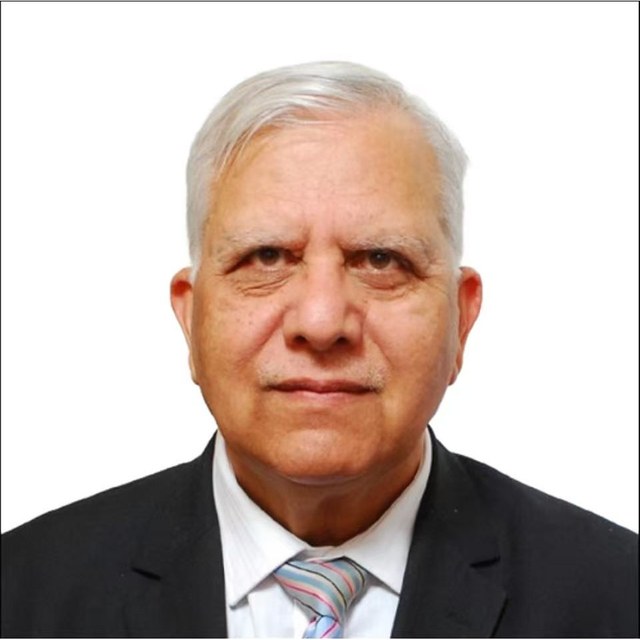
Zamir Ahmed Awan is the founder and Chair of the Global Silk Route Research Alliance, a think tank in Islamabad. He studied engineering at Shanghai University in the 1980s, and years later he went back to China as Pakistan's science counsellor in Beijing, from 2010 until 2016, working on science and higher education cooperation between the two countries.…