UAE-Pakistan Ties: A Tradition of Friendship and Shared Prosperity 阿巴关系:友谊传统和共同繁荣
Wire desk byline Sourced from Xinhua, Dawn, Arab News, Anadolu and Minute Mirror. Translated and abridged by the GSRRA Desk.

(下边有中文翻译请继续看到底。 谢谢。)

The recent official visit of His Highness Sheikh Mohamed bin Zayed Al Nahyan, President of the United Arab Emirates (UAE), to Pakistan marks a remarkable milestone in the centuries-old friendship between our two nations. Welcomed with the highest honors and a warm embrace of fraternal respect, President Al Nahyan’s visit not only reaffirms the enduring bond between Pakistan and the UAE but also opens new avenues for cooperation, development, and shared prosperity.
This visit, the first official one by the UAE President to Pakistan, came on the heels of an earlier meeting in January, when both leaders convened in Rahim Yar Khan. However, the Islamabad visit elevated the diplomatic dialogue to a comprehensive strategic partnership, encompassing economic collaboration, investment opportunities, energy, infrastructure, information technology, and people-to-people exchanges. Prime Minister Shehbaz Sharif and President Al Nahyan engaged in substantive talks that underscored mutual respect, trust, and a vision for a prosperous future.
Historically, Pakistan and the UAE have shared a bond that goes beyond politics. Our nations have stood by each other through times of need and shared triumphs. Pakistan has contributed significantly to the development of the UAE, providing skilled labor, expertise, and professional talent that have been instrumental in building the modern Emirati state. From the construction of infrastructure to the development of essential services and the growth of the private sector, Pakistani professionals have left an indelible mark on the UAE’s development story.
Conversely, the UAE has played an equally pivotal role in Pakistan’s growth trajectory. The Emirates’ investments in infrastructure, energy projects, and industrial development have fueled Pakistan’s economic engine. UAE-based financial aid and development initiatives have helped Pakistan stabilize its economy, expand industrial capacities, and implement strategic projects that benefit millions. The UAE’s vision and resources, combined with Pakistan’s human capital, have created a synergy that has transformed potential into tangible development.
One of the hallmarks of this bilateral relationship is the complementarity of our nations’ strengths. Pakistan is blessed with immense human resources, a young and talented population, and is the only Muslim-majority country possessing nuclear capability, a symbol of both strategic responsibility and national maturity. The UAE, in contrast, boasts abundant energy resources—oil and gas reserves that power economies globally—and a wealth of development experience, coupled with sound financial systems and a sophisticated infrastructure network. Together, Pakistan’s human potential and the UAE’s material and financial capabilities form a partnership capable of transforming regional dynamics, driving prosperity, and fostering stability.

Trade and investment cooperation have been central to the discussions during this visit. Both countries recognize the enormous potential for mutually beneficial growth. Pakistan offers a growing market, strategic geographic positioning, and skilled labor, while the UAE brings investment capital, technological expertise, and international business networks. The establishment of joint business councils, as highlighted in the memoranda of understanding signed earlier this year, reflects a concrete commitment to expand bilateral trade and investment. These initiatives are expected to create jobs, foster innovation, and contribute to sustainable economic growth in both nations.
People-to-people relations have also been a cornerstone of the UAE-Pakistan friendship. Millions of Pakistanis live and work in the UAE, contributing not only to the Emirati economy but also serving as cultural ambassadors, strengthening understanding between the peoples of our nations. These ties go beyond economics, fostering empathy, shared values, and cultural appreciation that underpin diplomatic relations. Cultural cooperation, such as joint initiatives in education, heritage preservation, and consular services, further deepens these bonds and builds bridges for future generations.
Strategic convergence on regional and geopolitical issues is another defining feature of the UAE-Pakistan relationship. Both countries have consistently advocated for peace, stability, and development in the region. On the complex Palestine-Israel issue, Pakistan and the UAE have demonstrated a commitment to facilitating dialogue and pursuing a just and peaceful resolution. Their shared stance underscores a convergence of interests, emphasizing fairness, regional security, and the protection of fundamental human rights. This alignment reflects not just political solidarity but a moral commitment to the principles of justice and international cooperation.
The UAE’s role as a responsible regional actor, combined with Pakistan’s strategic capabilities and diplomatic influence, creates a powerful platform for promoting peace and stability in the Middle East and South Asia. By leveraging their respective strengths, both nations are poised to contribute meaningfully to regional development, conflict resolution, and humanitarian assistance. Such collaboration ensures that the benefits of growth and stability extend beyond borders, positively impacting the lives of millions in neighboring regions.

President Al Nahyan’s visit also highlighted the significance of forward-looking collaboration in emerging sectors, such as information technology, renewable energy, and modern infrastructure development. Pakistan’s growing technology sector, innovative talent pool, and entrepreneurial spirit, when combined with the UAE’s investment capacity and advanced technological expertise, can drive transformative projects in energy, smart cities, digital governance, and sustainable development. This partnership has the potential not only to modernize national economies but also to set benchmarks for regional development.
Equally important is the spirit of diplomatic goodwill and mutual respect demonstrated throughout this visit. From the red-carpet welcome at Nur Khan Airbase to the ceremonial 21-gun salute and the aerial escort by JF-17 fighter jets, the protocols reflected the depth of bilateral respect and the historic significance of this occasion. The warmth and cordiality of interactions between leaders were mirrored in their public statements on social media, emphasizing fraternity, trust, and a shared vision for prosperity. Such gestures are not merely ceremonial; they reinforce a culture of respect, understanding, and enduring partnership that has stood the test of time.
The UAE-Pakistan partnership is also a blueprint for how nations can complement each other to overcome challenges. Pakistan’s need for investment, infrastructure, and energy security finds a natural match in the UAE’s financial resources, development expertise, and strategic global positioning. Similarly, the UAE benefits from Pakistan’s skilled workforce, innovative ideas, and strategic geographic location, which enhances its access to regional markets. By identifying areas of convergence and combining strengths, both nations achieve results that are greater than the sum of their individual capacities.
Moreover, this partnership embodies the principle of mutual development with a human-centered focus. The benefits of this collaboration extend to ordinary citizens—through job creation, infrastructure projects, improved energy access, technological advancement, and enhanced social services. At a time when regional and global uncertainties pose challenges to stability and growth, the UAE-Pakistan friendship stands as a model of constructive engagement, pragmatic cooperation, and visionary leadership.

It is also important to highlight the historical dimension of this relationship. Over decades, Pakistan and the UAE have nurtured ties based on trust, respect, and shared values. During times of crisis, Pakistan has supported the UAE with skilled manpower and expertise. Conversely, the UAE has consistently extended financial aid, investment, and humanitarian support to Pakistan. These reciprocal contributions are the foundation of an enduring friendship that goes beyond temporary interests, forging a strategic partnership rooted in history, culture, and shared aspirations.
Looking ahead, the potential for Pakistan-UAE collaboration is immense. With aligned interests in economic growth, regional stability, and international diplomacy, the partnership can serve as a catalyst for a broader transformation across the region. Investments in infrastructure, energy, technology, and human capital can create a development corridor linking South Asia with the Gulf, promoting trade, connectivity, and social progress. The combination of Pakistan’s talent and strategic capabilities with the UAE’s financial strength and development experience can redefine prosperity for millions.
Furthermore, the moral and ethical dimension of this partnership cannot be overlooked. Both nations share a commitment to justice, human development, and global peace. On international issues, from Palestine to regional stability, Pakistan and the UAE consistently uphold values of fairness, dialogue, and cooperative problem-solving. Their collaborative efforts are a testament to the power of diplomacy grounded in trust, empathy, and shared responsibility.
In conclusion, Sheikh Mohamed bin Zayed Al Nahyan’s historic visit is more than a diplomatic engagement; it is a reaffirmation of the deep-rooted fraternity, shared values, and mutual ambitions that define Pakistan-UAE relations. The visit paves the way for enhanced economic collaboration, strategic alignment, and people-centered development initiatives. Pakistan’s human capital, nuclear capability, and entrepreneurial spirit, combined with the UAE’s energy wealth, development expertise, and investment capacity, create a partnership capable of transforming not only our nations but the entire region.
As both countries move forward, the emphasis on shared growth, peace, and stability offers a hopeful vision: a region where resources are utilized efficiently, human talent is nurtured, and strategic cooperation leads to prosperity for all. Pakistan and the UAE, through this enduring partnership, demonstrate how nations can complement each other, address each other’s challenges, and harness collective strengths to build a future of shared success, stability, and lasting friendship.
The world watches with admiration as two nations—bound by history, enriched by mutual contributions, and guided by a shared vision—work together to realize the full potential of their people, economies, and societies. The UAE-Pakistan relationship stands as a beacon of what true friendship, trust, and strategic collaboration can achieve in our interconnected world.
阿巴关系:友谊传统和共同繁荣
最近,阿拉伯联合酋长国总统谢赫·穆罕默德·本·扎耶德·阿勒纳哈扬殿下对巴基斯坦进行了正式访问,这是我们两国数百年来友谊的一个重要里程碑。阿勒纳哈扬总统的访问受到了最高荣誉和兄弟般的热烈欢迎,不仅重申了巴基斯坦和阿联酋之间持久的联系,而且开辟了合作、发展和共同繁荣的新途径。
这是阿联酋总统对巴基斯坦的首次正式访问。今年1月,两国领导人在拉希姆亚尔汗举行了会晤。然而,访问伊斯兰堡将两国外交对话提升为全面战略伙伴关系,包括经济合作、投资机会、能源、基础设施、信息技术和民间交流。谢赫巴兹·谢里夫总理和纳哈扬总统进行了实质性会谈,强调了相互尊重、信任和对繁荣未来的展望。
从历史上看,巴基斯坦和阿联酋有着超越政治的共同纽带。我们两国在困难时期相互支持,共享胜利。巴基斯坦为阿联酋的发展做出了重大贡献,提供了熟练的劳动力、专业知识和专业人才,为建设现代阿联酋国家发挥了重要作用。从基础设施建设到基本服务的发展,再到私营部门的发展,巴基斯坦专业人士在阿联酋的发展历程中留下了不可磨灭的印记。
相反,阿联酋在巴基斯坦的增长轨迹中发挥了同样关键的作用。阿联酋在基础设施、能源项目和工业发展方面的投资为巴基斯坦的经济引擎提供了动力。以阿联酋为基础的财政援助和发展倡议帮助巴基斯坦稳定了经济,扩大了工业能力,实施了惠及数百万人的战略项目。阿联酋的愿景和资源与巴基斯坦的人力资本相结合,创造了一种协同作用,将潜力转化为切实的发展。
这种双边关系的特点之一是两国优势互补。巴基斯坦拥有丰富的人力资源,年轻而有才华的人口,是唯一一个拥有核能力的穆斯林占多数的国家,这是战略责任和国家成熟的象征。相比之下,阿联酋拥有丰富的能源资源——为全球经济提供动力的石油和天然气储备——以及丰富的发展经验,再加上健全的金融体系和复杂的基础设施网络。巴基斯坦的人力潜力与阿联酋的物质和财政能力共同构成了一种能够改变地区动态、推动繁荣和促进稳定的伙伴关系。
贸易和投资合作是此次访问的中心议题。双方认识到互利增长的巨大潜力。巴基斯坦提供了一个不断增长的市场、战略地理位置和熟练的劳动力,而阿联酋带来了投资资本、技术专长和国际商业网络。正如今年早些时候签署的谅解备忘录所强调的那样,建立联合商业委员会反映了扩大双边贸易和投资的具体承诺。预计这些举措将创造就业机会,促进创新,并为两国的可持续经济增长作出贡献。
人文交流也是阿巴友谊的基石。数以百万计的巴基斯坦人在阿联酋生活和工作,他们不仅为阿联酋的经济做出了贡献,而且还担任文化大使,加强了我们两国人民之间的了解。这些联系超越了经济范畴,促进了作为外交关系基础的同理心、共同价值观和文化欣赏。教育、文化遗产保护、领事服务等领域的联合倡议等文化合作将进一步深化这些纽带,为两国子孙后代搭建桥梁。
在地区和地缘政治问题上的战略趋同是阿联酋和巴基斯坦关系的另一个显著特征。两国都一贯主张维护本地区的和平、稳定与发展。在复杂的巴以问题上,巴基斯坦和阿联酋致力于推动对话,寻求公正、和平解决。他们的共同立场强调了利益的趋同,强调公平、地区安全和保护基本人权。这种一致不仅反映了政治上的团结,而且反映了对正义和国际合作原则的道德承诺。
阿联酋作为负责任的地区行动者的作用,与巴基斯坦的战略能力和外交影响力相结合,为促进中东和南亚的和平与稳定创造了一个强大的平台。通过发挥各自的优势,两国都准备为地区发展、解决冲突和人道主义援助作出有意义的贡献。这种合作确保增长和稳定的好处超越国界,对邻近地区数百万人的生活产生积极影响。
纳哈扬总统的访问还凸显了在信息技术、可再生能源、现代基础设施建设等新兴领域开展前瞻性合作的重要性。巴基斯坦不断增长的技术部门、创新人才库和创业精神,与阿联酋的投资能力和先进的技术专长相结合,可以推动能源、智慧城市、数字治理和可持续发展方面的变革性项目。这种伙伴关系不仅有可能使各国经济现代化,而且有可能为区域发展设定基准。
同样重要的是,在这次访问中表现出的外交善意和相互尊重精神。从努尔汗空军基地的红地毯欢迎仪式到21响礼炮和JF-17战斗机的空中护航,这些协议反映了双边尊重的深度和这一场合的历史意义。两国领导人在社交媒体上的公开声明反映了他们之间互动的热情和亲切,强调了兄弟情谊、信任和对繁荣的共同愿景。这样的姿态不仅仅是仪式性的;它们强化了一种尊重、理解和持久伙伴关系的文化,这种文化经受住了时间的考验。
阿联酋-巴基斯坦伙伴关系也是各国如何相互补充以克服挑战的蓝图。巴基斯坦对投资、基础设施和能源安全的需求与阿联酋的财政资源、发展专业知识和全球战略定位自然匹配。同样,阿联酋也受益于巴基斯坦的熟练劳动力、创新理念和战略地理位置,这增强了其进入区域市场的机会。通过确定共同的领域并结合优势,两国取得的成果大于各自能力的总和。
此外,这种伙伴关系体现了以人为本的共同发展原则。这种合作的好处通过创造就业机会、基础设施项目、改善能源获取、技术进步和加强社会服务而惠及普通公民。在地区和全球不确定性对稳定和增长构成挑战之际,阿巴友谊是建设性接触、务实合作和富有远见的领导的典范。
强调这一关系的历史维度也很重要。几十年来,巴基斯坦和阿联酋在信任、尊重和共同价值观的基础上培育了关系。在危机时期,巴基斯坦以熟练的人力和专业知识支持阿联酋。相反,阿联酋一直向巴基斯坦提供财政援助、投资和人道主义支持。这些相互的贡献是超越暂时利益的持久友谊的基础,是建立一种植根于历史、文化和共同愿望的战略伙伴关系。
展望未来,巴基斯坦与阿联酋合作的潜力是巨大的。由于在经济增长、地区稳定和国际外交方面利益一致,这种伙伴关系可以成为整个地区更广泛转型的催化剂。对基础设施、能源、技术和人力资本的投资可以创建一条连接南亚和海湾地区的发展走廊,促进贸易、互联互通和社会进步。巴基斯坦的人才和战略能力与阿联酋的财政实力和发展经验相结合,可以重新定义数百万人的繁荣。
此外,这种伙伴关系的道德和伦理方面也不容忽视。两国都致力于正义、人类发展和全球和平。在国际问题上,从巴勒斯坦问题到地区稳定问题,巴基斯坦和阿联酋始终秉持公平、对话、合作解决问题的价值观。他们的合作努力证明了建立在信任、同情和共同责任基础上的外交的力量。
总之,谢赫·穆罕默德·本·扎耶德·阿勒纳哈扬的历史性访问不仅仅是一次外交接触;它重申了巴基斯坦与阿联酋关系中根深蒂固的兄弟情谊、共同的价值观和共同的雄心。此访为加强经济合作、战略对接和以人民为中心的发展倡议铺平了道路。巴基斯坦的人力资本、核能力和创业精神,与阿联酋的能源财富、发展专长和投资能力相结合,创造了一种不仅能够改变我们两国,而且能够改变整个地区的伙伴关系。
随着两国的发展,对共同增长、和平与稳定的强调提供了一个充满希望的愿景:一个资源得到有效利用、人才得到培养、战略合作带来共同繁荣的地区。巴基斯坦和阿联酋通过这种持久的伙伴关系,展示了各国如何能够相互补充,应对彼此的挑战,并利用集体力量建设一个共同成功、稳定和持久友谊的未来。
全世界怀着钦佩的心情注视着这两个因历史而紧密相连、因相互贡献而丰富、以共同愿景为指导的国家共同努力,充分发挥其人民、经济和社会的潜力。阿联酋和巴基斯坦的关系是一座灯塔,在这个相互联系的世界里,真正的友谊、信任和战略合作可以实现。
( 注意: 本文是用AI翻译的,或有误差。请以原版英文为准。谢谢。)
Reference Link:- https://thinktank.pk/2025/12/31/uae-pakistan-ties-a-tradition-of-friendship-and-shared-prosperity/
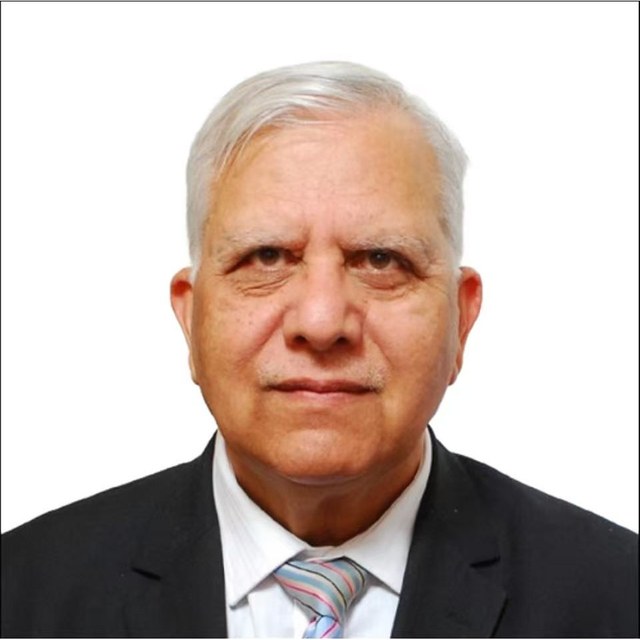
Zamir Ahmed Awan is the founder and Chair of the Global Silk Route Research Alliance, a think tank in Islamabad. He studied engineering at Shanghai University in the 1980s, and years later he went back to China as Pakistan's science counsellor in Beijing, from 2010 until 2016, working on science and higher education cooperation between the two countries.…