
US and UK Shielding Netanyahu: A Dangerous Assault on Justice. 美英庇护内塔尼亚胡:对正义的危险攻击。
Wire desk byline Sourced from Xinhua, Dawn, Arab News, Anadolu and Minute Mirror. Translated and abridged by the GSRRA Desk.

(下边有中文翻译请继续看到底。 谢谢。)
The International Criminal Court (ICC), headquartered in The Hague, Netherlands, stands as one of the most important pillars of global justice in the modern era. Established in 2002 through the Rome Statute, the ICC was conceived as a permanent, independent institution with a singular mandate: to prosecute individuals responsible for the gravest crimes known to humanity—genocide, war crimes, crimes against humanity, and aggression—when national courts are unwilling or unable to do so. Its purpose is clear: to end impunity, uphold human dignity, and provide a mechanism for victims worldwide to seek redress. Complementing this is the International Court of Justice (ICJ), which serves as the principal judicial organ of the United Nations, tasked with resolving disputes between states and providing advisory opinions on questions of international law.
Both institutions are not merely legal bodies—they are cornerstones of the international order. By enforcing international humanitarian law, they reinforce norms that deter atrocities and strengthen global governance. The ICC and ICJ are critical in a world increasingly shaped by power politics, where the unchecked ambitions of states and leaders can pose existential threats to human rights. Their judgments are far more than legal pronouncements; they are statements of moral authority, reflecting humanity’s collective commitment to justice, accountability, and the rule of law.
Yet, in recent months, this very foundation of international justice has faced unprecedented attacks. The United States, an ally of Israel, has launched a series of sanctions against ICC judges and staff, seeking to intimidate them and influence their rulings. The latest wave of sanctions, announced on December 18, 2025, targets two judges—Gocha Lordkipanidze of Georgia and Erdenebalsuren Damdin of Mongolia—who participated in a ruling rejecting Israel’s attempt to halt the ICC’s investigation into alleged war crimes in Gaza. According to US Secretary of State Marco Rubio, these judges “engaged in efforts by the ICC to investigate, arrest, detain, or prosecute Israeli nationals, without Israel’s consent,” adding that their vote represented a “politicized” action against Israel.
This is not an isolated incident. Since February 2025, the Trump administration has systematically sanctioned ICC staff, judges, and prosecutors involved in investigations touching US or Israeli actions. In June, four judges were sanctioned for participating in probes concerning US personnel in Afghanistan and for issuing arrest warrants for Israeli Prime Minister Benjamin Netanyahu and former Defence Minister Yoav Gallant. In August, additional judges and prosecutors faced similar penalties. Even human rights organizations assisting the ICC—including Al Haq, Al Mezan Center for Human Rights, and the Palestinian Centre for Human Rights—have been targeted.
These sanctions are not legal countermeasures; they are political coercion. They aim to intimidate the court, threaten its staff, and undermine the independence of an institution designed to hold the world’s most powerful accountable. The message is clear: pursue justice at your own peril if it involves US or Israeli nationals. The ICC itself has warned that such attacks jeopardize the “international legal order” and compromise the independence of an impartial judiciary. When judicial actors are threatened for merely applying the law, it is not the court alone that suffers—it is the global commitment to justice itself.
The backdrop to these sanctions is the ICC’s ongoing investigation into war crimes in Gaza. Since the conflict intensified in October 2023, more than 171,000 Palestinians have been killed, including tens of thousands of civilians, in Israeli operations. Israeli airstrikes, forced displacements, and targeted attacks on hospitals and schools have drawn international condemnation. In November 2024, the ICC issued arrest warrants for Netanyahu and Gallant for their roles in these crimes. Notably, arrest warrants were also issued for several Hamas leaders, highlighting the court’s commitment to impartiality. The United States and Israel, however, have refused to recognize the ICC’s jurisdiction, arguing that the court has exceeded its mandate.
The ICC and ICJ have repeatedly documented and condemned Israeli atrocities in Palestine. Investigations and reports detail patterns of systematic attacks against civilians, extrajudicial killings, destruction of civilian infrastructure, and acts that meet the legal definition of genocide. The ICJ’s 2004 advisory opinion on the legality of Israel’s construction of the separation wall, coupled with numerous UN reports, affirmed that Israel’s actions in the occupied Palestinian territories violated international law. The ICC’s Gaza investigation further reinforces these findings, providing credible evidence that the scale and nature of violence constitute war crimes and crimes against humanity.
Yet, despite this overwhelming evidence, political pressure from the US and UK seeks to shield Netanyahu from accountability. The Trump administration’s sanctions on ICC judges and the UK’s diplomatic backing of Israel demonstrate a troubling pattern: powerful states are leveraging their economic, political, and diplomatic weight to obstruct international justice. By protecting a leader accused of orchestrating mass killings and systemic human rights violations, they are siding with impunity and effectively endorsing crimes that shock the conscience of humanity.
The broader implications of this interference are profound. First, it erodes the credibility of the ICC and the ICJ. When international courts face coercion from powerful states, their ability to enforce justice becomes contingent on geopolitics rather than law. This undermines decades of progress in establishing norms against war crimes and genocide. Second, it sends a chilling message to judges, prosecutors, and witnesses worldwide: challenging the powerful comes with personal and professional risk. The rule of law is only as strict as the willingness of states to respect it, and when those states actively attack the court, they weaken its authority and embolden violators.
Critics argue that US and UK actions reflect “realpolitik,” prioritizing strategic alliances over principles of justice. However, this approach comes at a high moral and reputational cost. Shielding Netanyahu tarnishes the global image of both nations, portraying them as defenders of impunity rather than guardians of human rights. It undermines their credibility in promoting democracy, accountability, and the rule of law abroad. Moreover, it fuels resentment in the Global South, where populations are acutely aware of the double standards in international justice. If international courts are seen as instruments manipulated by the powerful, faith in multilateral institutions will erode, and the moral authority of these states will diminish.
Furthermore, the US and UK stance risks normalizing the very crimes they publicly condemn. By obstructing accountability for war crimes in Gaza, they indirectly condone the use of disproportionate force against civilians, collective punishment, and other acts prohibited under international law. This is not a theoretical concern: history shows that impunity encourages repetition. When leaders know that powerful allies will shield them from prosecution, the deterrent effect of international law is nullified.
The human cost of this interference is incalculable. Palestinian civilians continue to live under siege, facing daily threats to their lives, dignity, and basic rights. Each attack on ICC judges is an attack on the victims’ right to justice. Each sanction imposed to protect Netanyahu is a message to survivors that their suffering may never be acknowledged, and those responsible may never answer for their crimes. Justice delayed is justice denied, and international law’s credibility is at stake.
Yet, the ICC remains resolute. Despite US sanctions, the court has pledged to carry out its mandate. Judges and prosecutors continue their work, guided by evidence, law, and conscience. The Netherlands, as host state, has publicly affirmed its support for the ICC, emphasizing that “international courts and tribunals must be able to freely carry out their mandates.” Human rights organizations and activists globally have condemned political interference, highlighting the need to protect judicial independence. These voices reflect the enduring belief that no leader, regardless of power or patronage, is above the law.
The path forward requires vigilance, advocacy, and international solidarity. States that value the rule of law must resist pressure from the US and UK and support the ICC and ICJ in fulfilling their mandates. Civil society must continue documenting crimes, supporting victims, and holding states accountable for actions that undermine justice. The international community cannot allow geopolitical interests to override legal and moral obligations.
History will judge the actions of the US and UK in this matter harshly. Defending a leader accused of genocide and war crimes undercuts global norms, damages reputations, and diminishes their authority as champions of democracy and human rights. By contrast, supporting the ICC and ICJ in holding Netanyahu accountable reaffirms commitment to international law, strengthens global governance, and honors the suffering of victims in Gaza.
Ultimately, the fight for justice in Gaza is a test of the international system itself. If political interference succeeds in shielding perpetrators, the principles underpinning international law will be weakened, and impunity will become the norm rather than the exception. But if the ICC and ICJ are allowed to act independently, it will demonstrate that even the most powerful cannot evade accountability, that justice can transcend borders, and that humanity can uphold its highest ideals even amidst conflict and power politics.
In conclusion, the sanctions against ICC judges are more than administrative measures—they are a direct challenge to the international legal order. The US and UK, by siding with Netanyahu, risk aligning themselves with crimes that the world has vowed never to tolerate. Upholding the independence of the ICC and ICJ is not merely a legal imperative; it is a moral one. The world must stand with justice, not with impunity. Protecting the innocent, holding perpetrators accountable, and reinforcing the rule of law are obligations that transcend politics, alliances, or convenience. In this crucial moment, history demands that law, justice, and humanity prevail over power, influence, and indifference.
美英庇护内塔尼亚胡:对正义的危险攻击。
总部设在荷兰海牙的国际刑事法院(ICC)是现代全球正义最重要的支柱之一。国际刑事法院于2002年根据《罗马规约》成立,被视为一个永久的、独立的机构,其任务是:在国家法院不愿或无力起诉犯下人类已知的最严重罪行(种族灭绝罪、战争罪、危害人类罪和侵略罪)的个人。其目的很明确:结束有罪不罚现象,维护人类尊严,并为世界各地的受害者提供寻求补救的机制。与此相辅相成的是国际法院,它是联合国的主要司法机构,负责解决国家间的争端,并就国际法问题提供咨询意见。
这两个机构不仅仅是法律实体——它们是国际秩序的基石。通过执行国际人道主义法,他们加强了制止暴行和加强全球治理的规范。在一个日益受强权政治影响的世界里,国际刑事法院和国际法院至关重要,在这个世界上,国家和领导人的野心不受约束,可能对人权构成生死存亡的威胁。他们的判断远远超过法律声明;它们是道德权威的声明,反映了人类对正义、问责制和法治的集体承诺。
然而,最近几个月来,这一国际正义的基础面临着前所未有的攻击。以色列的盟友美国对国际刑事法院的法官和工作人员实施了一系列制裁,试图恐吓他们并影响他们的裁决。最新一轮制裁是在2025年12月18日宣布的,目标是两名法官——格鲁吉亚的gocha Lordkipanidze和蒙古的Erdenebalsuren Damdin——他们参与了驳回以色列试图停止国际刑事法院对加沙战争罪调查的裁决。根据美国国务卿马可·卢比奥的说法,这些法官“参与了国际刑事法院在未经以色列同意的情况下调查、逮捕、拘留或起诉以色列国民的努力”,并补充说,他们的投票代表了针对以色列的“政治化”行动。
这不是一个孤立的事件。自2025年2月以来,特朗普政府系统性地制裁了涉及美国或以色列行动的调查的国际刑事法院工作人员、法官和检察官。今年6月,四名法官因参与调查美国驻阿富汗人员以及对以色列总理本雅明·内塔尼亚胡和前国防部长约阿夫·加兰特发出逮捕令而受到制裁。今年8月,更多的法官和检察官面临类似的处罚。就连协助国际刑事法院的人权组织——包括Al Haq、Al Mezan人权中心和巴勒斯坦人权中心——也成为了攻击目标。
这些制裁不是法律上的反制措施;它们是政治胁迫。他们的目的是恐吓国际刑事法院,威胁其工作人员,破坏国际刑事法院的独立性。国际刑事法院是一个旨在让世界上最强大的国家承担责任的机构。其中传达的信息很明确:如果涉及美国或以色列公民,追究正义将自担风险。国际刑事法院本身警告说,这种袭击危及“国际法律秩序”,损害公正司法机构的独立性。当司法行为者仅仅因为适用法律而受到威胁时,受害的不仅仅是法院,而是全球对正义的承诺本身。
这些制裁的背景是国际刑事法院正在对加沙的战争罪行进行调查。自冲突于2023年10月加剧以来,已有17.1万多名巴勒斯坦人在以色列的行动中丧生,其中包括数万名平民。以色列的空袭、强迫流离失所以及对医院和学校的有针对性的袭击引起了国际社会的谴责。2024年11月,国际刑事法院发布了对内塔尼亚胡和加兰特的逮捕令,罪名是他们参与了这些罪行。值得注意的是,法院还对几名哈马斯领导人发出了逮捕令,这突显了法院对公正的承诺。然而,美国和以色列拒绝承认国际刑事法院的管辖权,认为该法院已经超越了它的职权范围。
国际刑事法院和国际法院一再记录并谴责以色列在巴勒斯坦的暴行。调查和报告详细说明了有系统地攻击平民、法外杀戮、破坏民用基础设施以及符合种族灭绝法律定义的行为的模式。2004年,国际法院就以色列修建隔离墙的合法性发表咨询意见,再加上联合国的大量报告,都确认以色列在巴勒斯坦被占领土上的行为违反了国际法。国际刑事法院对加沙的调查进一步强化了这些发现,提供了可信的证据,证明暴力的规模和性质构成了战争罪和危害人类罪。
然而,尽管有这些压倒性的证据,来自美国和英国的政治压力却试图让内塔尼亚胡免于问责。特朗普政府对国际刑事法院法官的制裁以及英国对以色列的外交支持表明了一种令人不安的模式:强国正在利用其经济、政治和外交影响力阻碍国际正义。他们保护一个被控策划大规模屠杀和系统性侵犯人权的领导人,是在支持有罪不罚,实际上是在支持震惊人类良知的罪行。
这种干预的广泛影响是深远的。首先,它侵蚀了国际刑事法院和国际法院的信誉。当国际法院面临来自强国的胁迫时,它们执行司法的能力就取决于地缘政治,而不是法律。这破坏了数十年来在建立反对战争罪和种族灭绝规范方面取得的进展。其次,它向全世界的法官、检察官和证人发出了一个令人不寒而栗的信息:挑战当权者伴随着个人和职业风险。法治的严格程度取决于各国尊重法治的意愿,而当这些国家积极攻击法院时,它们就削弱了法院的权威,助长了违法者的气度。
批评人士认为,美国和英国的行动反映了“现实政治”,将战略联盟置于正义原则之上。然而,这种做法付出了很高的道德和声誉代价。袒护内塔尼亚胡玷污了两国的全球形象,将他们描绘成有罪不罚的捍卫者,而不是人权的捍卫者。这破坏了他们在海外推动民主、问责制和法治的信誉。此外,它还激起了全球南方国家的怨恨,那里的人民敏锐地意识到国际司法的双重标准。如果国际法院被视为强权操纵的工具,人们对多边机构的信心就会减弱,这些国家的道德权威也会减弱。
此外,美国和英国的立场可能会使他们公开谴责的罪行正常化。通过阻挠对加沙战争罪行的问责,他们间接纵容了对平民使用过度武力、集体惩罚和其他国际法所禁止的行为。这不是一个理论上的问题:历史表明,有罪不罚会助长重复。当领导人知道强大的盟友会保护他们免受起诉时,国际法的威慑作用就失效了。
这种干预的人力成本是无法估量的。巴勒斯坦平民继续生活在围困之中,他们的生命、尊严和基本权利每天都面临威胁。对国际刑事法院法官的每一次攻击都是对受害者伸张正义权利的攻击。为保护内塔尼亚胡而实施的每一项制裁都是向幸存者发出的信息,即他们的苦难可能永远不会得到承认,那些责任人可能永远不会为他们的罪行负责。拖延正义就是剥夺正义,国际法的信誉岌岌可危。
然而,国际刑事法院依然坚定。尽管受到美国的制裁,国际刑事法院仍承诺执行其授权。法官和检察官在证据、法律和良心的指引下继续工作。作为东道国,荷兰公开表示支持国际刑事法院,强调“国际法院和法庭必须能够自由地执行其任务”。全球人权组织和活动人士谴责政治干预,强调需要保护司法独立。这些声音反映了一种持久的信念,即任何领导人都不能凌驾于法律之上,无论其权力或庇护如何。
前进的道路需要警惕、宣传和国际团结。重视法治的国家必须抵制来自美国和英国的压力,支持国际刑事法院和国际法院履行其职责。公民社会必须继续记录犯罪,支持受害者,并追究国家对破坏司法的行为的责任。国际社会不能允许地缘政治利益凌驾于法律和道德义务之上。
历史将严厉评判美国和英国在这件事上的所作所为。为一个被指控犯有种族灭绝和战争罪的领导人辩护,削弱了全球准则,损害了声誉,削弱了他们作为民主和人权捍卫者的权威。相比之下,支持国际刑事法院和国际法院追究内塔尼亚胡的责任,重申了对国际法的承诺,加强了全球治理,并尊重加沙受害者的痛苦。
最终,在加沙为正义而战是对国际体系本身的考验。如果政治干预成功地庇护了犯罪者,那么支撑国际法的原则将被削弱,有罪不罚将成为常态,而不是例外。但是,如果允许国际刑事法院和国际法院独立行动,它将表明,即使是最强大的国家也无法逃避责任,正义可以超越国界,即使在冲突和强权政治中,人类也可以坚持其最高理想。
总之,对国际刑事法院法官的制裁不仅仅是行政措施——它们是对国际法律秩序的直接挑战。美国和英国站在内塔尼亚胡一边,可能会与全世界发誓绝不容忍的罪行结盟。维护国际刑事法院和国际法院的独立性不仅是一项法律要求;这是一个道德问题。世界必须伸张正义,而不是逍遥法外。保护无辜者,追究肇事者的责任,加强法治是超越政治、联盟或便利的义务。在这个关键时刻,历史要求法律、正义和人道战胜权力、影响和冷漠。
( 注意: 本文是用AI翻译的,或有误差。请以原版英文为准。谢谢。)
Reference Link:- https://www2.apdnews.cn/en/item/25/1222/axjfgzgk1c0cbadfacd84c.html
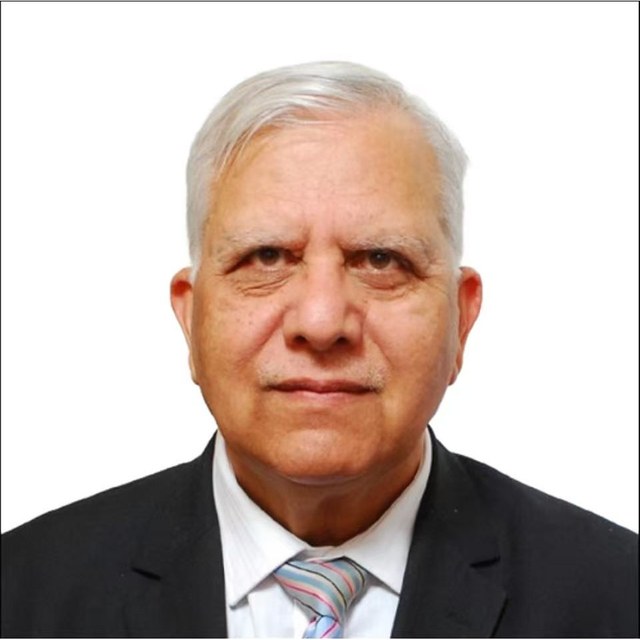
Zamir Ahmed Awan is the founder and Chair of the Global Silk Route Research Alliance, a think tank in Islamabad. He studied engineering at Shanghai University in the 1980s, and years later he went back to China as Pakistan's science counsellor in Beijing, from 2010 until 2016, working on science and higher education cooperation between the two countries.…