
Gaza, the United Nations, and the Crisis of Global Conscience 加沙、联合国和全球良知危机

(下边有中文翻译请继续看到底。 谢谢。)

The United Nations General Assembly’s overwhelming passage of a resolution demanding unrestricted humanitarian access to the Gaza Strip, protection of United Nations facilities, and compliance with international law marks a moment of rare moral clarity in an increasingly fractured world. Supported by 139 countries, with only 12 voting against and 19 abstaining, the resolution reflects a near-universal recognition that the situation in Gaza has spiraled into a catastrophic humanitarian crisis. Yet this decisive vote also exposes a painful contradiction at the heart of global governance: while the world can agree on what is right, it remains structurally unable to enforce it.
Gaza today stands as one of the gravest humanitarian emergencies of modern times. Entire residential districts have been reduced to rubble. Hospitals, schools, refugee shelters, and facilities run by UN agencies—sites explicitly protected under international humanitarian law—have been repeatedly struck. According to UN agencies and humanitarian organizations, civilians, overwhelmingly women and children, account for the vast majority of casualties. Food, water, electricity, fuel, and medicine have been deliberately restricted, turning necessities into instruments of coercion. This is not the accidental byproduct of conflict; it is a crisis shaped by policy choices that have transformed Gaza into a zone of engineered deprivation.

The General Assembly’s resolution followed an advisory opinion issued by the International Court of Justice in October, which reaffirmed Israel’s obligations under international humanitarian law and the UN Charter as an occupying power. While advisory opinions are not legally binding, they carry immense legal and moral weight. The ICJ restated long-established principles: occupation does not confer sovereignty; it imposes duties. Chief among these are the protection of civilians, facilitation of humanitarian assistance, and strict adherence to the laws of war. Israel’s conduct in Gaza, viewed through this legal lens, raises profound concerns about systematic non-compliance with these obligations.

Despite US-brokered humanitarian arrangements and understandings reached in October—intended to ease suffering and facilitate aid deliveries—only a fraction of the agreed assistance has been allowed into Gaza. Aid convoys have faced delays, arbitrary restrictions, and outright blockages. Humanitarian workers have been killed. UN premises have been damaged or destroyed. The obstruction of life-saving assistance has not been episodic; it has been sustained. This pattern, documented by multiple international agencies, has deepened an already catastrophic situation and pushed Gaza closer to famine-like conditions.

What is unfolding in Gaza demands moral clarity. This is not a conventional conflict conducted within the bounds of international law. It is a campaign marked by disproportionate force, collective punishment, and an extremist interpretation of Zionism that has translated into state policy. The scale of destruction, the targeting of civilian infrastructure, and the rhetoric that dehumanizes an entire population point to acts that amount to war crimes and may constitute crimes against humanity under international law. Palestinians in Gaza are not collateral damage; they are the primary victims of a prolonged system of domination and violence.

Norway’s Permanent Representative to the United Nations, introducing the draft resolution, warned that 2024 was among the most violent years in decades and that 2025 would follow a similarly dangerous trajectory. Her intervention captured a broader truth: violence in the occupied Palestinian territory is not an aberration but a structural reality. Gaza’s suffering is not the result of a single military operation; it is the outcome of a long-standing policy framework that normalizes force, erodes legal protections, and renders Palestinian lives perpetually vulnerable.

Yet the tragedy of Gaza is inseparable from the failure of the international system to translate consensus into consequence. The UN General Assembly can articulate global norms and express the conscience of humanity, but its resolutions remain non-binding. This structural limitation has repeatedly rendered overwhelming international agreement politically potent yet practically ineffective—particularly when violations are committed by states shielded by powerful allies.
At the center of this paralysis lies the misuse of veto power in the UN Security Council. Conceived in the aftermath of World War II to prevent great-power conflict, the veto has evolved into a mechanism that too often enables impunity. Time and again, resolutions aimed at protecting Palestinian civilians or holding Israel accountable have been blocked by a single veto. This pattern has hollowed out the Council’s credibility and fostered a perception that international law applies selectively.

The role of the United States in this dynamic warrants honest scrutiny. Washington’s unwavering diplomatic, political, and military support for Israel—regardless of the scale of civilian suffering or the weight of international legal concern—has been a decisive factor in shielding Israel from accountability. Repeated US vetoes in the Security Council, coupled with continued military assistance, have sent a clear message to Israeli leadership: consequences are unlikely. This political cover has emboldened policies that have intensified destruction and prolonged human suffering.

Such complicity carries global implications. By prioritizing strategic alliances over legal principles, the United States has undermined the very international order it claims to uphold. When accountability is blocked not because facts are unclear but because power intervenes, faith in multilateralism erodes. For much of the world—particularly in the Global South—this double standard reinforces the belief that international institutions serve the powerful rather than protect the vulnerable.

Yet the shortcomings of the United Nations are not immutable. They are the result of outdated structures and political inertia, not an absence of ideas or alternatives. If the international community is serious about rescuing human lives in Gaza and preventing similar catastrophes, reform is no longer optional—it is urgent.
- First, the misuse of veto power must be addressed. One pragmatic and increasingly supported proposal is to restrict or suspend the use of vetoes in situations involving mass atrocities, genocide, crimes against humanity, or severe humanitarian crises. Initiatives such as the “Responsibility Not to Veto,” already endorsed by dozens of states and civil society coalitions, should be institutionalized. No single state should possess the authority to block action when civilian lives are at immediate risk.
- Second, the authority of the General Assembly must be strengthened. While comprehensive Security Council reform remains politically challenging, existing mechanisms can be better utilized. The “Uniting for Peace” framework offers a pathway for collective action when the Security Council is paralyzed. Giving greater political and operational weight to consensus-based General Assembly resolutions—especially those supported by an overwhelming majority—would help close the gap between moral judgment and practical response.
- Third, accountability mechanisms must be reinforced. International judicial bodies such as the ICJ and the International Criminal Court require stronger political backing, adequate resources, and protection from political intimidation. Independent investigations into violations of international humanitarian law should trigger automatic consequences, not prolonged diplomatic bargaining. Accountability should be a principle, not a privilege.
- Fourth, humanitarian access must be depoliticized. Aid should never be contingent on the approval of an occupying power accused of creating the humanitarian crisis in the first place. Internationally supervised humanitarian corridors, protected by multilateral guarantees, are essential to ensure that assistance reaches civilians without obstruction or manipulation.

Ultimately, these reforms are not abstract institutional debates. They are about human survival. Every delayed resolution, every veto, every diluted statement translates into more lives lost in Gaza. Children dying from hunger and preventable disease, patients undergoing surgery without anesthesia, families buried beneath collapsed buildings—these are not statistics. They are human beings failed by a system that pledged, after the horrors of the twentieth century, that such suffering would never again be tolerated.

The General Assembly’s vote is a powerful reminder that the world has not lost its moral compass. A clear majority of nations recognize the injustice unfolding in Gaza and have chosen to stand on the side of international law and human dignity. What remains is the political courage to ensure that this consensus carries weight.

Israel must be compelled to halt policies that result in mass civilian harm—not through rhetorical condemnation alone, but through sustained international pressure, accountability, and adherence to the rule of law. The credibility of the United Nations, the integrity of the international legal order, and the lives of millions of Palestinians depend on it. Gaza is not merely a test of Israel’s conduct; it is a test of the world’s conscience. This time, failure would not be a matter of ignorance—but of choice.

加沙、联合国和全球良知危机
联合国大会以压倒性多数通过一项决议,要求不受限制地向加沙地带提供人道主义援助,保护联合国设施,并遵守国际法,这标志着在一个日益分裂的世界中,一个罕见的道德清晰时刻。这项决议得到了139个国家的支持,只有12个国家投了反对票,19个国家弃权。决议反映出,人们几乎普遍认识到,加沙局势已经演变成一场灾难性的人道主义危机。然而,这次决定性的投票也暴露了全球治理核心的一个痛苦矛盾:尽管世界可以就什么是正确的达成一致,但从结构上讲,它仍无法执行正确的做法。
加沙今天是现代最严重的人道主义紧急情况之一。整个居民区被夷为平地。医院、学校、难民收容所和联合国机构运营的设施——这些受到国际人道主义法明确保护的场所——一再遭到袭击。据联合国机构和人道主义组织称,平民,绝大多数是妇女和儿童,占绝大多数伤亡。食物、水、电、燃料和药品都被故意限制,把必需品变成了强制手段。这不是冲突的偶然副产品;这是一场由政策选择造成的危机,这些政策选择将加沙变成了一个人为设计的剥夺区。
联合国大会的决议遵循了国际法院10月份发布的咨询意见,该意见重申了以色列作为占领国在国际人道主义法和联合国宪章下的义务。虽然咨询意见没有法律约束力,但它们具有巨大的法律和道德分量。国际法院重申了长期确立的原则:占领不授予主权;它征收关税。其中最主要的是保护平民、促进人道主义援助和严格遵守战争法。从这一法律角度来看,以色列在加沙的行为引起了对有系统地不遵守这些义务的深刻关切。
尽管在美国的斡旋下达成了人道主义协议,并于10月达成了谅解——旨在减轻苦难和促进援助的运送——但只有一小部分商定的援助被允许进入加沙。援助车队面临延误、任意限制和彻底封锁。人道主义工作者被杀害。联合国房地遭到破坏或摧毁。对挽救生命的援助的阻碍并不是偶然的;它一直在持续。多个国际机构记录的这种模式,加深了本已灾难性的局势,使加沙更接近饥荒。
加沙正在发生的事情需要道德上的明晰。这不是一场在国际法范围内进行的常规冲突。这是一场以不成比例的武力、集体惩罚和对犹太复国主义的极端解释为特征的运动,这种极端解释已经转化为国家政策。破坏的规模、以民用基础设施为目标以及使全体人民丧失人性的言论表明,这些行为构成了战争罪,并可能构成国际法规定的危害人类罪。加沙地带的巴勒斯坦人不是附带伤害;他们是长期统治和暴力制度的主要受害者。
挪威常驻联合国代表在介绍该决议草案时警告说,2024年是几十年来最暴力的年份之一,2025年将遵循同样危险的轨迹。她的干预抓住了一个更广泛的事实:巴勒斯坦被占领土上的暴力不是一种失常,而是一种结构性现实。加沙的苦难不是一次军事行动的结果;它是长期政策框架的结果,这种政策框架使武力正常化,侵蚀法律保护,并使巴勒斯坦人的生活永远处于脆弱状态。
然而,加沙的悲剧与国际制度未能将协商一致转化为后果是分不开的。联合国大会可以阐明全球准则,表达人类良知,但其决议仍然没有约束力。这种结构性限制一再使压倒性的国际协议在政治上具有效力,但实际上却没有效力——特别是当受到强大盟友庇护的国家违反协议时。
这种瘫痪的核心在于滥用联合国安理会的否决权。否决权诞生于二战后,目的是防止大国之间的冲突,但现在它已经演变成一种机制,常常让人不受惩罚。一次又一次,旨在保护巴勒斯坦平民或使以色列承担责任的决议被一票否决。这种模式掏空了安理会的信誉,助长了一种认为国际法有选择地适用的看法。
美国在这一动态中所扮演的角色值得认真审视。华盛顿对以色列毫不动摇的外交、政治和军事支持——不顾平民苦难的规模或国际法律关切的分量——是保护以色列免于承担责任的决定性因素。美国在安理会一再否决,再加上继续提供军事援助,向以色列领导层发出了一个明确的信息:后果不大可能。这种政治掩护助长了加剧破坏和延长人类痛苦的政策。
这种共谋具有全球性的影响。通过将战略联盟置于法律原则之上,美国已经破坏了它声称要维护的国际秩序。当问责制受阻不是因为事实不明,而是因为权力干预时,人们对多边主义的信心就会受到侵蚀。对于世界上大部分国家,尤其是全球南方国家来说,这种双重标准强化了一种信念,即国际机构是为强国服务的,而不是保护弱者。
然而,联合国的缺点并不是不可改变的。它们是过时的结构和政治惰性的结果,而不是缺乏想法或替代方案。如果国际社会真的想要拯救加沙的生命,防止类似的灾难发生,那么改革就不再是可有可无的了——改革迫在眉睫。
首先,必须解决滥用否决权的问题。一项务实且得到越来越多支持的建议是,在涉及大规模暴行、种族灭绝、危害人类罪或严重人道主义危机的情况下,限制或暂停使用否决权。诸如已经得到数十个国家和民间社会联盟支持的“不行使否决权的责任”之类的倡议应该制度化。当平民生命面临直接危险时,任何一个国家都不应拥有阻止行动的权力。
第二,必须加强大会的权威。虽然安全理事会的全面改革在政治上仍然具有挑战性,但可以更好地利用现有机制。“团结一致谋和平”框架为安全理事会陷入瘫痪时采取集体行动提供了一条途径。给予以协商一致为基础的大会决议更大的政治和行动份量,特别是那些得到绝大多数国家支持的决议,将有助于缩小道德判断与实际反应之间的差距。
第三,必须加强问责机制。国际法院和国际刑事法院等国际司法机构需要更强有力的政治支持、充足的资源和免受政治恐吓的保护。对违反国际人道主义法行为的独立调查应该自动引发后果,而不是长期的外交谈判。问责应该是一种原则,而不是一种特权。
第四,人道主义准入必须非政治化。援助永远不应该以一个被控首先制造人道主义危机的占领国的批准为条件。受多边保障保护的国际监督的人道主义走廊对于确保援助不受阻碍或操纵地送达平民至关重要。
归根结底,这些改革不是抽象的制度辩论。它们关乎人类的生存。每一个拖延的决议,每一个否决,每一个被稀释的声明,都意味着在加沙失去更多的生命。死于饥饿和可预防疾病的儿童,在没有麻醉的情况下接受手术的病人,被埋在倒塌建筑物下的家庭——这些都不是统计数字。在经历了二十世纪的恐怖之后,他们是被一个承诺永远不会再容忍这种苦难的制度所辜负的人类。
大会的表决有力地提醒我们,世界并没有失去道德指南针。绝大多数国家认识到加沙正在发生的不公正现象,并选择站在国际法和人类尊严的一边。剩下的是确保这一共识发挥作用的政治勇气。
必须迫使以色列停止导致大规模平民伤害的政策——不仅仅是通过口头谴责,而是通过持续的国际压力、问责和遵守法治。联合国的信誉、国际法律秩序的完整性以及数百万巴勒斯坦人的生命都取决于它。加沙不仅仅是对以色列行为的考验;这是对世界良知的考验。这一次,失败不是无知的问题,而是选择的问题。
( 注意: 本文是用AI翻译的,或有误差。请以原版英文为准。谢谢。)
Reference Link:- https://thinktank.pk/2025/12/18/gaza-the-united-nations-and-the-crisis-of-global-conscience/
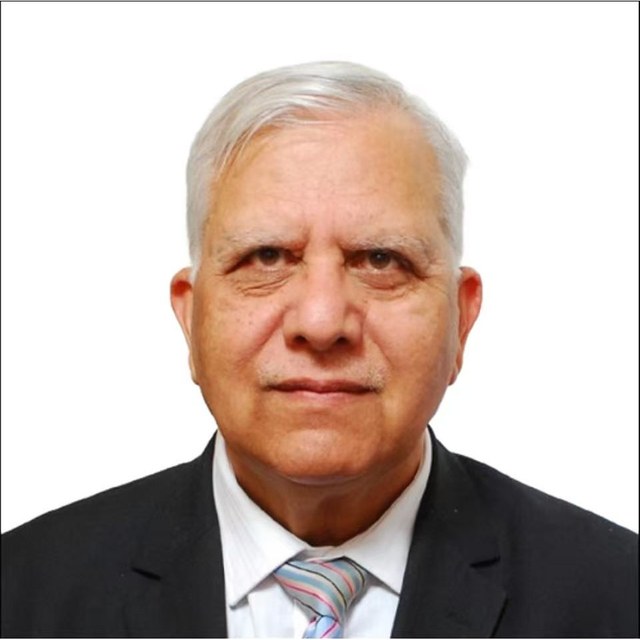
Zamir Ahmed Awan is the founder and Chair of the Global Silk Route Research Alliance, a think tank in Islamabad. He studied engineering at Shanghai University in the 1980s, and years later he went back to China as Pakistan's science counsellor in Beijing, from 2010 until 2016, working on science and higher education cooperation between the two countries.…