Transforming Pakistan’s Auto Industry: The Emerging Force of Sino-Pak Cooperation 转型巴基斯坦汽车工业:中巴合作的新兴力量
Wire desk byline Sourced from Xinhua, Dawn, Arab News, Anadolu and Minute Mirror. Translated and abridged by the GSRRA Desk.

(下边有中文翻译请继续看到底。 谢谢。)
The landscape of Pakistan’s automotive sector is undergoing a transformative shift, propelled by significant collaborations with global auto manufacturers, particularly from China. This development heralds a new era not only for the competitive dynamics within the automotive market but also for the broader economic relationship between Pakistan and China. As demonstrated recently by Ghandhara Industries Limited’s strategic partnership with Zhongtong Bus Holding Co. Limited, the introduction of new luxurious bus models complements the growing presence of Chinese automobile brands across various vehicle segments in Pakistan, from small electric vehicles (EVs) to commercial trucks and buses.
The Rise of Chinese Automobiles in Pakistan
Chinese automobile manufacturers have made incredible strides in establishing a presence in Pakistan, gradually capturing a notable market share that has altered the dynamics of a sector traditionally dominated by Japanese automakers such as Suzuki, Toyota, and Honda. As of 2023, Chinese brands, including Changan, MG, and Haval, have significantly increased their footprint, and now represent over 20% of Pakistan’s total automotive sales. This upward trajectory reflects not only changing consumer preferences favoring innovative design and technology but also the increasing affordability of these vehicles in comparison to their Japanese counterparts. Moreover, the arrival of new players has encouraged competition, resulting in better pricing, improved features, and a focus on fuel efficiency—key concerns for consumers navigating the challenges of a rising economic landscape. With a growing middle class eager to adopt modern transportation solutions, the timing of this influx could not be more opportune.
A Focus on Electric Vehicles
Electric vehicles have emerged as a focal point in the evolving automotive landscape in Pakistan, especially with the government’s commitment to greener energy solutions aimed at reducing carbon emissions and combating climate change. This aligns fundamentally with the global trend where countries are shifting their focus toward sustainability and eco-friendly technology. Strategic partnerships such as that of NexGen Auto, a subsidiary of the Nishat Group, have set the stage for mass EV production in Pakistan. This plant, which began operations ahead of schedule, marks a significant milestone in the country’s ambition to promote electric mobility. Yet, the opportunities do not end with small EVs.
Beyond Cars: A Comprehensive Approach
The collaboration between Ghandhara and Zhongtong signifies that the focus on electric vehicles extends beyond personal cars to include commercial vehicles such as trucks and buses, thereby addressing a broad spectrum of transportation needs. This comprehensive approach suggests a desire to establish an integrated electric mobility ecosystem that encompasses various types of vehicles. For instance, as buses continue to play a vital role in urban mobility, Zhongtong’s luxury buses will not only provide efficient public transport solutions but also integrate modern technologies designed for sustainability. In addition, trucks equipped with electric drivetrains can significantly contribute to reducing emissions in the logistics sector, a crucial move towards a more sustainable economic model.
Market Dynamics and Future Projections
Considering the current trend and consumer shift toward embracing modern automotive technologies, it is plausible to project that the market share of Chinese vehicles in Pakistan will continue to grow. With the support of government incentives aimed at promoting electric vehicles and partnerships that enable local manufacturing, the prospects for a complete transformation of the automotive sector appear promising. The previously slow adaptation to electric technologies is now rapidly changing as the infrastructure to support it improves, including charging stations and after-sales services. By 2030, estimates suggest that EVs could account for 30-40% of vehicle sales in Pakistan—a significant leap from current figures primarily dominated by gasoline and diesel vehicles. Yet, the potential transformation extends beyond mere numbers; it also embodies a significant shift in consumer behavior and expectations. As awareness of environmental issues increases, consumers will likely gravitate towards brands that prioritize sustainability, driving further innovation and investment in electric and hybrid technologies.
A Strategic Partnership at Work
Through collaborative efforts, both Ghandhara and Zhongtong are positioning themselves not just as players in the automotive sector but as leaders in the shift toward sustainable transportation solutions. This partnership may pave the way for future collaboration with other industries, such as technology and energy, creating a broader ecosystem that supports advancements in infrastructure and energy sources. Regulatory support from the Pakistani government will be critical in fostering this growth. This includes formulating policies that encourage investment in manufacturing, R&D specific to electric vehicles, and creating incentives for consumers to opt for greener alternatives. Through such initiatives, the government can significantly influence the pace at which the automotive sector transforms.
Concluding Thoughts
In conclusion, the burgeoning cooperation between China and Pakistan in the automotive sector represents not just a business opportunity but a foundational shift towards a more modern, sustainable, and competitive market landscape. The recent developments in electric vehicle production and the introduction of advanced technologies by Chinese manufacturers signify a holistic approach to meeting the diverse transportation needs of the Pakistani populace. As Ghandhara and other companies like NexGen Auto chart their paths, they embody the spirit of innovation and collaboration that aligns with global trends towards sustainability. The potential transformation of Pakistan’s automotive sector is more than just a possibility; it is an imminent reality poised to redefine mobility in the region. The future is indeed bright for Chinese vehicles in Pakistan, with their increasing prevalence ushering in an era of economic dynamism, consumer choice, and environmental responsibility. As we move forward, we can only anticipate the remarkable innovations and transformations that lie ahead as both nations forge a fruitful partnership in this essential industry.
转型巴基斯坦汽车工业:中巴合作的新兴力量
在与全球汽车制造商,特别是中国汽车制造商的重要合作的推动下,巴基斯坦汽车行业的格局正在发生变革。这一发展不仅预示着汽车市场竞争动态的新时代,而且预示着巴基斯坦和中国之间更广泛的经济关系的新时代。正如最近甘地工业有限公司与中通客车控股有限公司的战略合作伙伴关系所表明的那样,新的豪华客车车型的引入补充了中国汽车品牌在巴基斯坦各个汽车领域的增长,从小型电动汽车(ev)到商用卡车和公共汽车。
中国汽车在巴基斯坦的崛起
中国汽车制造商在巴基斯坦取得了令人难以置信的进步,逐渐占据了显著的市场份额,改变了传统上由铃木、丰田和本田等日本汽车制造商主导的行业格局。截至2023年,包括长安、名爵和哈弗在内的中国品牌的足迹大幅增加,目前占巴基斯坦汽车总销量的20%以上。这一上升趋势不仅反映了消费者对创新设计和技术的偏好不断变化,而且与日本同行相比,这些汽车的承受能力也在不断提高。此外,新玩家的到来鼓励了竞争,带来了更好的定价,改进的功能,以及对燃油效率的关注——这是消费者在经济形势不断上升的挑战中所关注的关键问题。随着越来越多的中产阶级渴望采用现代交通解决方案,这种涌入的时机再合适不过了。
专注于电动汽车
电动汽车已经成为巴基斯坦不断发展的汽车领域的焦点,特别是在政府致力于减少碳排放和应对气候变化的绿色能源解决方案的情况下。这与各国将重点转向可持续性和环保技术的全球趋势基本一致。与Nishat集团的子公司NexGen Auto等战略合作伙伴关系为在巴基斯坦大规模生产电动汽车奠定了基础。该工厂提前开始运营,标志着该国推动电动交通的雄心壮志的一个重要里程碑。然而,机会并不仅限于小型电动汽车。
超越汽车:一个全面的方法
Ghandhara和中通的合作标志着对电动汽车的关注从个人汽车扩展到卡车和公共汽车等商用车,从而满足广泛的运输需求。这种全面的方法表明了建立一个包含各种类型车辆的综合电动交通生态系统的愿望。例如,随着公交车在城市交通中继续发挥着至关重要的作用,中通的豪华巴士不仅将提供高效的公共交通解决方案,还将集成为可持续发展而设计的现代技术。此外,配备电动传动系统的卡车可以显著减少物流行业的排放,这是朝着更可持续的经济模式迈出的关键一步。
市场动态和未来预测
考虑到目前的趋势和消费者向拥抱现代汽车技术的转变,中国汽车在巴基斯坦的市场份额将继续增长是合理的。在旨在推广电动汽车的政府激励措施的支持下,以及支持本土制造的合作伙伴关系,汽车行业彻底转型的前景似乎很有希望。随着支持电力技术的基础设施(包括充电站和售后服务)的改善,以前对电力技术的缓慢适应现在正在迅速改变。据估计,到2030年,电动汽车将占巴基斯坦汽车销量的30-40%——与目前主要由汽油和柴油汽车主导的数字相比,这是一个重大飞跃。然而,潜在的转变不仅仅是数字上的;它还体现了消费者行为和期望的重大转变。随着环保意识的提高,消费者可能会被优先考虑可持续性的品牌所吸引,从而推动电动和混合动力技术的进一步创新和投资。
工作中的战略伙伴关系
通过合作,Ghandhara和中通不仅将自己定位为汽车行业的参与者,而且将成为向可持续交通解决方案转变的领导者。这种伙伴关系可能为未来与其他行业(如技术和能源)的合作铺平道路,创造一个更广泛的生态系统,支持基础设施和能源的进步。巴基斯坦政府的监管支持对促进这一增长至关重要。这包括制定鼓励制造业投资的政策,电动汽车的研发,以及鼓励消费者选择更环保的替代品。通过这些举措,政府可以显著影响汽车行业转型的速度。
结束的想法
总之,中巴两国在汽车领域蓬勃发展的合作不仅代表着商机,而且代表着向更现代、更可持续、更有竞争力的市场格局的根本性转变。最近电动汽车生产的发展和中国制造商引进的先进技术表明,巴基斯坦将采取全面的方法来满足巴基斯坦民众的多样化交通需求。随着甘地和新世代汽车等其他公司开辟自己的道路,他们体现了创新和合作的精神,与全球可持续发展的趋势保持一致。巴基斯坦汽车行业的潜在转型不仅仅是一种可能性;这是一个即将到来的现实,将重新定义该地区的流动性。随着中国汽车的日益普及,巴基斯坦迎来了一个经济活力、消费者选择和环境责任的时代,中国汽车的未来确实是光明的。
( 注意: 本文是用AI翻译的,或有误差。请以原版英文为准。谢谢。)
Author: Prof. Engr. Zamir Ahmed Awan, Founding Chair GSRRA, Sinologist, Diplomat, Editor, Analyst, Advisor, Consultant to Global South Economic and Trade Cooperation Research Center, and Non-Resident Fellow of CCG. (E-mail: awanzamir@yahoo.com).
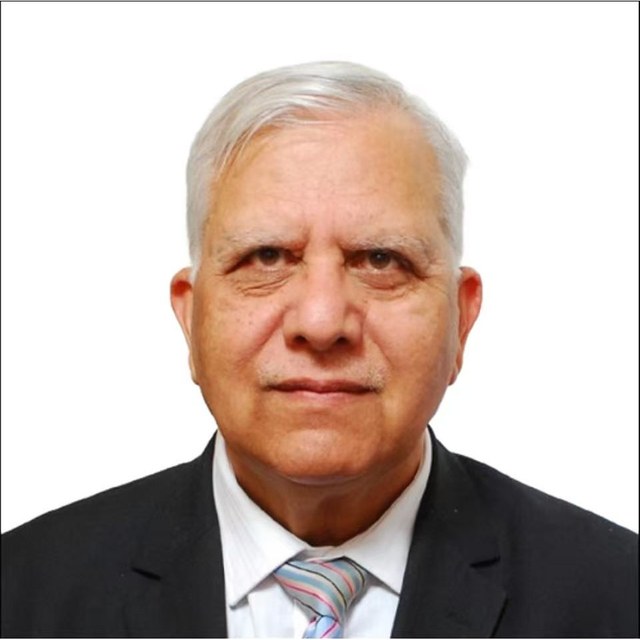
Zamir Ahmed Awan is the founder and Chair of the Global Silk Route Research Alliance, a think tank in Islamabad. He studied engineering at Shanghai University in the 1980s, and years later he went back to China as Pakistan's science counsellor in Beijing, from 2010 until 2016, working on science and higher education cooperation between the two countries.…