

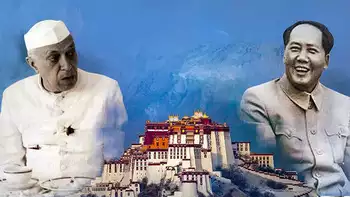
In the vast landscape of geopolitical relations, few rivalries are as complex and fraught with historical baggage as that between China and India. With both nations boasting rich civilizations and soaring aspirations, it is their tumultuous relationship that may ultimately dictate the stability and prosperity of South Asia. It is imperative to examine the multilayered disputes and differences between these two giants, particularly in light of recent developments. While China appears willing to normalize relations, India’s opportunistic tendencies raise questions about the sincerity of its intentions.
Historical Context and Current Disputes
The roots of the China-India discord are deeply embedded in historical grievances, territorial disputes, and differing national visions. The most significant flashpoint is the unresolved border issue, which has its roots in the 1962 Sino-Indian War, a conflict that not only left territorial scars but also bred distrust. Areas such as Aksai Chin and Arunachal Pradesh remain contentious, turning the Line of Actual Control into a militarized frontier fraught with tension. Recent skirmishes and confrontations in these territories have only exacerbated the existing hostility, signaling that the wounds of the past remain unhealed.
Additionally, longstanding disputes over water resources, trade imbalances, and India’s growing closeness to the United States complicate the relationship further. India’s growing strategic partnership with the U.S. and its active involvement in military alliances like the Quad present a direct counter to China’s regional aspirations. Consequently, the recurring theme of competition for influence in South Asia amplifies mutual suspicions, making dialogue increasingly challenging.
The Opportunistic Nature of India’s Relations
India’s foreign policy has often demonstrated a distinct pattern of opportunism, marked by shifting loyalties and strategic recalibrations driven predominantly by perceived benefits. During the Cold War, India found itself aligned with the USSR, leveraging its relationship against the backdrop of rising Chinese influence. The anti-China sentiment was palpable, and India managed to extract substantial political, military, and economic advantages from the Soviet Union as a result. However, after the dissolution of the USSR in 1991, India sensed an opportunity to pivot toward the West, specifically the United States, which had emerged as a global superpower.
Over the decades, India has honed a strategy of courting the U.S. for military assistance, financial investment, and comprehensive technological cooperation. Prime Minister Modi’s administration has been no exception to this trend; he has sought the American embrace amid growing tensions with China. However, this pragmatic maneuvering has often come at the expense of genuine and consistent partnerships, undermining India’s credibility on the global stage.
The recent era of U.S.-India relations took a turn under President Trump, who questioned India’s expectations for unilateral benefits without mutual concessions. Trump’s resurgence of American nationalism and reluctance to provide free lunch highlighted a significant recalibration in American foreign policy. Forced to reassess its dependency on the U.S., India is now reportedly looking toward China with renewed interest, echoing an age-old instinct to engage with potential rivals when faced with unpredictability.
China’s Stance: Sincere Engagement or Cautionary Bet?
While the geopolitical chessboard shifts, China stands firm and calculated, showcasing a willingness to engage with India in pursuit of stable and amicable relations. Beijing understands the profound importance of cooperation in the face of global economic volatility and rising insecurity. China’s economic prowess and technological advancements make it an attractive partner, not just for India but for the entire region.
Despite the territorial disputes and competing ideologies, China has consistently emphasized dialogue and diplomacy as the primary means to resolve issues. The Chinese leadership has shown a readiness to engage India in talks, aiming for mutual benefits while highlighting the importance of respecting core national interests. This is reflective of China’s longstanding wisdom and their historical approach to international relations, which often values stability over opportunism.
Yet, the question remains whether India will reciprocate this spirit of engagement sincerely. Given its historical pattern of shifting allegiances, there is a growing skepticism about India’s intentions toward this renewed offer of cooperation. If history serves as a guide, India’s prior interactions with China indicate a trend of making overtures for strategic gains rather than fostering a genuine partnership. The potential for India to exploit China’s openness for its own gain cannot be dismissed, as the geopolitical landscape remains unpredictable.
Implications for South Asia: A Path Toward Coexistence
For the sake of regional peace and stability, a normalized relationship between China and India is paramount. Stability in South Asia carries profound implications, not only for the two nations involved but for the entire region. Economic collaborations, cultural exchanges, and shared security frameworks could usher in an era of cooperative development that benefits both economies significantly.
As China rises on the global stage, its commitment to economic initiatives like the Belt and Road Initiative presents tangible opportunities for India to align with its neighbour. Cooperation could yield mutual benefits through enhanced trade, infrastructural development, and technological sharing, paving the way towards long-term peace.
However, the road to mutual understanding is impeded by India’s history of opportunism. The concerns surrounding India’s intentions remain valid, as opportunistic maneuvering is likely to deter sincere partnership. Should India continue to engage in this transactional diplomacy, any progress achieved will likely be temporary, subject to realignment as new opportunities arise. This behavior poses a significant risk not only to bilateral relations but also to regional security and stability at large.
Looking to the Future: Uncertain Trajectories
Looking ahead, the 2028 U.S. presidential elections loom large in the context of India’s foreign policy trajectory. Should a new administration emerge that seeks to redefine relations with India, there is a distinct possibility that India may yet again pivot back toward the U.S., leaving China in the lurch. The cycle of opportunism could repeat itself, leaving China to reassess its approach yet again.
Modi’s government is faced with significant challenges in reconciling its nationalistic aspirations with the pragmatic realities of global politics. His ambivalence toward China—oscillating between a desire for engagement and an underlying suspicion—shows a lack of genuine sincerity. This ideological tension undermines the prospect for meaningful dialogue, counteracting the potential for peaceful coexistence.
Way Forward
In conclusion, while China demonstrates a readiness to normalize relations with India, the latter’s history of opportunism casts a long shadow over the potential for a fruitful partnership. India’s track record of shifting allegiances, its strategic recalibrations driven by short-term gains, and its reluctance to engage sincerely have created an environment of distrust.
For South Asia to flourish and for the two nations to realize their aspirations, it is crucial that India moves away from its opportunistic tendencies and embraces genuine dialogue and cooperation with China. This is not merely a matter of fostering bilateral relations; it is about committing to a stable regional order that benefits all of South Asia. It is time for India to rise to the occasion, forge a sincere relationship with China, and break free from the chains of opportunism that have defined its foreign policy for far too long. Only then can the collective wisdom of both nations lead to a more peaceful and prosperous future for the region.
在地缘政治关系的广阔图景中,很少有对手像中国和印度之间的竞争那样复杂和充满历史包袱。两国都拥有丰富的文明和远大的抱负,两国动荡的关系可能最终决定南亚的稳定与繁荣。审视这两个巨人之间的多层次争端和分歧,尤其是考虑到最近的事态发展,是必要的。虽然中国似乎愿意实现两国关系正常化,但印度的机会主义倾向让人质疑其意图的诚意。
历史背景和当前争议
中印不和的根源深深植根于历史恩怨、领土争端和不同的国家愿景。最近在这些领土上发生的小规模冲突和对抗只会加剧现有的敌意,表明过去的创伤仍未愈合。
此外,围绕水资源的长期争端、贸易不平衡以及印度与美国日益密切的关系使两国关系进一步复杂化。印度与美国日益加强的战略伙伴关系,以及印度积极参与四方防务联盟等军事联盟,都是对中国地区野心的直接反击。因此,在南亚反复出现的争夺影响力的主题放大了相互猜疑,使对话越来越具有挑战性。
印度关系的机会主义性质
印度的外交政策经常表现出一种独特的机会主义模式,其特点是主要受感知利益驱动的忠诚转移和战略调整。冷战期间,印度发现自己与苏联结盟,在中国影响力上升的背景下利用其关系。反华情绪是显而易见的,结果印度设法从苏联那里获得了大量的政治、军事和经济优势。然而,在1991年苏联解体后,印度感觉到一个转向西方的机会,特别是已经成为全球超级大国的美国。
在过去的几十年里,印度已经磨练了一种向美国寻求军事援助、金融投资和全面技术合作的战略。莫迪政府也不例外。在中美关系日益紧张之际,他寻求美国的支持。然而,这种务实的策略往往是以牺牲真正和一致的伙伴关系为代价的,损害了印度在全球舞台上的信誉。
最近的美印关系在特朗普总统的领导下发生了转折,他质疑印度对不相互让步的单边利益的期望。特朗普的美国民族主义复兴和不愿提供免费午餐凸显了美国外交政策的重大调整。据报道,印度被迫重新评估其对美国的依赖,现在正以新的兴趣转向中国,这与面对不可预测性时与潜在对手接触的古老本能相呼应。
中国立场:真诚接触还是谨慎下注?
尽管地缘政治格局发生了变化,但中国立场坚定,表现出与印度接触、追求稳定友好关系的意愿。面对全球经济动荡和不安全感上升,北京明白合作的深远重要性。中国的经济实力和技术进步使其成为一个有吸引力的合作伙伴,不仅对印度,对整个地区都是如此。
尽管存在领土争端和意识形态冲突,但中国始终强调对话和外交是解决问题的主要手段。中国领导人已表示愿意与印度进行谈判,旨在实现互利共赢,同时强调尊重国家核心利益的重要性。这反映了中国长期以来的智慧和他们对待国际关系的历史态度,即往往重视稳定而不是机会主义。
然而,问题仍然是印度是否会真诚地回报这种接触精神。考虑到印度在历史上效忠对象不断变化的模式,人们越来越怀疑印度对这一新的合作提议的意图。如果以史为鉴的话,印度之前与中国的互动表明,印度倾向于为战略利益献策,而不是培养真正的伙伴关系。印度利用中国的开放为自己谋利的可能性不容忽视,因为地缘政治格局仍然不可预测。
对南亚的启示:一条通向共存的道路
为了地区的和平与稳定,中印关系正常化至关重要。南亚的稳定不仅对两国,而且对整个地区都具有深远的影响。经济合作、文化交流和共享的安全框架可以开创一个合作发展的时代,使两国经济都受益匪浅。
随着中国在全球舞台上崛起,其对“一带一路”等经济倡议的承诺为印度与其邻国结盟提供了切实的机会。通过加强贸易、基础设施发展和技术共享,合作可以产生互利,为实现长期和平铺平道路。
然而,印度的机会主义历史阻碍了相互理解的道路。围绕印度意图的担忧仍然有效,因为投机取巧可能会阻碍真诚的伙伴关系。如果印度继续进行这种交易性外交,取得的任何进展都可能是暂时的,可能会随着新机会的出现而重新调整。这种行为不仅对双边关系,而且对整个地区的安全与稳定构成重大威胁。
展望未来:不确定的轨迹
展望未来,2028年美国总统大选在印度外交政策轨迹的背景下显得尤为重要。如果美国新政府寻求重新定义与印度的关系,那么印度很有可能再次转向美国,让中国陷入困境。机会主义的循环可能会重演,让中国再次重新评估自己的做法。
莫迪政府在调和其民族主义愿望与全球政治的务实现实方面面临着重大挑战。他对中国的矛盾心理——在渴望接触和潜在的怀疑之间摇摆——显示出缺乏真诚。这种意识形态紧张破坏了进行有意义对话的前景,抵消了和平共处的潜力。
前进的道路
总之,尽管中国表现出了与印度关系正常化的意愿,但印度的机会主义历史给两国建立富有成果的伙伴关系的潜力蒙上了长长的阴影。印度不断改变效忠对象的记录,短期利益驱动的战略调整,以及不愿真诚接触,创造了一种不信任的环境。
为了南亚的繁荣,为了两国实现各自的愿望,至关重要的是,印度要摆脱机会主义倾向,接受与中国的真正对话与合作。这不仅是一个促进双边关系的问题;而是致力于建立一个稳定的地区秩序,使整个南亚受益。印度是时候挺身而出,与中国建立真诚的关系,摆脱长期以来定义其外交政策的机会主义枷锁。只有这样,两国的集体智慧才能为该地区带来更加和平与繁荣的未来。
Reference Link:- https://www2.apdnews.cn/en/item/25/1124/axjfffzma02e3d5d323aca.html