Can China and Russia Together Bring Real Balance to a Chaotic World? 中国和俄罗斯能给混乱的世界带来真正的平衡吗?

(下边有中文翻译请继续看到底。 谢谢。)
The meeting between Chinese President Xi Jinping and Russian Prime Minister Mikhail Mishustin in Beijing on November 4 marks another milestone in the evolution of China-Russia relations. Coming at a time of global geopolitical turbulence, this high-level engagement not only underscores the deepening partnership between Beijing and Moscow but also sends a powerful message about the emergence of a new global equilibrium—one that emphasizes multipolarity, fairness, and respect for sovereignty.
A day before the meeting, Chinese Premier Li Qiang and his Russian counterpart met in Hangzhou, where they jointly signed a communique and oversaw agreements in strategic areas, including customs, satellite navigation, and investment cooperation. These developments reflect the pragmatic and forward-looking nature of China-Russia relations — a partnership built on trust, mutual respect, and shared visions for peace and stability.
In a rapidly changing world, where unilateralism and hegemonic ambitions continue to undermine global peace, the strengthening of China-Russia ties offers a promising alternative — a partnership rooted in cooperation rather than confrontation.
A Partnership of Strategic Depth
President Xi Jinping’s remarks during his meeting with Prime Minister Mishustin captured the essence of this evolving relationship. He emphasized the need to enhance cooperation and better synergize development strategies. This synergy — between China’s Belt and Road Initiative (BRI) and Russia’s Eurasian Economic Union (EAEU) — represents one of the most comprehensive and forward-looking frameworks for economic integration and sustainable growth across the Eurasian continent.
For China, Russia remains a crucial partner in ensuring energy security, advancing regional connectivity, and maintaining strategic balance in global affairs. For Russia, China offers a reliable friend and an economic powerhouse with which it shares a vision for an equitable world order free from domination by any single power.
The two countries’ coordination extends beyond economics. Their collaboration in the United Nations, the Shanghai Cooperation Organization (SCO), and BRICS demonstrates a shared commitment to promoting multipolarity and defending international law. In this context, the regular meetings between Chinese and Russian leaders serve as vital mechanisms for aligning policies and ensuring that both sides move forward in concert toward long-term objectives.
Towards a Multipolar and Stable World Order
The global context of the Xi-Mishustin meeting cannot be overlooked. The world today is grappling with shifting power dynamics, sanctions-based diplomacy, and growing distrust among major powers. Against this backdrop, the China-Russia partnership presents a stabilizing force — one that seeks balance rather than dominance.
Both Beijing and Moscow have consistently called for a fairer international system where every nation, big or small, enjoys equal respect and opportunity. Their joint stance against “unilateral sanctions” — as reiterated during Mishustin’s visit — highlights a shared determination to resist coercive economic and political measures that have often been used as tools of geopolitical control.
China and Russia’s growing cooperation in investment, trade, energy, and technology stands as a beacon of pragmatic diplomacy — one that prioritizes results, mutual benefit, and global inclusiveness. Their collaboration does not aim to form an exclusive bloc but rather to encourage a world where countries can pursue independent development paths without external pressure.
As President Xi noted, “China and Russia are each other’s largest neighbors and comprehensive strategic partners of coordination for the new era.” This partnership, guided by respect and equality, is poised to contribute significantly to a more balanced and peaceful international order.
A Catalyst for Regional Stability
The strengthening of China-Russia relations has profound implications for regional stability, particularly in Asia. With both nations advocating for cooperative security rather than military confrontation, the emerging alignment offers smaller countries an opportunity to pursue balanced diplomacy and economic partnerships without fear of being drawn into great-power rivalries.
For Central Asia, China-Russia coordination ensures that the region remains a bridge of peace and connectivity rather than a battleground of influence. Their cooperation in infrastructure, energy, and transport projects across the Eurasian corridor enhances economic interdependence, creating shared interests that discourage conflict.
Similarly, in South Asia — and particularly for Pakistan — the China-Russia partnership presents opportunities for stability, connectivity, and diversified cooperation. Pakistan, strategically located at the crossroads of South Asia, Central Asia, and the Middle East, stands to gain immensely from a stable and cooperative regional environment fostered by Beijing and Moscow’s engagement.
Pakistan: Balancing for Peace and Prosperity
Pakistan’s foreign policy has long sought to maintain balance in a world increasingly divided by competing blocs. As a nation that values strategic autonomy, Pakistan has carefully navigated its relations with major powers — prioritizing peace, regional cooperation, and mutual respect.
Pakistan’s all-weather friendship with China is widely recognized as a cornerstone of its foreign policy. From the construction of the Karakoram Highway in the 1960s to the modern China-Pakistan Economic Corridor (CPEC), this partnership has consistently delivered mutual benefit, development, and strategic stability. The depth of China-Pakistan relations — based on trust, respect, and shared aspirations — is often cited as a model for international relations.
In recent years, Pakistan has also made significant strides in strengthening its ties with Russia. What was once a distant relationship during the Cold War has transformed into one of growing cooperation and understanding. Today, Russia and Pakistan are collaborating in energy projects, defense dialogues, counterterrorism efforts, and educational exchanges. Moscow’s willingness to engage Islamabad reflects Russia’s recognition of Pakistan’s geopolitical importance and its role in ensuring regional peace.
China-Russia Ties and Their Impact on Pakistan
The deepening of China-Russia cooperation offers Pakistan both opportunities and strategic space. As the two Eurasian giants expand their coordination, Pakistan can benefit in several key areas:
Regional Connectivity and Trade Expansion:
The synergy between the Belt and Road Initiative (BRI) and the Eurasian Economic Union (EAEU) can create new trade corridors linking China, Russia, Central Asia, and South Asia. Pakistan, through CPEC, can emerge as a vital hub in this network, connecting Eurasia to the Arabian Sea.
Energy Cooperation:
With Russia being a major energy supplier and China a leading energy consumer, Pakistan can position itself as a conduit for regional energy trade. Discussions on gas pipelines and energy projects involving Pakistan, China, and Russia could significantly enhance Pakistan’s energy security.
Defense and Security Dialogue:
Both China and Russia share Pakistan’s concerns about terrorism, extremism, and regional instability. Increased cooperation among the three could help build stronger mechanisms for counterterrorism and intelligence sharing.
Technological and Educational Collaboration:
As China and Russia enhance collaboration in space, science, and innovation, Pakistan can seek partnerships in joint research, technology transfer, and academic cooperation — strengthening its knowledge base and human capital.
Balanced Diplomacy:
Perhaps most importantly, the China-Russia partnership allows Pakistan greater flexibility in its foreign policy. Instead of aligning rigidly with any single bloc, Islamabad can continue to pursue an independent, balanced approach — maintaining friendly relations with all major powers while prioritizing its own national interests.
A Vision for an Inclusive Future
The new momentum in China-Russia relations carries a broader message for the world — that cooperation among major powers need not come at the expense of smaller nations. On the contrary, it can create an environment where global development becomes more inclusive and fairer.
China and Russia’s approach is fundamentally different from traditional bloc politics. Their emphasis on dialogue, development, and multipolarity offers an alternative to confrontation-based global systems. The vision is one of shared growth — a world where economic progress is not dictated by power politics but shaped by partnership and equality.
For Pakistan and other developing nations, this presents an inspiring model. Instead of choosing sides in great-power competition, they can participate in a network of balanced relationships based on mutual benefit and respect for sovereignty.
A New Era of Cooperation and Balance
The recent meetings between Chinese and Russian leaders have reaffirmed a fundamental truth: in a world of interdependence, cooperation is strength. The partnership between Beijing and Moscow is not aimed at challenging any particular nation, but rather at promoting fairness, stability, and peace in international relations.
As President Xi Jinping rightly emphasized, China and Russia must “work together to enhance cooperation and synergy in their development strategies.” This cooperative spirit holds the promise of transforming not only Eurasia but also the global political landscape.
For Pakistan, the strengthening of China-Russia relations presents both opportunities and reassurance. As an old and trusted friend of China and a new but steadily growing partner of Russia, Pakistan can play a meaningful role in this emerging multipolar world. It can act as a bridge — connecting regions, facilitating trade, and promoting peace.
In the broader picture, the China-Russia partnership symbolizes a new chapter in world politics — one where the principles of equality, respect, and shared development take precedence over domination and division. The future, as it appears today, seems to be tilting toward balance — a world where many centers of power coexist peacefully, where cooperation outweighs conflict, and where nations like Pakistan can chart their destinies freely in a stable, multipolar global order.
中国和俄罗斯能给混乱的世界带来真正的平衡吗?
在全球地缘政治动荡之际,这次高层接触不仅强调了北京和莫斯科之间不断深化的伙伴关系,而且发出了一个强有力的信息,即新的全球平衡的出现——一个强调多极化、公平和尊重主权的平衡。
会议前一天,中国总理李强和俄罗斯总理在杭州会晤,双方共同签署了一份公报,并监督了包括海关、卫星导航和投资合作在内的战略领域的协议。这些发展体现了中俄关系的务实和前瞻性,即建立在相互信任、相互尊重和和平稳定愿景基础上的伙伴关系。
当今世界瞬息万变,单边主义和霸权主义继续破坏世界和平,加强中俄关系提供了另一种有希望的选择——基于合作而不是对抗的伙伴关系。
战略深度伙伴关系
他强调要加强合作,更好地对接发展战略。中国的“一带一路”倡议(BRI)与俄罗斯的欧亚经济联盟(EAEU)之间的协同作用,代表了欧亚大陆经济一体化和可持续增长最全面、最具前瞻性的框架之一。
俄罗斯是中国保障能源安全、推进地区互联互通、维护全球事务战略平衡的重要伙伴。对俄罗斯来说,中国是一个可靠的朋友,也是一个经济强国,与俄罗斯有着共同的愿景,即建立一个不受任何单一大国支配的公平的世界秩序。
两国的合作超出了经济范畴。两国在联合国、上海合作组织、金砖国家框架内开展合作,共同致力于推动世界多极化、维护国际法。在此背景下,中俄领导人之间的定期会晤是协调政策和确保双方朝着长期目标一致前进的重要机制。
走向多极稳定的世界秩序
当今世界正在努力应对权力格局的变化、以制裁为基础的外交以及大国之间日益增长的不信任。在此背景下,中俄伙伴关系是一股稳定的力量,寻求平衡而不是主导。
北京和莫斯科一直呼吁建立一个更公平的国际体系,让每个国家,无论大小,都能享有平等的尊重和机会。正如米舒斯京访问期间所重申的那样,两国反对“单边制裁”的共同立场,突显了抵制强制性经济和政治措施的共同决心,这些措施往往被用作地缘政治控制的工具。
中俄两国在投资、贸易、能源、科技等领域日益加强的合作,是务实外交的灯塔,是注重实效、互利共赢、包容全球的外交。他们的合作不是为了形成一个排他性的集团,而是为了鼓励一个各国在没有外部压力的情况下走自主发展道路的世界。
这种以尊重和平等为指导的伙伴关系将为更加平衡与和平的国际秩序作出重大贡献。
地区稳定的催化剂
中俄关系的加强对地区特别是亚洲地区的稳定具有深远影响。由于两国都提倡合作安全,而不是军事对抗,新兴的结盟为小国提供了一个寻求平衡外交和经济伙伴关系的机会,而不必担心被卷入大国对抗。
对中亚而言,中俄合作确保地区成为和平的桥梁和联系的桥梁,而不是影响力的战场。他们在欧亚走廊的基础设施、能源和交通项目上的合作增强了经济上的相互依存,创造了共同利益,抑制了冲突。
同样,在南亚,特别是对巴基斯坦来说,中俄伙伴关系为稳定、互联互通和多元化合作提供了机遇。巴基斯坦战略性地位于南亚、中亚和中东的十字路口,将从北京和莫斯科的接触所营造的稳定合作的地区环境中获益良多。
巴基斯坦:平衡和平与繁荣
长期以来,巴基斯坦的外交政策一直寻求在一个因相互竞争的集团而日益分裂的世界中保持平衡。作为一个重视战略自治的国家,巴基斯坦小心翼翼地处理与大国的关系——优先考虑和平、地区合作和相互尊重。
巴基斯坦与中国的全天候友谊被广泛认为是其外交政策的基石。从上世纪60年代的喀喇昆仑公路建设,到现代的中巴经济走廊建设,中巴伙伴关系始终实现互利共赢、发展共赢、战略稳定。中巴关系的深度——建立在信任、尊重和共同愿望的基础上——经常被认为是国际关系的典范。
近年来,巴基斯坦在加强与俄罗斯的关系方面也取得了重大进展。冷战期间一度疏远的两国关系已转变为日益合作和理解的关系。今天,俄罗斯和巴基斯坦正在能源项目、防务对话、反恐努力和教育交流方面进行合作。莫斯科愿意与伊斯兰堡接触,反映出俄罗斯承认巴基斯坦的地缘政治重要性及其在确保地区和平方面的作用。
中俄关系及其对巴基斯坦的影响
中俄合作不断深化,为巴基斯坦提供了机遇和战略空间。随着这两个欧亚大国扩大合作,巴基斯坦可以在以下几个关键领域受益:
区域互联互通与贸易扩张:
“一带一路”倡议与欧亚经济联盟(EAEU)之间的协同作用可以创建连接中国、俄罗斯、中亚和南亚的新贸易走廊。通过中巴经济走廊,巴基斯坦可以成为这一网络的重要枢纽,连接欧亚大陆和阿拉伯海。
能源合作:
由于俄罗斯是主要的能源供应国,而中国是主要的能源消费国,巴基斯坦可以将自己定位为区域能源贸易的渠道。涉及巴基斯坦、中国和俄罗斯的天然气管道和能源项目的讨论可以显著加强巴基斯坦的能源安全。
国防与安全对话:
中国和俄罗斯同巴基斯坦一样,对恐怖主义、极端主义和地区不稳定感到担忧。三国加强合作有助于建立更强有力的反恐和情报共享机制。
科技与教育合作:
随着中国和俄罗斯加强在空间、科学和创新领域的合作,巴基斯坦可以在联合研究、技术转让和学术合作方面寻求伙伴关系,从而加强其知识基础和人力资本。
平衡外交:
也许最重要的是,中俄伙伴关系使巴基斯坦在外交政策上具有更大的灵活性。伊斯兰堡可以继续追求独立、平衡的方式,而不是与任何单一集团保持紧密联系——在优先考虑本国利益的同时,与所有大国保持友好关系。
包容未来的愿景
中俄关系的新势头向世界传递了一个更广泛的信息,即大国之间的合作不应以牺牲小国为代价。相反,它可以创造一个更加包容和公平的全球发展环境。
中国和俄罗斯的做法与传统的集团政治有着根本的不同。它们强调对话、发展和多极化,为以对抗为基础的全球体系提供了另一种选择。这是一个共同增长的愿景——一个经济进步不是由强权政治决定,而是由伙伴关系和平等决定的世界。
对巴基斯坦和其他发展中国家来说,这是一个鼓舞人心的模式。他们不必在大国竞争中选边站,而是可以参与一个基于互利和尊重主权的平衡关系网络。
合作与平衡的新时代
中俄领导人最近的会晤重申了一个基本真理:在一个相互依存的世界里,合作就是力量。北京和莫斯科之间的伙伴关系不是为了挑战任何特定的国家,而是为了促进国际关系中的公平、稳定与和平。
这种合作精神不仅有望改变欧亚大陆,也有望改变全球政治格局。
对巴基斯坦来说,中俄关系的加强既是机遇,也是保证。作为中国值得信赖的老朋友和俄罗斯稳步增长的新伙伴,巴基斯坦可以在这个新兴的多极世界中发挥有意义的作用。它可以作为连接地区、促进贸易、促进和平的桥梁。
从宏观上看,中俄伙伴关系标志着世界政治的新篇章——平等、尊重、共同发展的原则高于统治和分裂。今天看来,未来似乎倾向于平衡——一个多个权力中心和平共处的世界,一个合作多于冲突的世界,一个像巴基斯坦这样的国家可以在一个稳定的、多极的全球秩序中自由规划自己的命运的世界。
( 注意: 本文是用AI翻译的,或有误差。请以原版英文为准。谢谢。)
Reference Link:- https://thinktank.pk/2025/11/15/can-china-and-russia-together-bring-real-balance-to-a-chaotic-world/
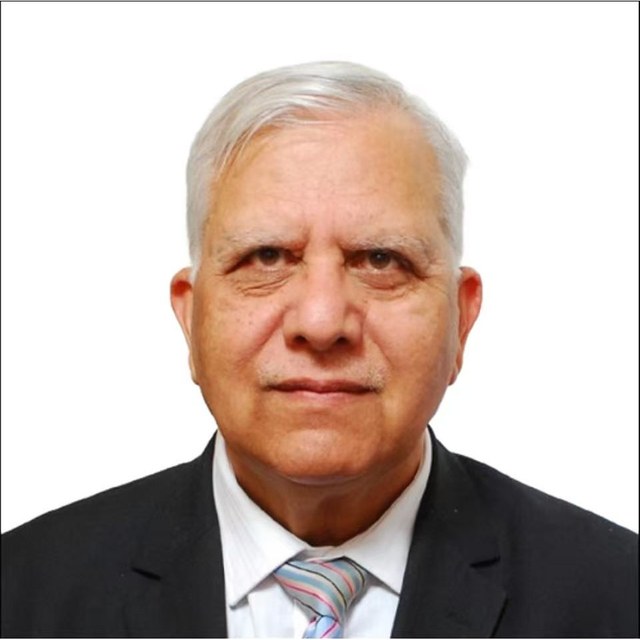
Zamir Ahmed Awan is the founder and Chair of the Global Silk Route Research Alliance, a think tank in Islamabad. He studied engineering at Shanghai University in the 1980s, and years later he went back to China as Pakistan's science counsellor in Beijing, from 2010 until 2016, working on science and higher education cooperation between the two countries.…