
十二省,一个巴基斯坦:行政转型的新机遇
Source 新华社、《黎明报》、《阿拉伯新闻》、阿纳多卢通讯社与《分钟镜报》

(下边有中文翻译,请继续看到底。 谢谢。)
Pakistan may be approaching an important turning point in its political and administrative history. Reports that the government is considering increasing the number of provinces from four to twelve, potentially through a nationwide referendum followed by the proposed 28th Constitutional Amendment, have opened an important national debate. Under the preliminary proposal, Punjab could be divided into four provinces, Khyber Pakhtunkhwa and Balochistan into three each, and Sindh into two. Although the proposal remains at an early stage, with no final boundaries or constitutional arrangements approved, it deserves serious consideration.
Pakistan’s existing administrative structure faces considerable challenges. Rapid population growth, uneven development, centralisation of authority, bureaucratic inefficiency and disparities between urban and rural communities have weakened the delivery of public services. In many cases, citizens living hundreds of kilometres from provincial capitals struggle to obtain timely administrative attention. Smaller provinces could help address these problems by bringing decision-making institutions closer to the people.
However, the real question is not whether Pakistan should have four, eight or twelve provinces. It is whether restructuring will fundamentally improve governance and transfer meaningful political and administrative authority to ordinary citizens.
Beyond administrative boundaries: Bringing government closer to the people
The creation of additional provinces could offer several benefits. Smaller administrative units would potentially improve planning, monitoring and implementation of development projects. Governments could identify local priorities more accurately, respond faster to public complaints and improve access to education, healthcare, transport, agriculture and other essential services.
Regions that have historically felt neglected could receive greater attention and a stronger institutional voice. Local economic potential, natural resources and regional development priorities could be incorporated into more focused provincial strategies. Smaller administrative units could also encourage competition in governance, with provinces demonstrating their performance through improvements in education, healthcare, employment, investment and public infrastructure.
Nevertheless, smaller provinces will not automatically produce better governance. The World Bank’s July 2026 assessment of Pakistan’s fiscal federalism highlighted that increased provincial resources have not translated proportionately into improved service delivery. More than 80 percent of provincial expenditure in FY2023 went towards recurrent costs, while local governments’ share of total government spending declined to below five percent in 2024. These findings demonstrate that administrative restructuring must be accompanied by genuine financial and institutional decentralization.
Democracy must remain at the center of restructuring
A nationwide referendum could provide an opportunity for citizens to express their views on the proposed restructuring. However, democracy must mean more than simply holding a referendum. The process must be transparent, credible, inclusive and free from political manipulation.
People must receive complete information about the proposed provincial boundaries, financial implications, administrative arrangements and expected benefits. Independent electoral supervision, accurate voter registration, equal campaigning opportunities and transparent vote counting are essential. Every vote must carry equal weight and be respected. The outcome must reflect the genuine will of the people, not the preferences of political parties or powerful institutions.
Constitutional requirements must also be respected. Under Article 239 of Pakistan’s Constitution, a constitutional amendment requires a two-thirds majority in each House of Parliament. Where provincial boundaries are altered, approval by at least two-thirds of the total membership of the affected provincial assembly is additionally required. A referendum cannot substitute for these constitutional procedures.
Preventing elite capture: The real test of reform
Pakistan’s greatest challenge is not simply the number of administrative units but the concentration of political, economic and administrative power in a relatively small section of society. Changing provincial boundaries without changing this reality would amount to little more than cosmetic reform.
There must be no arrangement that creates additional positions, ministries, privileges and political opportunities primarily for traditional politicians, influential families or the ruling elite. New provincial governments must not become smaller versions of the existing centralised systems.
Real authority must be delegated to genuinely representative institutions, supported by empowered local governments, independent oversight, transparent public procurement and effective accountability. Provincial and local budgets should be publicly accessible, development funds allocated according to measurable needs, and public officials held responsible for their performance.
The objective should be to curtail elite capture, eliminate favouritism, and ensure that public resources serve public interests. Political office must be treated as a responsibility entrusted by citizens, not an entitlement inherited or controlled by influential families.
Gen Z and the demand for meaningful change
Pakistan’s younger generation increasingly expects transparency, merit, equal opportunities, and accountable leadership. Many young Pakistanis are frustrated with conventional political practices and repeated promises that have not translated into meaningful improvements in their lives. Their concerns deserve serious attention.
Creating additional provinces could offer opportunities for new leadership, merit-based public appointments, better representation and greater participation by young professionals, entrepreneurs, women and underserved communities. However, these opportunities will remain limited unless electoral integrity and institutional accountability are guaranteed
The middle and lower classes must become the principal beneficiaries of restructuring. Better schools, affordable healthcare, employment opportunities, reliable electricity, improved transport and access to justice should be the measurable outcomes.
One Pakistan, stronger institutions, empowered citizens
The proposed restructuring also requires careful planning of financial resources, provincial representation, administrative institutions, taxation responsibilities and interprovincial coordination. No province or community should feel politically disadvantaged, economically exploited or deprived of its cultural identity. National unity must be strengthened through fairness, mutual respect and equitable opportunities.
Pakistan does not need twelve provincial capitals if authority remains concentrated in twelve small political establishments. It needs a governance system in which power, resources and accountability genuinely reach the people.
Ultimately, the success of this historic initiative should be judged by one simple question: Does an ordinary Pakistani become more empowered, prosperous and secure?
If the answer is yes, the creation of additional provinces could become a significant milestone in Pakistan’s democratic and administrative evolution. If it merely creates more offices, privileges and opportunities for the ruling elite, it will fail to address the country’s fundamental problems.
Pakistan needs more than new provincial boundaries. It needs a complete transformation of governance based on merit, transparency, democracy, accountability, and public welfare. The people must own the institutions, elect their representatives freely and enjoy the benefits of national resources.
Twelve provinces, if created through genuine democratic consent and meaningful devolution, could strengthen one Pakistan. The ultimate purpose must not be to multiply governments, but to empower the people.
十二省,一个巴基斯坦:行政转型的新机遇.
巴基斯坦可能正面临其政治和行政历史中的一个重要转折点。有报道称,政府正考虑将省份数量从四个增加到十二个,这一方案可能通过全国性公投后,再提出第28号宪法修正案。该提案已引发全国范围的重要讨论。根据初步设想,旁遮普省可划分为四个省份,克什米尔-俾路支斯坦和巴尔赫分别划为三个省份,信德省则划为两个省份。尽管该提案仍处于早期阶段,尚未最终确定边界或宪法安排,但仍值得认真考虑。
巴基斯坦现有的行政体系面临诸多挑战。人口快速增长、发展不均衡、权力集中、官僚效率低下以及城乡之间差距明显,都削弱了公共服务的提供能力。在许多情况下,居住在数百公里外省级首府的民众难以及时获得行政服务。较小的省份可以通过将决策机构更贴近民众,有助于解决这些问题。
然而,真正的问题不在于巴基斯坦是否应该设立四个、八个或十二个省份,而在于重组能否从根本上改善治理,并将切实的政治和行政权力下放给普通民众。
超越行政边界:让政府更贴近人民
增设更多省份可能带来诸多益处。较小的行政单位有助于改善对发展项目的规划、监督和实施。政府能够更准确地识别地方优先事项,更快响应公众投诉,并提升教育、医疗、交通、农业及其他基本服务的可及性。
历史上长期被忽视的地区可能会获得更多的关注和更强的制度话语权。地方的经济潜力、自然资源以及区域发展重点,可以被纳入更具针对性的省级战略中。较小的行政单位还能促进治理竞争,各省份通过在教育、医疗、就业、投资和公共基础设施方面的改进来展示自身表现。
然而,较小的省份并不自动意味着治理水平更高。世界银行在2026年7月对巴基斯坦财政联邦制的评估指出,增加的省级财政资源并未相应提升公共服务的质量。2023财年,超过80%的省级支出用于经常性开支,而地方政府在政府总支出中的占比在2024年已降至5%以下。这些发现表明,行政重组必须与真正的财政和制度分权相伴随。
民主应始终是重组的核心
全国范围内的公投可能为公民提供表达对拟议改革意见的机会。但民主不应仅限于举行公投。整个过程必须透明、可信、包容,并避免政治操纵。
民众必须获得有关拟议的省级边界划分、财政影响、行政安排以及预期效益的完整信息。独立的选举监督、准确的选民登记、平等的竞选机会以及透明的计票过程至关重要。每一票都应具有同等分量并受到尊重。结果必须反映人民的真实意愿,而非政党的偏好或强大机构的意志。
同时必须遵守宪法要求。根据巴基斯坦宪法第239条,宪法修正案需在议会两院中获得三分之二多数通过。若调整省级边界,则还需获得受影响省级议会全体成员至少三分之二的批准。公投不能替代这些宪法程序。
防止精英掌控:改革的真正考验
巴基斯坦面临的最大挑战,不仅仅是行政单位的数量,更在于政治、经济和行政权力集中在社会相对较小的一群人手中。若在不改变这一现实的情况下调整省级边界,其结果不过是一次表面化的改革而已。
任何安排都不得只为传统政客、有影响力的家庭或执政精英创造额外的职位、部门、特权和政治机会。新的省级政府不得成为现有中央集权体制的缩小版。
真正的权力必须授予防止精英掌控:改革的真正考验
巴基斯坦面临的最大挑战,不仅仅是行政单位的数量,更在于政治、经济和行政权力集中在社会相对较小的一群人手中。若在不改变这一现实的情况下调整省级边界,那不过是一场表面性的改革。
任何安排都不得为传统政客、有影响力的家庭或执政精英创造额外职位、部门、特权和政治机会。新的省级政府不应成为现有中央集权体制的缩影。
真正的权力必须下放给真正具有代表性的机构,并辅以赋权的地方政府、独立监督、透明的公共采购以及有效的问责机制。省级和地方预算应公开可查,发展资金应根据可衡量的需求进行分配,公职人员也应对其履职表现承担责任。
目标应当是遏制精英掌控,消除任人唯亲,确保公共资源服务于公共利益。政治职位应被视为由公民托付的责任,而非由有影响力家族继承或掌控的特权。
Z世代与对有意义变革的诉求
巴基斯坦年轻一代日益期待透明、公正、平等机会以及问责制的领导。许多巴基斯坦年轻人对传统的政治运作方式和屡次承诺未能真正改善其生活状况感到沮丧。他们的关切值得认真对待。
设立更多省份可能为新的领导力量、基于能力的公共任命、更广泛的代表权以及青年专业人士、企业家、女性和弱势群体的更大参与创造机遇。然而,除非选举公正性和制度问责性得到保障,这些机遇将难以实现。
中下层阶级必须成为改革的主要受益者。更好的学校、可负担的医疗、就业机会、可靠的电力供应、改善的交通以及司法公正,应成为可衡量的成果。
一个团结的巴基斯坦,更强的制度,赋权的公民
此次提出的重组还需要对财政资源、省级代表、行政机构、税收职责以及省际协调进行周密规划。任何省份或社区都不应感到在政治上处于劣势,经济上被剥削,或丧失其文化认同。必须通过公平、相互尊重和公正的机会来加强国家统一。
巴基斯坦不需要十二个省级首府,只要权力仍集中于十二个小型政治实体。它需要的是一种治理体制,使权力、资源和问责机制真正下达到人民手中。
最终,这一历史性举措的成功应以一个简单的问题来衡量:普通巴基斯坦人是否变得更强大、更富足、更安全?
如果答案是肯定的,那么增设更多省份将成为巴基斯坦民主与行政发展中的一个重要里程碑。但如果此举只是为执政精英创造更多的职位、特权和机会,就无法解决国家的根本问题。
巴基斯坦所需要的,远不止新的省级边界。需要彻底变革治理方式,建立在功绩、透明、民主、问责和公共福祉的基础上。人民必须拥有这些机构,自由选举代表,并享有国家资源带来的利益。
如果通过真正的民主共识和实质性的权力下放来设立十二个省份,将有助于加强一个巴基斯坦。最终目标不应是增加政府数量,而应是赋予人民更多权力。真正具有代表性的机构,并由赋权的地方政府、独立监督、透明的公共采购以及有效的制度加以支持。
(注意: 本文是用AI翻译的,或有误差。请以原版英文为准。谢谢。)
Reference Link:- https://thinktank.pk/2026/11/10/twelve-provinces-one-pakistan-a-opportunity-for-administrative-transformation/
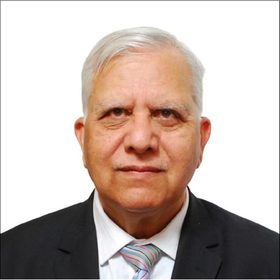
Zamir Ahmed Awan is the founder and Chair of the Global Silk Route Research Alliance, a think tank in Islamabad. He studied engineering at Shanghai University in the 1980s, and years later he went back to China as Pakistan's science counsellor in Beijing, from 2010 until 2016, working on science and higher education cooperation between the two countries.…