普京会晤:新的雅尔塔会议,还是世界新秩序的开端?

Trump-Xi-Putin Meeting: A New Yalta or the Beginning of a New World Order?
The historic meeting of Xi Jinping, Donald Trump and Vladimir Putin on 19 November could become a defining moment in international diplomacy. Amid escalating conflicts, strategic rivalries and economic uncertainty, the world expects China to play a constructive role in shaping a more peaceful, balanced and inclusive international order.
An unprecedented meeting at a historic crossroads
On 19 November 2026, Shenzhen, China, will host an unprecedented trilateral meeting between Chinese President Xi Jinping, US President Donald Trump and Russian President Vladimir Putin, on the sidelines of the 33rd Asia-Pacific Economic Cooperation (APEC) Economic Leaders’ Meeting. China officially confirmed the meeting on 16 November, following earlier confirmations from Washington and Moscow.
This will be the first meeting of its kind involving the leaders of the world’s three major nuclear powers. Its significance extends far beyond diplomatic protocol. Together, these countries possess enormous military capabilities, economic resources, technological strengths and political influence. Their relationship has a profound impact on international security, global trade, energy markets and the future of the international system.
The meeting comes at a particularly dangerous time. The Russia-Ukraine war, the US-Israeli confrontation with Iran, the humanitarian catastrophe in Gaza, rising tensions in the Middle East and growing strategic competition among major powers have exposed serious weaknesses in international governance. Disruptions to energy supplies, maritime trade and global supply chains have further aggravated economic uncertainty, particularly for developing countries.
The international community is increasingly concerned about the erosion of international law, the weakening of multilateral institutions and the growing tendency to resolve disputes through force rather than diplomacy.
Yalta II: An opportunity or a warning?
Some analysts and political observers have described the proposed Shenzhen gathering as Yalta II, referring to the historic 1945 Yalta Conference, where the leaders of the United States, Britain and the Soviet Union discussed the post-war international order.
The comparison is significant, although the circumstances are different. The original Yalta arrangements influenced the political future of several countries without their direct participation. Today, there is concern that three powerful nations might attempt to shape international arrangements without adequately considering the interests of smaller states.
However, Shenzhen should not become another Yalta. Its purpose must be to promote dialogue, reduce confrontation and strengthen international cooperation, not divide the world into spheres of influence. Ukraine, European countries, Asian nations and the developing world must retain their legitimate voices in decisions affecting their futures.
The real opportunity is to transform great-power competition into responsible cooperation.
Three leaders, three different positions
Each president arrives in Shenzhen with different priorities and political challenges.
- President Vladimir Putin remains a formidable political and military leader, but Russia’s prolonged engagement in the Ukraine war has imposed considerable economic, diplomatic and strategic costs. Moscow will seek greater international recognition and a diplomatic environment conducive to ending the conflict on terms acceptable to Russia.
- President Donald Trump comes with considerable domestic and international pressures. His administration’s military confrontation with Iran, controversial support for Israel amid the devastation in Gaza, and confrontational policies towards Venezuela and Cuba have generated widespread international debate. His domestic political difficulties and the controversies surrounding his administration also complicate his diplomatic position. Nevertheless, the United States retains enormous military, financial and technological influence and remains an indispensable participant in any meaningful global settlement.
- President Xi Jinping occupies a distinctive position. China is the world’s second-largest economy, a leading manufacturing and technological power, and a major participant in international trade and investment. Its extensive economic relationships with developing and developed countries provide Beijing with considerable diplomatic leverage.
Xi has consistently advocated multilateralism, peaceful coexistence, economic globalization and a community with a shared future for humanity. His emphasis on dialogue, mutual respect, sovereign equality and common development allows China to exercise constructive leadership.
As the host, Xi will have a particularly important responsibility to facilitate meaningful dialogue. China’s economic weight, diplomatic experience and long-term strategic outlook could make his contribution especially influential. However, the outcome will depend on the willingness of all three leaders to accommodate one another’s legitimate concerns.
China’s historical experience and the emergence of a global power
China’s growing international role cannot be understood without considering its history. This ancient civilization has experienced extraordinary achievements as well as periods of decline, foreign intervention and national humiliation.
The Opium Wars, unequal treaties, colonial encroachments and Japanese aggression left profound marks on Chinese society. The experience of the nineteenth and twentieth centuries taught China difficult lessons about national sovereignty, economic strength, technological advancement and the importance of political stability.
Since the launch of reform and opening-up in 1978, China has transformed itself into a major global economic and technological power. Its achievements in manufacturing, infrastructure, poverty reduction, renewable energy, artificial intelligence, telecommunications and scientific research have changed the international economic landscape.
This historical experience has also shaped China’s emphasis on sovereignty, non-interference, development and a more representative international governance system. China increasingly presents itself as a voice for developing countries seeking greater participation in global decision-making.
China’s global initiatives: A framework for cooperation
President Xi has introduced four major global initiatives that provide an intellectual and policy framework for China’s vision of international cooperation.
- The Global Development Initiative (GDI) seeks to accelerate sustainable development, address poverty and support the United Nations 2030 Agenda.
- The Global Security Initiative (GSI) advocates common, comprehensive, cooperative and sustainable security, emphasizing dialogue over confrontation and peaceful settlement of disputes.
- The Global Civilization Initiative (GCI) promotes mutual respect, cultural diversity and exchanges among civilizations.
- The Global Governance Initiative (GGI), introduced in 2025, calls for a more just and equitable international governance system based on sovereign equality, international law, multilateralism, a people-centered approach and practical results.
Together, these initiatives offer a framework for addressing the interconnected challenges of peace, development, security and global governance. Their credibility, however, will ultimately depend on their practical implementation and acceptance by the wider international community.
What can the Shenzhen meeting deliver?
Expectations are understandably high, but a single meeting cannot resolve decades of geopolitical rivalry. The most realistic achievements would be the establishment of sustained dialogue and agreement on a few priority issues.
- First, the three leaders could initiate discussions on nuclear arms control and strategic stability. With the United States and Russia possessing the world’s largest nuclear arsenals, their engagement with China is essential to reducing the risks of escalation and miscalculation.
- Second, they could explore diplomatic approaches to the Iran crisis, maritime security, and energy stability. Preventing further military escalation would benefit the entire international community.
- Third, economic cooperation deserves priority. Greater stability in US-China relations, predictable trade policies, reliable supply chains, investment cooperation, and technological dialogue would help restore confidence in the global economy.
- Finally, the leaders should reaffirm the central role of the United Nations, international law, and multilateral diplomacy. The interests of smaller nations must not be overlooked in discussions among major powers.
It is desired to transform this world into a better place to live for everyone. Moreover, we have a responsibility to hand over this world in a better shape to our next generations. Struggle for the best, for all.
特朗普—习近平—普京会晤:新的雅尔塔会议,还是世界新秩序的开端?
2026年11月19日,习近平、唐纳德·特朗普和弗拉基米尔·普京三位领导人的历史性会晤,可能成为国际外交史上的一个重要转折点。在全球冲突不断升级、战略竞争日益激烈、经济形势充满不确定性的背景下,国际社会期待中国发挥建设性作用,推动建立一个更加和平、均衡和包容的国际秩序。
历史十字路口上的一次前所未有的会晤
2026年11月19日,中国深圳将在第33届亚太经济合作组织(APEC)领导人非正式会议期间,迎来中国国家主席习近平、美国总统唐纳德·特朗普和俄罗斯总统弗拉基米尔·普京举行的一次前所未有的三方会晤。中国于11月16日正式确认了这一会晤,此前华盛顿和莫斯科也已分别作出确认。
这将是世界三大核大国领导人首次举行此类会晤。其意义远远超出外交礼仪和形式。三国拥有强大的军事能力、雄厚的经济资源、先进的科技实力以及巨大的国际政治影响力。三国之间的关系深刻影响着国际安全、全球贸易、能源市场以及国际体系的未来走向。
此次会晤恰逢国际局势尤为严峻的时期。俄乌战争、美国和以色列与伊朗之间的军事对抗、加沙地区的人道主义灾难、中东地区日益加剧的紧张局势,以及大国之间不断升级的战略竞争,都暴露出当前国际治理体系的严重缺陷。能源供应、海上贸易和全球供应链受到的冲击,进一步加剧了全球经济的不确定性,发展中国家尤其受到影响。
国际社会日益担忧国际法遭到侵蚀、多边机构作用不断削弱,以及通过武力而非外交手段解决争端的倾向日益明显。
“雅尔塔会议Ⅱ”:机遇还是警示?
一些分析人士和政治观察家将拟议中的深圳会晤称为“雅尔塔会议Ⅱ”,以此联想到1945年举行的历史性雅尔塔会议。当时,美国、英国和苏联三国领导人就战后国际秩序进行了讨论。
这一历史类比具有重要意义,尽管当今的国际环境与当年已有很大不同。最初的雅尔塔安排在一定程度上影响了若干国家的政治前途,而这些国家并未直接参与相关决策。如今,国际社会同样担忧,三个大国可能试图在缺乏充分考虑中小国家利益的情况下,主导国际格局和规则的重新安排。
然而,深圳不应成为另一个雅尔塔。此次会晤的目的应当是促进对话、缓和对抗、加强国际合作,而不是将世界划分为不同的势力范围。乌克兰、欧洲国家、亚洲国家以及广大发展中国家,都必须在涉及自身未来的重大决策中保有合理的话语权。
真正的机遇在于将大国竞争转化为负责任的合作。
三位领导人,三种不同的立场
三位总统来到深圳时,各自面临着不同的战略优先事项和政治挑战。
- 俄罗斯总统弗拉基米尔·普京仍然是一位具有重要政治和军事影响力的领导人,但俄罗斯长期卷入俄乌战争,已经付出了巨大的经济、外交和战略代价。莫斯科将寻求获得更广泛的国际认可,并希望营造有利于通过外交途径结束冲突、同时符合俄罗斯自身利益的国际环境。
- 美国总统唐纳德·特朗普面临着来自国内和国际社会的巨大压力。其政府与伊朗之间的军事对抗、在加沙遭受严重破坏的背景下对以色列颇具争议的支持政策,以及针对委内瑞拉和古巴的对抗性政策,都引发了国际社会的广泛讨论。其国内政治困境以及围绕政府施政所产生的各种争议,也使其外交立场更加复杂。尽管如此,美国仍然拥有巨大的军事、金融和科技影响力,在任何具有实质意义的全球性解决方案中,美国都是不可或缺的参与者。
- 中国国家主席习近平则处于一个独特而重要的地位。中国是世界第二大经济体,也是全球领先的制造业和科技强国,在国际贸易和投资领域发挥着重要作用。中国与发达国家和发展中国家建立的广泛经济联系,为北京开展国际外交提供了重要的影响力。
习近平始终倡导多边主义、和平共处、经济全球化以及构建人类命运共同体。他所强调的对话协商、相互尊重、主权平等和共同发展,为中国发挥建设性领导作用提供了重要基础。
作为东道主,习近平将肩负着推动三方开展有意义对话的重要责任。中国的经济实力、外交经验和着眼长远的战略视野,有望使其在此次会晤中发挥尤为重要的作用。然而,最终结果仍将取决于三位领导人是否愿意相互理解,并充分照顾彼此合理的关切和正当利益。
中国的历史经验与全球性大国的崛起
要理解中国日益增长的国际影响力,就必须深入认识中国的历史。这个古老的文明既创造过辉煌成就,也经历过衰落、外国干涉和民族屈辱的艰难时期。
鸦片战争、不平等条约、殖民势力的侵略以及日本的侵华战争,都给中国社会留下了深刻的历史印记。19世纪和20世纪的历史经历,使中国从中汲取了深刻教训,更加认识到国家主权、经济实力、科技进步和政治稳定的重要性。
自1978年改革开放以来,中国实现了历史性转型,逐步发展成为世界重要的经济和科技强国。中国在制造业、基础设施建设、减贫、可再生能源、人工智能、电信以及科学研究等领域取得的成就,深刻改变了国际经济格局。
这些历史经验也塑造了中国对国家主权、不干涉内政、发展以及建立更具代表性的国际治理体系的重视。中国日益将自己定位为发展中国家的重要声音,支持发展中国家在全球决策中获得更大的参与权和话语权。
中国的全球倡议:构建合作框架
习近平主席提出的四大全球倡议,为中国关于国际合作的理念和实践提供了重要的思想与政策框架。
- 全球发展倡议(GDI):旨在加快可持续发展进程,消除贫困,并支持联合国《2030年可持续发展议程》的落实。
- 全球安全倡议(GSI):倡导共同、综合、合作、可持续的安全观,强调以对话取代对抗,以和平方式解决争端。
- 全球文明倡议(GCI):倡导相互尊重、文明多样性以及不同文明之间的交流互鉴。
- 全球治理倡议(GGI):于2025年提出,呼吁建立更加公正合理的国际治理体系,其核心原则包括主权平等、国际法治、多边主义、以人民为中心以及注重实际成果。
这四大全球倡议共同构成了一个应对和平、发展、安全和全球治理等相互关联挑战的合作框架。然而,这些倡议的公信力和实际影响,最终仍取决于其能否得到切实落实,以及能否获得国际社会更广泛的认同和支持。
深圳会晤能够取得哪些成果?
国际社会对这次会晤抱有很高期待,但一次会晤不可能解决数十年来积累的地缘政治竞争和矛盾。最现实、最有意义的成果,应当是建立持续对话机制,并在若干优先议题上达成共识。
- 首先,三国领导人可以启动有关核军控和战略稳定的讨论。 美国和俄罗斯拥有世界上规模最大的核武库,中国参与相关对话对于降低局势升级和战略误判的风险至关重要。
- 其次,三方可以探讨通过外交途径应对伊朗危机、维护海上安全和保障能源稳定。 防止军事冲突进一步升级,将有利于整个国际社会。
- 第三,应将经济合作置于优先位置。 改善中美关系的稳定性,推动建立可预期的贸易政策、可靠的供应链、投资合作以及科技对话,将有助于恢复全球经济信心。
- 最后,三国领导人应重申联合国的核心地位,以及国际法和多边外交的重要作用。在大国之间的讨论中,不能忽视中小国家的正当利益。
我们希望把这个世界建设成为一个适合所有人生活得更加美好的地方。与此同时,我们也肩负着一份共同的责任:为子孙后代创造一个更加和平、繁荣、公正与可持续的世界。
Reference Link:- https://sovereignista.com/2026/11/16/trump-xi-putin-meeting-a-new-yalta-or-the-beginning-of-a-new-world-order/
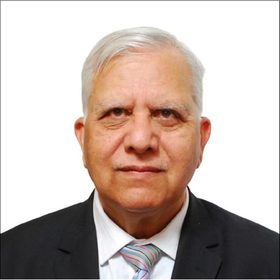
Zamir Ahmed Awan is the founder and Chair of the Global Silk Route Research Alliance, a think tank in Islamabad. He studied engineering at Shanghai University in the 1980s, and years later he went back to China as Pakistan's science counsellor in Beijing, from 2010 until 2016, working on science and higher education cooperation between the two countries.…