
She was harassed for crude remarks about Modi at a Cockroach protest. Now she can’t leave home

After a protest clip went viral, a teenager’s life was torn apart by threats that sent her and her family into hiding. Plus, a book on citizen journalism
Before 24 July, a person I will call R was preoccupied with the ordinary routines of teenage life: experimenting with makeup, grumbling over mathematics homework and hanging out with friends at a tea stall.
That month, as the fever of student protests spread across the country, the 15-year-old watched on her phone as young people poured into Jantar Mantar, the designated protest site in Delhi, demanding education reform. She went too. But an 11-second video clip from the protest site, in which she made crude and profane remarks about the prime minister, Narendra Modi, upended her life.
South Africa v Australia: second men’s cricket Test, day three – live
“I feel like a criminal, as if I murdered someone,” R said in her first interview about life since the backlash. “I didn’t get a chance to make amends. In my own country, I am being treated like an enemy.”
It’s been 86 days since that protest, but R doesn’t leave home over safety concerns, trapped in the reality the ordeal created.
The summer agitation had for weeks demanded the ousting of the then-education minister, Dharmendra Pradhan, over repeated examination paper leaks. But after a violent police crackdown on a student march, the anger spilled over to the Modi government.
I went to Jantar Mantar every night that week as people from all walks of life streamed in. Protest signs once directed largely against Pradhan now increasingly targeted Modi and his powerful deputy, Amit Shah, whose ministry controls Delhi Police.
The language was often profane and sexualised, and was quickly seized on by government supporters to condemn the protesters. Pro-government media channels ran heated debates about the disrespectful language and questioned the motives of those gathered. Women were singled out; BJP supporters identified them from social media clips and doxed them.
R found herself at the centre of this storm. A police case was filed against her for insult intended to provoke a breach of the peace, and statements that could lead to public mischief and defamation. The complainant told Scroll, an independent news organisation, that she had called R and asked her to publicly apologise.
After Pradhan resigned, Modi posted on Instagram about the use of vulgar abuses against him by “some mischievous children”, saying: “It is a cultural shock. How can our daughters speak like this?” Modi added that the children must be forgiven, instead of being punished.
Meanwhile, R issued an apology to Modi. In a grainy video filmed in low light, R stands against a dull white wall wearing a striped T-shirt, her hands folded in a namaste. “I am so ashamed of saying those things that I am not even able to raise my eyes. I apologise to the whole nation for it. This is my first and last mistake,” she said. (Local media reported that the complainant withdrew the police case after R’s video was posted.)
“I cried after making that video,” she told me. “I was feeling so helpless.”
But her apology did little to stem the abuse. She received rape and death threats, abusive phone calls, incessant warnings on text, knocks on doors and cars outside her apartment building in a Delhi suburb.
“I couldn’t understand what was happening,” R said, her eyes misting up as she recalled the initial days after the incident. “People older than my mother were calling me randi (prostitute), aatankwadi (terrorist), deshdrohi (enemy of the state). Others were offering Rs11,000 to find me and Rs21,000 to beat me.”
With her phone and address leaked, R and her mother were compelled to leave their home. They struggled to find landlords willing to rent them a place to stay. They found one apartment, then another, and then another. Her mother, a single parent, lost the income she earned from tutoring. To pay for the repeated moves, she sold her gold jewellery. That money is keeping them afloat. She estimates it will probably last another four months. As the clock runs out, her mother is desperately searching for work.
During this time, R has not been to school and can no longer imagine returning. Some friends have cut off contact, leaving her increasingly isolated.
Despite her apology video, pro-government media continued to hound her, she said. In late August, frustrated and angry at yet another media crew showing up, she uploaded a video to social media laying bare what she was going through.
“Modiji, my life has become hell,” R said, addressing the prime minister. “Now I can’t go anywhere, nor do I have any freedom. I can’t live anywhere. I have to live hiding my face,” she said.
R told me she wants people to understand how traumatising her experience has been. “To make someone homeless overnight is a big deal,” she said.
Now, stuck indoors, she is watching another wave of protests unfold. This time it’s over the controversial electoral rolls revision that has removed 130 million voters from the register. (If you missed it, read last week’s newsletter about this issue.)
R feels solidarity with the students getting brutalised and detained. There have been moments she has felt tempted to join them. But the thought of her mother and their uncertain housing situation has held her back.
“I am not scared anymore. I have gone through the worst already,” she said. But she doesn’t want to put her mother through more pain.
Days before the protest, R had been planning her 15th birthday. She wanted to cut her birthday cake inside an autorickshaw, to remake a trend she had seen on social media.
It’s been a couple of months since she turned 15. I asked her what she wants or hopes for now. She paused and then said: “My past is not in my hands. I can’t change that. Now, I just want to look ahead and do well in my board exams.”
Reference Link:- https://www.theguardian.com/world/2026/oct/19/this-is-india-student-protests-abuse-modi-cockroach-protests
了解 GSRRA 的更多信息
订阅后即可通过电子邮件收到最新文章。
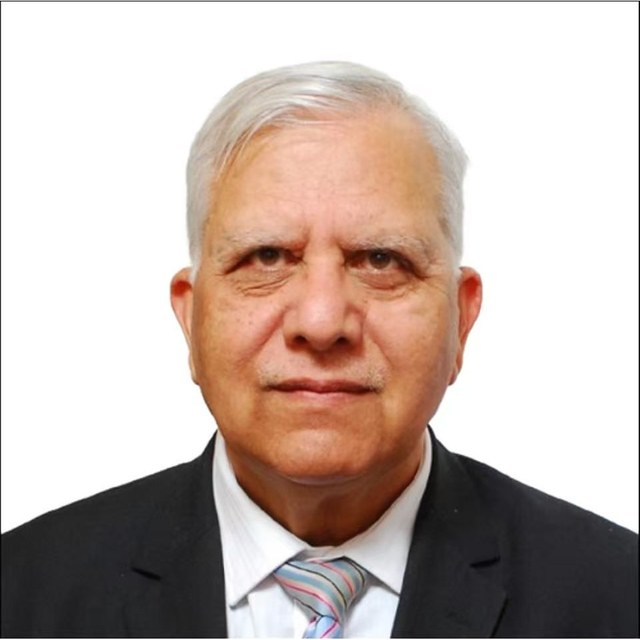
Zamir Ahmed Awan is the founder and Chair of the Global Silk Route Research Alliance, a think tank in Islamabad. He studied engineering at Shanghai University in the 1980s, and years later he went back to China as Pakistan's science counsellor in Beijing, from 2010 until 2016, working on science and higher education cooperation between the two countries.…