Pakistan: CDF Munir-Pezeshkian meeting raises peace hopes

Iranian leaders have told Pakistan that the United States must take the first steps to rebuild trust, and that the acceptance of Tehran’s seven-point proposal could provide a starting point for renewed negotiations.
The message was conveyed during Chief of Defence Forces and Chief of Army Staff Field Marshal Asim Munir’s visit on Tuesday, where he met with President Masoud Pezeshkian, Parliament Speaker Bagher Ghalibaf, Foreign Minister Abbas Araghchi and Mohsen Rezaei, a representative of Iran’s supreme leader and secretary of the Supreme National Security Council.
Interior Minister Mohsin Naqvi also accompanied the army chief.
As diplomatic efforts intensified to prevent a resumption of hostilities, Field Marshal Munir’s visit is being viewed as a move to quell escalating regional tensions.
Tehran says acceptance of its 7-point proposal can be starting point for renewed talks with US
The visit came a day after Russian Foreign Minister Sergey Lavrov held talks with Iranian leaders on the conflict and efforts to restore regional stability.
The visit was aimed at conveying messages and exploring whether the Islamabad understanding could still provide a basis for negotiations, but no breakthrough or formal agreement was announced after Tuesday’s meetings.
The discussions also touched on bilateral relations, including a recent disruption in commercial trade across the Pakistan-Iran border. Iranian officials also raised concerns over the closure, while Field Marshal Munir told them that the border closure was temporary and due to technical reasons and that the crossings had reopened on Tuesday.
Importantly, Iranian officials reportedly shared with the field marshal their response to a US proposal, reiterating that Tehran would not make concessions under pressure and that Washington must meet its conditions before trust could be restored.
While there was no official word from Pakistan’s Foreign Office or Inter-Services Public Relations, Iranian media described the response as “clear, serious, and explicit”.
An Iranian source said the visiting Pakistani army chief was told that “Iran has nothing new to say to the Americans” and it was for them to return to Islamabad.
Although not many details about President Pezeshkian’s meeting were released to the media, in a post that was unrelated to his meeting with Field Marshal Munir, the president said that Iranians may endure hardship, but they will not surrender their land.
Speaker Ghalibaf told Field Marshal Munir that the US could not regain Iran’s trust without fulfilling the seven conditions Tehran had presented during meetings in New York. He said Washington’s past actions, including what Iran considers a violation of the Islamabad understanding, had only deepened its distrust of the US administration.
“Threats and military manoeuvres cannot influence the strategic decisions of the Islamic Republic of Iran,” Mr Ghalibaf said, according to an Iranian account of the meeting, adding that it was now up to Washington to take the necessary steps to extricate itself from the conflict.
Mr Rezaei, meanwhile, said Iran would not surrender its enriched nuclear material, describing it as a national asset intended for domestic use. He said Iranian officials were united in their view that negotiations could not proceed without steps by Washington to meet Tehran’s conditions.
The inflexible Iranian response has thrown a challenge for Pakistan, which has sought to revive negotiations between Washington and Tehran after an earlier diplomatic breakthrough failed to produce a lasting settlement.
Islamabad brokered a ceasefire in April and hosted direct talks that led to the signing of the Islamabad Memorandum of Understanding in June. The agreement outlined steps to ease the conflict, reopen the Strait of Hormuz, and address economic and nuclear issues, but the process stalled after disagreements.
Despite the breakdown of the peace process, Pakistan has continued to offer its good offices to both sides to prevent another round of fighting.
Reference Link:- https://www.dawn.com/news/2038686
了解 GSRRA 的更多信息
订阅后即可通过电子邮件收到最新文章。
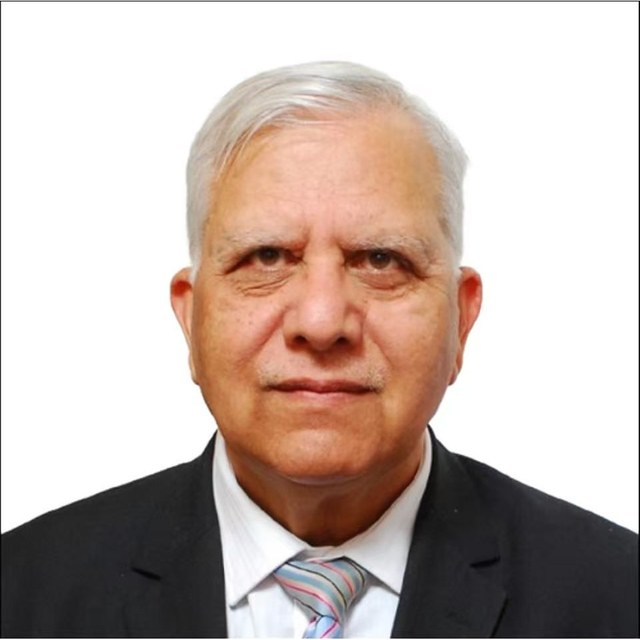
Zamir Ahmed Awan is the founder and Chair of the Global Silk Route Research Alliance, a think tank in Islamabad. He studied engineering at Shanghai University in the 1980s, and years later he went back to China as Pakistan's science counsellor in Beijing, from 2010 until 2016, working on science and higher education cooperation between the two countries.…