2026年中国国际进口博览会:上海向世界敞开中国市场,为全球贸易创造新机遇。

(下边有中文翻译,请继续看到底。 谢谢。)
The ninth China International Import Expo (CIIE) will open in Shanghai from November 5 to 10, 2026, bringing together businesses, governments, investors and trade organisations from across the world. As the world’s first national-level exhibition dedicated exclusively to imports, CIIE has become an important annual event in the international economic calendar. Its growing scale and global participation reflect China’s commitment to expanding economic openness and sharing the opportunities of its vast domestic market.
The idea of establishing CIIE was announced by Chinese President Xi Jinping in May 2017 at the Belt and Road Forum for International Cooperation. The first Expo was inaugurated in Shanghai on November 5, 2018, at the National Exhibition and Convention Center. It was jointly organised by China’s Ministry of Commerce and the Shanghai Municipal People’s Government, with support from international organisations, including the World Trade Organization, UNCTAD and UNIDO. At its inaugural edition, 172 countries, regions and international organisations participated, alongside more than 3,600 companies. It marked a significant step in the development of international trade exhibitions by creating a national platform specifically focused on imports.
The initiative carried an important message: China was not only seeking to expand its exports but also inviting the world to participate in its domestic market. Its objectives include promoting trade liberalisation, supporting economic globalisation, facilitating international procurement, attracting investment, encouraging technological exchange and strengthening people-to-people contacts. It also provides foreign companies with opportunities to introduce products, technologies and services to Chinese consumers and establish long-term business partnerships.
Over the years, CIIE has developed beyond a conventional trade exhibition. Its main components include the country exhibition, enterprise and business exhibition, Hongqiao International Economic Forum, and supporting business activities and cultural exchanges. Together, these activities connect policymakers, manufacturers, investors, researchers and consumers. The Expo also offers a platform for discussing global economic challenges, trade rules, supply-chain resilience, sustainable development and international cooperation.
The achievements of previous editions demonstrate its expanding influence. The eighth CIIE, held in November 2025, attracted 4,108 enterprises from 138 countries and regions. It recorded intended one-year deals worth approximately US$83.49 billion, an increase of 4.4 percent over the previous edition. A total of 461 new products, technologies and services were introduced, including global and regional debuts. These figures illustrate the Expo’s ability to generate commercial interest and connect international suppliers with Chinese buyers. However, intended deals represent business commitments and opportunities, rather than necessarily completed transactions.
Preparations for the ninth edition are already at an advanced stage. According to information released by Shanghai authorities in October, 4,142 overseas exhibitors from 162 countries, regions and international organisations are expected to participate. The total exhibition area will exceed 440,000 square meters for the first time. The country exhibition will feature 69 countries and international organisations, while more than 300 Fortune Global 500 companies and industry leaders are expected to attend. More than 2,000 first-time exhibitors will join, and over 480 products, technologies and services are scheduled to make their global, Asian or Chinese debuts.
Preparations extend beyond exhibition space. Shanghai has introduced dedicated customs-clearance arrangements, with 123 service windows and channels to facilitate the arrival and handling of exhibits. Transport, accommodation, digital visitor services, multilingual assistance and payment facilities are also being strengthened. These arrangements reflect the importance attached to providing international exhibitors and visitors with an efficient and welcoming experience.
Expectations for CIIE 2026 are high. Advanced manufacturing, artificial intelligence, healthcare, green technologies, renewable energy, digital services, consumer products and modern agriculture are likely to attract considerable attention. The Expo is also expected to facilitate new partnerships, investment discussions, technology cooperation and access to China’s consumer market. The Hongqiao International Economic Forum will provide an additional platform for exchanging views on trade, globalisation and sustainable economic development.
For Pakistan, CIIE offers valuable opportunities. Pakistani exporters can promote agricultural products, textiles, leather goods, sports equipment, surgical instruments, minerals, seafood and processed foods. Participation should not be limited to displaying products; it should involve serious business matchmaking, understanding Chinese standards, developing reliable distribution channels and building lasting partnerships. Pakistani enterprises could also explore cooperation with Chinese companies in food processing, agricultural technology, logistics, renewable energy and industrial modernisation. Government institutions, chambers of commerce and trade associations should help businesses prepare for these opportunities throughout the year.
Ultimately, CIIE’s significance lies not simply in the number of exhibitors or the value of announced deals, but in its contribution to practical international cooperation. At a time when protectionist pressures, geopolitical tensions and economic uncertainty are affecting global trade, platforms that encourage dialogue and mutually beneficial commercial engagement are particularly relevant.
As Shanghai welcomes the world for the ninth CIIE, the central message remains clear: China’s development creates opportunities for international partners, while global participation enriches China’s market and economic development. Turning these opportunities into lasting benefits will require trust, fair competition, quality products, and sustained cooperation. CIIE 2026 can therefore serve not only as a major trade event but also as a meaningful contribution to a more open, connected and prosperous global economy.
2026年中国国际进口博览会:上海向世界敞开中国市场,为全球贸易创造新机遇。
第九届中国国际进口博览会(CIIE)将于2026年11月5日至10日在上海开幕,汇聚全球企业、政府、投资者和贸易组织。作为首个专为进口设立的国家级展会,CIIE已成为国际经济日程中的重要年度活动。其规模不断扩大、全球参与度不断提升,体现了中国致力于扩大经济开放,共享广阔国内市场的机遇。
首届博览会于2018年11月5日在上海国家会展中心开幕。该博览会由中国商务部和上海市人民政府联合主办,并得到世界贸易组织、联合国贸发会议和联合国工业发展组织等国际组织的支持。首届博览会吸引了172个国家、地区和国际组织参与,同时有超过3600家企业参展,标志着国际贸易展览发展的重要一步,为国内进口领域搭建了专门的国家级平台。
这一倡议传递了一个重要信息:中国不仅致力于扩大出口,更邀请全球共同参与其国内市场。其目标包括推动贸易自由化、支持经济全球化、促进国际采购、吸引投资、鼓励技术交流以及加强人文交流。同时,也为外国企业提供了向中国消费者引进产品、技术和服务业,并建立长期商业合作关系的机遇。
多年来,中国国际进口博览会已超越传统贸易展览的范畴。其主要组成部分包括国家展、企业及商务展、虹桥国际经济论坛,以及配套的商业活动和文化交流。这些活动共同连接了政策制定者、制造商、投资者、研究人员和消费者。博览会还为讨论全球经济发展挑战、贸易规则、供应链韧性、可持续发展以及国际合作提供了平台。
历届展会的成果充分体现了其日益扩大的影响力。2025年11月举办的第八届进博会吸引了来自138个国家和地区的4108家企业参展,签约意向金额达约834.9亿美元,较上届增长4.4%。本届共推出461项新产品、新技术和服务,其中包括全球和区域首次亮相的产品。这些数据表明,博览会具备激发商业兴趣、促进国际供应商与中方买家对接的能力。但签约意向仅代表商业承诺与机遇,并不等于必然完成交易。
第九届进博会的筹备工作已进入关键阶段。据上海有关部门10月发布的消息,预计将有来自162个国家、地区和国际组织的4142家海外参展商参与,展会总展面积将首次突破44万平方米。国家展部分将涵盖69个国家和国际组织,预计超过300家《财富》全球500强企业及行业领军企业参展。此外,还将有2000多家首次参展商加入,超过480项产品、技术和服务业将首次亮相全球、亚洲或中国市场。
筹备工作不仅限于展会场地。上海已推出专门的通关服务安排,设立123个服务窗口和通道,以便利展品的入境与处理。同时,城市还在加强交通、住宿、数字导览服务、多语种协助以及支付设施等方面的支持。这些举措体现了对为国际参展商和观众提供高效、友好体验的高度重视。
对2026年中国国际进口博览会(CIIE)的期待十分高涨。先进制造、人工智能、医疗健康、绿色技术、可再生能源、数字服务、消费品和现代农业有望吸引广泛关注。世博会还预计将促进新的合作、投资洽谈、技术合作以及进入中国消费市场的机会。虹桥国际经济论坛也将为各方提供交流贸易、全球化及可持续经济发展观点的平台。
对巴基斯坦而言,中国国际进口博览会(CIIE)提供了宝贵机遇。巴基斯坦出口商可推广农产品、纺织品、皮革制品、体育用品、外科器械、矿产、海产品及加工食品。参与活动不应仅限于产品展示。
(注意: 本文是用AI翻译的,或有误差。请以原版英文为准。谢谢。)
Reference Link:- https://www2.apdnews.cn/en/item/26/1102/axjgcgaf2d465bdddfb7db.html
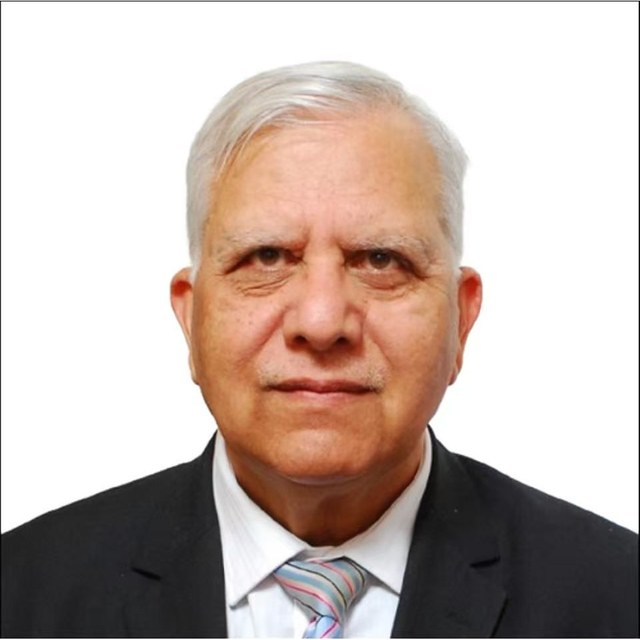
Zamir Ahmed Awan is the founder and Chair of the Global Silk Route Research Alliance, a think tank in Islamabad. He studied engineering at Shanghai University in the 1980s, and years later he went back to China as Pakistan's science counsellor in Beijing, from 2010 until 2016, working on science and higher education cooperation between the two countries.…