

(下边有中文翻译,请继续看到底。 谢谢。)
Pakistan’s diplomatic role in the Middle East is entering an important phase. As fighting threatens regional stability, energy infrastructure, and maritime trade, Islamabad has expressed a clear preference for dialogue, ceasefire, and internationally supported negotiations. Foreign Secretary Asim Iftikhar Ahmad’s recent remarks reflect a broader principle of Pakistan’s foreign policy: conflicts cannot be resolved permanently through military escalation; they require political engagement, mutual restraint and credible mediation.
Pakistan’s position is significant because it maintains relationships with countries that are often divided by strategic rivalry. Islamabad has longstanding ties with Iran, close defence and economic relations with Saudi Arabia and other Gulf states, and an established diplomatic relationship with the United States. This combination gives Pakistan a distinctive position. It is not a party seeking territorial or economic gains from the conflict. Rather, it has a direct interest in preventing further escalation and protecting regional peace.
The Islamabad MoU could become an important instrument in this effort. Its significance should not be judged merely by the document itself, but by whether it creates a practical channel for communication between Iran and the United States. In periods of confrontation, even limited diplomatic contact can prevent miscalculation, clarify intentions, and open the way for confidence-building measures. A memorandum cannot end a conflict on its own, but it can provide a framework for sustained dialogue, humanitarian coordination and negotiations on urgent security concerns.
For the Islamabad MoU to produce meaningful results, it must move beyond symbolic commitments. Pakistan could propose a phased diplomatic process beginning with a verified reduction in hostilities, protection of civilian infrastructure and the restoration of direct or indirect communication. This could be followed by discussions on maritime security, energy facilities, sanctions-related concerns and guarantees against further attacks. Such a process would require patience, confidentiality and a willingness by all parties to make limited but reciprocal concessions.
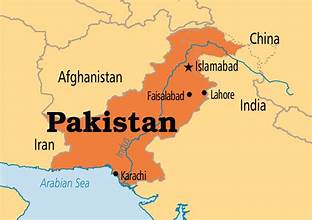
Pakistan’s credibility as a facilitator also rests on its experience. Islamabad has previously participated in efforts to reduce tensions between major powers and has repeatedly supported dialogue in disputes involving the Muslim world. Its geographical position further strengthens its relevance. Pakistan connects South Asia, Central Asia, the Gulf and the wider Middle East. Instability in the region affects Pakistan through oil prices, trade routes, remittances, migration, defence commitments and the security of its western border. Peace in the Middle East is therefore not a distant diplomatic concern; it is closely connected to Pakistan’s national interests.
At the same time, Pakistan must approach mediation with realism. It should not claim to possess influence that it cannot exercise, nor should it appear to act on behalf of one side. A successful facilitator must be trusted to transmit messages accurately, respect confidentiality and acknowledge the security concerns of every participant. Pakistan’s diplomatic language should therefore remain balanced, while its commitment to international law and civilian protection should remain firm.
The United Nations should remain central to this process. Pakistan is correct to emphasize that the UN Charter prioritizes negotiation and peaceful settlement over war. The organization may be limited by political divisions within the Security Council, but it remains the most legitimate framework for addressing international disputes. Pakistan can support UN-led diplomacy while using its own bilateral relationships to encourage communication where formal channels are blocked.
Islamabad’s peace initiative should also be linked to wider regional diplomacy, including the Makkah agreement involving Pakistan, Saudi Arabia and Türkiye. This arrangement can provide political support for de-escalation and help coordinate efforts among influential regional actors. However, its success will depend on clear objectives, regular consultations and practical follow-up rather than declarations alone.
Pakistan has consistently presented itself as a peace-loving nation. The current crisis offers an opportunity to demonstrate that principle through constructive action. Islamabad cannot guarantee an agreement between Iran and the United States, but it can help create the conditions in which negotiations become possible. By combining diplomatic experience, strategic geography, regional relationships and respect for international law, Pakistan can make a credible contribution to peace—not only in the Middle East, but across the wider international system.
巴基斯坦能否帮助推动中东和平?
巴基斯坦在中东的外交角色正进入一个关键阶段。随着冲突威胁着地区稳定、能源基础设施和海上贸易,伊斯兰堡已明确表现出对对话、停火以及国际支持下的谈判的偏好。外交部长阿西姆·伊夫提卡尔·艾哈迈德近期的言论体现了巴基斯坦外交政策的一个更广泛原则:冲突无法通过军事升级得到永久解决,必须依靠政治参与、相互克制和可信的调解。
巴基斯坦的立场具有重要意义,因为它与一些常因战略竞争而分裂的国家保持着关系。伊斯兰堡与伊朗长期保持友好关系,与沙特阿拉伯及其他海湾国家拥有紧密的国防和经济联系,并与美国建立了稳固的外交关系。这种组合使巴基斯坦处于独特地位。它并非寻求从冲突中获取领土或经济利益的一方,而是直接关心防止局势进一步升级并维护地区和平。
《伊斯兰堡谅解备忘录》可能成为实现这一目标的重要工具。其重要性不应仅以文件本身来判断,而应看它是否为伊朗与美国之间建立了实际的沟通渠道。在对抗时期,即使有限的外交接触也能避免误判、明确意图,并为建立互信措施铺平道路。一份备忘录无法单靠自身结束冲突,但可以为持续对话、人道主义协调以及就紧迫安全问题展开谈判提供框架。
要使伊斯兰堡谅解备忘录产生实质性成果,就必须超越象征性的承诺。巴基斯坦可提议采取分阶段的外交进程,首先从确认减少敌对行动、保护民用基础设施以及恢复直接或间接通信开始。随后可讨论海上安全、能源设施、制裁相关问题以及防止进一步攻击的保障措施。这一进程需要各方具备耐心、保密性,以及愿意做出有限但相互让步的意愿。
巴基斯坦作为调解方的可信度也取决于其经验积累。伊斯兰堡此前曾参与缓和大国之间紧张关系的努力,并多次支持涉及穆斯林世界的争端对话。其地理位置进一步增强了其重要性。巴基斯坦连接着南亚、中亚、海湾地区以及更广泛的中东地区。该地区的不稳定局势通过油价、贸易路线、汇款、移民、国防承诺以及西部边境安全等途径影响巴基斯坦。因此,中东的和平并非遥远的外交关切,而是与巴基斯坦国家利益密切相关。
与此同时,巴基斯坦在调解过程中必须保持现实主义态度。它不应声称拥有无法行使的实际影响力,也不应表现出代表某一方行事的姿态。成功的调解者必须被信任,能够准确传达信息,尊重保密原则,并充分考虑各方的安全关切。因此,巴基斯坦的外交措辞应保持平衡,同时对国际法和保护平民的承诺应坚定不移。
联合国应在这一进程中继续发挥核心作用。巴基斯坦强调联合国宪章优先于战争,主张通过谈判和和平解决争端,这是正确的。尽管该组织可能受到安理会内部政治分歧的制约,但它仍是处理国际争端最合法的框架。巴基斯坦可以在支持联合国主导外交的同时,利用自身的双边关系,在正式渠道受阻时推动沟通。
伊斯兰堡的和平倡议也应与更广泛的地区外交相结合,包括涉及巴基斯坦、沙特阿拉伯和土耳其的麦加协议。这一安排能够为局势缓和提供政治支持,并有助于协调区域内有影响力各方的努力。然而,其成功取决于明确的目标、定期磋商以及切实的后续行动,而不仅仅是发表声明。
巴基斯坦一贯表现出热爱和平的国家形象。当前危机为通过建设性行动践行这一原则提供了契机。伊斯兰堡无法保证伊朗与美国达成协议,但可以为谈判创造可能的条件。通过结合外交经验、战略地理、区域关系以及对国际法的尊重,巴基斯坦不仅能在中东地区,也能在更广泛的国际体系中为和平作出可信的贡献。
(注意: 本文是用AI翻译的,或有误差。请以原版英文为准。谢谢。)
Reference Link:- https://thinktank.pk/2026/09/22/can-pakistan-help-build-peace-in-the-middle-east/