中国澜湄视听周如何架起文明之间的桥梁

(下边有中文翻译,请继续看到底。 谢谢。)
In an increasingly interconnected world, infrastructure alone cannot bring nations closer. Roads, railways, ports, and digital networks facilitate physical connectivity, but it is cultural understanding, communication, and people-to-people exchanges that create lasting relationships. China’s Lancang-Mekong Audiovisual Week (LMAW) offers an interesting example of how media and cultural cooperation can complement economic integration and regional development.
The seventh Lancang-Mekong Audiovisual Week, scheduled for 2026, carries particular significance as this year marks the tenth anniversary of Lancang-Mekong Cooperation (LMC) and the fifth anniversary of the China-Laos Railway. Its associated Audiovisual Visit, scheduled from November 30 to December 4, will bring together media officials and professionals from Laos, Myanmar, Cambodia, Thailand, Vietnam, and South Asian countries. Participants will visit Kunming, Pu’er, and Xishuangbanna’s Mohan area in Yunnan Province to observe development projects, conduct interviews, and explore opportunities for regional media cooperation.
Media as a bridge between nations
Initiated in 2020 by China’s National Radio and Television Administration and the People’s Government of Yunnan Province, LMAW has developed into a platform for cooperation in radio, television, and online audiovisual communication. Its importance lies in recognizing that media can contribute to regional integration by sharing development experiences, cultural traditions, social achievements, and human stories.
The initiative reflects a broader understanding of international cooperation: nations need to understand one another beyond official statements and diplomatic engagements. Documentaries, television programs, films, digital content, and journalistic exchanges can introduce societies to each other’s history, traditions, achievements, and aspirations.
The six Lancang-Mekong countries share geographical connections through the river system, but their cooperation extends well beyond water resources. Established in 2016, the LMC framework has developed around three pillars: political and security cooperation, economic and sustainable development, and social, cultural, and people-to-people exchanges. Its priority areas include connectivity, production capacity, cross-border economic cooperation, water resources, agriculture, and poverty reduction.
At its tenth anniversary, the mechanism is entering another important phase, with greater emphasis on practical cooperation, digital transformation, green development, and cultural exchanges. The November 4, 2026, LMC Foreign Ministers’ Meeting in Beijing reaffirmed the participating countries’ commitment to strengthening regional connectivity, innovation, sustainable development, and people-to-people relations.
The China-Laos Railway: Connectivity in action
One of the central attractions of the 2026 visit will be the China-Laos Railway, which began operations on December 3, 2021. Stretching approximately 1,035 kilometers between Kunming and Vientiane, it has become an important transportation corridor connecting China with mainland Southeast Asia.
Its achievements demonstrate how modern infrastructure can transform regional economic opportunities. According to China’s railway authorities, by July 2026, cross-border freight transported through the railway had exceeded 20 million tonnes, with more than 23,000 cross-border freight train journeys. Its cargo network now reaches 19 countries and regions, while the range of transported products has expanded to more than 3,800 categories.
The railway has also facilitated passenger travel, tourism, educational exchanges, and business interactions. It demonstrates that connectivity is not simply about moving goods more efficiently; it is about bringing communities, markets, and people closer together.
The anniversary celebrations provide an opportunity for participating journalists to document these developments and examine their broader implications for regional cooperation.
Yunnan: China’s gateway to regional cooperation
The selection of Kunming, Pu’er, and Xishuangbanna is particularly meaningful. Located in southwest China, Yunnan has historically served as an important geographical and cultural link between China and neighbouring countries.
Today, the province is strengthening this position through transportation infrastructure, international trade, tourism, digital connectivity, and cultural exchanges. Mohan, on the China-Laos border, has particular importance as a gateway for cross-border transportation and commerce.
The establishment of the Belt and Road Journalists’ Station in Yunnan adds another dimension to this development. The visiting delegation will serve as its first interview group following its launch, creating an opportunity to establish sustained media connections and facilitate international reporting on regional development.
Such initiatives can help international audiences better understand China’s development experience through direct observation, interviews, and exchanges with local communities.
A new dimension of Belt and Road cooperation
The Belt and Road Initiative is frequently discussed in terms of infrastructure, trade, investment, and economic corridors. However, its cultural and human dimensions deserve equal attention.
The ancient Silk Road was not merely a commercial network. It facilitated exchanges of knowledge, languages, religions, literature, technology, and artistic traditions. The modern Belt and Road Initiative has an opportunity to renew this spirit through contemporary forms of connectivity.
Audiovisual cooperation is particularly relevant in the digital age. Joint documentaries, translated television programs, cultural productions, short videos, and digital storytelling can introduce younger generations to neighbouring societies. Cooperation in artificial intelligence, digital broadcasting, and media technology can further expand these opportunities.
The 2026 visit could produce several practical outcomes: stronger partnerships among regional broadcasters, joint documentary productions, professional training programs, content-sharing arrangements, youth exchanges, and a more sustainable network of journalists and media institutions.
Opportunities for South Asia and Pakistan
The participation of South Asian media professionals is especially encouraging. It provides an opportunity to extend the benefits of regional cultural cooperation beyond the six Lancang-Mekong countries.
Pakistan, as China’s all-weather strategic cooperative partner and an important participant in the Belt and Road Initiative, has considerable potential to benefit from such exchanges. CPEC has already created a framework for cooperation in infrastructure, energy, trade, and connectivity. Greater collaboration in broadcasting, documentary production, language education, tourism promotion, and cultural journalism could complement these achievements.
Pakistani and Chinese media institutions could jointly produce documentaries introducing their civilizations, development experiences, educational institutions, tourism destinations, and traditional cultures. Similar cooperation with other participating countries could create a broader platform for regional understanding.
Lancang-Mekong Audiovisual Week
The seventh Lancang-Mekong Audiovisual Week represents a valuable opportunity to translate diplomatic goodwill into practical cultural cooperation. Its success should ultimately be measured not only by the number of participants or activities but also by lasting professional relationships, joint productions, knowledge-sharing arrangements, and stronger public understanding among participating countries.
China’s experience demonstrates that physical connectivity and cultural engagement can reinforce one another. The next stage of regional cooperation should therefore invest not only in railway networks and economic corridors but also in media partnerships, educational exchanges, and shared cultural experiences.
Ultimately, infrastructure connects territories, trade connects markets, and media connects people. By bringing these dimensions together, China and its regional partners can build a more interconnected, prosperous, and culturally enriched Asia.
The future of regional cooperation will depend not only on how effectively we connect our countries, but also on how well we understand one another.
中国澜湄视听周:架起文明交流互鉴的桥梁
在日益互联互通的世界中,仅靠基础设施建设并不能真正拉近国家之间的距离。公路、铁路、港口和数字网络能够促进实体互联互通,而文化理解、沟通交流以及民间交往则能够建立持久而深厚的关系。中国澜湄视听周(Lancang-Mekong Audiovisual Week,LMAW)为我们提供了一个有意义的范例,展示了媒体与文化合作如何与经济一体化和区域发展相互促进。
2026年第七届澜湄视听周具有特殊意义,因为今年恰逢澜湄合作机制成立十周年以及中老铁路开通运营五周年。作为相关活动之一,计划于11月30日至12月4日举行的视听采风活动,将邀请来自老挝、缅甸、柬埔寨、泰国、越南以及南亚国家的媒体官员和专业人士参加。代表团将赴云南省昆明、普洱以及西双版纳磨憨地区,实地考察发展项目,开展采访,并探索区域媒体合作的新机遇。
媒体:连接国家与人民的桥梁
澜湄视听周由中国国家广播电视总局和云南省人民政府于2020年共同发起,现已逐步发展成为广播、电视及网络视听传播领域的重要合作平台。其意义在于充分认识到,媒体可以通过分享发展经验、文化传统、社会成就和百姓故事,为区域一体化作出积极贡献。
这一倡议体现了国际合作理念的进一步拓展:国家之间的相互了解不应仅仅停留在官方声明和外交交往层面。纪录片、电视节目、电影、数字内容以及新闻交流,都能够帮助不同社会了解彼此的历史、传统、发展成就和共同愿景。
澜湄六国通过河流体系形成了紧密的地缘联系,但彼此合作的范围远不止水资源领域。澜湄合作机制于2016年正式建立,围绕三大支柱展开合作:政治安全合作、经济与可持续发展合作,以及社会文化和民间交往合作。其优先合作领域包括互联互通、产能合作、跨境经济合作、水资源、农业和减贫等。
在成立十周年之际,澜湄合作机制正迈入新的重要发展阶段,更加注重务实合作、数字化转型、绿色发展和人文交流。2026年11月4日在北京举行的澜湄合作外长会重申了各参与国加强区域互联互通、创新、可持续发展以及民间友好交往的共同承诺。
中老铁路:互联互通的生动实践
2026年视听采风活动的一项重要内容,将是考察于2021年12月3日正式开通运营的中老铁路。这条铁路全长约1035公里,连接中国昆明与老挝万象,现已成为连接中国与东南亚大陆地区的重要交通运输通道。
中老铁路的发展成果充分展示了现代基础设施如何为区域经济发展创造新的机遇。根据中国铁路部门的数据,截至2026年7月,经由该铁路运输的跨境货物总量已超过2000万吨,累计开行跨境货物列车超过2.3万列。目前,其货运网络已覆盖19个国家和地区,运输商品种类扩大至3800多种。
这条铁路还为人员往来、旅游发展、教育交流和商务合作提供了便利。它所展现的互联互通,不仅仅是让货物运输更加高效,更重要的是促进社区、市场和人民之间的联系。
五周年纪念活动为各国媒体记者提供了重要机会,使他们能够记录中老铁路的发展成果,并深入探讨其对区域合作产生的广泛影响。
云南:中国面向区域合作的重要门户
选择昆明、普洱和西双版纳作为此次活动的考察地点,具有特殊意义。云南地处中国西南部,历史上一直是中国与周边国家开展地理联系和文化交流的重要纽带。
今天,云南正通过交通基础设施建设、国际贸易、旅游业、数字互联互通以及文化交流,进一步巩固其在区域合作中的重要地位。位于中老边境的磨憨,作为跨境交通运输和商贸往来的重要门户,具有特别重要的战略意义。
“一带一路”记者站在云南的设立,也为这一发展进程增添了新的内涵。此次访问代表团将成为记者站成立后的首批采访团队,这为建立长期媒体联系、推动国际媒体深入报道区域发展创造了良好机遇。
通过实地考察、采访以及与当地社区的交流,此类活动能够帮助国际社会更加全面、客观地了解中国的发展经验。
“一带一路”合作的新维度
“一带一路”倡议通常从基础设施、贸易、投资和经济走廊等角度进行讨论。然而,其文化和人文内涵同样值得高度重视。
古代丝绸之路不仅仅是一条商业贸易通道,更是知识、语言、宗教、文学、技术和艺术传统交流互鉴的重要纽带。新时代“一带一路”倡议有机会通过现代互联互通方式,进一步弘扬和延续这一历史精神。
在数字时代,视听合作具有尤为重要的现实意义。联合制作纪录片、电视节目译制、文化影视作品、短视频以及数字化叙事内容,都能够帮助年轻一代更好地了解周边国家和社会。人工智能、数字广播以及媒体技术领域的合作,也将进一步拓展这些交流机遇。
2026年的此次访问有望推动形成一系列务实合作成果,包括加强区域广播电视机构之间的伙伴关系、联合制作纪录片、开展专业培训、建立内容共享机制、推动青年交流,以及构建更加稳定和可持续的记者与媒体机构合作网络。
南亚和巴基斯坦面临的新机遇
南亚媒体专业人士的参与尤其令人关注。这为将区域文化合作的成果拓展至澜湄六国之外创造了重要机会。
作为中国全天候战略合作伙伴和“一带一路”倡议的重要参与国,巴基斯坦在此类交流合作中拥有广阔的发展潜力。中巴经济走廊(CPEC)已经为双方在基础设施、能源、贸易和互联互通领域的合作建立了重要框架。进一步加强广播电视、纪录片制作、语言教育、旅游推广和文化新闻报道等领域的合作,将为现有合作成果增添新的动力。
巴基斯坦和中国媒体机构可以联合制作纪录片,向国际社会介绍两国的文明传统、发展经验、教育机构、旅游目的地以及传统文化。与其他参与国开展类似合作,也有望形成更加广泛的区域交流平台,增进各国人民之间的相互理解。
澜湄视听周:推动文明交流互鉴迈向新阶段
第七届澜湄视听周为将外交友好转化为务实文化合作提供了宝贵机遇。衡量这一活动的成功与否,最终不应仅仅看参与人数或活动数量,更应关注其是否建立了持久的专业合作关系,是否形成了联合制作成果和知识共享机制,以及是否进一步增进了参与国人民之间的相互了解。
中国的发展实践表明,实体互联互通与文化交流能够相互促进、彼此赋能。因此,区域合作的下一阶段不仅应继续投资建设铁路网络和经济走廊,也应更加重视媒体伙伴关系、教育交流以及共同的文化体验。
归根结底,基础设施连接地域,贸易连接市场,而媒体连接人心。
通过将这三个维度有机结合,中国与区域合作伙伴能够共同建设一个更加互联互通、繁荣发展、文化丰富多彩的亚洲。
区域合作的未来,不仅取决于我们以多高的效率连接各国,也取决于我们能否真正理解彼此、增进相互认同。
(注意: 本文是用AI翻译的,或有误差。请以原版英文为准。谢谢。)
Reference Link:- https://thinktank.pk/2026/11/23/how-chinas-lancang-mekong-audiovisual-week-is-building-bridges-between-civilizations/
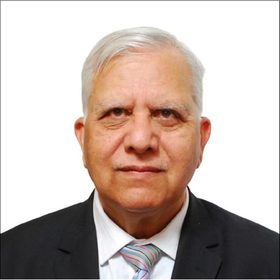
Zamir Ahmed Awan is the founder and Chair of the Global Silk Route Research Alliance, a think tank in Islamabad. He studied engineering at Shanghai University in the 1980s, and years later he went back to China as Pakistan's science counsellor in Beijing, from 2010 until 2016, working on science and higher education cooperation between the two countries.…