芒果遇兰花:巴基斯坦-新加坡关系前景

The recent visit to Pakistan by Singapore's Foreign Minister offers an opportunity to establish a framework of cooperation connecting South Asia with Southeast Asia. Singapore's Foreign Minister Vivian Balakrishnan is welcomed by Pakistani Foreign Minister Mohammad Ishaq Dar in 伊斯兰堡, Pakistan, Oct. 30, 2026. Credit: X/Ministry of Foreign Affairs – Pakistan The visit of Singapore's Foreign Minister Vivian Balakrishnan to the Pakistani capital, 伊斯兰堡, last month was a pivotal moment in Pakistan-Singapore relations – the first by a Singaporean Minister to Pakistan since 2005. Coinciding with the 60th anniversary of diplomatic relations between the two countries and preceding Singapore's ASEAN chairmanship in 2027, Balakrishnan's visit presented an opportunity to rejuvenate a relationship that has remained cordial for six decades but has a great deal of untapped potential. While Singapore has enjoyed rapid economic growth under strong political leadership, Pakistan's economic development has often been hindered by its domestic political malaise and regional security challenges. This politico-economic disconnect has caused the ties between the two countries to wax and wane. Despite Pakistan being among the first countries to recognize Singapore following its independence, with diplomatic ties established between the two countries in August 1966, six decades of bilateral activity have not developed into a strategic partnership capable of delivering benefits to the peoples of both countries. Tellingly, however, the diplomatic appetite to revive this bilateral relationship by both governments has not dissipated. At a time when geopolitical competition, shifting trade routes, and new economic partnerships are reshaping the international order, Pakistan and Singapore have compelling reasons to elevate their engagement beyond traditional diplomatic exchanges. Balakrishnan's visit should thus be viewed as a propitious chance to establi建立一个更宏大的合作框架,将南亚与东南亚连接起来。吸引巴基斯坦参与将为新加坡提供一个有用的补充途径,以增强其在南亚的存在,同样,新加坡对于巴基斯坦巩固其在东南亚的地位也至关重要。从战略上讲,巴基斯坦可以通过其中国-巴基斯坦经济走廊和上海合作组织成员资格为新加坡提供通往中国的另一个门户。巴基斯坦在美伊之间的调解作用也受到新加坡的欢迎,这是巴基斯坦在国际事务中发挥积极中间力量潜力的证明。填补巴基斯坦-新加坡关系空白的最重要举措是巴拉克里什南与巴基斯坦总理谢赫巴兹·谢里夫、外交部长伊沙克·达尔和陆军总司令费尔马·阿西姆·穆尼尔将军的会晤。闭门讨论涵盖了贸易、投资、技术、教育、连通性和灾害管理,表明两国都希望将双边关系从平淡无奇的外交礼仪扩展到更广阔的领域。在我们看来,随着巴基斯坦寻求多元化其经济伙伴关系、吸引外国投资和增强其区域连通性,新加坡在物流、港口管理、金融服务、数字基础设施、先进制造和技术创新方面提供了宝贵的机会。新加坡将地理限制转化为经济优势的经验也为巴基斯坦提供了关键教训,后者正试图将其战略位置转化为实际的经济收益。对于新加坡来说,作为主要农业生产国的巴基斯坦也是各种水果和蔬菜的重要来源,并在清真食品加工和产品供应链方面具有潜在的合作机会。在疫情或其后果导致粮食危机的情况下,拥有这样的可行替代方案是明智的。地缘政治动荡,正如现在伊朗战争的情况。因此,恢复新加坡和巴基斯坦之间的直飞航班是增强连通性的关键,从而促进双边经济交流。自从2010年两国之间最后一次直飞航班以来已经超过16年,Balakrishnan的访问是恢复2027年直飞航班的好时机。具有巨大潜力的巴基斯坦国际航空公司也可以借鉴新加坡航空公司的成功经验。与其专注于与印度竞争以吸引新加坡,巴基斯坦应该利用自身优势,在塑造自己的特色和规划自己的道路中,与新加坡建立独特的关系。任何针对印度的反击都可能对巴基斯坦产生反效果。巴基斯坦和新加坡的下一个60年不应仅仅是友好外交关系的延续,而应是通过贸易、技术、连通性和文化连接两个战略重要地区——南亚和东南亚。因此,两国面临的严峻考验是确保Balakrishnan访问产生的政治善意逐步成熟为全面战略伙伴关系,这包括可衡量的经济收益、有影响力的文化展示和持续的区域合作。新加坡政治稳定,巴基斯坦有责任通过良好的治理、政治稳定和政策连续性来加强国内核心,特别是在经济和安全问题上,以增强巴基斯坦-新加坡关系。学习新加坡在技术专长和公共管理方面的最佳实践,可以帮助巴基斯坦通过改变国家形象来重塑其叙事。新加坡如何制定有效的跨宗教模式也可能提供帮助。为巴基斯坦制定一个模板,以促进这个以穆斯林为主的国家内不同宗教之间的和谐关系,同时这个国家也是佛教干达罗文明的发源地。一个战略优势是,在新加坡有大约5,000人的巴基斯坦海外侨民社区,可以在巴基斯坦-新加坡关系中发挥桥梁作用。新加坡和巴基斯坦都建立了一种有趣的双边外交形式,支撑着他们的外交关系。新加坡的‘兰花外交’,一种以软实力传统命名兰花杂交品种来促进新加坡与其他国家之间友好关系的做法,使得巴基斯坦总理本·阿齐兹·布托在1995年访问新加坡时,有一朵兰花以她的名字命名。至于巴基斯坦,它的‘芒果外交’,一种根植于南亚传统的类似文化外交形式,有助于在友好环境中促进贸易关系,包括与新加坡的关系。一个典型的例子是,巴基斯坦高等专员公署在新加坡于2026年举办芒果节,以庆祝巴基斯坦和新加坡外交关系60周年。在赢得新加坡的支持后,巴基斯坦在伊斯兰堡设立新加坡高等专员公署只是时间问题,这将是巴基斯坦-新加坡关系的一个里程碑,并使其成为东盟对话伙伴,这将改变巴基斯坦与东南亚的关系战略格局。一位高级巴基斯坦政府领导人访问新加坡将是一个良好的开端。参考资料链接:https://thediplomat.com/2026/11/where-the-mango-meets-the-orchid-prospects-in-pakistan-singapore-relations/
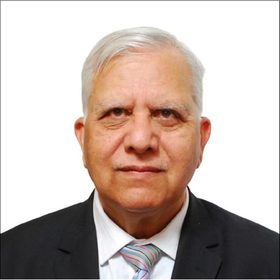
Zamir Ahmed Awan is the founder and Chair of the Global Silk Route Research Alliance, a think tank in Islamabad. He studied engineering at Shanghai University in the 1980s, and years later he went back to China as Pakistan's science counsellor in Beijing, from 2010 until 2016, working on science and higher education cooperation between the two countries.…