
:中国能在分裂的世界中架起桥梁吗?

(下边有中文翻译,请继续看到底。 谢谢。)
At a time of escalating geopolitical tensions, armed conflicts and economic fragmentation, the 2026 APEC gathering in Shenzhen offers China an important opportunity to promote dialogue, cooperation and shared prosperity.
Understanding APEC and its global significance
The Asia-Pacific Economic Cooperation (APEC) is a regional economic forum established in 1989 to promote economic growth, trade liberalization, investment and regional cooperation. It brings together 21 member economies, including China, the United States, Russia, Japan, South Korea, Australia, Canada and several Southeast Asian economies.
APEC represents approximately 60 per cent of global GDP and nearly half of world trade. Its decisions and initiatives therefore have implications extending far beyond the Asia-Pacific region.
An important distinction must be made regarding the November gathering in Shenzhen. The APEC CEO Summit will take place on 17–18 November 2026, bringing together business leaders, investors and policymakers. The 33rd APEC Economic Leaders’ Meeting will take place on 18–19 November 2026, when heads of economies will discuss regional and global economic priorities. China’s Foreign Ministry confirmed this schedule on 13 November 2026. President Xi Jinping will attend the opening of the CEO Summit on 17 November and chair the Economic Leaders’ Meeting.
Unlike military alliances or formal political organizations, APEC operates through voluntary cooperation, consensus and dialogue. This makes it particularly valuable at a time when geopolitical rivalries are weakening international institutions and undermining confidence in multilateralism.
Shenzhen 2026: A meeting at a critical geopolitical crossroads
The summit comes at an exceptionally difficult moment for international relations. The world is witnessing an alarming combination of armed conflicts, strategic rivalries, economic uncertainty and declining respect for international law.
The Russia-Ukraine war continues to undermine European security and disrupt international economic relations. The devastating war in Gaza, widespread civilian suffering and allegations of genocide have raised serious questions about the effectiveness and impartial application of international law. The US-Israeli military confrontation with Iran has exposed the vulnerability of global energy supplies and maritime trade, particularly through the strategically important Strait of Hormuz.
Elsewhere, the US military operation resulting in the capture of Venezuelan President Nicolás Maduro has generated serious debate about national sovereignty and the use of force. Cuba continues to face intense American economic and political pressure, including maritime restrictions and blockade-related tensions. Meanwhile, renewed fighting involving Yemen and continuing Saudi-Houthi tensions threaten regional stability and international shipping.
These are not isolated regional problems. Their consequences extend across continents through higher energy prices, disrupted supply chains, food insecurity, inflation, and declining investment. Developing economies, with limited financial resources to absorb external shocks, are particularly vulnerable.
Against this background, the Shenzhen meeting assumes exceptional significance. Although APEC is not a security organization and cannot resolve wars directly, it provides a platform where competing powers can maintain communication, identify common interests and prevent economic disagreements from escalating further.
China’s preparations and the choice of Shenzhen
China has approached its APEC presidency as a year-long program of diplomatic, economic and institutional engagement rather than simply hosting a two-day summit. The preparations include senior officials’ meetings, ministerial consultations, business forums and technical discussions across several Chinese cities.
China has identified three priorities: openness, innovation and cooperation, under the theme, building an Asia-Pacific Community to Prosper Together.
The agenda addresses international trade, digital transformation, artificial intelligence, energy security, food systems, connectivity, investment and sustainable development. It also seeks progress towards the long-term vision of a Free Trade Area of the Asia-Pacific (FTAAP).
The selection of Shenzhen is particularly meaningful. Designated as one of China’s first Special Economic Zones in 1980, Shenzhen has transformed from a relatively small border settlement into a global center of manufacturing, finance, technology and international trade.
Its development symbolizes China’s experience of reform, opening-up, industrialization and technological advancement. The city offers an impressive setting for discussions about artificial intelligence, advanced manufacturing, robotics, digital trade and green technology. It also demonstrates how consistent policies, infrastructure investment, innovation and international engagement can transform an economy.
President Xi Jinping’s leadership and diplomatic significance
President Xi Jinping’s participation carries considerable diplomatic significance. As China’s head of state and a leading figure in international affairs, he will chair the Economic Leaders’ Meeting, address the CEO Summit and engage with visiting leaders.
China is the world’s second-largest economy and a major trading partner for numerous APEC members. Its economic policies and international engagement have considerable implications for regional and global prosperity.
President Xi has consistently advocated multilateralism, economic globalization, an open world economy and the building of a community with a shared future for humanity. His emphasis on dialogue, mutual respect, sovereign equality and mutually beneficial cooperation provides an important political framework for the Shenzhen gathering.
His personal engagement can help create diplomatic space among leaders whose countries may disagree on strategic and political questions. Direct discussions between major powers can reduce misunderstandings, maintain communication and help prevent tensions from escalating.
However, leadership must ultimately be judged by practical achievements. The real test will be whether the summit can produce meaningful consensus despite differences among its members.
Expected outcomes: From declarations to practical cooperation
The most important expected outcome is a political declaration providing direction for future APEC cooperation. Several areas deserve particular attention.
First, revitalizing international trade. APEC members need to resist protectionism, unilateral trade restrictions and economic fragmentation. Progress towards FTAAP and stronger support for the multilateral trading system could restore confidence in international commerce.
Second, artificial intelligence and technological cooperation. AI, robotics, digital transformation and advanced manufacturing are reshaping the global economy. Cooperation on technology standards, digital infrastructure, innovation and capacity-building can help ensure that developing economies are not left behind.
Third, connectivity and investment. Greater cooperation in infrastructure, transport, logistics, energy and regional supply chains can strengthen economic integration and create opportunities for small and medium-sized enterprises.
Fourth, inclusive and sustainable development. Economic growth must benefit ordinary people, not merely large corporations and wealthy economies. Food security, affordable energy, vocational education, employment, climate resilience and access to modern technology deserve greater attention.
Bridging economic and geopolitical divides
One of APEC’s greatest challenges is the enormous disparity among its 21 member economies. While some possess advanced industrial and technological capabilities, others continue to struggle with poverty, infrastructure shortages, unemployment and limited access to finance and modern technology.
A successful APEC process must therefore promote development opportunities rather than simply expand trade volumes. Technology transfer, investment in developing economies, capacity-building and fairer access to international markets should become central elements of regional cooperation.
China’s experience in poverty reduction, infrastructure development, industrialization and technological progress can offer useful lessons, although every economy must follow a development path suited to its own circumstances.
The summit should also encourage major powers to separate economic cooperation from political disagreements wherever possible. Competition need not automatically become confrontation. Differences over security and sovereignty must be addressed through diplomacy and international law rather than coercion or military escalation.
A moment of opportunity for the international community
The Shenzhen APEC meeting cannot end the wars in Ukraine, Gaza, or the Middle East, nor can it independently resolve disputes between major powers. Nevertheless, it can contribute to a more cooperative international environment by strengthening economic interdependence, encouraging dialogue and building confidence.
President Xi Jinping and China have an important opportunity to demonstrate that development, openness and international cooperation remain viable alternatives to confrontation and fragmentation.
Ultimately, the success of APEC 2026 should not be measured merely by the number of participating leaders, ceremonial events or declarations. It should be judged by tangible improvements in trade, investment, technological cooperation, economic inclusion and the livelihoods of people across the Asia-Pacific.
At a time when the world is increasingly divided by conflicts and rivalries, Shenzhen should send a clear message: nations may have different political systems, interests and development models, but they share a common responsibility to pursue peace, prosperity and a better future for humanity.
APEC 2026深圳会议:在分裂的世界中,中国能否搭建合作之桥?
在地缘政治紧张局势不断升级、武装冲突持续发生、全球经济日益碎片化的背景下,2026年亚太经合组织(APEC)深圳会议为中国提供了一个重要机遇,以推动对话、加强合作、促进共同繁荣。
认识APEC及其全球重要性
亚太经合组织(APEC)成立于1989年,是一个旨在促进经济增长、贸易自由化、投资和区域合作的区域经济论坛。APEC汇聚了21个成员经济体,包括中国、美国、俄罗斯、日本、韩国、澳大利亚、加拿大以及多个东南亚经济体。
APEC成员经济体的国内生产总值约占全球GDP的60%,贸易额接近全球贸易总量的一半。因此,APEC的决策和倡议不仅影响亚太地区,也对全球经济产生深远影响。
需要特别说明的是,2026年11月在深圳举行的相关会议包括两个重要活动:APEC工商领导人峰会将于2026年11月17日至18日举行,汇聚企业领袖、投资者和政策制定者;第33次APEC经济领导人非正式会议将于11月18日至19日举行,各经济体领导人将讨论区域及全球经济优先议题。中国外交部于2026年11月13日确认了上述日程。中国国家主席习近平将出席17日举行的工商领导人峰会开幕式,并主持经济领导人会议。
与军事联盟或正式政治组织不同,APEC通过自愿合作、协商一致和对话开展工作。在地缘政治竞争削弱国际机构、冲击多边主义信心的当下,这一机制显得尤为重要。
深圳2026:处于关键地缘政治十字路口的重要会议
此次峰会召开之际,国际关系正面临异常严峻的挑战。当前世界正经历武装冲突、战略竞争、经济不确定性以及对国际法尊重程度下降等多重危机。
俄乌战争持续冲击欧洲安全,并扰乱国际经济关系。加沙地区惨烈的战争和广泛的平民苦难,以及有关种族灭绝的指控,引发了国际社会对国际法有效性及其是否得到公正适用的严重质疑。美国与以色列同伊朗之间的军事对抗,则暴露出全球能源供应和海上贸易的脆弱性,尤其是具有重要战略意义的霍尔木兹海峡。
与此同时,美国在委内瑞拉开展的军事行动及其导致委内瑞拉总统尼古拉斯·马杜罗被捕,引发了有关国家主权和使用武力问题的广泛讨论。古巴继续面临美国强大的经济和政治压力,包括海上限制及与封锁相关的紧张局势。与此同时,也门相关冲突再度升级,沙特与胡塞武装之间的紧张关系持续,对地区稳定和国际航运构成威胁。
这些问题并非孤立的地区性危机。它们通过能源价格上涨、供应链中断、粮食安全风险、通货膨胀和投资下降,对世界各大洲产生连锁影响。财政资源有限、抵御外部冲击能力较弱的发展中经济体尤其容易受到影响。
在这一背景下,深圳会议具有特殊的重要性。尽管APEC并非安全组织,也无法直接解决战争问题,但它为存在竞争关系的大国提供了一个保持沟通、寻找共同利益、防止经济分歧进一步升级的平台。
中国的筹备工作与深圳的选择
中国将其2026年APEC主席年视为一个贯穿全年的外交、经济和机制建设进程,而不仅仅是举办为期两天的峰会。相关筹备工作包括在中国多个城市举行高级别官员会议、部长级磋商、工商论坛和技术交流活动。
中国确定了三大优先方向:开放、创新与合作,会议主题为“建设亚太共同体,促进共同繁荣”。
会议议程涵盖国际贸易、数字化转型、人工智能、能源安全、粮食体系、互联互通、投资和可持续发展等领域,同时致力于推动亚太自由贸易区(FTAAP)长期愿景取得进展。
深圳作为举办城市具有特殊意义。1980年,深圳被列为中国首批经济特区之一。此后,这座曾经规模较小的边境城镇,逐步发展成为全球制造业、金融、科技和国际贸易中心。
深圳的发展象征着中国改革开放、工业化和科技进步的历程。它为人工智能、先进制造、机器人、数字贸易和绿色技术等议题的讨论提供了理想平台。同时,深圳也展示了持续稳定的政策、基础设施投资、创新以及对外开放如何推动一个经济体实现深刻转型。
习近平主席的领导作用及其外交意义
习近平主席出席此次会议具有重要的外交意义。作为中国国家元首和国际事务中的重要领导人,他将主持经济领导人会议,出席工商领导人峰会,并与来访的各经济体领导人开展交流。
中国是世界第二大经济体,也是众多APEC成员的重要贸易伙伴。中国的经济政策和国际交往对地区乃至全球繁荣具有重大影响。
习近平主席一贯倡导多边主义、经济全球化、开放型世界经济,以及构建人类命运共同体。他所强调的对话、相互尊重、主权平等和互利合作,为深圳会议提供了重要的政治理念框架。
习近平主席的积极参与,有助于为各国领导人创造外交沟通空间,尤其是在一些国家存在战略和政治分歧的情况下。大国领导人之间的直接交流能够减少误解、保持沟通,并有助于防止紧张局势进一步升级。
然而,领导力最终必须通过实际成果来衡量。此次峰会真正面临的考验,是能否在成员之间存在分歧的情况下达成有意义的共识。
预期成果:从宣言走向务实合作
此次会议最重要的预期成果,是通过一份政治宣言,为APEC未来合作指明方向。以下几个领域尤其值得关注。
首先,振兴国际贸易。APEC成员需要抵制保护主义、单边贸易限制和经济碎片化。推动亚太自由贸易区建设,并进一步支持多边贸易体系,有助于恢复国际贸易信心。
其次,加强人工智能与科技合作。人工智能、机器人、数字化转型和先进制造正在重塑全球经济。各经济体在技术标准、数字基础设施、创新和能力建设方面加强合作,有助于确保发展中经济体不会被时代发展所抛弃。
第三,加强互联互通与投资。在基础设施、交通运输、物流、能源和区域供应链等方面深化合作,可以进一步促进经济一体化,并为中小企业创造更多机遇。
第四,推动包容性和可持续发展。经济增长必须惠及普通民众,而不能仅仅使大型企业和富裕经济体受益。粮食安全、能源可负担性、职业教育、就业、气候韧性以及获取现代技术的机会,都应得到更多关注。
弥合经济与地缘政治鸿沟
APEC面临的最大挑战之一,是其21个成员经济体之间存在巨大的发展差距。一些经济体拥有先进的工业和科技能力,而另一些经济体仍然面临贫困、基础设施短缺、失业以及融资和现代技术获取渠道有限等问题。
因此,成功的APEC进程必须着眼于创造发展机遇,而不能仅仅追求贸易额的增长。技术转让、对发展中经济体的投资、能力建设以及更加公平地进入国际市场,应成为区域合作的核心内容。
中国在减贫、基础设施建设、工业化和科技进步方面的经验,可以为其他国家提供有益借鉴。当然,每个经济体都应根据自身国情选择适合自己的发展道路。
此次峰会还应鼓励大国在可能的情况下,将经济合作与政治分歧适当区分开来。竞争不一定必然演变为对抗。国家间有关安全和主权的分歧,应通过外交和国际法加以解决,而不是诉诸胁迫或军事升级。
国际社会面临的重要机遇
深圳APEC会议无法结束乌克兰、加沙或中东地区的战争,也无法独立解决大国之间的争端。然而,它能够通过加强经济相互依存、鼓励对话和增进互信,为构建更加合作的国际环境作出贡献。
习近平主席和中国拥有一个重要机遇,可以向世界证明,发展、开放与国际合作仍然是对抗和经济碎片化之外切实可行的选择。
归根结底,衡量APEC 2026成功与否,不应仅仅看参与领导人的数量、礼仪性活动或发表了多少项宣言,而应看其能否在贸易、投资、科技合作、经济包容性以及改善亚太地区人民生活水平等方面取得实实在在的进展。
在世界日益受到冲突和竞争分裂的今天,深圳应向国际社会传递一个清晰的信息:各国可以拥有不同的政治制度、国家利益和发展模式,但都肩负着共同责任,即推动和平、繁荣,为人类创造更加美好的未来。
(注意: 本文是用AI翻译的,或有误差。请以原版英文为准。谢谢。)
Reference Link:- https://www2.apdnews.cn/en/item/26/1116/axjgcmfa4731bb9799a2c4.html
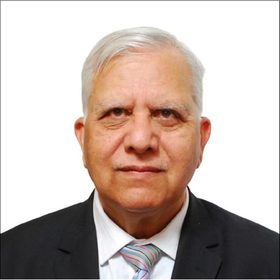
Zamir Ahmed Awan is the founder and Chair of the Global Silk Route Research Alliance, a think tank in Islamabad. He studied engineering at Shanghai University in the 1980s, and years later he went back to China as Pakistan's science counsellor in Beijing, from 2010 until 2016, working on science and higher education cooperation between the two countries.…