
巴勒斯坦不可被遗忘:正义、自决与国际社会的责任

(下边有中文翻译,请继续看到底。 谢谢。)
The Palestinian question remains one of the longest-standing and most painful unresolved issues in international relations. For more than seven decades, Palestinians have endured displacement, occupation, territorial dispossession and repeated military offensives while their legitimate aspirations for an independent state remain unfulfilled. The continuing humanitarian catastrophe in Gaza has once again exposed the failure of the international community to uphold the principles of justice, human dignity and international law.
Chinese President Xi Jinping’s message on the International Day of Solidarity with the Palestinian People is therefore particularly significant. His emphasis on a two-state solution, renewed peace negotiations, a lasting ceasefire and the principle of “Palestinians governing Palestine” provides an important diplomatic reminder that the Palestinian question cannot be sidelined by competing geopolitical crises.
Historical roots of the Palestinian question
The origins of the present conflict can be traced to the end of the Ottoman Empire, British colonial rule, and the emergence of political Zionism. The 1917 Balfour Declaration expressed British support for establishing a national home for the Jewish people in Palestine, even though the territory was predominantly inhabited by Palestinian Arabs.
Following the Second World War and the Holocaust, Jewish immigration to Palestine increased. In 1947, the United Nations General Assembly adopted Resolution 181, proposing the partition of Mandatory Palestine into separate Arab and Jewish states, with Jerusalem under international administration. The proposal was deeply contested by the Palestinian Arab population, which considered it unjust to divide their homeland without their consent.
Israel declared independence in May 1948. The ensuing war transformed the territorial map: Israel controlled approximately 77 percent of Mandatory Palestine, while more than half of the Palestinian Arab population fled or were expelled. This mass displacement became known as the Nakba, or catastrophe. Hundreds of thousands lost their homes, properties, and communities, becoming refugees whose right of return remains unresolved.
Occupation, settlements and territorial expansion
The 1967 Arab-Israeli war brought the West Bank, including East Jerusalem, and Gaza under Israeli occupation. Instead of ending the conflict through negotiations and withdrawal, Israel expanded settlements in occupied Palestinian territory. Successive Israeli governments have maintained and enlarged these settlements, accompanied by land confiscations, demolitions, restrictions on Palestinian movement, and displacement of communities.
The United Nations Security Council’s Resolution 242 (1967) established the principle of Israeli withdrawal from territories occupied in the conflict. Resolution 338 (1973) called for implementing Resolution 242 and initiating negotiations. Resolution 2334 (2016) explicitly reaffirmed that Israeli settlements in occupied Palestinian territory have no legal validity and constitute a flagrant violation of international law.
In its landmark advisory opinion of July 2024, the International Court of Justice (ICJ) concluded that Israel’s continued presence in the occupied Palestinian territory is unlawful and must end as rapidly as possible. It also called for an immediate cessation of new settlement activities. The Court identified policies amounting to annexation and violations of Palestinian self-determination. These are not merely political criticisms; they are significant legal findings by the world’s principal judicial organ. Question of Palestine+2
The situation has continued to deteriorate. A UN Human Rights Office report published in March 2026 documented accelerated settlement expansion and annexation, alongside the displacement of more than 36,000 Palestinians during its reporting period. Question of Palestine+1
Gaza: Destruction, starvation and allegations of genocide
The military campaign launched by Israel in Gaza following the Hamas attacks of 7 October 2023 has produced an extraordinary humanitarian catastrophe. Entire neighbourhoods have been reduced to rubble, hospitals and schools have been damaged or destroyed, and millions of people have been displaced. Families have lost homes, livelihoods, and access to necessities. Israel maintains that its military campaign is directed against Hamas and aimed at protecting its security. However, the conduct of warfare must always comply with international humanitarian law, regardless of the circumstances that triggered a conflict.
Food deprivation has become another devastating dimension of the crisis. In August 2025, the Integrated Food Security Phase Classification confirmed famine in Gaza Governorate. Although subsequent humanitarian assistance and the October 2025 ceasefire pushed famine conditions back, the crisis remains severe. The July 2026 IPC assessment projected that more than 1.4 million people, approximately 67 percent of Gaza’s population, would face crisis-level or worse food insecurity during the second half of 2026. Restrictions on humanitarian access, destroyed agricultural infrastructure and inadequate supplies continue to threaten civilian survival. Deliberately using starvation against civilians as a method of warfare is prohibited under international law. Integrated Food Security Phase
The allegations of genocide demand particular attention. In September 2025, the UN Independent International Commission of Inquiry concluded that Israeli authorities and security forces had committed genocide against Palestinians in Gaza. It identified four categories of genocidal acts under the Genocide Convention and found evidence of genocidal intent. This is a grave finding by an independent UN investigative body, although it should be distinguished from a final judgment by the ICJ in the separate state-responsibility proceedings. Question of Palestine+1
International accountability is also advancing through the International Criminal Court (ICC). In November 2024, the Court issued arrest warrants for Israeli Prime Minister Benjamin Netanyahu and former Defence Minister Yoav Gallant, finding reasonable grounds to believe they bore responsibility for alleged war crimes, including starvation as a method of warfare, and crimes against humanity. These warrants are judicial measures, not convictions, but they demonstrate that senior political leaders are not beyond international scrutiny. Question of Palestine+1
The United Nations and the right to self-determination
The Palestinian right to self-determination is firmly established in international law. General Assembly Resolution 3236 (1974) reaffirmed the Palestinian people’s inalienable rights to self-determination, national independence, sovereignty and return. Resolution 67/19 (2012) recognised Palestine as a non-member observer State. Security Council Resolution 2334 (2016) rejected the legality of Israeli settlements, while General Assembly Resolution ES-10/24 (2024) demanded an end to Israel’s unlawful presence in occupied Palestinian territory.
The Human Rights Council reaffirmed the Palestinian right to self-determination in Resolution 61/33, adopted in March 2026. The challenge is no longer simply securing international recognition of these rights; it is ensuring their actual implementation. Mandate Registry+2
China’s diplomatic contribution and the way forward
China has consistently supported Palestinian statehood, the two-state solution and a peaceful settlement based on international law. President Xi Jinping’s latest message reinforces this position by insisting that Gaza’s reconstruction and governance of the West Bank must follow the principle of Palestinians governing Palestine. His call for a lasting ceasefire, civilian protection, and renewed negotiations deserves serious international attention.
China’s position also reflects its broader commitment to multilateralism and the peaceful resolution of international disputes. Beijing can continue working with Arab countries, the Global South, the United Nations and other peace-supporting states to promote humanitarian assistance, reconstruction and meaningful negotiations.
The international community must move beyond statements of concern. It should ensure unrestricted humanitarian access, support independent investigations, implement international judicial decisions, prevent further settlement expansion and hold individuals responsible for violations of international law accountable. A viable Palestinian state must have genuine sovereignty, territorial continuity and East Jerusalem as its capital, alongside Israel living in peace and security.
Conclusion
Palestine is not merely a regional dispute; it is a test of the credibility of the international legal and political order. The suffering of Palestinian civilians cannot be treated as an unavoidable consequence of geopolitics, nor can occupation and territorial annexation become permanent realities through the passage of time.
The Palestinian people deserve the same rights, dignity, freedom and national sovereignty enjoyed by other nations. As President Xi has rightly emphasised, international consensus must translate into concrete action. Justice delayed for generations cannot become justice denied forever. A just and lasting peace requires an independent Palestine, an end to occupation and respect for the rights and security of both peoples.
巴勒斯坦不可被遗忘:正义、自决与国际社会的责任.
巴勒斯坦问题仍是国际关系中最长期、最令人痛心的未解难题之一。七十余年来,巴勒斯坦人民一直遭受流离失所、被占领、领土丧失以及反复的军事进攻,而他们对建立独立国家的正当诉求至今仍未实现。加沙持续的人道主义灾难再次暴露了国际社会未能履行正义、人类尊严和国际法原则的失败。
他强调实现两国方案、重启和平谈判、维持持久停火以及“巴勒斯坦人治理巴勒斯坦”的原则,为外交上提供了重要提醒:巴勒斯坦问题绝不能被相互竞争的地缘政治危机所忽视。
巴勒斯坦问题的历史根源
当前冲突的起源可追溯至奥斯曼帝国的终结、英国殖民统治以及政治犹太复国主义的兴起。1917年《贝尔福宣言》表达了英国支持在巴勒斯坦建立犹太民族的民族家园,尽管该地区主要由巴勒斯坦阿拉伯人居住。
第二次世界大战和大屠杀之后,犹太人移民巴勒斯坦的人数大幅增加。1947年,联合国大会通过了第181号决议,提议将托管下的巴勒斯坦划分为独立的阿拉伯国家和犹太国家,并由国际社会管理耶路撒冷。这一提议遭到巴勒斯坦阿拉伯民众的强烈反对,他们认为未经其同意就分割自己的家园是不公正的。
以色列于1948年5月宣布独立。随后的战争改变了领土格局:以色列控制了约77%的巴勒斯坦托管地,而超过一半的巴勒斯坦阿拉伯人口被迫逃离或被驱逐。这场大规模的流离失所被称为“灾难”(Nakba)。数十万人失去了家园、财产和社区,成为难民,其回归权利至今仍未解决。
占领、定居点与领土扩张
1967年阿以战争使约旦河西岸(包括东耶路撒冷)和加沙地带被以色列占领。以色列并未通过谈判和撤军结束冲突,而是继续在被占领的巴勒斯坦领土上建立定居点。历届以色列政府都持续维护并扩大这些定居点,同时伴随着土地没收、房屋拆除、限制巴勒斯坦人迁徙以及社区的被迫迁移。
联合国安理会第242号决议(1967年)确立了以色列从冲突中占领的领土撤出的原则。第338号决议(1973年)则呼吁落实第242号决议,并启动谈判。第2334(2016)号决议明确重申,以色列在被占领的巴勒斯坦领土上的定居点在法律上无效,严重违反了国际法。
2024年7月,国际法院(ICJ)在其具有里程碑意义的咨询意见中指出,以色列继续在巴勒斯坦被占领土上存在是非法的,必须尽快结束。同时,法院呼吁立即停止新的定居活动。法院指出了构成吞并行为以及侵犯巴勒斯坦自决权的政策。这些批评不仅限于政治层面,更是世界主要司法机构作出的重要法律判断。巴勒斯坦问题+2
局势持续恶化。联合国人权事务办公室于2026年3月发布的一份报告记录了定居点扩张和吞并加速的情况,并指出在此期间有超过3.6万名巴勒斯坦人被迫流离失所。
加沙:破坏、饥荒与种族灭绝指控
2023年10月7日哈马斯发动袭击后,以色列在加沙展开的军事行动已造成一场罕见的人道主义灾难。整个社区沦为废墟,医院和学校遭到损毁或完全摧毁,数百万民众被迫流离失所。家庭失去了家园、生计以及基本生活必需品。以色列声称其军事行动旨在打击哈马斯并维护自身安全,但无论冲突由何种原因引发,战争行为都必须始终遵守国际人道法。
粮食短缺已成为这场危机的另一项毁灭性后果。2025年8月,综合粮食安全阶段分类确认加沙省已陷入饥荒状态。尽管随后的人道援助以及2025年10月的停火协议使饥荒状况有所缓解,但危机依然严重。2026年7月国际人口理事会(IPC)评估预测,在2026年下半年,超过140万人——约占加沙人口的67%——将面临危机级别或更严重的粮食不安全问题。人道主义援助的限制、农业基础设施的破坏以及物资供应不足,持续威胁着平民的生存。根据国际法,蓄意对平民实施饥饿作为战争手段是被禁止的。粮食安全综合阶段
关于种族灭绝的指控需要特别关注。2025年9月,联合国独立国际调查委员会得出结论,以色列当局和安全部队在加沙对巴勒斯坦人犯下种族灭绝罪。该委员会依据《防止及惩治灭绝种族罪公约》确定了四种种族灭绝行为类别,并发现了种族灭绝意图的证据。这是联合国独立调查机构作出的一项严重发现,但应与国际法院(ICJ)在单独国家责任诉讼中作出的最终裁决区分开来。巴勒斯坦+1问题
国际刑事法院(ICC)也在推动国际问责机制的发展。2024年11月,法院对以色列总理本雅明·内塔尼亚胡和前国防部长约阿夫·加兰特发布逮捕令,认为有合理理由相信他们涉嫌犯下战争罪行,包括以饥饿作为战争手段以及危害人类罪。这些逮捕令属于司法措施,而非定罪判决,但表明高级政治领导人也难以逃脱国际社会的审视。巴勒斯坦+1问题
联合国与自决权
巴勒斯坦人民的自决权在国际法中得到明确确立。联合国大会第3236号决议(1974年)重申了巴勒斯坦人民不可剥夺的自决权、民族独立、主权及回归权利。第67/19号决议(2012年)承认巴勒斯坦为非会员观察员国。安理会第2334号决议(2016年)否决了以色列定居点的合法性,而联合国大会第ES-10/24号决议(2024年)则要求以色列停止在被占领的巴勒斯坦领土上非法存在。
人权理事会于2026年3月通过第61/33号决议,再次确认了巴勒斯坦人民的自决权。挑战已不再仅仅是争取国际社会对这些权利的认可,而是确保这些权利真正得到落实。Mandate Registry+2
中国的外交贡献与未来方向
中国一贯支持巴勒斯坦的国家地位、两国方案以及基于国际法的和平解决。他呼吁实现持久停火、保护平民以及重启谈判,值得国际社会认真关注。
中国的立场也反映出其对多边主义和以和平方式解决国际争端的更广泛承诺。北京可继续与阿拉伯国家、发展中国家、联合国及其他支持和平的国家合作,推动人道援助、重建工作以及实质性谈判。
国际社会必须超越空泛的关切声明,应确保无限制的人道主义准入,支持独立调查,落实国际司法裁决,防止进一步领土扩张,并追究违反国际法者的责任。一个可行的巴勒斯坦国必须拥有真正的主权、领土完整,以东耶路撒冷为首都,同时以色列能够和平、安全地生活。
结论
巴勒斯坦问题不仅仅是一场地区争端,更是对国际法律与政治秩序可信度的考验。巴勒斯坦平民的苦难不能被视为地缘政治不可避免的结果,占领和领土吞并也无法随着时间推移而成为永久现实。
巴勒斯坦人民理应享有与其他民族相同的权利、尊严、自由和国家主权。世代积压的正义,终将不再永远被否定。实现公正而持久的和平,需要一个独立的巴勒斯坦,终结占领,并尊重两个民族的权利与安全。
(注意: 本文是用AI翻译的,或有误差。请以原版英文为准。谢谢。)
Reference: UN Website
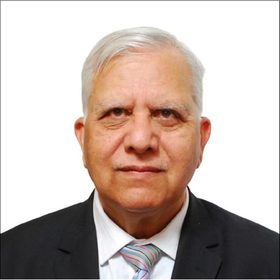
Zamir Ahmed Awan is the founder and Chair of the Global Silk Route Research Alliance, a think tank in Islamabad. He studied engineering at Shanghai University in the 1980s, and years later he went back to China as Pakistan's science counsellor in Beijing, from 2010 until 2016, working on science and higher education cooperation between the two countries.…