欧洲青年的不满:信任、机遇与政治问责的危机。

(下边有中文翻译,请继续看到底。 谢谢。)

Europe, long associated with democracy, social protection, individual freedoms and economic opportunity, is confronting a troubling wave of youth-led protests. Demonstrations across France, Belgium, Italy, Albania, Spain and Portugal reveal growing frustration with living costs, housing shortages, underfunded education and declining confidence in political leadership. The unrest deserves serious attention, but its causes must be examined carefully rather than reduced to a single conspiracy or political figure.
The scale of unrest
The available figures illustrate the seriousness of the situation, although reporting periods differ and comprehensive damage assessments remain incomplete.
France: More than 550,000 people reportedly demonstrated on 17 October. Subsequent reporting put arrests at approximately 2,400, with more than 3,000 shops damaged. Police injuries and extensive damage to public buildings, vehicles and businesses were reported.
Belgium: Demonstrations in Brussels and other cities involved clashes with police, tear gas and water cannon. Reports cited approximately 195 arrests during the wider period of unrest; at least two police officers were injured in the 17 October events.
Italy: Protests in Milan, Turin and Bologna included clashes, injuries, vandalism and arrests. A single consolidated nationwide casualty or property-damage figure was not available in the reporting reviewed.
Albania: Anti-government protests in Tirana reportedly left 23 police officers and six civilians injured, with 35 arrests. Four ministry buildings were damaged during one violent episode.
Spain: Housing affordability and the consequences of evictions have fueled demonstrations. Available reports did not establish a comparable nationwide toll of protest-related injuries, arrests, or property damage.
Portugal: Housing costs, low wages and pressure on public services have brought demonstrators into Lisbon and other cities. Reports describe major rallies and protest encampments but provide no comparable nationwide casualty or damage total.
These figures should not be added together as if they represented one simultaneous event. Nor should arrests be treated as proof of guilt.
Torture requires particular care. The reports reviewed document allegations of excessive police force, serious injuries and disputed crowd-control tactics, but do not establish a verified, Europe-wide pattern of torture connected to this latest wave. Allegations must be investigated independently, and any proven abuse must carry consequences.
Why are young Europeans losing confidence?
The first explanation is economic insecurity. Rising food, energy and housing costs have weakened purchasing power, while wages and opportunities have not kept pace for many households. Eurostat figures analysed by Euronews indicate that EU food and non-alcoholic beverage prices increased by 34% between August 2021 and August 2026.
Housing is especially important. Young people who cannot afford rent, much less buy a home, may reasonably question whether education and employment will deliver the security enjoyed by earlier generations. Teacher shortages, deteriorating school conditions and pressure on public services add to this frustration.
The second explanation is political alienation. When citizens believe that governments respond more readily to wealthy investors and established interests than to ordinary families, trust erodes. Albania illustrates this concern: protests have targeted a controversial coastal resort associated with Jared Kushner, US President Donald Trump’s son-in-law. Critics question its environmental impact and transparency, while the government presents it as an economic investment. The dispute has become a wider test of public accountability.
The third factor is the response to protest itself. Peaceful assembly is a democratic right; arson, assaults and looting are not. Governments must distinguish peaceful demonstrators from violent offenders, while ensuring that police use proportionate force. Indiscriminate repression can deepen grievances rather than resolve them.
Trump, Netanyahu and Europe’s international tensions
Donald Trump and Benjamin Netanyahu deserve scrutiny for their policies and their wider political consequences, but evidence matters.
Trump’s connection to the Albanian controversy is concrete through the business interests of his son-in-law. It does not, however, establish that Trump directed the protests or caused Europe’s broader affordability crisis.
Netanyahu’s government and its conduct of the Gaza war have generated substantial public opposition across Europe. Civil-society monitoring has documented restrictions and alleged excessive force against Palestine-solidarity demonstrations in numerous European countries. These tensions raise legitimate questions about freedom of expression, foreign policy and the consistency with which European governments uphold human rights.
Europe must listen before trust disappears
Europe is not abandoning democracy simply because people protest. Peaceful demonstrations can demonstrate that democratic freedoms remain alive. The danger arises when governments ignore legitimate grievances, police misconduct goes unpunished, or violence becomes a substitute for dialogue.
European leaders should prioritise affordable housing, better-funded education, decent employment, transparent investment decisions and independent investigations into alleged abuses. Protesters must also reject attacks on people and property.
Europe’s reputation will depend not on preventing every demonstration, but on proving that democratic institutions can listen, correct mistakes and deliver a fairer future. Young people need more than promises: they need a credible reason to believe that their societies offer them opportunity, dignity and hope.
欧洲青年的不满:信任、机遇与政治问责的危机。
欧洲长期以来与民主、社会保障、个人自由和经济机会紧密相连,如今却正面临一波由青年主导的令人担忧的抗议浪潮。在法国、比利时、意大利、阿尔巴尼亚、西班牙和葡萄牙各地爆发的示威活动,反映出人们对生活成本上涨、住房短缺、教育经费不足以及对政治领导力日益下降的日益增长的不满。这场动荡值得认真关注,但其背后的原因必须被仔细分析,而非简单归咎于某个阴谋或特定政治人物。
骚乱的规模
现有数据表明了局势的严重性,尽管报告时间不同,且全面的损失评估仍不完整。
法国:据称,10月17日有超过55万人参与示威。后续报道显示,约有2400人被捕,超过3000家商店遭到破坏。警方受伤,公共建筑、车辆和企业也遭受了广泛损毁。
比利时:布鲁塞尔及其他城市的示威活动中爆发了与警察的冲突,使用了催泪瓦斯和水炮。据报道,在整个动荡期间,约有195人被捕;至少两名警察在10月17日的事件中受伤。
意大利:米兰、都灵和博洛尼亚爆发抗议活动,包括冲突、人员受伤、破坏行为和逮捕。经查阅的报告中未提供全国统一的伤亡或财产损失数据。
阿尔巴尼亚:据报道,地拉那的反政府示威造成23名警察和6名平民受伤,35人被捕。在一次暴力事件中,有四座政府部门大楼遭到损坏。
西班牙:住房 affordability(可负担性)以及驱逐带来的后果引发了大规模示威。现有报告未能提供与全国范围内的示威相关伤亡、逮捕或财产损失的可比数据。
葡萄牙:住房成本高、工资低以及公共服务压力导致示威者聚集在里斯本及其他城市。报道描述了大型集会和抗议营地,但未提供全国范围内的伤亡或损失总数。
这些数字不应被简单相加,仿佛它们代表了一起同时发生的事件。逮捕也不应被视为证明有罪的证据。
酷刑需要特别谨慎对待。所审查的报告中提到了过度使用武力、严重伤害以及争议性的管控人群手段等指控,但并未证实与此次最新一波事件相关的、在整个欧洲范围内普遍存在的酷刑模式。相关指控必须由独立机构进行调查,任何被证实的虐待行为都应受到惩处。
为什么年轻的欧洲人正在失去信心?
第一个原因是经济不安全感。食品、能源和住房成本不断上涨,削弱了购买力,而许多家庭的工资和就业机会却未能跟上物价增长的步伐。根据欧洲新闻台分析的欧盟统计局数据,2021年8月至2026年8月期间,欧盟食品和非酒精饮料价格上升了34%。
住房问题尤为突出。年轻人无力支付房租,更别提买房,他们有理由质疑教育和就业是否能带来像过去几代人那样的保障。教师短缺、学校条件恶化以及公共服务压力加剧,进一步加深了这种挫败感。
第二个原因是政治疏离。当民众认为政府对富有的投资者和既得利益集团的反应比对普通家庭更积极时,信任就会逐渐瓦解。阿尔巴尼亚正是这一担忧的例证:抗议活动针对的是与美国总统特朗普之子贾里德·库什纳有关联的争议性海滨度假胜地。批评者质疑其环境影响和透明度,而政府则将其宣传为一项经济投资。这场争端已成为公众问责制更广泛考验的体现。
第三个因素是对于抗议行为本身的应对。和平集会是民主权利;纵火、袭击和抢劫则不是。政府必须区分和平示威者与暴力犯罪者,同时确保警方使用适度的武力。无差别镇压只会加剧不满情绪,而非解决问题。
特朗普、内塔尼亚胡与欧洲的国际紧张局势
唐纳德·特朗普和本雅明·内塔尼亚胡的政策及其带来的更广泛政治后果值得审视,但证据至关重要。
特朗普与阿尔巴尼亚争议的关联,主要体现在其女婿的商业利益上。然而,这并不能证明特朗普曾直接策划抗议活动,或导致欧洲更广泛的可负担性危机。
内塔尼亚胡政府及其对加沙战争的处理方式,在欧洲各地引发了广泛公众反对。民间社会监督机构已记录到,许多欧洲国家针对巴勒斯坦团结示威活动实施了限制措施,并涉嫌使用过度武力。这些紧张局势引发了关于言论自由、外交政策以及欧洲各国在人权问题上立场一致性的正当质疑。
欧洲必须倾听,否则信任将消失
欧洲并非因为民众抗议而放弃民主。和平示威可以表明民主自由依然存在。危险在于,当政府无视合法诉求、警方不当行为得不到惩处,或暴力取代对话时。
欧洲领导人应优先关注可负担住房、资金充足的教育、体面就业、透明的投资决策,以及对所谓滥用行为展开独立调查。抗议者还必须拒绝对个人和财产的攻击。
欧洲的声誉不应取决于阻止每一次示威,而应在于证明民主制度能够倾听、纠正错误,并带来一个更公平的未来。年轻人需要的不仅仅是承诺,他们需要一个可信的理由,相信自己的社会能给予他们机会、尊严和希望。
(注意: 本文是用AI翻译的,或有误差。请以原版英文为准。谢谢。)
Reference Link: https://sovereignista.com/2026/10/20/europes-youth-unrest-a-crisis-of-trust-opportunity-and-political-accountability/
了解 GSRRA 的更多信息
订阅后即可通过电子邮件收到最新文章。
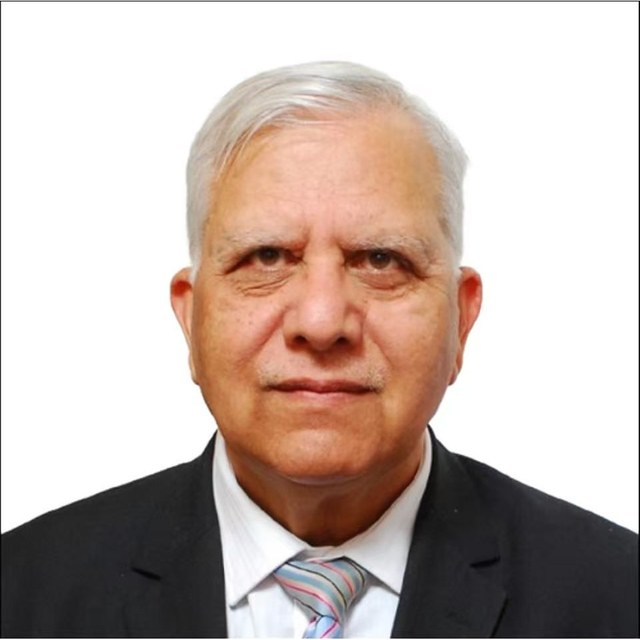
Zamir Ahmed Awan is the founder and Chair of the Global Silk Route Research Alliance, a think tank in Islamabad. He studied engineering at Shanghai University in the 1980s, and years later he went back to China as Pakistan's science counsellor in Beijing, from 2010 until 2016, working on science and higher education cooperation between the two countries.…